

 プレビュー
プレビュー
 プリントを購入
 シェアする
シェアする シェアする
シェアする
 詳細を見る
詳細を見る

 ダウンロード
 似ている作品
 X線調査
X線調査 スライドショー
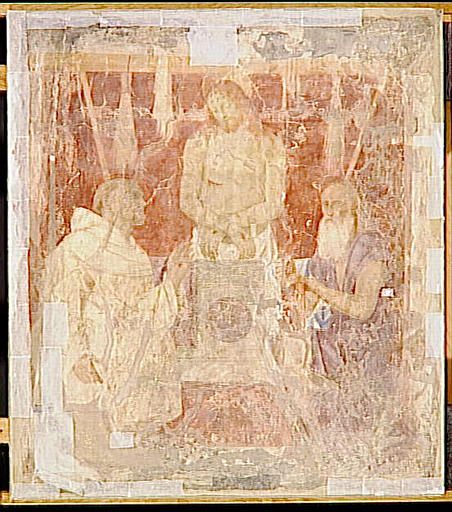
LE CHRIST MORT ENTOURE DES INSTRUMENTS DE LA PASSION, AVEC DEUX SAINTS AGENOUILLES (SAINT JEROME ET SAINT FRANCOIS )


 詳細を見る
詳細を見る
オンラインプレビューをはるかに凌ぐ、高解像度で鮮明なデジタル画像をご購入いただけます。
各ファイルは、社内の専門家が高度なツールと熟練した手作業によるレタッチを用いて、細心の注意を払って準備されています。すべての画像において、卓越した鮮明度、正確な色彩再現性、そして繊細なディテールを保証いたします。
最終ファイルは、プロフェッショナルな編集・印刷環境ですぐにご利用いただけるよう最適化された状態で、72時間以内にメールにてお届けいたします。これは、一流のデザインスタジオ、出版社、ギャラリーから信頼されているものと同等の品質です。
デジタル画像のご注文に付随する特典
高品質なデジタル画像配信を、確かな品質で。
ArtsDot.com を選ぶことは、単に画像を手に入れることではありません。それは、プロの手によって精密に仕上げられ、満足保証が付いた高品質なデジタルアートワークを受け取ることを意味します。ご注文いただいた際に自動的に付随する内容は、以下の通りです:

メールですぐにお届け
ご注文から72時間以内に、高解像度のデジタル画像ファイルがメールでお手元に届きます。すぐにそのままご利用いただけます。

AI技術で最適化されたデジタルファイル
お客様の作品は、高度なAIツールと専門家による手作業の編集を組み合わせてプロフェッショナルに最適化されており、細部のディテール、鮮明さ、そして正確な色再現性を最大限に引き出しています。

一生涯無料の再送サービス
ファイルを誤って削除したり、紛失してしまったりしましたか?ご安心ください。いつでも無料で再送いたします。

輸入手数料は一切かかりません
関税や手数料、配送料を気にすることなく、お気に入りのアートワークをすぐにお楽しみいただけます。デジタルダウンロードは常に免税です。

色彩再現の保証
プロ仕様のツールとカラーマネジメント技術を用いることで、デジタル画像が元の色を最大限に忠実に再現することを保証いたします。

100日間満足保証
ご購入いただいたデジタル画像にご満足いただけない場合は、100日以内であれば、理由を問わず修正または100%の返金対応をさせていただきます。

100% 返金保証
ご満足いただけない場合は、デジタルファイルを受け取ってから100日以内であれば、理由を問わず全額返金いたします。

まとめ買い割引
3枚購入で10%OFF - 5枚購入で15%OFF - 10枚以上購入で20%OFF。クリエイティブなプロジェクト、ギャラリー、エージェンシーに最適です。
Bernardino Luini: A Maestro of Venetian Luminosity
Bernardino Luini stands as a singular figure within the constellation of Renaissance artists hailing from Lombardy, a region renowned for its artistic fervor during the formative decades of the sixteenth century. Born around 1480 in Reno, nestled near Dumenza on Lake Maggiore—details surrounding his early life remain tantalizingly elusive—Luini’s trajectory swiftly propelled him into Milan, the epicenter of artistic innovation under Lodovico Sforza’s patronage. This relocation wasn't merely geographical; it represented an immersion into a milieu brimming with intellectual curiosity and creative dynamism, fostering connections that would prove pivotal to his artistic development. Crucially, Luini found himself apprenticed to Leonardo da Vinci—a relationship characterized by mutual admiration and profound influence—a formative experience that instilled within him not only technical prowess but also a deeply ingrained understanding of the humanist ideals underpinning the era’s artistic endeavors. This apprenticeship transcended mere instruction; it constituted an encounter with a visionary mind, shaping Luini's aesthetic sensibilities in ways that continue to resonate today.A Venetian Echo: Style and Technique
Luini’s distinctive style—often described as “Venetian”—bears unmistakable marks of Leonardo’s influence, particularly evident in his masterful manipulation of light and color. Unlike the prevailing stylistic trends of his time, Luini eschewed the rigid geometric precision favored by many contemporaries, opting instead for a softer, more lyrical approach that prioritized expressive nuance over strict adherence to formal conventions. His technique—primarily fresco painting—demanded painstaking labor and unwavering dedication, reflecting the meticulous craftsmanship characteristic of Venetian art studios. However, Luini’s genius lay not merely in his technical skill but in his ability to imbue his canvases with an ethereal glow—a luminosity that distinguishes his works from those produced by other artists of comparable stature. This luminous quality—often referred to as “Luinesque”—captures the spirit of Venetian painting while simultaneously elevating it to a level of sublime beauty.The Sacred Narrative: Symbolism and Composition
“LE CHRIST MORT ENTOURE DES INSTRUMENTS DE LA PASSION, AVEC DEUX SAINTS AGENOUILLES (SAINT JEROME ET SAINT FRANCOIS )” embodies Luini’s profound engagement with religious iconography—a hallmark of Lombard Renaissance art. The scene depicts Jesus Christ at the moment of death, surrounded by two saints: Saint Jerome and Saint Francis—figures revered for their piety and devotion. These figures are seated at a table laden with symbolic objects—books representing scripture, a cup and bowl signifying communion—underscoring the solemnity of the occasion. The careful arrangement of elements within the composition—the positioning of the saints, the placement of the instruments of passion—serves to convey a complex tapestry of theological ideas. Luini’s masterful depiction captures not only the physical reality of Christ's demise but also its spiritual significance, inviting contemplation on themes of redemption and divine grace.Historical Context: Milanese Patronage and Artistic Innovation
Luini’s artistic output flourished during the reign of Ludovico Sforza—a period marked by Milanese artistic dynamism and intellectual ferment. Sforza’s patronage fostered an environment conducive to experimentation and innovation, attracting artists from across Europe who sought to emulate Leonardo da Vinci's groundbreaking achievements. Luini’s frescoes adorn churches and palaces throughout Milan, reflecting the city’s ambition to establish itself as a cultural beacon of the Renaissance—a testament to Luini’s contribution to the artistic legacy of his time. The commission for “LE CHRIST MORT ENTOURE DES INSTRUMENTS DE LA PASSION” exemplifies Sforza's commitment to elevating religious art and celebrating Milanese identity.Emotional Resonance: Luminosity and Tranquility
Ultimately, Luini’s masterpiece transcends mere technical virtuosity; it communicates a palpable sense of serenity and spiritual contemplation—a characteristic that distinguishes his oeuvre from many other works produced during the Renaissance. The pervasive luminescence—the “Luinesque” glow—creates an atmosphere of ethereal beauty, inviting viewers to immerse themselves in the profound stillness of the depicted scene. Luini’s ability to convey emotion through visual means—to capture the solemn dignity of Christ's death and the unwavering faith of Saint Jerome and Saint Francis—solidifies his position as one of the most enduringly influential artists of the sixteenth century, a testament to his artistic vision and technical mastery.関連作品



作家の略歴
ロンバルディアの光芒:ベルナルディーノ・ルイニの生涯と芸術
ベルナルディーノ・ルイニ(Bernardino Luini、約1480年 - 1532年)という名前は、イタリア・ルネサンス絵画の歴史の中で静かに響き渡ります。彼は、ミラノ湖周辺の美しい地域で生まれました。ルノー(Runo)という小さな集落、ドゥメンツァ近郊での彼の幼少期は謎に包まれていますが、運命が彼を北イタリアの中心地であるミラノへと導いたことは明らかです。1500年頃、彼は父親と共にミラノに移り住み、都市の活気に満ちた創造的エネルギーを吸収しようとしました。彼の初期の訓練については様々な説がありますが、ジョヴァン・ステファノ・スコットやアンブロージョ・ベルゴニョーネが師であったという話もあります。しかし、彼に計り知れない影響を与えたのは、レオナルド・ダ・ヴィンチでした。二人の関係の詳細は議論の余地がありますが、ルイニが巨匠のもとで直接働いたことは広く信じられており、彼の芸術的軌跡を決定づける重要な経験となりました。この弟子入りは単なる技術的なものではなく、繊細な観察、革新的な構図、そして曖昧な表現技法であるスフマートの世界への没頭でした。ルイニはこのスフマートを巧みに自身の独自のスタイルに取り入れていきました。レオナルドの抱擁と様式の誕生
ルイニの芸術的発展は、単なる模倣ではありませんでした。それは、彼自身のロンバルディアの感性を通して濾過されたレオナルドの技法の繊細な同化でした。彼はダ・ヴィンチの知的な厳密さや解剖学的な正確さを再現しようとはせず、むしろ彼の様式のより柔らかく叙情的な側面を受け入れました。これは特に女性の描写に顕著です。優雅な姿で、細長い目を持つ女性たちは、識者のウラジーミル・ナボコフによって“ルイニ風”(Luinesque)と評されています。これらの魅惑的な視線は穏やかな憂いを帯びており、内省を誘います。初期の作品である『 Magi(賢者たちの礼拝)』(約1505年) は、サン・ピエトロ、ルイノに現存しており、すでにこの新たな様式が垣間見えます。光と影の繊細な扱いと構図の習熟度を示しています。彼は聖母マリアの祭壇画や、オルソラ教会(Santa Maria Nuova in Pilastrello)のフレスコ画などの依頼を受け、その名声を確立していきました。ベルナルディーノ・ゼナーレの『カントゥ多翼祭壇画』の影響もまた、『聖アントニウス・パドヴァ』(1510年代)に見られ、多様な影響を統合するルイニの能力を示しています。フレスコ画、宮殿、創造性の開花
16世紀前半の20年間は、ルイニにとって激しい創造活動の時代でした。彼の才能は宗教的な主題に限定されず、世俗的な依頼も数多くありました。セスト・サン・ジョヴァンニにあるペルッカ邸(Villa Pelucca)のために1509年から1514年にかけて制作されたフレスコ画は、彼の多才さの証です。神話の場面を描いたこれらの作品は、洗練された優雅さを持ち、貴族の邸宅の壁を飾りました。現在ミラノのブレラ美術館(Pinacoteca di Brera)に収蔵されているこれらの作品は、古典的な物語のダイナミズムと人間の美しさを捉えることに等しく長けた画家であることを示しています。彼は引き続き名誉ある依頼を受け続け、ロンバルディア各地の教会や宮殿を自身の独特な様式で飾りました。大規模なフレスコ画にさえ親密さと感情的な共鳴を与える彼の能力は、彼が時代の最も求められる芸術家の一人としての地位を確固たるものにしました。遺産と永続する魅力
ベルナルディーノ・ルイニは1532年6月にミラノで亡くなりました。彼の遺産は自身の生涯を超えて受け継がれました。息子のアウレリオ(Aurelio)もまた、家族の芸術的伝統を受け継ぎましたが、より称賛されているのはベルナルディーノであり、優雅な姿、繊細なスフマート、そしてユニークに魅惑的な“ルイニ風”の女性たちとして記憶されています。彼の作品は後世の芸術家たちにインスピレーションを与え、ロンバルディア絵画の発展に貢献し、イタリア・ルネサンス美術の流れ全体に影響を与えました。今日、彼の傑作はイタリア各地の美術館や教会で見ることができます。ブレラ美術館はその中でも特に豊富なコレクションを誇ります。彼の絵画は、その美しさ、優雅さ、そして永続する感情的な力で観客を魅了し続けており、過ぎ去った時代の芸術的感性を垣間見せてくれます。洗礼者ヨハネの首を持つサロメは、例えば、劇的な強度と巧みな表現力で観客を魅了し続けています。そして、聖家族(聖アンナと洗礼者ヨハネとともに)は、彼の穏やかで調和のとれた構図を例証しています。
ベルナルディーノ・ルイニ
1480 - 1532 , イタリア
プロフィール概要
- Artistic Movement Or Style: ルネサンス、マニエリスム
- Artists Or Movements Influenced By This Artist: ['ルイネスク様式の画家']
- Artists Who Influenced This Artist: ['レオナルド・ダ・ヴィンチ']
- Date Of Birth: 1480年頃
- Date Of Death: 1532年
- Full Name: ベルナルディーノ・ルイニ
- Nationality: イタリア人
- Notable Artworks (List Of Titles):
- 魔術師の礼拝
- 聖アントニウス
- ペルッカ家のフレスコ画
- Place Of Birth (City And Country): レノ、イタリア