

 プレビュー
プレビュー
 シェアする
シェアする シェアする
シェアする
 詳細を見る
詳細を見る

 ダウンロード
 似ている作品
 X線調査
X線調査 スライドショー
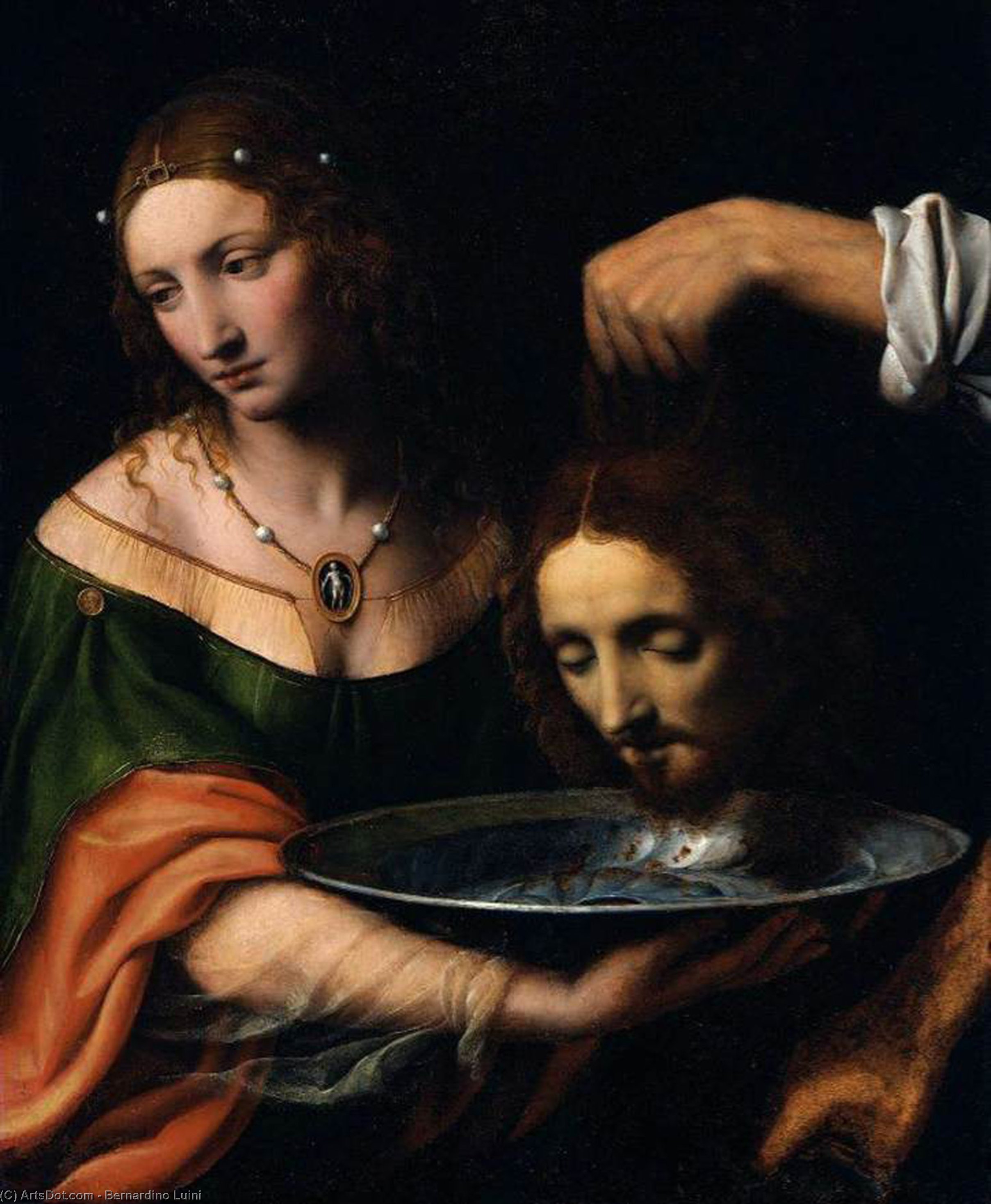
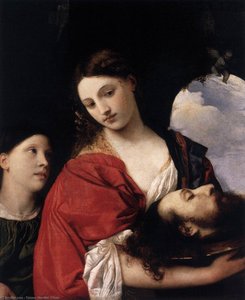
Salome with the Head of St John the Baptist
 Oil On Panel
- WallArt
- Renaissance Luminosity
 Renaissance
 62.0 x 51.0 cm
 ボストン美術館
 詳細を見る
詳細を見る
ジークレー/アートプリント
迅速な制作と多彩な仕上げオプションを備えた、ミュージアムクオリティのジークレーまたはキャンバスプリント。 ( 手描きの絵画を購入 画像を購入)




P118B $10

P118H $10

P118W $10

P438Z $10

P508JH $12

P508YH $12

P805H $10

P805Z $10

P919BZ $10

P919G $10

P919XJ $10

P959ZH $10

P968JZ $12

W106C $8

W218G $10

W218JH $8

W218Y $10

W307PJ $10

W316G $10

W316PJ $8

W316Y $10

W398PJ $8

W4111J $10

W500HY $15

W500JH $15

W692G $12

W849H $8

W940BG $15

W953PJ $8




作品のオリジナル比率に合わせた、当店の規定サイズからお選びください。

特定のフレームやスペースに合わせて、ご自身でサイズを指定することも可能です。選択されたサイズが元の画像の比率と一致しない場合、作品をトリミングするか、鏡面反射または単色での塗りつぶしによって画像を拡張いたします。制作を開始する前に、ご確認用のデジタルモックアップをお送りいたします。
画面上のプレビューには、実際のトリミングや拡張は反映されませんのでご注意ください。最終的な構図を正確に確認できるのは、モックアップのみとなります。
カスタムサイズも承っておりますが、元の比率を維持するためには、あらかじめ用意されたリストからサイズを選択することをお勧めいたします。


 ガラスオプションは、110cm未満のサイズでのみご利用いただけます。

Salome with the Head of St John the Baptist
ジークレー/アートプリント
複製画のサイズ
-


合計金額
$ 62
A Chilling Tableau of Renaissance Drama
In the quiet intensity of Bernardino Luini’s Salome with the Head of St John the Baptist, we encounter one of the most visceral and haunting narratives of the biblical era. Completed around 1527, this masterpiece does not merely depict a moment of historical violence; it captures the heavy, breathless tension that precedes a revelation. The scene centers on Salome, the daughter of Herodias, as she presents the severed head of John the Baptist upon a silver platter. While the subject matter is undeniably macabre, Luini transcends the shock of decapitation to explore the complex psychological layers of betrayal, power, and the chilling weight of a fulfilled, albeit bloody, request.
The composition draws the viewer into a tight, intimate circle of figures, where every gaze and gesture carries profound narrative weight. As Salome holds the platter, her presence is marked by a certain ethereal grace that stands in stark, unsettling contrast to the grisly offering she bears. This juxtaposition creates a sense of cognitive dissonance—a hallmark of high Renaissance drama—where beauty and horror coexist within the same frame, forcing the observer to confront the duality of human nature.
The Mastery of the Luinesque Style
To look upon this work is to witness the profound influence of Leonardo da Vinci upon the Lombard school. Luini, a master of the sfumato technique, employs a subtle, smoky haze to soften the contours of his figures, lending them an otherworldly, dreamlike quality. This delicate treatment of light and shadow—the interplay of chiaroscroll—serves to blur the lines between reality and myth, making the scene feel less like a historical record and more like a haunting vision. The skin tones are rendered with a luminous realism, yet there is an unmistakable softness that permeates the atmosphere, enveloping the characters in a veil of quietude.
The technical execution is nothing short of sublime. Luini’s ability to render textures—the heavy drape of fabric, the cold sheen of the metal platter, and the tragic stillness of the severed head—demonstrates a virtuosity that captivated even the most discerning collectors of his era. For the modern connoisseur or interior designer, this painting offers a sophisticated balance of tonal depth and classical elegance. It is a work that commands attention through its subtlety rather than through overt aggression, making it an exquisite focal point for a curated collection or a grand, contemplative space.
Symbolism and Eternal Resonance
Beyond the literal depiction of the biblical tragedy, the painting is a labyrinth of symbolic meaning. The positioning of the figures—the watchful presence of the guards and the focused attention of the onlookers—suggests a larger political and moral framework. It is a study in feminine agency and its darker implications; Salome becomes a vessel for a vengeance that is both personal and political. The painting reflects the humanist spirit of the Renaissance, where religious stories were utilized as mirrors to examine human psychology, morality, and the consequences of unchecked ambition.
For those seeking to bring a piece of art history into their homes, a high-quality reproduction of this Luini masterpiece offers more than just decoration. It provides an opportunity to inhabit a moment of profound historical significance. The painting’s enduring emotional impact lies in its ability to provoke thought and conversation, inviting viewers to linger on the delicate interplay of light, shadow, and the eternal struggle between grace and cruelty. It is a timeless addition to any environment that values depth, narrative complexity, and the breathtaking beauty of the Italian Renaissance.
関連作品
アーティストの略歴
ロンバルディアの光芒:ベルナルディーノ・ルイニの生涯と芸術
ベルナルディーノ・ルイニ(Bernardino Luini、約1480年 - 1532年)という名前は、イタリア・ルネサンス絵画の歴史の中で静かに響き渡ります。彼は、ミラノ湖周辺の美しい地域で生まれました。ルノー(Runo)という小さな集落、ドゥメンツァ近郊での彼の幼少期は謎に包まれていますが、運命が彼を北イタリアの中心地であるミラノへと導いたことは明らかです。1500年頃、彼は父親と共にミラノに移り住み、都市の活気に満ちた創造的エネルギーを吸収しようとしました。彼の初期の訓練については様々な説がありますが、ジョヴァン・ステファノ・スコットやアンブロージョ・ベルゴニョーネが師であったという話もあります。しかし、彼に計り知れない影響を与えたのは、レオナルド・ダ・ヴィンチでした。二人の関係の詳細は議論の余地がありますが、ルイニが巨匠のもとで直接働いたことは広く信じられており、彼の芸術的軌跡を決定づける重要な経験となりました。この弟子入りは単なる技術的なものではなく、繊細な観察、革新的な構図、そして曖昧な表現技法であるスフマートの世界への没頭でした。ルイニはこのスフマートを巧みに自身の独自のスタイルに取り入れていきました。レオナルドの抱擁と様式の誕生
ルイニの芸術的発展は、単なる模倣ではありませんでした。それは、彼自身のロンバルディアの感性を通して濾過されたレオナルドの技法の繊細な同化でした。彼はダ・ヴィンチの知的な厳密さや解剖学的な正確さを再現しようとはせず、むしろ彼の様式のより柔らかく叙情的な側面を受け入れました。これは特に女性の描写に顕著です。優雅な姿で、細長い目を持つ女性たちは、識者のウラジーミル・ナボコフによって“ルイニ風”(Luinesque)と評されています。これらの魅惑的な視線は穏やかな憂いを帯びており、内省を誘います。初期の作品である『 Magi(賢者たちの礼拝)』(約1505年) は、サン・ピエトロ、ルイノに現存しており、すでにこの新たな様式が垣間見えます。光と影の繊細な扱いと構図の習熟度を示しています。彼は聖母マリアの祭壇画や、オルソラ教会(Santa Maria Nuova in Pilastrello)のフレスコ画などの依頼を受け、その名声を確立していきました。ベルナルディーノ・ゼナーレの『カントゥ多翼祭壇画』の影響もまた、『聖アントニウス・パドヴァ』(1510年代)に見られ、多様な影響を統合するルイニの能力を示しています。フレスコ画、宮殿、創造性の開花
16世紀前半の20年間は、ルイニにとって激しい創造活動の時代でした。彼の才能は宗教的な主題に限定されず、世俗的な依頼も数多くありました。セスト・サン・ジョヴァンニにあるペルッカ邸(Villa Pelucca)のために1509年から1514年にかけて制作されたフレスコ画は、彼の多才さの証です。神話の場面を描いたこれらの作品は、洗練された優雅さを持ち、貴族の邸宅の壁を飾りました。現在ミラノのブレラ美術館(Pinacoteca di Brera)に収蔵されているこれらの作品は、古典的な物語のダイナミズムと人間の美しさを捉えることに等しく長けた画家であることを示しています。彼は引き続き名誉ある依頼を受け続け、ロンバルディア各地の教会や宮殿を自身の独特な様式で飾りました。大規模なフレスコ画にさえ親密さと感情的な共鳴を与える彼の能力は、彼が時代の最も求められる芸術家の一人としての地位を確固たるものにしました。遺産と永続する魅力
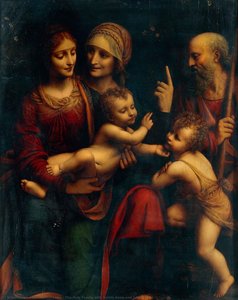
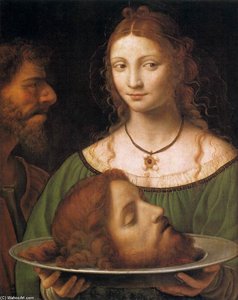
ベルナルディーノ・ルイニは1532年6月にミラノで亡くなりました。彼の遺産は自身の生涯を超えて受け継がれました。息子のアウレリオ(Aurelio)もまた、家族の芸術的伝統を受け継ぎましたが、より称賛されているのはベルナルディーノであり、優雅な姿、繊細なスフマート、そしてユニークに魅惑的な“ルイニ風”の女性たちとして記憶されています。彼の作品は後世の芸術家たちにインスピレーションを与え、ロンバルディア絵画の発展に貢献し、イタリア・ルネサンス美術の流れ全体に影響を与えました。今日、彼の傑作はイタリア各地の美術館や教会で見ることができます。ブレラ美術館はその中でも特に豊富なコレクションを誇ります。彼の絵画は、その美しさ、優雅さ、そして永続する感情的な力で観客を魅了し続けており、過ぎ去った時代の芸術的感性を垣間見せてくれます。洗礼者ヨハネの首を持つサロメは、例えば、劇的な強度と巧みな表現力で観客を魅了し続けています。そして、聖家族(聖アンナと洗礼者ヨハネとともに)は、彼の穏やかで調和のとれた構図を例証しています。
ベルナルディーノ・ルイニ
1480 - 1532 , イタリア
基本情報
- Artistic Movement Or Style: ルネサンス、マニエリスム
- Artists Or Movements Influenced By This Artist: ['ルイネスク様式の画家']
- Artists Who Influenced This Artist: ['レオナルド・ダ・ヴィンチ']
- Date Of Birth: 1480年頃
- Date Of Death: 1532年
- Full Name: ベルナルディーノ・ルイニ
- Nationality: イタリア人
- Notable Artworks (List Of Titles):
- 魔術師の礼拝
- 聖アントニウス
- ペルッカ家のフレスコ画
- Place Of Birth (City And Country): レノ、イタリア
関連記事
レオナルド・ダ・ヴィンチ:至高の25選 - 芸術、科学、そして不朽の名作の世界
レオナルド・ダ・ヴィンチの至宝25選。モナリザ、最後の晩餐…ルネサンス美術を代表する名画の世界へ。芸術史、技法、そして感動の物語を紐解き、お部屋に飾る高級複製画で特別な空間を。ArtsDot.comで全コレクションをご覧ください。

ジョン・シンガー・サージェント:至高の25選 - 美と光の肖像画の世界 | ArtsDot
ジョン・シンガー・サージェントの至高の25選。肖像画、写実主義、光と影の表現が美しい作品群を紐解きます。マダムXや少女の肖像など、時代を超えて愛される名作をArtsDotで鑑賞。高品質なアート複製で、お部屋に美術館のような空間を。今すぐコレクションをご覧ください。

Leonardo da Vinci: A Renaissance Master’s Synthesis of Art, Science & Human Observation – Reinterpreted for the Collector
Explore Leonardo da Vinci’s timeless masterpieces with ArtsDot. Discover insights into his art, science, and legacy – trusted expertise for discerning collectors seeking authentic reproductions & investment opportunities.

ジョン・コンスタブルの傑作25選:英国風景画の巨匠が描く自然と光の詩 | ArtsDot
ジョン・コンスタブルの傑作25選。英国風景画の巨匠が描く自然と光の詩の世界へ。ロマン主義を代表する絵画、デダム・ヴェールやヘイ・ウェインなど、ArtsDotで高品質なアートプリントをお楽しみください。インテリアに深みと感動を。コレクションはこちら。
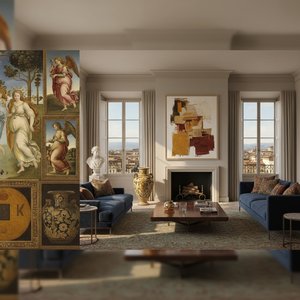
ウフィツィ美術館の至宝25選:ルネサンス巨匠たちの傑作とアートデコレーション
ウフィツィ美術館の至宝25選:ボッティチェリ、レオナルド・ダ・ヴィンチ…ルネサンス巨匠たちの傑作と感動的な物語を紐解きます。高品質な絵画複製やアートプリントで、お部屋に名画の輝きを。ArtsDot.comで芸術の世界へ。

