

 プレビュー
プレビュー
 シェアする
シェアする シェアする
シェアする
 詳細を見る
詳細を見る

 ダウンロード
 似ている作品
 X線調査
X線調査 スライドショー
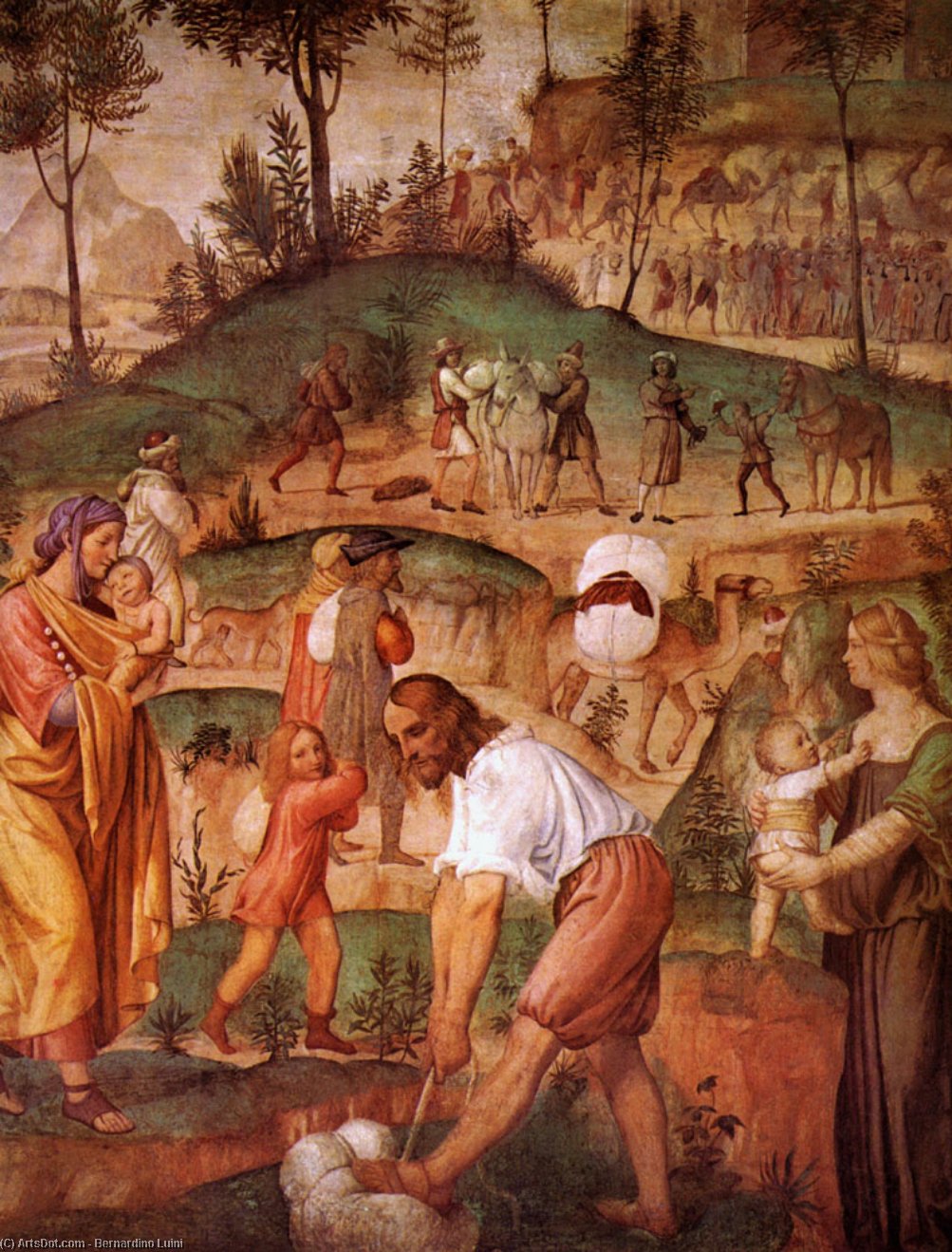
The Game of the Golden Cushion (detail)
 Acrylic On Canvas
- WallArt
- High Renaissance
 1520
1520 140.0 x 100.0 cm
 ピナコテカ・ディ・ブレラ
 詳細を見る
詳細を見る
ジークレー/アートプリント
迅速な制作と多彩な仕上げオプションを備えた、ミュージアムクオリティのジークレーまたはキャンバスプリント。 ( 手描きの絵画を購入 画像を購入)




P118B $10

P118H $10

P118W $10

P438Z $10

P508JH $12

P508YH $12

P805H $10

P805Z $10

P919BZ $10

P919G $10

P919XJ $10

P959ZH $10

P968JZ $12

W106C $8

W218G $10

W218JH $8

W218Y $10

W307PJ $10

W316G $10

W316PJ $8

W316Y $10

W398PJ $8

W4111J $10

W500HY $15

W500JH $15

W692G $12

W849H $8

W940BG $15

W953PJ $8




作品のオリジナル比率に合わせた、当店の規定サイズからお選びください。

特定のフレームやスペースに合わせて、ご自身でサイズを指定することも可能です。選択されたサイズが元の画像の比率と一致しない場合、作品をトリミングするか、鏡面反射または単色での塗りつぶしによって画像を拡張いたします。制作を開始する前に、ご確認用のデジタルモックアップをお送りいたします。
画面上のプレビューには、実際のトリミングや拡張は反映されませんのでご注意ください。最終的な構図を正確に確認できるのは、モックアップのみとなります。
カスタムサイズも承っておりますが、元の比率を維持するためには、あらかじめ用意されたリストからサイズを選択することをお勧めいたします。


 ガラスオプションは、110cm未満のサイズでのみご利用いただけます。

The Game of the Golden Cushion (detail)
ジークレー/アートプリント
複製画のサイズ
-


合計金額
$ 62
The Game of the Golden Cushion: A Glimpse into Luini’s World
Bernardino Luini, a name often whispered with reverence within the circles of Renaissance art, wasn't a flamboyant figure of his time – he was a master of quiet observation and profound detail. Born in Runo, a small village near Lake Maggiore in 1480, Luini’s life unfolded largely within the shadow of Leonardo da Vinci, yet he forged an utterly distinct artistic identity, one characterized by a gentle melancholy and an uncanny ability to capture the fleeting expressions of everyday life. The “Game of the Golden Cushion,” a fresco fragment housed at the Pinacoteca di Brera in Milan, offers a particularly poignant window into this world – a world where piety mingled with playful domesticity, and where the artist’s hand revealed both technical brilliance and an intimate understanding of human emotion. This isn't merely a depiction of children playing; it’s a carefully constructed tableau brimming with subtle narratives and unspoken connections.A Fresco Fragment: Details and Technique
The “Game of the Golden Cushion” is a fragment from a larger, now largely lost, fresco cycle commissioned for the Villa Labia alla Pelluca near Milan in the early 1520s. Measuring just over one meter by eighty centimeters, it’s deceptively complex. Luini masterfully employs *sfumato*, a technique Leonardo himself perfected, to soften edges and create an atmospheric haze that envelops the scene. Notice how the light gently diffuses across the figures, lending them a sense of ethereal beauty. The fresco's pigments – predominantly earth tones accented with touches of red and ochre – are applied with remarkable precision, revealing a meticulous attention to texture and form. The artist’s use of *terrazzo*—a technique involving layering different colored pigments to create the illusion of depth—is particularly noteworthy, adding considerable richness and realism to the background landscape. The composition itself is carefully balanced, drawing the eye across the scene with a subtle dynamism that belies its static nature.The Narrative Unfolds: Symbolism and Social Context
At first glance, the fresco appears simple enough: three young women – likely representing members of the Labia family—are engaged in a traditional Italian game known as “La Caccia al Bacio” (The Chase for the Kiss). One woman, kneeling gracefully, holds a cushion while another playfully attempts to guess which of them is touching her back. The third woman stands slightly apart, observing with a gentle curiosity. However, Luini imbues this seemingly trivial scene with layers of symbolic meaning. The game itself represents courtship and social interaction within the context of 16th-century Italian society. The cushion, often associated with fertility and abundance, subtly hints at the desire for progeny. Furthermore, the woman holding the cushion is depicted in a pose that suggests both vulnerability and quiet dignity – a characteristic frequently found in Luini’s female figures. The presence of the man kneeling, though partially obscured, adds another layer of intrigue, suggesting an unspoken dynamic between the women.Luini's Legacy: Echoes of Leonardo and a Unique Vision
Bernardino Luini’s artistic journey is inextricably linked to that of Leonardo da Vinci. While he undoubtedly learned from his master’s techniques – particularly in terms of *sfumato* and anatomical accuracy – Luini developed a distinctly personal style, characterized by an almost melancholic tenderness. Unlike the dynamic compositions often found in Leonardo's works, Luini favored quieter, more introspective scenes, focusing on capturing the subtle nuances of human emotion. His figures possess a remarkable stillness, imbued with a sense of timelessness and profound humanity. Luini’s work is often described as “late mannerist,” reflecting a shift away from the exuberant dynamism of the High Renaissance towards a more restrained and contemplative aesthetic. Yet, within this restraint lies an extraordinary depth of feeling – a testament to Luini's unique artistic vision.Reproductions and Appreciation: Bringing Luini’s World Home
Today, reproductions of “The Game of the Golden Cushion” are treasured for their ability to evoke the same sense of quiet beauty and emotional resonance as the original fresco. When selecting a high-quality reproduction, consider the artist's interpretation – ensuring it faithfully captures Luini’s delicate *sfumato*, nuanced color palette, and subtle details. Whether adorning a study or a grand salon, this evocative image offers a glimpse into the world of a master craftsman, reminding us of the enduring power of art to capture the beauty and complexity of human experience.- Consider a high-resolution print on archival paper for lasting quality.
- Look for reproductions that accurately represent Luini’s use of color and texture.
- A framed reproduction can add a touch of elegance to any room.
関連作品
アーティストの略歴
ロンバルディアの光芒:ベルナルディーノ・ルイニの生涯と芸術
ベルナルディーノ・ルイニ(Bernardino Luini、約1480年 - 1532年)という名前は、イタリア・ルネサンス絵画の歴史の中で静かに響き渡ります。彼は、ミラノ湖周辺の美しい地域で生まれました。ルノー(Runo)という小さな集落、ドゥメンツァ近郊での彼の幼少期は謎に包まれていますが、運命が彼を北イタリアの中心地であるミラノへと導いたことは明らかです。1500年頃、彼は父親と共にミラノに移り住み、都市の活気に満ちた創造的エネルギーを吸収しようとしました。彼の初期の訓練については様々な説がありますが、ジョヴァン・ステファノ・スコットやアンブロージョ・ベルゴニョーネが師であったという話もあります。しかし、彼に計り知れない影響を与えたのは、レオナルド・ダ・ヴィンチでした。二人の関係の詳細は議論の余地がありますが、ルイニが巨匠のもとで直接働いたことは広く信じられており、彼の芸術的軌跡を決定づける重要な経験となりました。この弟子入りは単なる技術的なものではなく、繊細な観察、革新的な構図、そして曖昧な表現技法であるスフマートの世界への没頭でした。ルイニはこのスフマートを巧みに自身の独自のスタイルに取り入れていきました。レオナルドの抱擁と様式の誕生
ルイニの芸術的発展は、単なる模倣ではありませんでした。それは、彼自身のロンバルディアの感性を通して濾過されたレオナルドの技法の繊細な同化でした。彼はダ・ヴィンチの知的な厳密さや解剖学的な正確さを再現しようとはせず、むしろ彼の様式のより柔らかく叙情的な側面を受け入れました。これは特に女性の描写に顕著です。優雅な姿で、細長い目を持つ女性たちは、識者のウラジーミル・ナボコフによって“ルイニ風”(Luinesque)と評されています。これらの魅惑的な視線は穏やかな憂いを帯びており、内省を誘います。初期の作品である『 Magi(賢者たちの礼拝)』(約1505年) は、サン・ピエトロ、ルイノに現存しており、すでにこの新たな様式が垣間見えます。光と影の繊細な扱いと構図の習熟度を示しています。彼は聖母マリアの祭壇画や、オルソラ教会(Santa Maria Nuova in Pilastrello)のフレスコ画などの依頼を受け、その名声を確立していきました。ベルナルディーノ・ゼナーレの『カントゥ多翼祭壇画』の影響もまた、『聖アントニウス・パドヴァ』(1510年代)に見られ、多様な影響を統合するルイニの能力を示しています。フレスコ画、宮殿、創造性の開花
16世紀前半の20年間は、ルイニにとって激しい創造活動の時代でした。彼の才能は宗教的な主題に限定されず、世俗的な依頼も数多くありました。セスト・サン・ジョヴァンニにあるペルッカ邸(Villa Pelucca)のために1509年から1514年にかけて制作されたフレスコ画は、彼の多才さの証です。神話の場面を描いたこれらの作品は、洗練された優雅さを持ち、貴族の邸宅の壁を飾りました。現在ミラノのブレラ美術館(Pinacoteca di Brera)に収蔵されているこれらの作品は、古典的な物語のダイナミズムと人間の美しさを捉えることに等しく長けた画家であることを示しています。彼は引き続き名誉ある依頼を受け続け、ロンバルディア各地の教会や宮殿を自身の独特な様式で飾りました。大規模なフレスコ画にさえ親密さと感情的な共鳴を与える彼の能力は、彼が時代の最も求められる芸術家の一人としての地位を確固たるものにしました。遺産と永続する魅力
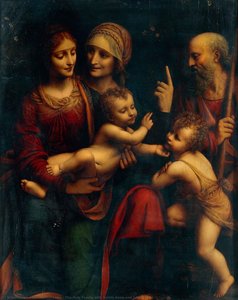
ベルナルディーノ・ルイニは1532年6月にミラノで亡くなりました。彼の遺産は自身の生涯を超えて受け継がれました。息子のアウレリオ(Aurelio)もまた、家族の芸術的伝統を受け継ぎましたが、より称賛されているのはベルナルディーノであり、優雅な姿、繊細なスフマート、そしてユニークに魅惑的な“ルイニ風”の女性たちとして記憶されています。彼の作品は後世の芸術家たちにインスピレーションを与え、ロンバルディア絵画の発展に貢献し、イタリア・ルネサンス美術の流れ全体に影響を与えました。今日、彼の傑作はイタリア各地の美術館や教会で見ることができます。ブレラ美術館はその中でも特に豊富なコレクションを誇ります。彼の絵画は、その美しさ、優雅さ、そして永続する感情的な力で観客を魅了し続けており、過ぎ去った時代の芸術的感性を垣間見せてくれます。洗礼者ヨハネの首を持つサロメは、例えば、劇的な強度と巧みな表現力で観客を魅了し続けています。そして、聖家族(聖アンナと洗礼者ヨハネとともに)は、彼の穏やかで調和のとれた構図を例証しています。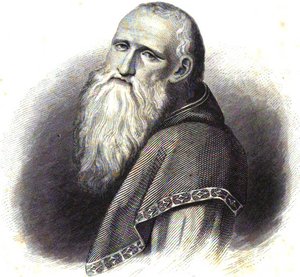
ベルナルディーノ・ルイニ
1480 - 1532 , イタリア
基本情報
- Artistic Movement Or Style: ルネサンス、マニエリスム
- Artists Or Movements Influenced By This Artist: ['ルイネスク様式の画家']
- Artists Who Influenced This Artist: ['レオナルド・ダ・ヴィンチ']
- Date Of Birth: 1480年頃
- Date Of Death: 1532年
- Full Name: ベルナルディーノ・ルイニ
- Nationality: イタリア人
- Notable Artworks (List Of Titles):
- 魔術師の礼拝
- 聖アントニウス
- ペルッカ家のフレスコ画
- Place Of Birth (City And Country): レノ、イタリア
関連記事

家族の遺産を壁画で彩る:伝統技法が紡ぐ、時を超越する美と記憶
古代から現代までの壁画の歴史と技法を解説。日本の壁画文化やカスタムオーダーによる家族の遺産表現、保存・修復技術まで網羅。専門家が時を超越する美と記憶を紡ぐ芸術的価値をご案内します。

The Enduring Legacy of Fresco Painting: Techniques, History & Contemporary Relevance
Explore the rich history & enduring artistry of fresco painting – from Giotto to Michelangelo! Discover techniques, conservation efforts, & modern applications. Learn how ArtsDot brings this timeless art form to your home.

The Enduring Legacy of Fresco: Technique, History & Artistic Expression Across Cultures
Explore the rich history & enduring legacy of fresco painting! Discover ancient techniques, Giotto's masterpieces, and modern applications. Expert insights for art lovers & professionals.
The Enduring Legacy of Fresco: Technique, History & Artistic Expression
Explore the rich history & enduring artistry of fresco painting. Discover techniques from Giotto to Michelangelo, conservation efforts, & modern applications. Learn how ArtsDot brings this timeless art form to your home.

Art That Lives With You: The Emotional Power of a Custom Interior Fresco
Discover the emotional power & timeless beauty of custom interior frescoes. Explore history, design tips & expert guidance from – creating lasting legacies.

