

 プレビュー
プレビュー
 プリントを購入
 シェアする
シェアする シェアする
シェアする
 詳細を見る
詳細を見る

 ダウンロード
 似ている作品
 X線調査
X線調査 スライドショー
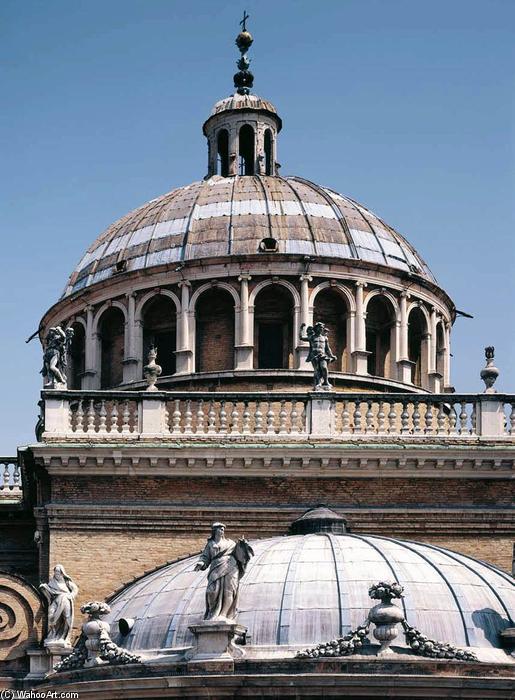
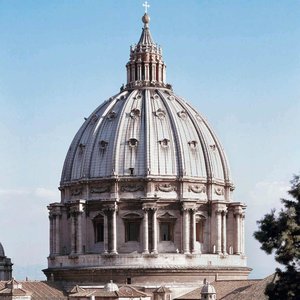
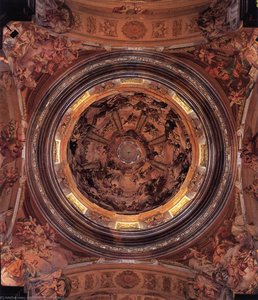
View of the dome


 詳細を見る
詳細を見る
オンラインプレビューをはるかに凌ぐ、高解像度で鮮明なデジタル画像をご購入いただけます。
各ファイルは、社内の専門家が高度なツールと熟練した手作業によるレタッチを用いて、細心の注意を払って準備されています。すべての画像において、卓越した鮮明度、正確な色彩再現性、そして繊細なディテールを保証いたします。
最終ファイルは、プロフェッショナルな編集・印刷環境ですぐにご利用いただけるよう最適化された状態で、72時間以内にメールにてお届けいたします。これは、一流のデザインスタジオ、出版社、ギャラリーから信頼されているものと同等の品質です。
デジタル画像のご注文に付随する特典
高品質なデジタル画像配信を、確かな品質で。
ArtsDot.com を選ぶことは、単に画像を手に入れることではありません。それは、プロの手によって精密に仕上げられ、満足保証が付いた高品質なデジタルアートワークを受け取ることを意味します。ご注文いただいた際に自動的に付随する内容は、以下の通りです:

メールですぐにお届け
ご注文から72時間以内に、高解像度のデジタル画像ファイルがメールでお手元に届きます。すぐにそのままご利用いただけます。

AI技術で最適化されたデジタルファイル
お客様の作品は、高度なAIツールと専門家による手作業の編集を組み合わせてプロフェッショナルに最適化されており、細部のディテール、鮮明さ、そして正確な色再現性を最大限に引き出しています。

一生涯無料の再送サービス
ファイルを誤って削除したり、紛失してしまったりしましたか?ご安心ください。いつでも無料で再送いたします。

輸入手数料は一切かかりません
関税や手数料、配送料を気にすることなく、お気に入りのアートワークをすぐにお楽しみいただけます。デジタルダウンロードは常に免税です。

色彩再現の保証
プロ仕様のツールとカラーマネジメント技術を用いることで、デジタル画像が元の色を最大限に忠実に再現することを保証いたします。

100日間満足保証
ご購入いただいたデジタル画像にご満足いただけない場合は、100日以内であれば、修正または100%の返金(理由を問う必要はありません)をさせていただきます。

100% 返金保証
ご満足いただけない場合は、デジタルファイルを受け取ってから100日以内であれば、理由を問わず全額返金いたします。

まとめ買い割引
3枚購入で10%OFF - 5枚購入で15%OFF - 10枚以上購入で20%OFF。クリエイティブなプロジェクト、ギャラリー、エージェンシーに最適です。
関連作品
作家の略歴
Early Life and Formation in the Renaissance Heartland
Bernardino Zaccagni, born around 1460 in Rivalta di Lesignano near Parma, emerged during a period of profound artistic transformation in Italy. While details surrounding his early life remain somewhat elusive, it is known that his father, Francesco Zaccagni, was a builder or architect—a crucial foundation for Bernardino’s own burgeoning career. This familial connection to the craft instilled within him not only practical skills but also an intimate understanding of construction techniques and materials, setting the stage for his future endeavors in the rapidly evolving world of Renaissance architecture. Parma itself served as a fertile ground for artistic development, benefiting from the patronage of powerful families like the Sforza and experiencing a revival of civic building projects that would shape Zaccagni’s early experiences. The city's position at the crossroads of various influences—Lombard traditions blending with emerging Florentine ideals—created an environment ripe for innovation, and young Bernardino was poised to absorb these currents.A Flourishing Career in Parma: Churches and Fortifications
Zaccagni quickly established himself as a prominent figure within the Parman architectural landscape during the late 15th and early 16th centuries. His initial projects included contributions to significant religious structures such as San Benedetto (between 1498 and 1501) and Santa Maria del Carmine (1500-1502), where he collaborated with established masters like Pellegrino da Pontremoli, gaining invaluable experience and refining his skills. Beyond church construction, Zaccagni demonstrated versatility by participating in civic projects, notably contributing to the improvement of Parma’s fortifications in 1521 alongside other leading builders. This involvement highlights a practical aspect of Renaissance architects—their ability to address both aesthetic concerns and functional necessities. He also worked on smaller chapels like that of Pedrignano near Parma (1507-1509) and the hospital of Rodolfo Tanzi (1506–1511), showcasing his adaptability to diverse scales and requirements.The Architectural Vision: Centralized Plans and Domed Spaces
Zaccagni’s architectural vision was characterized by a preference for centralized plans, reflecting the growing Renaissance fascination with symmetry, harmony, and classical ideals. This approach is particularly evident in structures like the Oratory of the Immaculate Conception at San Francesco del Prato, where he designed a symmetrical building crowned with a dome—a motif that would become a hallmark of his style. His most significant achievement, however, lies in his work on the basilica of San Giovanni Evangelista. While collaborating with master mason Pietro Cavazzolo, Zaccagni was primarily responsible for the design of the vaults and the magnificent dome, which stands as a testament to his mastery of spatial organization and proportional elegance. This project exemplifies his ability to translate theoretical principles into tangible form, creating spaces that were both visually striking and structurally sound.Santa Maria della Steccata: Collaboration and Controversy
The church of Santa Maria della Steccata represents perhaps Zaccagni’s most ambitious undertaking—a collaborative effort with his son, Giovanni Francesco Zaccagni. This project, begun in 1523, aimed to create a new model for religious architecture, incorporating innovative features and reflecting the latest Renaissance trends. However, the construction process was not without its challenges. In 1525, Gianfrancesco Ferrari d’Agrate took over the work due to disputes with Zaccagni and his son, highlighting the complexities of patronage and artistic collaboration during this period. Despite these setbacks, Santa Maria della Steccata remains a significant example of Zaccagni's influence, showcasing his commitment to centralized plans and harmonious proportions. The church also demonstrates the family’s dedication to expanding the Benedictine monastery at San Giovanni, further solidifying their presence in Parman architecture.Legacy and Historical Significance
Bernardino Zaccagni’s career bridged the transition between late Gothic and High Renaissance styles, leaving a lasting imprint on Parma's ecclesiastical architecture. Although records of his minor projects are sparse, his influence extended through family collaborations—his son Benedetto continued the family’s engineering legacy in the region—and his innovative designs inspired subsequent generations of architects. Zaccagni’s mastery of spatial harmony and proportional elegance, particularly evident in his domed structures, contributed to the development of a distinct Parman architectural identity. He stands as a testament to the importance of familial workshops and the enduring power of Renaissance ideals in shaping the built environment. His work continues to be studied and admired for its technical skill, aesthetic beauty, and historical significance within the broader context of Italian art and architecture.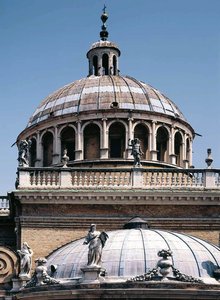
bernardino zaccagni
1455 - 1531 , Italy
プロフィール概要
- Artistic Movement Or Style: Renaissance Art
- Date Of Birth: ca. 1460
- Full Name: Bernardino Zaccagni
- Nationality: Italian
- Notable Artworks:
- View of the Dome
- View of the dome and the apses
- Place Of Birth: Rivalta di Lesignano, Italy