

 プレビュー
プレビュー
 プリントを購入
 シェアする
シェアする シェアする
シェアする
 詳細を見る
詳細を見る

 ダウンロード
 似ている作品
 X線調査
X線調査 スライドショー
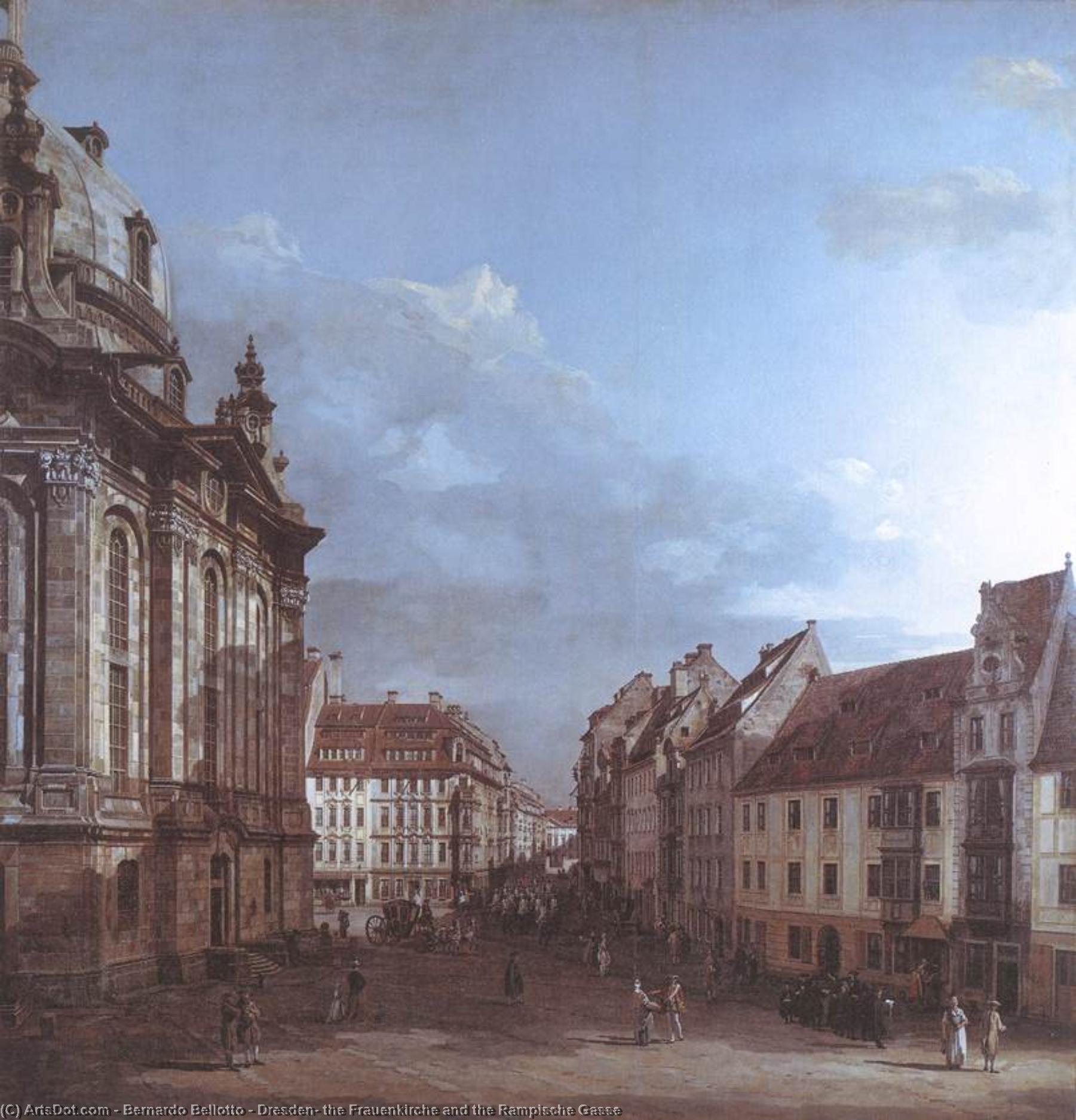
Dresden, the Frauenkirche and the Rampische Gasse
 Oil On Canvas
- WallArt
- Rococo
 1749
1749 193.0 x 186.0 cm
 Gemäldegalerie Alte Meister
 詳細を見る
詳細を見る




P118B $10

P118H $10

P118W $10

P438Z $10

P508JH $12

P508YH $12

P805H $10

P805Z $10

P919BZ $10

P919G $10

P919XJ $10

P959ZH $10

P968JZ $12

W106C $8

W218G $10

W218JH $8

W218Y $10

W307PJ $10

W316G $10

W316PJ $8

W316Y $10

W398PJ $8

W4111J $10

W500HY $15

W500JH $15

W692G $12

W849H $8

W940BG $15

W953PJ $8




作品のオリジナル比率に合わせた、当店の規定サイズからお選びください。

特定のフレームやスペースに合わせて、ご希望のサイズをご入力いただけます。選択されたサイズが元の画像の比率と異なる場合、アートワークをトリミングするか、手描きで要素を追加して絵画を拡張いたします。デジタルモックアップ を制作し、制作開始前にご確認(承認)をいただきます。
画面上のプレビューは、実際のトリミングや拡張を正確に反映しているものではありません。最終的な構図は、モックアップによってのみ正確にご確認いただけます。
カスタムサイズもご利用いただけますが、元の比率を維持するためには、あらかじめ用意されたリストからサイズを選択することをお勧めいたします。
ご注文後、ArtsDot.com チームより詳細な指示をお送りするとともに、仕上がりイメージ(モックアップ)をご提供いたします。


 ガラスオプションは、110cm未満のサイズでのみご利用いただけます。

Dresden, the Frauenkirche and the Rampische Gasse
複製技法
複製画のサイズ
-


合計金額
$ 338
Dresden, the Frauenkirche and the Rampische Gasse by Bernardo Bellotto
Bernardo Bellotto’s 1749 oil painting stands as a testament to Baroque artistry and Dresden’s enduring beauty—a poignant reminder of what was lost during World War II. More than just a depiction of a cityscape, it's an immersive experience into the atmosphere and grandeur of Saxon capital at the cusp of the Enlightenment.
Subject Matter & Composition: The artwork captures a panoramic view of Dresden’s Frauenkirche (Church of Our Lady) alongside the Rampische Gasse—a lively street known for its taverns and theatrical performances. Bellotto meticulously rendered the architectural details of both buildings, prioritizing the imposing Frauenkirche on the left side and balancing it with a row of structures on the right. The composition is broadly symmetrical, reflecting the artistic conventions of the time and emphasizing stability and grandeur.
Style & Technique: Bellotto’s style embodies the Baroque tradition—characterized by dramatic lighting, rich textures, and idealized representations. He skillfully employed linear perspective to create depth, guiding the viewer's eye through the scene. The artist utilized meticulous brushwork to build up surfaces, capturing the nuances of light and shadow with remarkable precision. Materials used were oil paints on canvas, ensuring durability and allowing for a luminous finish.
Historical Context: Painted in 1749, shortly before Dresden endured devastating bombing during the Second World War, Bellotto’s work serves as an invaluable record of the city's pre-war splendor. Commissioned by King August III of Poland, Bellotto undertook a monumental task—preserving Dresden’s architectural heritage for posterity. His dedication to capturing the essence of the cityscape reflects the broader artistic ambitions of the era.
Symbolism & Emotional Impact: The Frauenkirche symbolizes religious faith and civic pride – its towering presence dominating the visual landscape. Simultaneously, the Rampische Gasse embodies everyday life—the bustle of commerce, the social interactions of citizens, and the vibrancy of Dresden’s cultural scene. Bellotto's masterful rendering evokes a sense of awe and contemplation, inviting viewers to appreciate both the grandeur of architectural achievement and the richness of human experience.
Further Information: This painting resides in the Staatliche Kunstsammlungen Dresden (Saxon State Museums), where it continues to inspire admiration for its artistic merit and historical significance. You can explore more about Bellotto’s oeuvre and Dresden's architectural history on the museum’s website.
関連作品
アーティストの略歴
初期の生活と修行
ベルナルド・ベロットは、1721年頃または1730年1月30日にヴェネツィアで生まれました。彼は有名なジョヴァンニ・アントニオ・カナル、通称カナルエットの甥であり弟子でした。カナルエットはヴェネツィア派絵画を代表する人物であり、ベロットはその才能をいち早く認められました。幼少の頃から風景描写に秀でており、叔父であるカナルエットからの指導を受けながら、独自の視点と技術を磨いていきました。初期の作品には、ヴェネツィアの美しい街並みや運河の風景が描かれており、その繊細な筆致と光の表現は、すでにベロットならではの個性が現れ始めていました。
芸術的スタイルとキャリア
ベロットの芸術的スタイルは、建築物や自然の景観を詳細に描写すること、そしてそれぞれの場所特有の光の質感を捉えることに特徴があります。都市の風景を描く卓越した才能により、彼はヨーロッパ各地の王侯貴族から招かれました。1742年にローマへ渡り、その後北イタリア(1744-1745年)を旅し、1747年にはポーランド国王アウグスト3世の依頼を受けてドレスデンに移りました。ドレスデンでの彼の作品は、戦争によって破壊される前の街並みを記録するものとして、貴重な歴史的資料となっています。その後、マリア・テレジア女帝からウィーンへの招請を受け(1758年)、ウィーンの建造物を描きました。
代表作と遺産
ベロットの代表的な作品としては、以下のものが挙げられます:
- 大運河の眺め:サンタ・マリア・デッラ・サルーテ教会とドガーナからカンポ・サンタ・マリア・ゾベニゴへ (1743)
- ヴェネツィア貴族の衣装をまとった自画像を含む建築 capriccio
彼の遺産は、単なる芸術作品にとどまらず、戦争によって破壊された都市の再建のための貴重な資料として活用されています。ベロットの絵画は、失われた街並みを忠実に再現するための重要な手がかりとなり、都市計画や建築復興に貢献しています。
影響と発展
ベロットの作品は、叔父であるカナルエットからの影響を強く受けていますが、より詳細な描写と光の表現において独自のスタイルを確立しました。特に、ドレスデンやウィーンで描かれた都市風景は、その精密さとリアリズムによって高く評価されています。彼は、単に街並みを記録するだけでなく、そこに生きる人々の生活や雰囲気を描き出すことに情熱を注ぎました。彼の作品には、当時の社会状況や文化背景が反映されており、歴史研究においても重要な価値を持っています。
歴史的意義
ベロットの絵画は、18世紀ヨーロッパにおける都市風景画の代表的な存在として、その地位を確立しています。彼の作品は、単なる美しい風景を描くだけでなく、都市の歴史や文化を記録し、後世に伝えるという重要な役割を果たしました。また、彼の技術と表現方法は、多くの画家たちに影響を与え、都市風景画の発展に貢献しました。今日でも、ベロットの絵画は世界中の美術館やコレクションで高く評価され、多くの人々に感動を与え続けています。彼の作品を鑑賞することで、私たちは18世紀ヨーロッパの街並みや文化、そして当時の人々の生活を知ることができます。
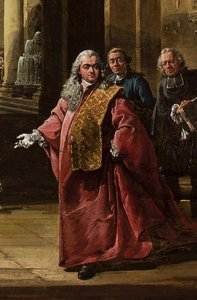
ベルナルド・ベッロット
1721 - 1780 , イタリア
基本情報
- Artistic Movement Or Style: ヴェドゥータ絵画
- Artists Or Movements Influenced By This Artist: ['都市再建']
- Artists Who Influenced This Artist: ['ジョヴァンニ・アントニオ・カナル']
- Date Of Birth: 1721年頃
- Date Of Death: 1780年
- Full Name: ベルナルド・ベロット
- Nationality: イタリア人
- Notable Artworks (List Of Titles):
- 大運河の眺め
- 建築的幻想曲
- Place Of Birth (City And Country): ヴェネツィア、イタリア
関連記事
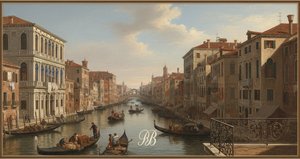
Bernardo Bellotto: Canaletto's Nephew & Master of Veduta Painting – A Comprehensive Exploration
Explore the life & art of Bernardo Bellotto, Canaletto’s nephew and a master of veduta painting. Discover his stunning cityscapes of Dresden & Warsaw, artistic techniques, and lasting legacy. Expert insights for collectors.
German Expressionism's 10 Defining Masterpieces | Art for Your Home
Explore 10 defining German Expressionism masterpieces – from Munch's 'The Scream' to Kandinsky’s abstracts. Discover the artists, stories & bold colors behind this powerful art movement. Find museum-quality reproductions at ArtsDot.com.
18th Century Masters: 10 Artworks That Define an Era | ArtsDot
Journey through 18th century art! Explore 10 iconic paintings – from Rococo elegance to Neoclassical grandeur. Discover Fragonard, David & more. Find museum-quality reproductions and elevate your home decor on ArtsDot.com.
Urban Visions: A Historical & Artistic Exploration of the Cityscape in Painting
Explore the evolution of cityscape painting from historical maps to Impressionist masterpieces. Discover artists like Caillebotte, Utrillo & Matsumoto Shunsuke. Find museum-quality reproductions at ArtsDot.
Anton von Werner: Imperial Painter, Historical Witness & Shifting German Identity
Explore the life & work of Anton von Werner, Imperial Germany's leading painter. Discover his dramatic depictions of war, unification, and court life – a fascinating insight into 19th-century German history & art.

