

 プレビュー
プレビュー
 プリントを購入
 シェアする
シェアする シェアする
シェアする
 詳細を見る
詳細を見る

 ダウンロード
 似ている作品
 X線調査
X線調査 スライドショー
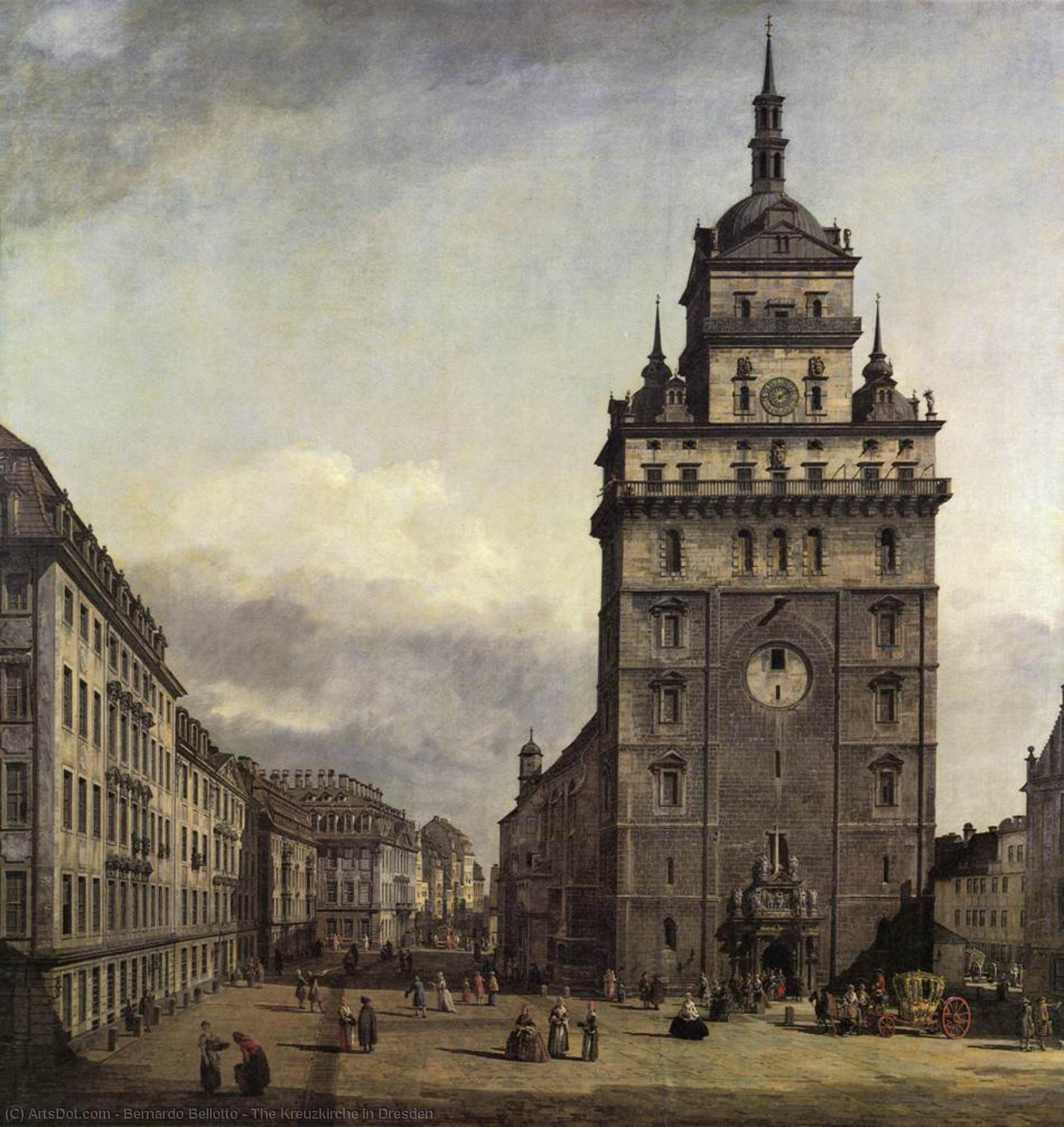
The Kreuzkirche in Dresden
 Oil
Oil- WallArt
- Baroque
 1747
1747 196.0 x 186.0 cm
 Gemäldegalerie Alte Meister
 詳細を見る
詳細を見る




P118B $10

P118H $10

P118W $10

P438Z $10

P508JH $12

P508YH $12

P805H $10

P805Z $10

P919BZ $10

P919G $10

P919XJ $10

P959ZH $10

P968JZ $12

W106C $8

W218G $10

W218JH $8

W218Y $10

W307PJ $10

W316G $10

W316PJ $8

W316Y $10

W398PJ $8

W4111J $10

W500HY $15

W500JH $15

W692G $12

W849H $8

W940BG $15

W953PJ $8




作品のオリジナル比率に合わせた、当店の規定サイズからお選びください。

特定のフレームやスペースに合わせて、ご希望のサイズをご入力いただけます。選択されたサイズが元の画像の比率と異なる場合、アートワークをトリミングするか、手描きで要素を追加して絵画を拡張いたします。デジタルモックアップ を制作し、制作開始前にご確認(承認)をいただきます。
画面上のプレビューは、実際のトリミングや拡張を正確に反映しているものではありません。最終的な構図は、モックアップによってのみ正確にご確認いただけます。
カスタムサイズもご利用いただけますが、元の比率を維持するためには、あらかじめ用意されたリストからサイズを選択することをお勧めいたします。
ご注文後、ArtsDot.com チームより詳細な指示をお送りするとともに、仕上がりイメージ(モックアップ)をご提供いたします。


 ガラスオプションは、110cm未満のサイズでのみご利用いただけます。

The Kreuzkirche in Dresden
複製技法
複製画のサイズ
-


合計金額
$ 338
作品解説
Bernardo Bellotto’s Dresden: A Frozen Moment of Ruin
Bernardo Bellotto's "The Kreuzkirche in Dresden" (1747) isn’t merely a cityscape; it’s a poignant tableau capturing a fleeting moment suspended between grandeur and devastation. This meticulously rendered oil painting offers a remarkably intimate glimpse into the heart of 18th-century Dresden, Germany, a city poised on the brink of profound change. Bellotto, a Venetian artist renowned for his detailed depictions of urban landscapes – often referred to as “vedute” – masterfully captures not just the physical appearance of the city but also its atmosphere and the subtle anxieties simmering beneath its opulent facade. The painting’s enduring power lies in its ability to evoke a sense of melancholy beauty, transforming a scene of destruction into a compelling work of art.- A City on the Verge: Bellotto's Dresden is not the vibrant capital we know today. Just a few years before this painting was completed, the city had been ravaged by war and fire during the Seven Years’ War. The imposing Kreuzkirche (Holy Church), dominating the skyline with its towering spire, stood as a testament to both the city’s resilience and its vulnerability. The painting itself is a record of this precarious state – a visual echo of the recent trauma.
- Baroque Precision, Dutch Sensitivity: Bellotto's style blends the rigorous precision characteristic of Baroque art with the softer, more atmospheric qualities associated with Dutch Golden Age painters. The buildings are rendered with remarkable accuracy, their architectural details painstakingly observed and faithfully reproduced. Yet, there’s a subtle sense of distance, an almost dreamlike quality that softens the hard edges of the architecture and imbues the scene with a contemplative mood.
The Tower as Symbol: Authority and Loss
At the painting's center stands the Kreuzkirche’s tower, a monumental structure that immediately commands attention. Bellotto doesn’t shy away from depicting its imposing scale, emphasizing its vertical thrust against the relatively flat horizon. This towering presence is not simply decorative; it functions as a potent symbol of civic authority and religious power – hallmarks of Dresden under the rule of Augustus III, Elector of Saxony. However, the tower's dramatic collapse in 1765, depicted in a later work by Bellotto, transforms this symbol into one of loss and vulnerability. The painting thus becomes a meditation on the impermanence of even the most formidable structures, reflecting the broader anxieties about political stability and military conflict that gripped Europe at the time. Historical Context:** The Seven Years’ War (1756-1763) had a devastating impact on Saxony, leaving the region economically weakened and politically vulnerable. Bellotto's Dresden series, including this view of the Kreuzkirche, served as a crucial record of the city's pre-war beauty – a visual archive intended to preserve its memory before it was irrevocably altered by destruction. The painting itself is therefore not just a depiction of a cityscape; it’s a testament to a lost world and a poignant reminder of the fragility of human endeavors.Technique and Light: A Masterclass in Observation
Bellotto's skill as an artist lies not only in his ability to accurately represent architectural details but also in his masterful use of light and perspective. The painting is bathed in a diffused, almost ethereal light that creates a sense of depth and atmosphere. Linear perspective guides the viewer’s eye through the scene, drawing them into the bustling streetscape and revealing the intricate layers of urban life. Bellotto employed a technique known as “glazing,” applying thin layers of oil paint to build up color and luminosity gradually. This meticulous approach allowed him to achieve remarkable detail while maintaining a sense of atmospheric depth and realism. The subtle variations in tone and texture create a remarkably tactile quality, inviting the viewer to almost feel the roughness of the cobblestones beneath their feet and the warmth of the sunlight on the buildings’ facades.- Detailed Observation: Bellotto's meticulous attention to detail is evident throughout the painting – from the individual bricks in the buildings to the folds of the clothing worn by the figures in the street.
- Atmospheric Perspective: The use of atmospheric perspective creates a sense of depth and distance, with objects appearing smaller and paler as they recede into the background.
A Frozen Moment – A Legacy of Preservation
“The Kreuzkirche in Dresden” is more than just a beautiful painting; it’s a historical document, a technical masterpiece, and an emotionally resonant work of art. Bellotto's dedication to capturing the essence of urban life—particularly in the face of impending disaster—makes this painting profoundly moving. It serves as a poignant reminder of the ephemeral nature of beauty and power, while simultaneously celebrating the enduring spirit of human creativity. Today, reproductions of this iconic image continue to inspire awe and contemplation, offering viewers a glimpse into a lost world and a powerful meditation on the passage of time.関連作品
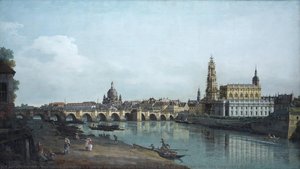
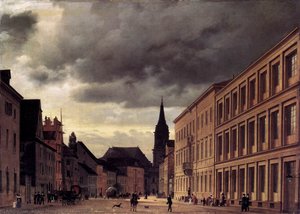
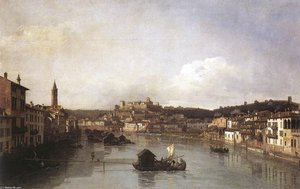
アーティストの略歴
初期の生活と修行
ベルナルド・ベロットは、1721年頃または1730年1月30日にヴェネツィアで生まれました。彼は有名なジョヴァンニ・アントニオ・カナル、通称カナルエットの甥であり弟子でした。カナルエットはヴェネツィア派絵画を代表する人物であり、ベロットはその才能をいち早く認められました。幼少の頃から風景描写に秀でており、叔父であるカナルエットからの指導を受けながら、独自の視点と技術を磨いていきました。初期の作品には、ヴェネツィアの美しい街並みや運河の風景が描かれており、その繊細な筆致と光の表現は、すでにベロットならではの個性が現れ始めていました。
芸術的スタイルとキャリア
ベロットの芸術的スタイルは、建築物や自然の景観を詳細に描写すること、そしてそれぞれの場所特有の光の質感を捉えることに特徴があります。都市の風景を描く卓越した才能により、彼はヨーロッパ各地の王侯貴族から招かれました。1742年にローマへ渡り、その後北イタリア(1744-1745年)を旅し、1747年にはポーランド国王アウグスト3世の依頼を受けてドレスデンに移りました。ドレスデンでの彼の作品は、戦争によって破壊される前の街並みを記録するものとして、貴重な歴史的資料となっています。その後、マリア・テレジア女帝からウィーンへの招請を受け(1758年)、ウィーンの建造物を描きました。
代表作と遺産
ベロットの代表的な作品としては、以下のものが挙げられます:
- 大運河の眺め:サンタ・マリア・デッラ・サルーテ教会とドガーナからカンポ・サンタ・マリア・ゾベニゴへ (1743)
- ヴェネツィア貴族の衣装をまとった自画像を含む建築 capriccio
彼の遺産は、単なる芸術作品にとどまらず、戦争によって破壊された都市の再建のための貴重な資料として活用されています。ベロットの絵画は、失われた街並みを忠実に再現するための重要な手がかりとなり、都市計画や建築復興に貢献しています。
影響と発展
ベロットの作品は、叔父であるカナルエットからの影響を強く受けていますが、より詳細な描写と光の表現において独自のスタイルを確立しました。特に、ドレスデンやウィーンで描かれた都市風景は、その精密さとリアリズムによって高く評価されています。彼は、単に街並みを記録するだけでなく、そこに生きる人々の生活や雰囲気を描き出すことに情熱を注ぎました。彼の作品には、当時の社会状況や文化背景が反映されており、歴史研究においても重要な価値を持っています。
歴史的意義
ベロットの絵画は、18世紀ヨーロッパにおける都市風景画の代表的な存在として、その地位を確立しています。彼の作品は、単なる美しい風景を描くだけでなく、都市の歴史や文化を記録し、後世に伝えるという重要な役割を果たしました。また、彼の技術と表現方法は、多くの画家たちに影響を与え、都市風景画の発展に貢献しました。今日でも、ベロットの絵画は世界中の美術館やコレクションで高く評価され、多くの人々に感動を与え続けています。彼の作品を鑑賞することで、私たちは18世紀ヨーロッパの街並みや文化、そして当時の人々の生活を知ることができます。
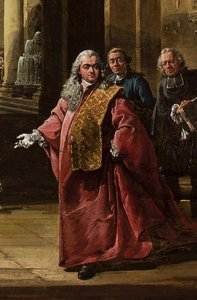
ベルナルド・ベッロット
1721 - 1780 , イタリア
基本情報
- Artistic Movement Or Style: ヴェドゥータ絵画
- Artists Or Movements Influenced By This Artist: ['都市再建']
- Artists Who Influenced This Artist: ['ジョヴァンニ・アントニオ・カナル']
- Date Of Birth: 1721年頃
- Date Of Death: 1780年
- Full Name: ベルナルド・ベロット
- Nationality: イタリア人
- Notable Artworks (List Of Titles):
- 大運河の眺め
- 建築的幻想曲
- Place Of Birth (City And Country): ヴェネツィア、イタリア
関連記事

黄金世紀の巨匠たち:バロック絵画が彩る10選|ArtsDot
オランダ黄金時代の10大傑作を紐解く!レンブラント、フェルメール…バロック絵画の魅力と時代背景を深く探求。ArtsDotで、至高のアートコレクションと空間演出のヒントを見つけよう。高品質なアートプリントで、お部屋を華やかに。

Golden Age Reflections: Dutch Baroque Painting & Cultural Innovation
Explore the Dutch Golden Age of painting! Discover key artists like Vermeer & ter Borch, their innovative techniques, and the rich cultural context behind these Baroque masterpieces. Learn about collecting & appreciating this iconic art period.

Illuminating Innovation: Exploring the Dutch Golden Age of Painting
Explore the Dutch Golden Age of painting with ArtsDot. Discover Rembrandt, Vermeer & other Masters. Learn about key characteristics, iconic artworks, and lasting influence. Expert insights for collectors & enthusiasts.

Illuminating Realism: Exploring the Dutch Golden Age of Painting (1600-1700)
Explore the Dutch Golden Age of painting (1600-1700) with ArtsDot. Discover Rembrandt, Vermeer & other masters. Learn about techniques, history & find museum-quality reproductions.
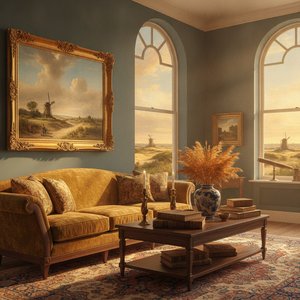
Golden Light & Dutch Skies: Bringing the Magic of Dutch Golden Age Landscapes into Your Home
Transform your home with the breathtaking light of Dutch Golden Age landscapes. Discover how hand-painted oil reproductions of masterworks like Ruisdael and Vermeer bring timeless elegance, atmosphere, and soulful texture to modern interiors. Elevate your space with museum-quality art.

