

 プレビュー
プレビュー
 プリントを購入
 シェアする
シェアする シェアする
シェアする
 詳細を見る
詳細を見る

 ダウンロード
 似ている作品
 X線調査
X線調査 スライドショー
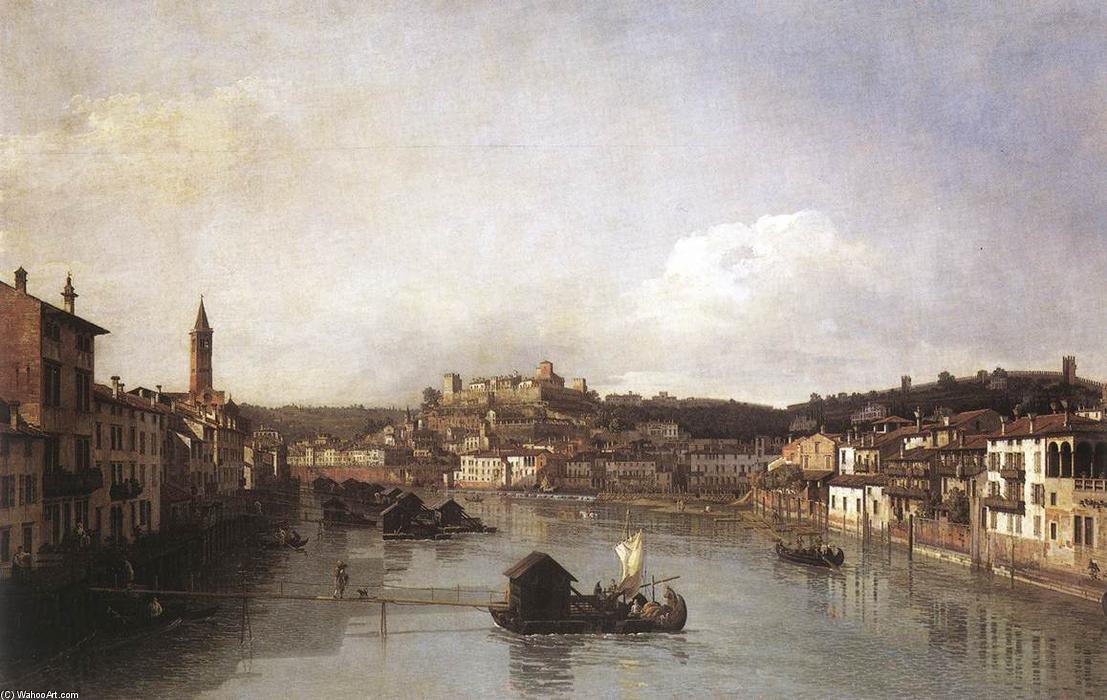
View of Verona and the River Adige from the Ponte Nuovo


 詳細を見る
詳細を見る
オンラインプレビューをはるかに凌ぐ、高解像度で鮮明なデジタル画像をご購入いただけます。
各ファイルは、社内の専門家が高度なツールと熟練した手作業によるレタッチを用いて、細心の注意を払って準備されています。すべての画像において、卓越した鮮明度、正確な色彩再現性、そして繊細なディテールを保証いたします。
最終ファイルは、プロフェッショナルな編集・印刷環境ですぐにご利用いただけるよう最適化された状態で、72時間以内にメールにてお届けいたします。これは、一流のデザインスタジオ、出版社、ギャラリーから信頼されているものと同等の品質です。
デジタル画像のご注文に付随する特典
高品質なデジタル画像配信を、確かな品質で。
ArtsDot.com を選ぶことは、単に画像を手に入れることではありません。それは、プロの手によって精密に仕上げられ、満足保証が付いた高品質なデジタルアートワークを受け取ることを意味します。ご注文いただいた際に自動的に付随する内容は、以下の通りです:

メールですぐにお届け
ご注文から72時間以内に、高解像度のデジタル画像ファイルがメールでお手元に届きます。すぐにそのままご利用いただけます。

AI技術で最適化されたデジタルファイル
お客様の作品は、高度なAIツールと専門家による手作業の編集を組み合わせてプロフェッショナルに最適化されており、細部のディテール、鮮明さ、そして正確な色再現性を最大限に引き出しています。

一生涯無料の再送サービス
ファイルを誤って削除したり、紛失してしまったりしましたか?ご安心ください。いつでも無料で再送いたします。

輸入手数料は一切かかりません
関税や手数料、配送料を気にすることなく、お気に入りのアートワークをすぐにお楽しみいただけます。デジタルダウンロードは常に免税です。

色彩再現の保証
プロ仕様のツールとカラーマネジメント技術を用いることで、デジタル画像が元の色を最大限に忠実に再現することを保証いたします。

60日間満足保証
ご購入いただいたデジタル画像にご満足いただけない場合は、60日以内であれば、修正または100%の返金(理由を問う必要はありません)をさせていただきます。

100% 返金保証
ご満足いただけない場合は、デジタルファイルを受け取ってから60日以内であれば、理由を問わず全額返金いたします。

まとめ買い割引
3枚購入で10%OFF - 5枚購入で15%OFF - 10枚以上購入で20%OFF。クリエイティブなプロジェクト、ギャラリー、エージェンシーに最適です。
Bernardo Bellotto’s Verona: A Venetian Echo in Saxon Light
The canvas before you—"View of Verona and the River Adige from the Ponte Nuovo"—isn't merely a depiction of a city; it’s a carefully constructed memory, a distillation of light and atmosphere captured by Bernardo Bellotto in 1747. This remarkable veduta, or cityscape painting, transports us to the heart of Renaissance Verona, not as it was then, but as it *felt* – a vibrant, bustling hub viewed through the discerning eye of a Venetian master. Bellotto, a nephew and student of the celebrated Canaletto, possessed a unique gift: he didn’t simply record what he saw; he imbued his scenes with an emotional resonance, a sense of lived experience that elevates these paintings beyond simple topographical representations.
Bellotto's style is immediately recognizable – a harmonious blend of classical precision and subtle Venetian flair. He adheres to the conventions of 18th-century veduta painting, employing a flattened perspective characteristic of the era, yet he avoids the rigid formality often associated with this genre. Instead, he masterfully manipulates light and shadow, creating an illusion of depth that draws the viewer into the scene. The muted palette—earthy browns, ochres, and subtle blues—evokes the diffused light of a Venetian afternoon, lending the painting a dreamlike quality. Notice how the reflections shimmering on the river’s surface subtly mirror the buildings lining its banks, doubling the visual information and creating a captivating sense of spatial ambiguity.
The Ponte Nuovo: A Window into Daily Life
The focal point of this composition is undoubtedly the Ponte Nuovo itself – a vital artery connecting Verona to the surrounding countryside. Bellotto doesn’t present a grand architectural statement; rather, he focuses on the everyday life unfolding along its banks. Small boats navigate the waterway, carrying goods and passengers, while figures in period dress bustle about their business. The inclusion of details like the floating mills grinding corn speaks volumes about the city's economic activity and the rhythms of daily existence. This wasn’t a scene designed for royalty or nobility; it was a snapshot of Verona as experienced by its citizens.
The architectural elements—the Castel San Pietro, the Tower of Sant’Anastasia—are rendered with meticulous detail, reflecting Bellotto's training under Canaletto and his deep understanding of perspective. However, unlike Canaletto’s often idealized representations, Bellotto subtly introduces a sense of wear and tear, suggesting the passage of time and the realities of urban life. The buildings aren’t flawlessly pristine; they possess a certain weathered charm that adds to the painting's authenticity.
A Masterpiece in Context: Dresden and Beyond
Bellotto’s journey as an artist was marked by significant shifts in patronage and location. Initially working in Venice, he later accepted commissions from European monarchs, culminating in his tenure in Dresden under King August III of Saxony-Poland. This period proved particularly fruitful for Bellotto, allowing him to develop a distinctive style characterized by its atmospheric depth and nuanced use of light. The present painting was created during this time, reflecting the influence of his experiences in the East.
Interestingly, Bellotto’s Dresden views were intended to preserve the memory of the city before it was ravaged by Napoleon's armies. He meticulously documented its monuments and buildings, creating a visual record that served as both a historical archive and an artistic statement. This dedication to preserving beauty in the face of destruction is evident in the care with which Bellotto renders each detail in "View of Verona," capturing not just the appearance of the city but also its essence.
Symbolism and Emotional Resonance
Beyond its technical brilliance, “View of Verona” possesses a subtle yet powerful symbolic resonance. The painting speaks to the enduring spirit of Venice—a city renowned for its beauty, resilience, and artistic legacy—and its influence on Bellotto’s work. The river itself acts as a metaphor for time, flowing relentlessly onward while carrying with it the memories of generations past. The muted colors and diffused light evoke a sense of tranquility and contemplation, inviting the viewer to lose themselves in the scene's timeless beauty.
Bellotto’s mastery lies not just in his technical skill but also in his ability to capture the *feeling* of a place—the warmth of the sun on stone, the murmur of voices in the streets, the sense of belonging that comes from being part of a vibrant community. This painting is more than just a landscape; it’s an invitation to step into another world and experience Verona through the eyes of a Venetian master.
関連作品

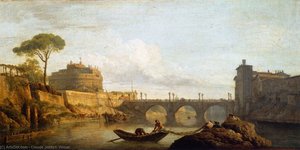
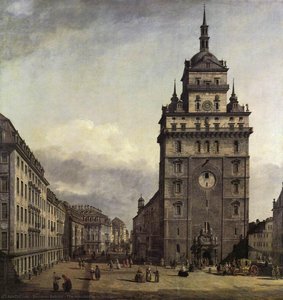
作家の略歴
初期の生活と修行
ベルナルド・ベロットは、1721年頃または1730年1月30日にヴェネツィアで生まれました。彼は有名なジョヴァンニ・アントニオ・カナル、通称カナルエットの甥であり弟子でした。カナルエットはヴェネツィア派絵画を代表する人物であり、ベロットはその才能をいち早く認められました。幼少の頃から風景描写に秀でており、叔父であるカナルエットからの指導を受けながら、独自の視点と技術を磨いていきました。初期の作品には、ヴェネツィアの美しい街並みや運河の風景が描かれており、その繊細な筆致と光の表現は、すでにベロットならではの個性が現れ始めていました。
芸術的スタイルとキャリア
ベロットの芸術的スタイルは、建築物や自然の景観を詳細に描写すること、そしてそれぞれの場所特有の光の質感を捉えることに特徴があります。都市の風景を描く卓越した才能により、彼はヨーロッパ各地の王侯貴族から招かれました。1742年にローマへ渡り、その後北イタリア(1744-1745年)を旅し、1747年にはポーランド国王アウグスト3世の依頼を受けてドレスデンに移りました。ドレスデンでの彼の作品は、戦争によって破壊される前の街並みを記録するものとして、貴重な歴史的資料となっています。その後、マリア・テレジア女帝からウィーンへの招請を受け(1758年)、ウィーンの建造物を描きました。
代表作と遺産
ベロットの代表的な作品としては、以下のものが挙げられます:
- 大運河の眺め:サンタ・マリア・デッラ・サルーテ教会とドガーナからカンポ・サンタ・マリア・ゾベニゴへ (1743)
- ヴェネツィア貴族の衣装をまとった自画像を含む建築 capriccio
彼の遺産は、単なる芸術作品にとどまらず、戦争によって破壊された都市の再建のための貴重な資料として活用されています。ベロットの絵画は、失われた街並みを忠実に再現するための重要な手がかりとなり、都市計画や建築復興に貢献しています。
影響と発展
ベロットの作品は、叔父であるカナルエットからの影響を強く受けていますが、より詳細な描写と光の表現において独自のスタイルを確立しました。特に、ドレスデンやウィーンで描かれた都市風景は、その精密さとリアリズムによって高く評価されています。彼は、単に街並みを記録するだけでなく、そこに生きる人々の生活や雰囲気を描き出すことに情熱を注ぎました。彼の作品には、当時の社会状況や文化背景が反映されており、歴史研究においても重要な価値を持っています。
歴史的意義
ベロットの絵画は、18世紀ヨーロッパにおける都市風景画の代表的な存在として、その地位を確立しています。彼の作品は、単なる美しい風景を描くだけでなく、都市の歴史や文化を記録し、後世に伝えるという重要な役割を果たしました。また、彼の技術と表現方法は、多くの画家たちに影響を与え、都市風景画の発展に貢献しました。今日でも、ベロットの絵画は世界中の美術館やコレクションで高く評価され、多くの人々に感動を与え続けています。彼の作品を鑑賞することで、私たちは18世紀ヨーロッパの街並みや文化、そして当時の人々の生活を知ることができます。
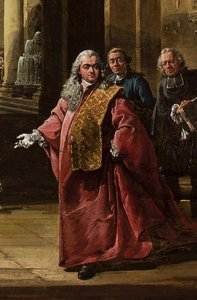
ベルナルド・ベッロット
1721 - 1780 , イタリア
プロフィール概要
- Artistic Movement Or Style: ヴェドゥータ絵画
- Artists Or Movements Influenced By This Artist: ['都市再建']
- Artists Who Influenced This Artist: ['ジョヴァンニ・アントニオ・カナル']
- Date Of Birth: 1721年頃
- Date Of Death: 1780年
- Full Name: ベルナルド・ベロット
- Nationality: イタリア人
- Notable Artworks (List Of Titles):
- 大運河の眺め
- 建築的幻想曲
- Place Of Birth (City And Country): ヴェネツィア、イタリア

