

 プリントを購入
 シェアする
シェアする シェアする
シェアする
 詳細を見る
詳細を見る

 ダウンロード
 似ている作品
 スライドショー
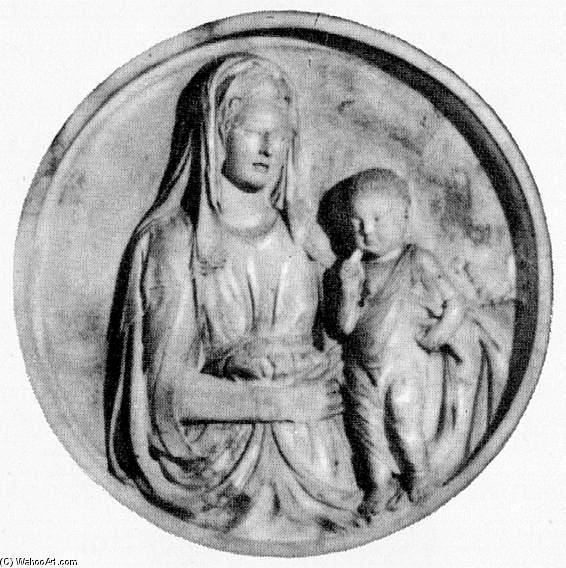
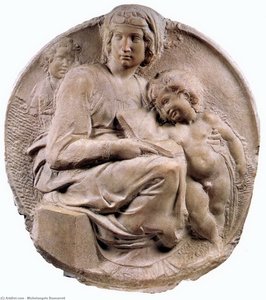
Tondo from the Tomb of Leonardo Bruni


 詳細を見る
詳細を見る
オンラインプレビューをはるかに凌ぐ、高解像度で鮮明なデジタル画像をご購入いただけます。
各ファイルは、社内の専門家が高度なツールと熟練した手作業によるレタッチを用いて、細心の注意を払って準備されています。すべての画像において、卓越した鮮明度、正確な色彩再現性、そして繊細なディテールを保証いたします。
最終ファイルは、プロフェッショナルな編集・印刷環境ですぐにご利用いただけるよう最適化された状態で、72時間以内にメールにてお届けいたします。これは、一流のデザインスタジオ、出版社、ギャラリーから信頼されているものと同等の品質です。
デジタル画像のご注文に付随する特典
高品質なデジタル画像配信を、確かな品質で。
ArtsDot.com を選ぶことは、単に画像を手に入れることではありません。それは、プロの手によって精密に仕上げられ、満足保証が付いた高品質なデジタルアートワークを受け取ることを意味します。ご注文いただいた際に自動的に付随する内容は、以下の通りです:

メールですぐにお届け
ご注文から72時間以内に、高解像度のデジタル画像ファイルがメールでお手元に届きます。すぐにそのままご利用いただけます。

AI技術で最適化されたデジタルファイル
お客様の作品は、高度なAIツールと専門家による手作業の編集を組み合わせてプロフェッショナルに最適化されており、細部のディテール、鮮明さ、そして正確な色再現性を最大限に引き出しています。

一生涯無料の再送サービス
ファイルを誤って削除したり、紛失してしまったりしましたか?ご安心ください。いつでも無料で再送いたします。

輸入手数料は一切かかりません
関税や手数料、配送料を気にすることなく、お気に入りのアートワークをすぐにお楽しみいただけます。デジタルダウンロードは常に免税です。

色彩再現の保証
プロ仕様のツールとカラーマネジメント技術を用いることで、デジタル画像が元の色を最大限に忠実に再現することを保証いたします。

60日間満足保証
ご購入いただいたデジタル画像にご満足いただけない場合は、60日以内であれば、修正または100%の返金(理由を問う必要はありません)をさせていただきます。

100% 返金保証
ご満足いただけない場合は、デジタルファイルを受け取ってから60日以内であれば、理由を問わず全額返金いたします。

まとめ買い割引
3枚購入で10%OFF - 5枚購入で15%OFF - 10枚以上購入で20%OFF。クリエイティブなプロジェクト、ギャラリー、エージェンシーに最適です。
A Glimpse of Renaissance Devotion: The Tondo from the Tomb of Leonardo Bruni
Bernardo Rossellino’s “Tondo from the Tomb of Leonardo Bruni,” crafted in 1444, is more than just a marble relief; it's a poignant distillation of early Renaissance ideals – a testament to humanist thought, familial love, and the enduring power of faith. This circular masterpiece, originally intended to grace the tomb of Florence’s esteemed scholar, Leonardo Bruni, offers a remarkably intimate portrayal of Mary holding her child, a scene deeply resonant with iconography and emotional depth. The grayscale photograph we examine today captures not merely an image, but a moment frozen in time, revealing the subtle artistry and profound symbolism woven into its very fabric.
The composition is strikingly simple yet profoundly effective. A woman, presumably Mary, stands serenely, her gaze directed towards the youthful figure of Jesus at her side. The child’s profile view – a classic Renaissance technique – draws the viewer's eye and establishes a clear sense of connection and protection. Rossellino masterfully employs the principles of relief sculpture to create a convincing illusion of three-dimensionality; the gentle curves of drapery, the subtle modeling of flesh, all contribute to a palpable sense of presence. The circular form itself is significant, often interpreted as representing eternity or wholeness – a visual metaphor for the divine and the enduring nature of family bonds.
Craftsmanship and Technique: Echoes of Classical Ideals
Rossellino’s skill as a sculptor is immediately apparent in the meticulous detail and refined execution. Carved directly from marble, the relief showcases a mastery of technique characteristic of the early Renaissance. The smooth surfaces in areas of polished stone contrast beautifully with the subtly textured patches where the carving reveals the raw material – a deliberate choice that adds visual interest and hints at the sculpture’s age. The lines are defined by the precise cuts made into the marble, creating a network of contours that delineate the figures' forms and drapery with remarkable clarity. The use of *contrapposto*, evident in Mary’s stance, subtly echoes classical Greek ideals of balance and harmony.
The piece is firmly rooted within the artistic context of its time. Rossellino, influenced by masters like Brunelleschi and Masaccio, sought to revive the principles of classical art – particularly those relating to proportion, perspective, and realism. However, he didn’t simply replicate ancient forms; instead, he adapted them to express contemporary humanist values. The emphasis on human emotion and the portrayal of a tender maternal relationship reflect the burgeoning interest in individual experience that defined the Renaissance.
Symbolism and Emotional Resonance
Beyond its technical brilliance, the “Tondo from the Tomb of Leonardo Bruni” is rich in symbolic meaning. The depiction of Mary and Jesus as a mother and child is a deeply ingrained motif within Western art, representing not only divine grace but also the fundamental values of love, protection, and sacrifice. The circular form reinforces this theme of eternity and wholeness, suggesting that this intimate scene transcends time and space. Furthermore, the inclusion of Leonardo Bruni’s name on the tomb itself underscores the importance of human achievement and intellectual legacy – a key tenet of Renaissance humanist thought.
Looking closely, one can sense a profound serenity and piety emanating from the sculpture. The figures are depicted with an almost ethereal quality, their expressions conveying a quiet dignity and devotion. It’s a scene that invites contemplation and evokes feelings of warmth, tenderness, and spiritual connection – qualities that continue to resonate powerfully with viewers today. The “Tondo” serves as a poignant reminder of the enduring power of art to capture and communicate universal human emotions.
A Reproduction for Your Space: Bringing Renaissance Beauty Home
ArtsDot offers meticulously hand-painted reproductions of this extraordinary piece, capturing its beauty and nuance with unparalleled detail. Our skilled artists recreate Rossellino’s masterful carving, faithfully reproducing the textures, tones, and subtle nuances of the original marble relief. Whether you're an art enthusiast, a collector seeking to enrich your collection, or simply someone looking for a timeless work of art to enhance your interior space, our reproduction provides a stunning and authentic representation of this Renaissance treasure. Experience the serenity and devotion embodied in “Tondo from the Tomb of Leonardo Bruni” – a piece that will undoubtedly become a cherished focal point in your home.
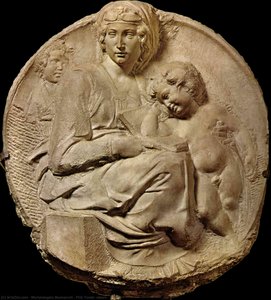
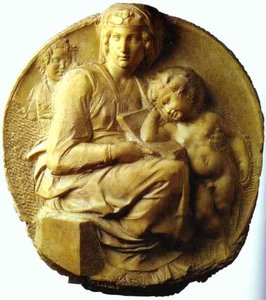
関連作品
作家の略歴
Bernardo Rossellino: The Florentine Renaissance Architect
Bernardo di Matteo del Borra Gamberelli, affectionately known as Bernardo Rossellino (1409–1464), stands as a cornerstone of Early Renaissance art and architecture in Florence. His legacy extends far beyond his prolific output; he embodies the spirit of innovation and humanist ideals that defined the era, shaping artistic sensibilities for generations to come. Born into a family rooted in Florentine stonemasonry—his uncle Jacopo di Domenico di Luca del Borra Gamberelli imparted foundational skills—Rossellino’s trajectory mirrored the burgeoning dynamism of his time.- Early Life and Training: Little is known about Rossellino's formative years beyond his familial connection to stonemasonry. However, evidence suggests he honed his craft under Nanni di Bartolo, “il Rosso,” a pivotal figure in Florentine sculpture who championed classical ideals.
- The Influence of Brunelleschi and Masaccio: Like many artists of his generation, Rossellino absorbed the revolutionary aesthetic pioneered by Filippo Brunelleschi and Masaccio. Their embrace of linear perspective and idealized human form profoundly impacted Rossellino’s artistic vision—a conviction that would permeate his subsequent endeavors.
Arezzo and the Misericordia Facade: A Bold Experiment in Synthesis
Rossellino's career gained prominence in 1433 when he accepted a commission from the Fraternita di Santa Maria della Misericordia to revitalize the façade of their headquarters in Arezzo. This project presented an extraordinary challenge—the existing Gothic structure demanded a radically different approach. Demonstrrating remarkable ingenuity, Rossellino fused Gothic elements with classical principles, mirroring Alberti’s pioneering efforts at Santa Maria Novella. The resulting design incorporated paired pilasters and aediculae derived from Roman architectural models, establishing Rossellino as a champion of stylistic eclecticism—a hallmark of the Florentine Mannerist style.The Leonardo Bruni Tomb: Defining the Humanist Monument
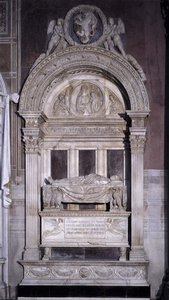
Perhaps Rossellino’s most celebrated achievement was the tomb he conceived for Leonardo Bruni, Florence's humanist historian and chancellor. Despite the lack of surviving documentation regarding its precise design—two sixteenth-century sources attribute authorship to Rossellino—scholars concur that it exemplifies the zenith of Renaissance sculptural artistry. The tomb’s harmonious composition—characterized by a shallow wall niche framed by pilasters and topped with an arched vault—reflected Bruni's intellectual pursuits and embodied the humanist ideal of unity—a concept championed by Alberti.Rome and Papal Patronage: Mastering Classical Revival
Rossellino’s artistic reputation soared during his tenure in Rome under Pope Nicholas V. He undertook monumental projects, including the restoration of St. Peter's Basilica and the expansion of its choir—tasks that cemented his position as a leading architect of the era. Furthermore, he collaborated with Michelangelo on the rebuilding of St. Peter's, demonstrating an unparalleled understanding of classical architectural techniques.Legacy and Influence
Bernardo Rossellino’s workshop dominated Florentine stonemasonry throughout the 1450s and 1460s, fostering a vibrant artistic environment. His influence extended beyond his own creations—he mentored younger sculptors like Desiderio da Settignano and Michelangelo—propagating his distinctive Mannerist style across Florence. Most notably, Rossellino’s tomb for Bruni served as a template for subsequent funerary monuments, establishing him as the progenitor of the humanist tomb tradition—a testament to his enduring contribution to Renaissance art history.
Bernardo Rossellino
1409 - 1464 , Italy
プロフィール概要
- Artistic Movement Or Style: Early Renaissance
- Artists Or Movements Influenced By This Artist: ['Alberti']
- Artists Who Influenced This Artist:
- Brunelleschi
- Donatello
- Ghiberti
- Masaccio
- Date Of Birth: Florence, Italy (1409)
- Date Of Death: 1464
- Full Name: Bernardo di Matteo del Borra Gamberelli
- Nationality: Italian
- Notable Artworks:
- Leonardo Bruni Tomb
- Madonna of Mercy Relief
- Cardinal Portugal Tomb
- Place Of Birth: Florence

