 プレビュー
プレビュー
 プリントを購入
 シェアする
シェアする シェアする
シェアする
 詳細を見る
詳細を見る

 ダウンロード
 似ている作品
 X線調査
X線調査 スライドショー
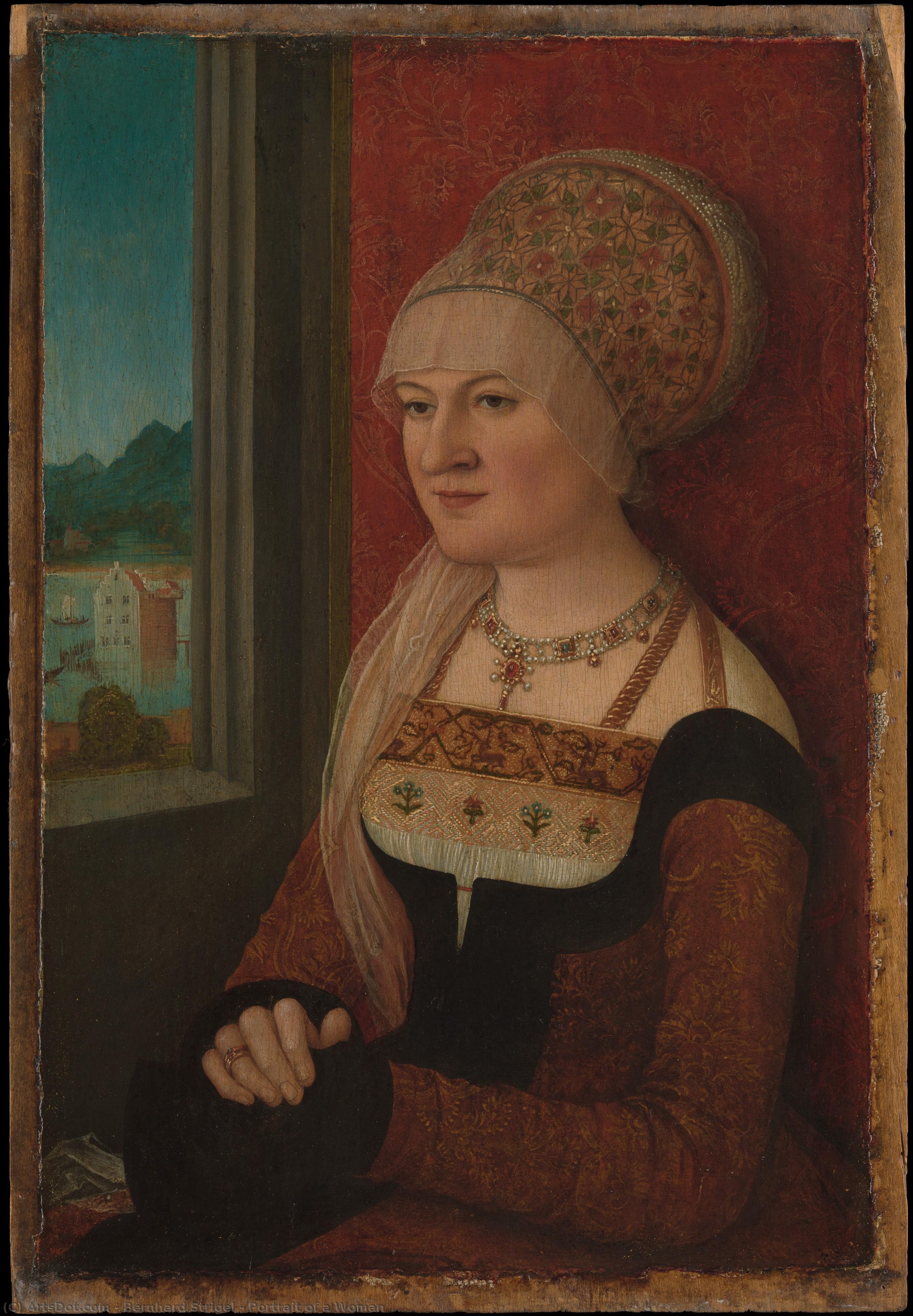
Portrait of a Woman
 Acrylic On Canvas
- WallArt
- Swabian School of Painting
 1510
1510 38.0 x 27.0 cm
 メトロポリタン美術館
 詳細を見る
詳細を見る




P118B $10

P118H $10

P118W $10

P438Z $10

P508JH $12

P508YH $12

P805H $10

P805Z $10

P919BZ $10

P919G $10

P919XJ $10

P959ZH $10

P968JZ $12

W106C $8

W218G $10

W218JH $8

W218Y $10

W307PJ $10

W316G $10

W316PJ $8

W316Y $10

W398PJ $8

W4111J $10

W500HY $15

W500JH $15

W692G $12

W849H $8

W940BG $15

W953PJ $8




作品のオリジナル比率に合わせた、当店の規定サイズからお選びください。

特定のフレームやスペースに合わせて、ご希望のサイズをご入力いただけます。選択されたサイズが元の画像の比率と異なる場合、アートワークをトリミングするか、手描きで要素を追加して絵画を拡張いたします。デジタルモックアップ を制作し、制作開始前にご確認(承認)をいただきます。
画面上のプレビューは、実際のトリミングや拡張を正確に反映しているものではありません。最終的な構図は、モックアップによってのみ正確にご確認いただけます。
カスタムサイズもご利用いただけますが、元の比率を維持するためには、あらかじめ用意されたリストからサイズを選択することをお勧めいたします。
ご注文後、ArtsDot.com チームより詳細な指示をお送りするとともに、仕上がりイメージ(モックアップ)をご提供いたします。


 ガラスオプションは、110cm未満のサイズでのみご利用いただけます。

Portrait of a Woman
複製技法
複製画のサイズ
-


合計金額
$ 263
作品解説
A Glimpse of Renaissance Elegance: Portrait of a Woman by Bernhard Strigel
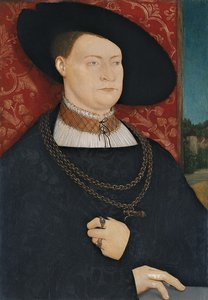
Bernhard Strigel’s “Portrait of a Woman,” painted circa 1510-15, offers a captivating window into the refined tastes and social dynamics of early sixteenth-century Germany. More than just a likeness, this painting is a meticulously crafted tableau vivant—a snapshot of wealth, status, and the burgeoning artistic sensibilities of the era. Strigel, a pivotal figure in the Swabian School, masterfully employed his signature luminous color palette and exacting detail to capture not merely a face, but an entire persona, hinting at a life lived within the opulent circles of Memmingen society.
The subject herself remains shrouded in mystery, though her attire provides compelling clues. The elaborate gown, adorned with imported fabrics—likely velvet and silk—and shimmering jewelry speaks volumes about her family’s prosperity and connections. The choice of a dark, rich color scheme, contrasted against the lighter tones of her clothing and the backdrop of an open window framing a distant landscape, immediately establishes a sense of formality and grandeur. The inclusion of decorative textile hangings in the background further reinforces this impression, suggesting that the portrait was intended to be displayed prominently within a wealthy household—a testament to both the sitter’s status and the family's artistic patronage.
Technique and Artistic Style
Strigel’s skill lies not only in his ability to render realistic details but also in his masterful manipulation of light and shadow. He utilizes a technique known as “pointillé,” applying numerous tiny, closely spaced dots of paint to create the illusion of texture and depth—particularly evident in the fabric of her gown and the delicate rendering of her jewelry. This meticulous approach lends the portrait an almost photographic quality, capturing the subtle nuances of form and color with remarkable precision.
The composition is carefully balanced, drawing the viewer’s eye to the sitter's face – a study in serene composure. Her gaze, directed towards the unseen landscape beyond the window, conveys a sense of quiet contemplation, inviting us to imagine her thoughts and experiences. The subtle modeling of her features—the delicate curve of her lips, the slight furrow of her brow—reveals a remarkable understanding of human anatomy and expression.
Historical Context and Symbolism
To understand “Portrait of a Woman,” it’s crucial to consider the broader historical context. The early sixteenth century was a period of significant artistic innovation in Germany, marked by the influence of both Gothic traditions and emerging Renaissance ideals. Strigel's work reflects this dynamic interplay, blending established techniques with new approaches to perspective, color, and realism.
The portrait’s symbolism is equally intriguing. The open window, a recurring motif in Strigel’s work, represents not just a view of the outside world but also a connection between the interior and exterior realms—a metaphor for the sitter's position within society. Her luxurious attire symbolizes her wealth and social standing, while her contemplative gaze suggests a degree of intellectual curiosity and perhaps even a subtle defiance of societal expectations.
A Timeless Portrait
“Portrait of a Woman” is more than just a beautiful painting; it’s a compelling document of its time—a testament to the artistic skill of Bernhard Strigel and a window into the lives of those who inhabited the opulent courts of Renaissance Bavaria. Its luminous colors, meticulous detail, and subtle symbolism continue to captivate viewers centuries later, reminding us of the enduring power of art to illuminate both the past and the present.
関連作品
アーティストの略歴
ベルンハルト・シュトリゲル:光り輝く遺志
中世の世界がルネサンスの黎明へと道を譲り始めた頃、シュヴァーベン地方の風景のただなかに、光と人間存在の巨匠としてベルンハルト・シュトリゲルは姿を現しました。1461年頃にメムニンゲンで生まれたシュトリゲルは、単に人物を描いたのではありません。彼は色彩と形態を緻密に操ることで、描かれたものに命を吹き込んだのです。その芸術的な歩みは、ゴシック様式の構造化された伝統から、ドイツ・ルネサンスを定義づけることになる、より繊細で観察眼に優れた様式へと向かう、深い進化の過程でもありました。シュヴァーベン派の極めて重要な人物として、彼の作品は中世の精神的な情熱と、16世紀の人文主義的な明晰さを結びつける、不可欠な架け橋としての役割を果たしています。
シュトリゲルの天才性の礎は、家族経営の工房という親密な環境の中で築かれました。父ハンス・シュトリゲルによる指導を受け、ウルムの高名な巨匠ツァイトブルムの影響を受けた若き芸術家は、北欧ルネなるルネサンス美術を特徴づける微細なディテールを見極める眼を養いました。この初期の修行は、現実の質感に対する深い畏敬の念を彼の中に植え付けました。それは、ベルベットのローブの重厚な襞、真珠のほのかな光沢、そして蝋燭の光に照らされた肌の柔らかな輝きといったものです。彼の初期の構図には、ロヒール・ファン・デル・ウェイデンやディルク・ボーツといった巨匠たちの残響を辿ることができ、そこでは深い信仰心と、科学的とも言えるほどの緻密な細部表現が融合しています。
皇帝の寵愛と肖像画の芸術
地方の才能からヨーロッパにおける著名な芸術家へとシュトリゲルを押し上げたのは、当時の最も強力なパトロンであった神聖ローマ皇帝マクシミリアン1世の存在でした。視覚的な記録や歴史的文書に対して飽くなき渇望を持っていた皇帝は、シュトリゲルの中に、単なる外見の類似性だけでなく、権威と高貴さの本質そのものを捉える類まれな能力を見出したのです。この関係はシュトリゲルのキャリアを一変させ、アウクスブルク、インスブルック、そしてウィーンといった文化の中心地を巡る壮大な芸術的遠征へと彼を導きました。皇帝の宮廷に身を置くことで、彼はその時代の最も重要な政治的・社会的物語に直接関与することとなったのです。
肖像画の歴史における彼の最も永続的な貢献は、おそらくハプスブルク家とヤギェロニ家の婚姻交渉という重大な局面における役割にあります。1515年、ウィーンへと召喚されたシュトリゲルは、変貌を遂げつつあったヨーロッパの顔々を記録するという任務を担いました。この時代の彼の肖像画は、驚くべき明晰さと、単なる記録を超越した心理的な深みを特徴としています。彼の筆致を通じて、被写体たちは静かな尊厳と、絵具の背後から魂が覗いているかのような光り輝く質感を纏っています。これらの作品は単に歴史を記録するだけでなく、歴史に人間味を与え、ルネサンスのエリートたちの顔へと私たちを誘う親密な窓となっているのです。
技法と伝統の傑作
ベルンハルト・シュトリゲルの技術的な輝きは、その光輝(ルミノシティ)の習熟に最も顕著に表れています。彼は、光が単に表面で反射するのではなく、絵画の内側から放たれているかのように操る稀有な能力を持っていました。この技法は、洗練された色彩パレットの使用と相まって、物理的な実在感と精神的な高揚感を同時に感じさせる作品を生み出しました。大規模な歴史画であれ、親密な個人肖像画であれ、細部へのこだわりが揺らぐことはありませんでした。
彼の芸術的功績は、そのキャリアにおけるいくつかの重要な柱に集約されます:
- 様式の融合:ウルム派の緻密なディテールと、勃興しつつあったルネサンスの自然主義を見事に融合させたこと。
- 帝国の記録者:神聖ローマ皇帝マクティミリアン1世の主要な視覚的記録者として、ヨーロッパ王族の顔々を捉えたこと。
- 色彩の極致:鮮やかで光り輝くパレットを用い、静止した形態に生命感と躍動感をもたらしたこと。
- 歴史的意義:ゴシック様式の象徴主義からルネサンスの人文主義への移行期において、ドイツ絵画の進化における決定的な結節点となったこと。
今日においても、ベルンハルト・シュトリゲルの作品は、深い変革の時代を物語る証として存在し続けています。一瞬の儚い光を捉え、それを油彩やテンペラの永続性の中に保存する彼の能力は、その遺志が今なお響き続けることを約束しています。シュトリゲルの肖像画を仰ぎ見ることは、シュヴァーベン・ルネサンスの精神そのものに出会うことです。それは、一筆一筆が目に見える世界の美しさへの献身である、そんな世界なのです。
ベルンハルト・シュトリゲル
1461 - 1528 , ドイツ
基本情報
- Artistic Movement Or Style: シュヴァーベン派
- Artists Or Movements Influenced By This Artist:
- ドナウ派
- ルネサンス絵画
- Artists Who Influenced This Artist:
- ツァイトブルム
- ハンス・シュトリゲル
- ロヒール・ファン・デル・ウェイデン
- デューラー
- ハンス・ホルバイン
- Date Of Birth: ドイツ、メムミンゲン (1461年)
- Date Of Death: 1528年
- Full Name: ベルンハルト・シュトリゲル
- Nationality: ドイツ
- Notable Artworks:
- 聖母マリアとヨセフ、幼子イエス
- 皇帝マクシミリアン1世
- ハンガリー王ラヨシュ2世の肖像
- 聖カタリナと聖ドロテア
- 聖母祭壇画
- Place Of Birth: メムミンゲン
関連記事

German Expressionism's 10 Defining Masterpieces | Art for Your Home
Explore 10 defining German Expressionism masterpieces – from Munch's 'The Scream' to Kandinsky’s abstracts. Discover the artists, stories & bold colors behind this powerful art movement. Find museum-quality reproductions at ArtsDot.com.
The Enduring Legacy of Formal Portraiture: Power, Identity & Artistic Exploration
Explore the rich history of formal portraiture & its enduring power to capture identity and shape perception. Discover investment-worthy artworks, expert appraisals, and custom reproduction services at ArtsDot.
The Grandeur of Presence: Exploring Representations of Stately Bearing in Western Portraiture
Explore the art of stately bearing in Western portraiture with expert analysis of Renaissance & Baroque masterpieces. Discover symbolism, techniques, and the legacy of iconic portraits – a guide for discerning collectors.
The Enduring Gaze: Portraiture's Historical & Psychological Evolution
Explore the rich history of portraiture with expert analysis from ArtsDot. Discover iconic Renaissance masterpieces, symbolism & techniques that shaped identity. Find museum-quality art for your collection.
The Enduring Gaze: A Historical & Artistic Exploration of Portraiture Across Cultures
Explore the rich history of portraiture with ArtsDot.com! Discover symbolism, techniques & master artists from antiquity to modern times. Expert insights for art collectors.