 プレビュー
プレビュー
 プリントを購入
 シェアする
シェアする シェアする
シェアする
 詳細を見る
詳細を見る

 ダウンロード
 似ている作品
 X線調査
X線調査 スライドショー
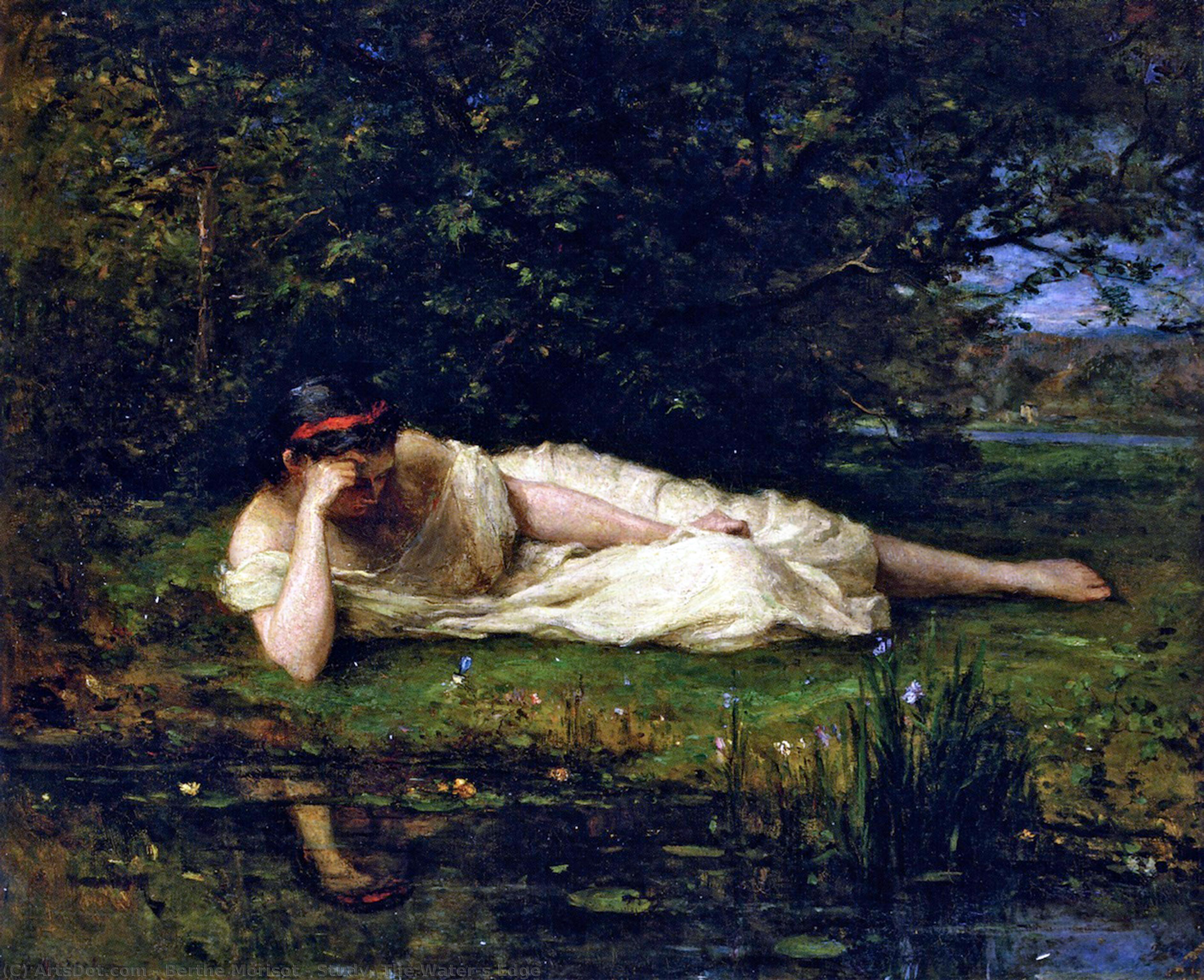
Study, The Water's Edge
 Oil On Canvas
- WallArt
- Impressionist Movement
 1864
1864- 19th Century
 60.0 x 73.0 cm
 詳細を見る
詳細を見る




P118B $10

P118H $10

P118W $10

P438Z $10

P508JH $12

P508YH $12

P805H $10

P805Z $10

P919BZ $10

P919G $10

P919XJ $10

P959ZH $10

P968JZ $12

W106C $8

W218G $10

W218JH $8

W218Y $10

W307PJ $10

W316G $10

W316PJ $8

W316Y $10

W398PJ $8

W4111J $10

W500HY $15

W500JH $15

W692G $12

W849H $8

W940BG $15

W953PJ $8




作品のオリジナル比率に合わせた、当店の規定サイズからお選びください。

特定のフレームやスペースに合わせて、ご希望のサイズをご入力いただけます。選択されたサイズが元の画像の比率と異なる場合、アートワークをトリミングするか、手描きで要素を追加して絵画を拡張いたします。デジタルモックアップ を制作し、制作開始前にご確認(承認)をいただきます。
画面上のプレビューは、実際のトリミングや拡張を正確に反映しているものではありません。最終的な構図は、モックアップによってのみ正確にご確認いただけます。
カスタムサイズもご利用いただけますが、元の比率を維持するためには、あらかじめ用意されたリストからサイズを選択することをお勧めいたします。
ご注文後、ArtsDot.com チームより詳細な指示をお送りするとともに、仕上がりイメージ(モックアップ)をご提供いたします。


 ガラスオプションは、110cm未満のサイズでのみご利用いただけます。

Study, The Water's Edge
複製技法
複製画のサイズ
-


合計金額
$ 263
作品解説
A Moment of Quietude: Berthe Morisot's "Study, The Water’s Edge"
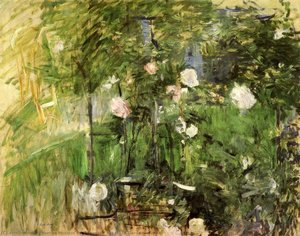
Berthe Morisot’s “Study, The Water’s Edge,” painted in 1864, is more than just a depiction of a serene lakeside scene; it’s an intimate glimpse into the heart of Impressionism. This small canvas – measuring 60 x 73 cm – vibrates with a delicate energy, capturing not just what Morisot saw but also the fleeting emotions and sensations of that particular moment. The painting immediately draws the viewer in with its soft palette and loose brushstrokes, hallmarks of the movement’s revolutionary approach to light and color. It's a testament to Morisot’s ability to transform everyday observations into profound statements about beauty and perception.
- Subject Matter: The composition centers around a woman reclining gracefully on the grass beside a tranquil body of water, likely a pond or small river. This wasn’t simply a portrait; it was an exploration of the female form within a natural setting – a theme central to Morisot's artistic concerns.
- Technique: Morisot employs a characteristic Impressionist technique, utilizing short, broken brushstrokes to build up color and texture. The paint isn’t blended smoothly; instead, it retains its individual marks, creating a shimmering effect that mimics the play of light on water and foliage. Notice how she captures the reflections, subtly distorting the landscape with each ripple.
- Color Palette: The dominant colors – muted greens, blues, and browns – evoke a sense of tranquility and harmony. Morisot’s masterful use of color creates an atmosphere of warmth and serenity, inviting the viewer to step into the scene.
Impressionism's Embrace of Light and Atmosphere
“Study, The Water’s Edge” exists within a pivotal moment in art history – the rise of Impressionism. Emerging in late 19th-century France, this movement challenged the established academic traditions that prioritized detailed realism and historical or mythological subjects. Instead, Impressionists like Morisot sought to capture the immediate sensory experience of the world, focusing on the effects of light and atmosphere at a specific moment in time. This painting exemplifies this approach perfectly; it’s not about rendering an accurate representation of the scene but rather conveying the *impression* of it – the feeling of warmth, stillness, and beauty.
Morisot's contemporaries, including Claude Monet and Pierre-Auguste Renoir, were equally invested in exploring these new artistic possibilities. Their shared interest in outdoor settings and their innovative techniques helped to shape the course of modern art. Studying Morisot’s work alongside theirs provides a deeper understanding of the movement’s core principles and its lasting impact.
Symbolism and Narrative
Beyond its technical brilliance, “Study, The Water’s Edge” possesses subtle layers of meaning. The woman's pose – reclining on the grass, seemingly lost in thought – invites contemplation about her inner life. The bird soaring above adds a touch of dynamism to the scene, suggesting freedom and escape. Even the inclusion of the hat with its feather hints at elegance and perhaps a connection to nature’s beauty. Morisot was interested in capturing not just appearances but also the emotional resonance of her subjects.
The setting itself – a quiet lakeside – has symbolic weight. Water is often associated with reflection, transformation, and the subconscious mind. The scene evokes a sense of peace and solitude, inviting the viewer to share in the artist’s contemplative mood.
A Timeless Masterpiece
"Study, The Water's Edge" remains a beloved work within the Impressionist canon, celebrated for its serene beauty and Morisot’s exceptional skill. It is a powerful reminder of the importance of capturing fleeting moments and appreciating the simple pleasures of nature. Its availability as a handmade oil painting reproduction ensures that this exquisite artwork can be enjoyed in any setting, bringing a touch of Impressionistic elegance to your home or office.
関連作品
アーティストの略歴
光と親密さに浸された生涯
1841年、フランスのブールジュに生まれたベルト・モリゾは、印象派運動における極めて重要な人物としてその名を刻みました。しかし、彼女の物語は単なる「女性印象派画家」という言葉の枠組みを遥かに超えています。彼女を性別のみで定義することは、その芸術的ビジョンの深い独創性と、現代生活の移ろいゆきゆく瞬間を捉えようとした揺るぎない情熱を軽視することに他なりません。ロココ様式の巨匠ジャン=オノレ・フラゴナールとも縁のある、芸術的な血筋を持つブルジョワ家庭に生まれたモリゾは、当時の女性としては珍しい教育を受けました。その教育は彼女の天賦の才能を育み、生涯にわたる絵画への献身を形作ることとなったのです。ジョフロワ=アルフォンス・ショカルヌやジョゼフ・ギュシャールによる初期のレッスンが基礎的な技術を授けましたが、彼女の芸術的感性を真に燃え上がらせたのは、ルーヴル美術館で名画に触れ、巨匠たちの作品を模写した経験でした。この厳格な修練の時期が、後の光、色彩、そして形態への探求の礎となったのです。特にジャン=バティスト=カミーユ・コローの影響は甚大であり、自然から直接描く「外光派(プレネール)」の手法はモリゾの画風の柱となり、光と大気の儚い性質を驚くほど繊細に捉えることを可能にしました。印象派の輪の中で
モリゾの芸術的な歩みは、1864年に出会ったエドゥアール・マネの軌跡と密接に絡み合っています。二人の関係は相互の尊敬と知的な交流に満ちたものであり、マネは師であり友人でもありました。彼は彼女を何度も描き、自身の進化し続ける画風の中に彼女の存在を永遠に刻み込みました。しかし、モリゾは単なるモデルに留まりませんでした。彼女は勃興しつつあった印象派運動に積極的に参画し、モネ、ドガ、ルノワール、ピサロと共に創設メンバーの一人となったのです。1874年、彼女は公式サロンの保守的な基準に抗い、「拒絶された」芸術家たちと共に大胆にも展覧会を開催しました。この第1回印象派展は、伝統的なアカデズムの慣習に挑戦し、新たな芸術表現の道を切り拓いた美術史の転換点となりました。その後もモリゾはほぼすべての印象派展に参加し続け、独自の視点を提示することでアヴァンギャルド(前衛)における地位を確固たるものにしました。読書にふける女性、子供を抱く母親、庭園での穏やかなひとときといった、親密な家庭生活の情景を描いた彼女の作品は、明確に「女性的な眼差し」を提示し、当時の社会規範に挑みながら、女性画家が描くべき主題の範囲を大きく広げたのです。独自の芸術的語り口
モリゾを際立たせているのは、単に「何を描いたか」ではなく、「いかに描いたか」という点にあります。彼女の筆致は繊細な流動性を特徴とし、その軽やかなタッチは、即興性と直接的な感覚を伝えてくれます。彼女は「筆触分割(分割された色彩)」を見事に操り、純粋な顔料の小さなストロークを隣り合わせに置くことで、光と大気がきらめくような効果を生み出しました。壮大な風景や賑やかな街並みに焦点を当てた他の印象派の仲間たちとは異なり、モリゾはしばしば親密な室内画や肖像画を選び、人間関係の機微や日常の静かな美しさを探求しました。そのパレットは概して柔らかく調和しており、パステル調の色合いや繊細な色彩の階調を好みました。これは彼女の作品に力強さが欠けているという意味ではありません。むしろ、洗練された優雅さと感情的な深みを備えており、それは現代の鑑賞者の心にも深く響き続けています。ギュスターヴ・ジェフロのような批評家もこの比類なき質を見抜き、マリー・ブラックモンやメアリー・カスットと並び、彼女を印象派の「三人の偉大な女性(les trois grandes dames)」の一人と称え、運動への多大な貢献を認めました。遺産と永続する影響
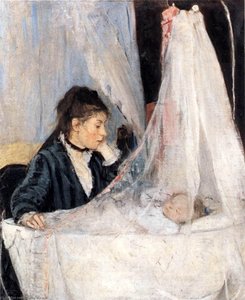
ベルト・モリゾの生涯は1895年に悲劇的な早すぎる死によって断たれましたが、彼女の芸術的遺産は今もなお生き続けています。エドゥアールの弟であるウジェーヌ・マネと結婚し、女性画家が過小評価されがちな世界を歩みながらも、彼女は揺るぎない決意を持って前進し続けました。彼女はあえて旧姓のまま展示を行い、それは自立と自己主張を示す密かな抵抗でもありました。彼女の作品は、その繊細な美しさ、感情的な誠実さ、そして革新的な技法によって、今も観る者を魅了して止みません。モリゾの影響は印象派という領域を超え、女性が芸術的な卓越性を達成し、美術史の進化に有意義に貢献できることを証明することで、次世代の女性アーティストたちの道を切り拓きました。今日、彼女の絵画は世界中の権威あるコレクションに収蔵されており、その不朽の才能と、近代美術を形作る上で果たした極めて重要な役割の証となっています。『緑のドレスの女』、『ゆりかご』、そして『夏の日』といった作品は、彼女の熟練した技法の象徴として、光と親密さ、そして静かな瞑想の世界へと私たちを誘い続けています。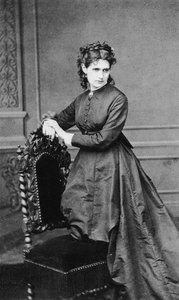
ベルト・モリゾ
1841 - 1895 , フランス
基本情報
- Artistic Movement Or Style: 印象派
- Artists Or Movements Influenced By This Artist: ['印象派']
- Artists Who Influenced This Artist:
- コロー
- マネ
- Date Of Birth: 1841年1月14日
- Date Of Death: 1895年3月2日
- Full Name: ベルト・モリゾ
- Nationality: フランス人
- Notable Artworks (List Of Titles):
- 緑のドレスの女
- ゆりかご
- 読書
- Place Of Birth (City And Country): フランス、ブールジュ
関連記事
クロード・モネ傑作25選:光と色彩の印象派を彩る名画の世界 | ArtsDot
クロード・モネの傑作25選。印象派を代表する光の画家、モネの世界を旅しませんか?睡蓮や風景画など、名画の背景にある物語と芸術技法をご紹介。ArtsDotで高品質な複製画とインテリアアートを見つけましょう。全コレクションはこちら。
Fluid Reflections: Exploring Water's Symbolism in Art History – From Myth to Impressionism
Explore the rich symbolism of water in art history – from ancient myths to Impressionism's fleeting beauty. Discover masterpieces & find your perfect serene artwork with ArtsDot.com.
レオナルド・ダ・ヴィンチ:至高の25選 - 芸術、科学、そして不朽の名作の世界
レオナルド・ダ・ヴィンチの至宝25選。モナリザ、最後の晩餐…ルネサンス美術を代表する名画の世界へ。芸術史、技法、そして感動の物語を紐解き、お部屋に飾る高級複製画で特別な空間を。ArtsDot.comで全コレクションをご覧ください。

印象派風景を彩った至宝:アート史に名を刻む10選
印象派風景の革新を彩った10選。モネ、ルノワールら巨匠の名作を紐解き、色彩と光が生み出す感動の世界へ。アートの歴史とインテリアのインスピレーションをArtsDot.comで。高品質な複製画で、あなただけの空間を創造しましょう。
印象派を定義する至宝:時代を超えた10傑 – 美術、画家、そして洗練された空間演出
印象派を代表する10傑の世界へ。モネ、ルノワールら巨匠の技と色彩が織りなす至高の名作を紐解きます。美術、インテリアに新たなインスピレーションを。ArtsDot.comで、博物館品質のアート複製と洗練された空間演出を見つけましょう。