

 プレビュー
プレビュー
 プリントを購入
 シェアする
シェアする シェアする
シェアする
 詳細を見る
詳細を見る

 ダウンロード
 似ている作品
 X線調査
X線調査 スライドショー
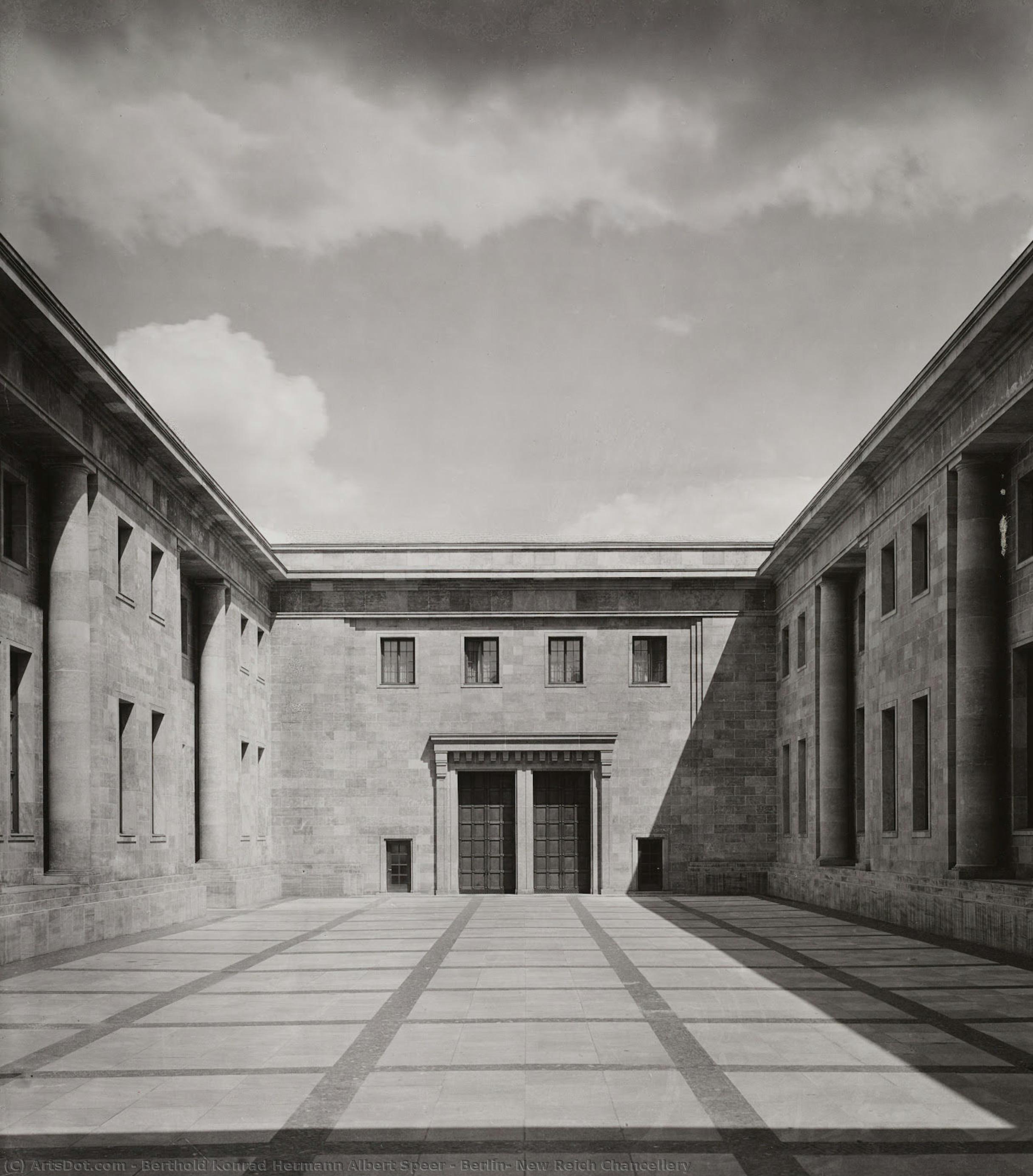
Berlin: New Reich Chancellery
 Acrylic On Canvas
- WallArt
- Documentary Architectural Photography
 1943
1943- 19th Century
 Zentralinstitut für Kunstgeschichte
 詳細を見る
詳細を見る




P118B $10

P118H $10

P118W $10

P438Z $10

P508JH $12

P508YH $12

P805H $10

P805Z $10

P919BZ $10

P919G $10

P919XJ $10

P959ZH $10

P968JZ $12

W106C $8

W218G $10

W218JH $8

W218Y $10

W307PJ $10

W316G $10

W316PJ $8

W316Y $10

W398PJ $8

W4111J $10

W500HY $15

W500JH $15

W692G $12

W849H $8

W940BG $15

W953PJ $8




作品のオリジナル比率に合わせた、当店の規定サイズからお選びください。

特定のフレームやスペースに合わせて、ご希望のサイズをご入力いただけます。選択されたサイズが元の画像の比率と異なる場合、アートワークをトリミングするか、手描きで要素を追加して絵画を拡張いたします。デジタルモックアップ を制作し、制作開始前にご確認(承認)をいただきます。
画面上のプレビューは、実際のトリミングや拡張を正確に反映しているものではありません。最終的な構図は、モックアップによってのみ正確にご確認いただけます。
カスタムサイズもご利用いただけますが、元の比率を維持するためには、あらかじめ用意されたリストからサイズを選択することをお勧めいたします。
ご注文後、ArtsDot.com チームより詳細な指示をお送りするとともに、仕上がりイメージ(モックアップ)をご提供いたします。


 ガラスオプションは、110cm未満のサイズでのみご利用いただけます。

Berlin: New Reich Chancellery
複製技法
複製画のサイズ
-


合計金額
$ 263
作品解説
A Monumental Echo of Authority
Berthold Konrad Hermann Albert Speer’s 1943 photograph, “Berlin: New Reich Chancellery,” isn't merely a depiction of a building; it’s a carefully constructed statement about the very nature of power. Captured in stark black and white, the image presents a commanding view of the newly completed New Reich Chancellery in Berlin – a structure designed to embody the absolute authority of Adolf Hitler and the Nazi regime. The photograph transcends its documentary origins, becoming a potent symbol of ambition, control, and the chilling aesthetic that underpinned one of history’s darkest chapters. The sheer scale of the building, rendered with meticulous detail by Speer's photographic eye, immediately establishes a sense of overwhelming presence – an architectural declaration of intent.
Composition and Technical Mastery
Speer’s compositional choices are deliberate and profoundly effective. The photograph employs a strong, centralized composition, drawing the viewer’s attention directly to the imposing arched entrance. The symmetry inherent in the design—mirrored columns flanking the grand portal—reinforces this sense of order and stability, qualities that were central to the Nazi ideology. Leading lines, meticulously crafted through the arrangement of tiled floors and architectural elements, converge towards the entrance, creating a powerful directional force that guides the eye and emphasizes the building’s importance. The use of natural daylight, subtly casting dramatic shadows, adds depth and volume, highlighting the three-dimensional form of the structure with remarkable precision. The photographer skillfully utilized a large-format camera to achieve this level of detail, capturing textures from the smooth stone facade to the intricate patterns of the tiled floor – elements that contribute significantly to the photograph’s realism and impact.
Historical Context and Symbolic Weight
To fully appreciate “Berlin: New Reich Chancellery,” it's crucial to understand its historical context. Created in 1943, during the height of Nazi Germany’s expansionist ambitions, the photograph serves as a visual testament to the regime’s architectural vision and propaganda efforts. The building itself was designed by Speer himself, reflecting his belief that architecture could be used to project an image of strength, discipline, and ultimately, domination. The New Reich Chancellery wasn't simply a place for government administration; it was intended as a symbol of the Nazi state’s power – a physical manifestation of Hitler’s will. The photograph, therefore, becomes more than just a record of a building; it’s a window into the mindset and aspirations of a regime that sought to reshape Europe according to its twisted ideals.
A Study in Form and Emotion
Beyond its architectural merits, “Berlin: New Reich Chancellery” evokes a complex range of emotions. The overwhelming symmetry and grandeur can be interpreted as symbols of order and control – qualities that were relentlessly pursued by the Nazi regime. However, there’s also an undeniable sense of intimidation conveyed by the building's imposing scale and stark lighting. The photograph doesn’t offer warmth or invitation; it presents a cold, almost forbidding image of power. The careful manipulation of light and shadow creates a dramatic atmosphere, reinforcing the feeling that one is witnessing something both magnificent and profoundly unsettling. It’s a testament to Speer’s skill as an artist – his ability to capture not just the appearance of a building, but also the emotional weight it carries.
Collecting and Interpreting a Historical Masterpiece
Reproductions of “Berlin: New Reich Chancellery” offer a valuable opportunity to bring this powerful image into contemporary spaces. Whether used as a statement piece in a modern interior or studied for its historical significance, the photograph remains a compelling reminder of a turbulent era. The meticulous detail and dramatic composition ensure that reproductions retain much of the original’s impact, allowing viewers to contemplate the complex interplay between architecture, power, and human ambition. Consider this image not just as a depiction of a building, but as a poignant reflection on the enduring legacy of one of history's most troubling regimes.
関連作品
アーティストの略歴
A Life Forged in Ambition and Shadow
Berthold Konrad Hermann Albert Speer, a name inextricably linked to the chilling grandeur of Nazi Germany, was born in Mannheim in 1905 into an upper-middle-class family with architectural roots. His father, Albert Friedrich Speer, instilled within him not only a profession but also a fascination with form and structure that would ultimately serve a dark purpose. Young Albert’s early life wasn't marked by warmth; accounts suggest challenging relationships with his brothers, fostering perhaps an inward focus and ambition that defined his trajectory. He pursued architectural studies at Karlsruhe, Munich, and finally Berlin’s Technical University, where the influence of Heinrich Tessenow shaped his initial aesthetic leanings – a foundation he would later twist to serve a monstrous ideology. Little could anyone have foreseen how this promising architect would become so deeply entwined with one of history's most horrific regimes.Ascension Within the Third Reich
The year 1931 marked a turning point, as Speer joined the Nazi Party, drawn by promises of national renewal and order – a seductive appeal in a Germany reeling from economic hardship and political instability. His architectural talent quickly garnered recognition within party circles, propelling him into Adolf Hitler’s inner circle. This wasn't merely professional advancement; it was an ideological alignment that would define his life and legacy. In 1937, he was appointed General Building Inspector for Berlin, a position of immense power and responsibility. However, this role came with a sinister undercurrent: overseeing the eviction of Jewish tenants from their homes as part of the Nazi’s systematic persecution. This act wasn't an isolated incident but a crucial component of his ascent, demonstrating his willingness to implement the regime’s brutal policies. He became Hitler’s favored architect, tasked with transforming Berlin into “Germania,” a monumental capital reflecting the supposed thousand-year reign of the Third Reich.Monumental Visions and the Architecture of Power
Speer's architectural style was characterized by an imposing scale, neoclassical elements, and a deliberate focus on creating structures that projected power and instilled awe. He wasn’t interested in innovation for its own sake; his designs were instruments of propaganda, intended to inspire loyalty and demonstrate the regime’s dominance. The Reich Chancellery in Berlin (1938-1939) stands as a prime example – a vast, intimidating complex designed to overawe visitors and symbolize Nazi authority. Equally significant were the Nazi Party Rally Grounds in Nuremberg, massive complexes conceived for elaborate propaganda events, utilizing light, space, and sheer size to manipulate emotions and reinforce the cult of personality surrounding Hitler. These weren’t simply buildings; they were carefully orchestrated environments meant to control perception and solidify power. He sought to create a sense of timelessness, drawing inspiration from Roman architecture, believing that such grandeur would ensure his structures endured for centuries – a chilling testament to his ambition and ideological conviction.From Architect to Armaments Minister
In February 1942, Speer’s role dramatically shifted when he was appointed Reich Minister of Armaments and War Production. This marked a turning point not only in his career but also in the war effort itself. He implemented innovative organizational methods that significantly increased German war production, though often relying on misleading statistics to inflate his successes. However, this “armaments miracle” came at an unspeakable cost: the systematic exploitation of slave labor on a massive scale. Prisoners of war and concentration camp inmates were utilized in factories and construction projects, their suffering fueling the Nazi war machine. This reliance on forced labor was not merely a logistical necessity; it was central to Speer’s success, a dark secret he attempted to conceal during the Nuremberg trials. He became a master of efficiency, but his efficiency was built upon unimaginable cruelty.Judgment and Legacy
Following World War II, Albert Speer faced justice at the Nuremberg Trials, indicted as a major war criminal. He was found guilty of war crimes and crimes against humanity, primarily for his role in utilizing slave labor. Despite attempts to distance himself from the Holocaust, evidence revealed his awareness and involvement in Nazi atrocities. Sentenced to 20 years in Spandau Prison, he served his full term, during which he penned two autobiographical books: Inside the Third Reich (1969) and Spandau: The Secret Diaries (1975). These memoirs offered a unique perspective on life within the Nazi regime but have been widely criticized for presenting a self-serving narrative, attempting to minimize his culpability. He died of a stroke in London in 1981, leaving behind a legacy that continues to provoke debate and condemnation. Albert Speer remains a profoundly controversial figure – an architect of both breathtaking ambition and unspeakable evil, forever bound to the darkest chapter of modern history. His story serves as a stark reminder of the dangers of unchecked power, ideological fanaticism, and the seductive allure of architectural grandeur used for nefarious purposes.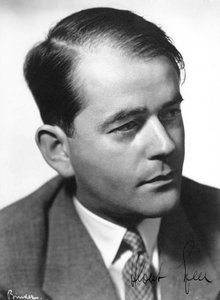
berthold konrad hermann albert speer
1905 - 1981 , Germany
基本情報
- Artistic Movement Or Style: Nazi architecture
- Artists Who Influenced This Artist: ['Heinrich Tessenow']
- Date Of Birth: March 19, 1905
- Date Of Death: September 1, 1981
- Full Name: Albert Speer
- Nationality: German
- Notable Artworks:
- Reich Chancellery
- Nuremberg Rally Grounds
- Place Of Birth: Mannheim, Germany
関連記事
ベルリン国立美術館の至宝25選:名画と芸術の物語 | ArtsDot
ベルリン国立美術館の至宝25選。ネフェルティティ像、ペルガモン祭壇など、名画と芸術作品の物語を紐解きます。シンケルの建築美も堪能。ArtsDot.comで高品質な複製画やインテリアアートを探求し、お部屋に永遠の輝きを。
Albert Kretschmer: Capturing 19th-Century Costume & the Seeds of Expressionism
Explore the exquisite costume studies of Albert Kretschmer (1825-1891). Discover his detailed illustrations, influence on art history & connection to early Expressionism. Learn about collecting this remarkable artist's work.
Albert Charles Lebourg: A Study in Atmospheric Impressionism & Rural France
Explore the serene landscapes of Albert Charles Lebourg, a master of the Rouen School Impressionists. Discover his atmospheric paintings of the Seine and enduring legacy in 19th-century French art.

Albert Goodwin: Capturing Victorian Light & Atmosphere – A Study in Landscape Painting
Explore the captivating landscapes of Albert Goodwin (1845-1932), a celebrated Victorian watercolourist influenced by Turner & Ruskin. Discover his techniques, prolific collection, and lasting legacy in British art history.
Albert Edelfelt: A Pioneer of Finnish Realism & International Impressionist Circles
Explore the life & work of Albert Edelfelt, a pioneering Finnish Realist painter who bridged Impressionism & national identity. Discover his masterpieces and lasting influence on art history.

