

 プレビュー
プレビュー
 プリントを購入
 シェアする
シェアする シェアする
シェアする
 詳細を見る
詳細を見る

 ダウンロード
 似ている作品
 X線調査
X線調査 スライドショー
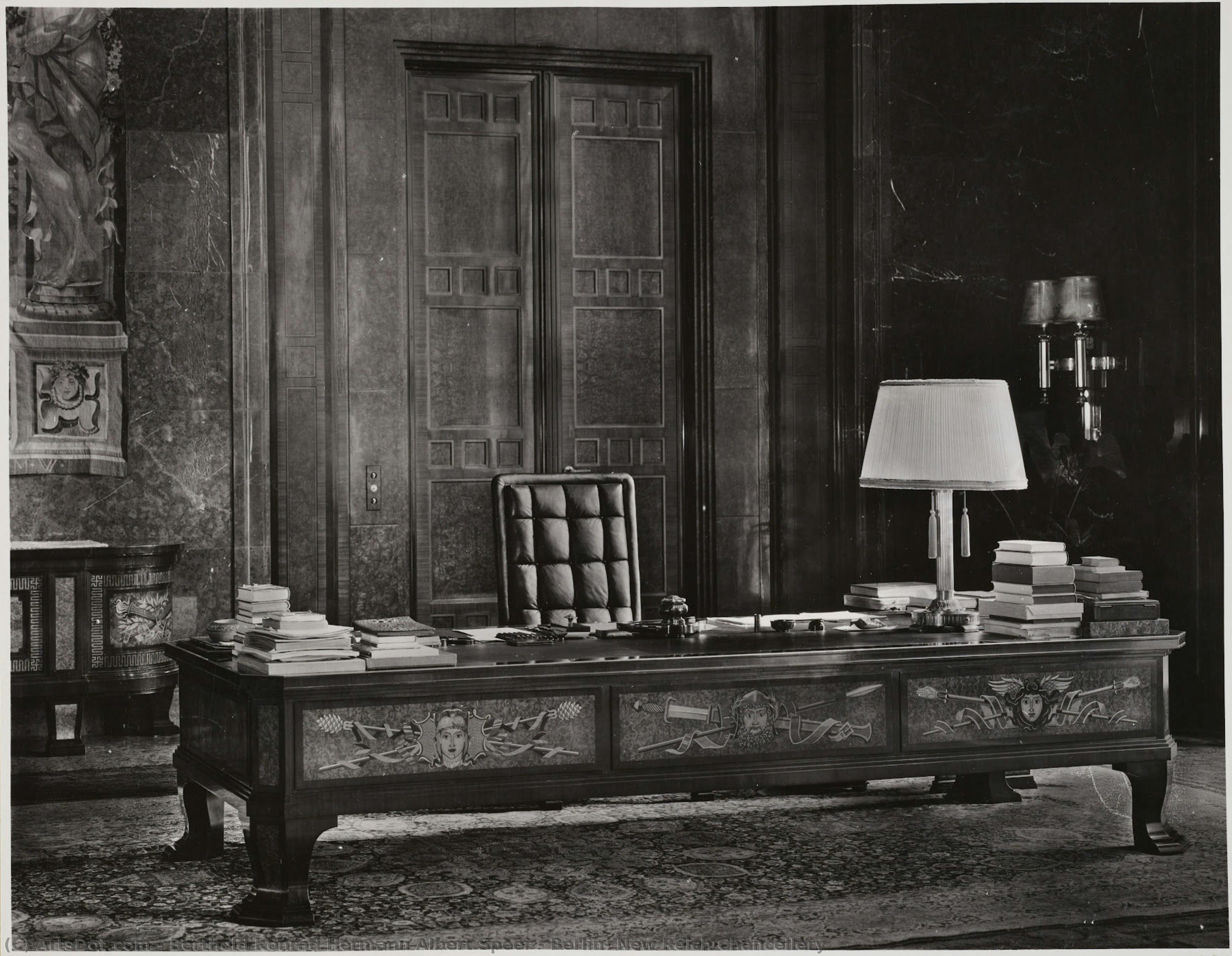
Berlin: New Reich Chancellery


 詳細を見る
詳細を見る
オンラインプレビューをはるかに凌ぐ、高解像度で鮮明なデジタル画像をご購入いただけます。
各ファイルは、社内の専門家が高度なツールと熟練した手作業によるレタッチを用いて、細心の注意を払って準備されています。すべての画像において、卓越した鮮明度、正確な色彩再現性、そして繊細なディテールを保証いたします。
最終ファイルは、プロフェッショナルな編集・印刷環境ですぐにご利用いただけるよう最適化された状態で、72時間以内にメールにてお届けいたします。これは、一流のデザインスタジオ、出版社、ギャラリーから信頼されているものと同等の品質です。
デジタル画像のご注文に付随する特典
高品質なデジタル画像配信を、確かな品質で。
ArtsDot.com を選ぶことは、単に画像を手に入れることではありません。それは、プロの手によって精密に仕上げられ、満足保証が付いた高品質なデジタルアートワークを受け取ることを意味します。ご注文いただいた際に自動的に付随する内容は、以下の通りです:

メールですぐにお届け
ご注文から72時間以内に、高解像度のデジタル画像ファイルがメールでお手元に届きます。すぐにそのままご利用いただけます。

AI技術で最適化されたデジタルファイル
お客様の作品は、高度なAIツールと専門家による手作業の編集を組み合わせてプロフェッショナルに最適化されており、細部のディテール、鮮明さ、そして正確な色再現性を最大限に引き出しています。

一生涯無料の再送サービス
ファイルを誤って削除したり、紛失してしまったりしましたか?ご安心ください。いつでも無料で再送いたします。

輸入手数料は一切かかりません
関税や手数料、配送料を気にすることなく、お気に入りのアートワークをすぐにお楽しみいただけます。デジタルダウンロードは常に免税です。

色彩再現の保証
プロ仕様のツールとカラーマネジメント技術を用いることで、デジタル画像が元の色を最大限に忠実に再現することを保証いたします。

60日間満足保証
ご購入いただいたデジタル画像にご満足いただけない場合は、60日以内であれば、修正または100%の返金(理由を問う必要はありません)をさせていただきます。

100% 返金保証
ご満足いただけない場合は、デジタルファイルを受け取ってから60日以内であれば、理由を問わず全額返金いたします。

まとめ買い割引
3枚購入で10%OFF - 5枚購入で15%OFF - 10枚以上購入で20%OFF。クリエイティブなプロジェクト、ギャラリー、エージェンシーに最適です。
関連作品








作家の略歴
A Life Forged in Ambition and Shadow
Berthold Konrad Hermann Albert Speer, a name inextricably linked to the chilling grandeur of Nazi Germany, was born in Mannheim in 1905 into an upper-middle-class family with architectural roots. His father, Albert Friedrich Speer, instilled within him not only a profession but also a fascination with form and structure that would ultimately serve a dark purpose. Young Albert’s early life wasn't marked by warmth; accounts suggest challenging relationships with his brothers, fostering perhaps an inward focus and ambition that defined his trajectory. He pursued architectural studies at Karlsruhe, Munich, and finally Berlin’s Technical University, where the influence of Heinrich Tessenow shaped his initial aesthetic leanings – a foundation he would later twist to serve a monstrous ideology. Little could anyone have foreseen how this promising architect would become so deeply entwined with one of history's most horrific regimes.Ascension Within the Third Reich
The year 1931 marked a turning point, as Speer joined the Nazi Party, drawn by promises of national renewal and order – a seductive appeal in a Germany reeling from economic hardship and political instability. His architectural talent quickly garnered recognition within party circles, propelling him into Adolf Hitler’s inner circle. This wasn't merely professional advancement; it was an ideological alignment that would define his life and legacy. In 1937, he was appointed General Building Inspector for Berlin, a position of immense power and responsibility. However, this role came with a sinister undercurrent: overseeing the eviction of Jewish tenants from their homes as part of the Nazi’s systematic persecution. This act wasn't an isolated incident but a crucial component of his ascent, demonstrating his willingness to implement the regime’s brutal policies. He became Hitler’s favored architect, tasked with transforming Berlin into “Germania,” a monumental capital reflecting the supposed thousand-year reign of the Third Reich.Monumental Visions and the Architecture of Power
Speer's architectural style was characterized by an imposing scale, neoclassical elements, and a deliberate focus on creating structures that projected power and instilled awe. He wasn’t interested in innovation for its own sake; his designs were instruments of propaganda, intended to inspire loyalty and demonstrate the regime’s dominance. The Reich Chancellery in Berlin (1938-1939) stands as a prime example – a vast, intimidating complex designed to overawe visitors and symbolize Nazi authority. Equally significant were the Nazi Party Rally Grounds in Nuremberg, massive complexes conceived for elaborate propaganda events, utilizing light, space, and sheer size to manipulate emotions and reinforce the cult of personality surrounding Hitler. These weren’t simply buildings; they were carefully orchestrated environments meant to control perception and solidify power. He sought to create a sense of timelessness, drawing inspiration from Roman architecture, believing that such grandeur would ensure his structures endured for centuries – a chilling testament to his ambition and ideological conviction.From Architect to Armaments Minister
In February 1942, Speer’s role dramatically shifted when he was appointed Reich Minister of Armaments and War Production. This marked a turning point not only in his career but also in the war effort itself. He implemented innovative organizational methods that significantly increased German war production, though often relying on misleading statistics to inflate his successes. However, this “armaments miracle” came at an unspeakable cost: the systematic exploitation of slave labor on a massive scale. Prisoners of war and concentration camp inmates were utilized in factories and construction projects, their suffering fueling the Nazi war machine. This reliance on forced labor was not merely a logistical necessity; it was central to Speer’s success, a dark secret he attempted to conceal during the Nuremberg trials. He became a master of efficiency, but his efficiency was built upon unimaginable cruelty.Judgment and Legacy
Following World War II, Albert Speer faced justice at the Nuremberg Trials, indicted as a major war criminal. He was found guilty of war crimes and crimes against humanity, primarily for his role in utilizing slave labor. Despite attempts to distance himself from the Holocaust, evidence revealed his awareness and involvement in Nazi atrocities. Sentenced to 20 years in Spandau Prison, he served his full term, during which he penned two autobiographical books: Inside the Third Reich (1969) and Spandau: The Secret Diaries (1975). These memoirs offered a unique perspective on life within the Nazi regime but have been widely criticized for presenting a self-serving narrative, attempting to minimize his culpability. He died of a stroke in London in 1981, leaving behind a legacy that continues to provoke debate and condemnation. Albert Speer remains a profoundly controversial figure – an architect of both breathtaking ambition and unspeakable evil, forever bound to the darkest chapter of modern history. His story serves as a stark reminder of the dangers of unchecked power, ideological fanaticism, and the seductive allure of architectural grandeur used for nefarious purposes.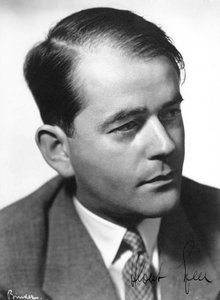
berthold konrad hermann albert speer
1905 - 1981 , Germany
プロフィール概要
- Artistic Movement Or Style: Nazi architecture
- Artists Who Influenced This Artist: ['Heinrich Tessenow']
- Date Of Birth: March 19, 1905
- Date Of Death: September 1, 1981
- Full Name: Albert Speer
- Nationality: German
- Notable Artworks:
- Reich Chancellery
- Nuremberg Rally Grounds
- Place Of Birth: Mannheim, Germany

