

 プレビュー
プレビュー
 シェアする
シェアする シェアする
シェアする
 詳細を見る
詳細を見る

 ダウンロード
 似ている作品
 X線調査
X線調査 スライドショー
 統計情報
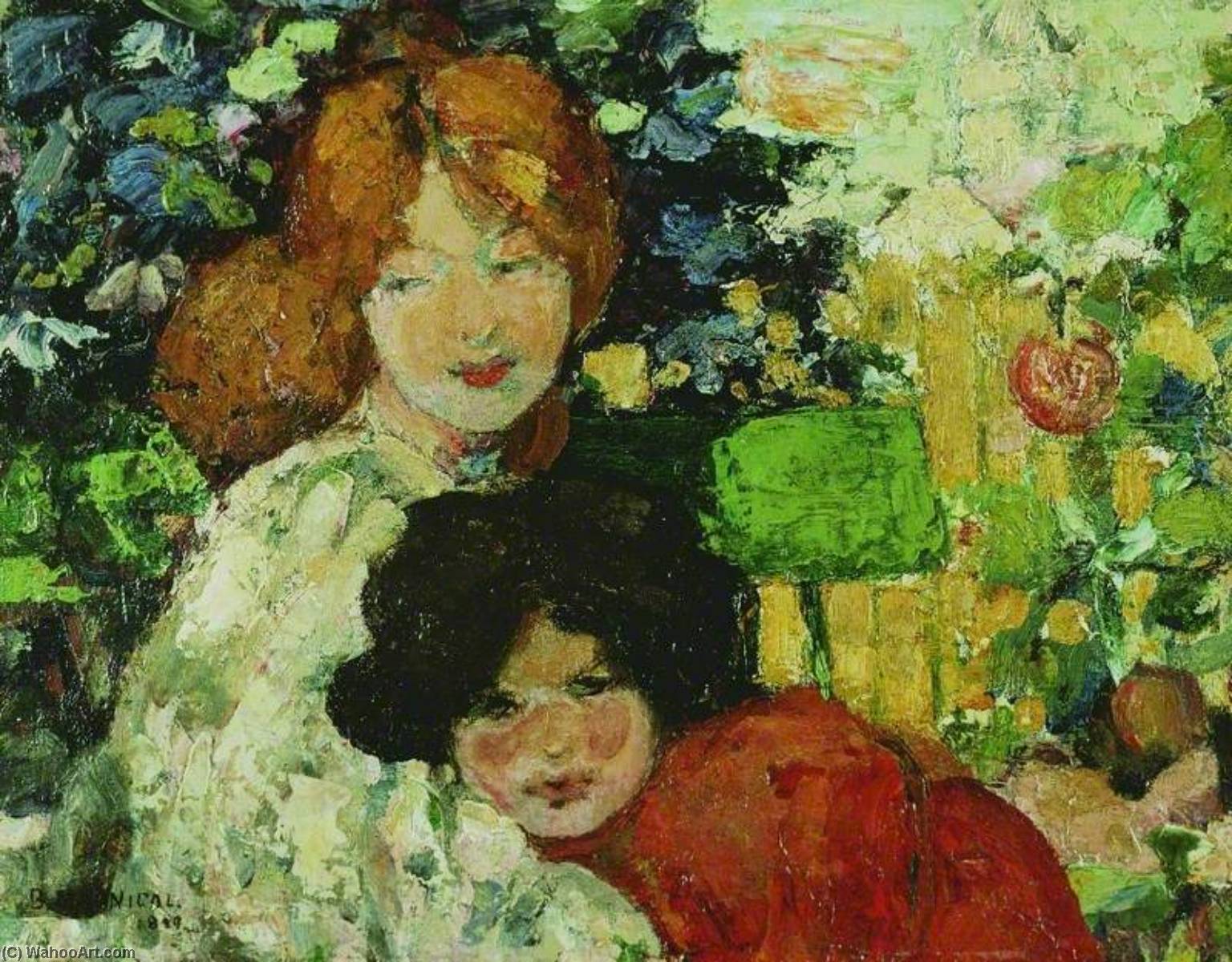
統計情報Two Sisters (Mother and Daughter)
 Oil
Oil- WallArt
- Impressionism
 1899
1899- 19th Century
 28.0 x 37.0 cm
 Ferens Art Gallery
 詳細を見る
詳細を見る
オンラインプレビューをはるかに凌ぐ、高解像度で鮮明なデジタル画像をご購入いただけます。
各ファイルは、社内の専門家が高度なツールと熟練した手作業によるレタッチを用いて、細心の注意を払って準備されています。すべての画像において、卓越した鮮明度、正確な色彩再現性、そして繊細なディテールを保証いたします。
最終ファイルは、プロフェッショナルな編集・印刷環境ですぐにご利用いただけるよう最適化された状態で、72時間以内にメールにてお届けいたします。これは、一流のデザインスタジオ、出版社、ギャラリーから信頼されているものと同等の品質です。
デジタルアート
個人での鑑賞、印刷、クリエイティブなプロジェクト用に、高解像度ファイルをダウンロードできます。 ( プリント版に切り替え 手描きの絵画を購入)
デジタル画像のご注文に付随する特典
高品質なデジタル画像配信を、確かな品質で。
ArtsDot.com を選ぶことは、単に画像を手に入れることではありません。それは、プロの手によって精密に仕上げられ、満足保証が付いた高品質なデジタルアートワークを受け取ることを意味します。ご注文いただいた際に自動的に付随する内容は、以下の通りです:

メールですぐにお届け
ご注文から72時間以内に、高解像度のデジタル画像ファイルがメールでお手元に届きます。すぐにそのままご利用いただけます。

AI技術で最適化されたデジタルファイル
お客様の作品は、高度なAIツールと専門家による手作業の編集を組み合わせてプロフェッショナルに最適化されており、細部のディテール、鮮明さ、そして正確な色再現性を最大限に引き出しています。

一生涯無料の再送サービス
ファイルを誤って削除したり、紛失してしまったりしましたか?ご安心ください。いつでも無料で再送いたします。

輸入手数料は一切かかりません
関税や手数料、配送料を気にすることなく、お気に入りのアートワークをすぐにお楽しみいただけます。デジタルダウンロードは常に免税です。

色彩再現の保証
プロ仕様のツールとカラーマネジメント技術を用いることで、デジタル画像が元の色を最大限に忠実に再現することを保証いたします。

100日間満足保証
ご購入いただいたデジタル画像にご満足いただけない場合は、100日以内であれば、理由を問わず修正または100%の返金対応をさせていただきます。

100% 返金保証
ご満足いただけない場合は、デジタルファイルを受け取ってから100日以内であれば、理由を問わず全額返金いたします。

まとめ買い割引
3枚購入で10%OFF - 5枚購入で15%OFF - 10枚以上購入で20%OFF。クリエイティブなプロジェクト、ギャラリー、エージェンシーに最適です。
A Tender Encounter in Color
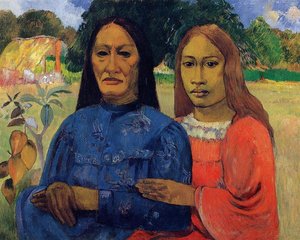
In the delicate brushstrokes of Bessie MacNicol’s 1899 masterpiece, Two Sisters (Mother and Daughter), we are invited into a private, quiet moment of familial devotion. The painting captures a profound connection between two figures—a mother and her child—standing in intimate proximity against a backdrop of nature's bounty. There is an undeniable warmth that radiates from the canvas, as the woman on the left draws the young girl close, creating a sense of protection and enduring love. This is not merely a portrait of two individuals, but a study of the invisible threads of affection that bind generations together. The composition is anchored by the presence of a fruiting tree, where scattered apples serve as vibrant punctuation marks across the scene, suggesting themes of fertility, growth, and the sweetness of life.
The technique employed by MacNicol reflects her deep connection to the Impressionist spirit and the influence of the Barbizon school. Rather than focusing on rigid, photographic realism, she utilizes a soft, atmospheric approach that allows light to dance across the subjects' forms. The way the light filters through the foliage and illuminates the skin tones creates a luminous quality, making the scene feel as though it were captured in a fleeting, golden moment of a summer afternoon. For the discerning collector or interior designer, this piece offers a sophisticated balance of texture and light, making it an ideal centerpiece for spaces that require a sense of tranquility and organic elegance.
The Legacy of the Glasgow Girls
To understand the emotional depth of this work, one must look toward the historical context of the artist herself. Bessie MacNicol was a prominent figure among the Glasgow Girls, a group of female artists at the turn of the 20th century who challenged the era's gender norms through their progressive and highly skilled approach to plein air painting and portraiture. Her life, though tragically short, was marked by an intense sensitivity to her surroundings—a trait that is palpable in the way she renders the natural world. The subtle interplay between the figures and the surrounding orchard speaks to a larger dialogue about the harmony between humanity and nature.
For those looking to adorn a home with art that tells a story, this reproduction offers more than just visual beauty; it provides a window into a lost era of Scottish Impressionism. The symbolism of the apples—often representing both temptation and the abundance of the earth—adds a layer of intellectual richness to the painting's sentimental core. Whether placed in a sunlit nursery or a refined study, Two Sisters (Mother and Daughter) serves as a timeless reminder of the beauty found in life's most quiet, nurturing connections.
関連作品
作家の略歴
A Fleeting Glimpse: The Life and Art of Bessie MacNicol
The name Bessie MacNicol resonates softly within the annals of late 19th-century Scottish painting, a whisper of talent tragically cut short. Born Elizabeth MacNicol in Glasgow on July 5, 1869, her life spanned just thirty-four years, yet within that brief period she carved out a significant place for herself amongst the progressive artists known as the Glasgow Girls. Her story is one of artistic promise nurtured by a supportive environment, tempered by personal struggles, and ultimately overshadowed by untimely loss – a narrative that adds poignancy to her delicate and evocative canvases. Growing up in a household marked by both intellectual stimulation—her father was a teacher and school principal—and sorrow, as several siblings succumbed to illness in infancy, Bessie developed a sensitivity that would profoundly inform her artistic vision. A predisposition to allergies meant summers were often spent indoors, perhaps fostering an introspective nature that found expression through the careful observation of light and form.From Glasgow School to Parisian Studios
MacNicol’s formal artistic journey began at the Glasgow School of Art in 1887, a pivotal institution then brimming with creative energy under the guidance of Francis Henry Newbery. It was Newbery who championed her talent and encouraged her to broaden her horizons by studying in Paris at the Académie Colarossi in 1892-1893. This opportunity was particularly noteworthy for a woman artist of the time, as it allowed access to training alongside male peers – a relatively new prospect. However, MacNicol found the Parisian experience less than inspiring, feeling stifled rather than encouraged by the prevailing atmosphere. Despite this disappointment, her time abroad undoubtedly exposed her to new artistic currents and solidified her commitment to pursuing painting professionally. Upon returning to Scotland, she established a studio in Glasgow, ready to forge her own path within the vibrant art scene of the city.Impressionistic Sensibilities and Scottish Light
MacNicol’s artistic style was a compelling synthesis of various influences. She embraced the *plein air* tradition championed by the Barbizon School, prioritizing direct observation of nature and capturing its fleeting effects. This approach is evident in her landscapes, which are imbued with a sense of immediacy and atmospheric realism. Simultaneously, she drew inspiration from the tonal harmonies and subtle color palettes of James McNeill Whistler, as well as the innovative spirit of her contemporaries within the Glasgow Boys movement, notably Edward Atkinson Hornel, whom she would later portray in a striking portrait during a sojourn in Kirkcudbright. Her paintings are characterized by a masterful command of color, light, and texture, creating canvases that shimmer with life. MacNicol’s portraits, in particular, stand out for their solid composition and psychological depth, revealing her ability to capture not just likeness but also the inner lives of her subjects. Critics praised her “dextrous touch and expressive colour,” drawing comparisons to Berthe Morisot – a testament to her skill and sensitivity. She frequently depicted young women posed outdoors, bathed in dappled sunlight filtering through leaves, creating distinctive patterns of light and shadow that define much of her oeuvre.A Legacy Interrupted
MacNicol’s career reached its peak with exhibitions at the Royal Scottish Academy, the Royal Glasgow Institute, and even international venues like the Munich Secession. Her marriage to Alexander Frew, a physician and artist, in 1899 brought personal happiness, but her artistic output was tragically curtailed by her death on June 4, 1904, during late-stage pregnancy due to complications. The loss of both mother and child was devastating. Further tragedy struck when Frew himself took his own life in 1908, after remarrying; his second wife subsequently sold MacNicol’s paintings and papers, contributing to their relative scarcity today. Despite this dispersal, her work has gradually been reassessed and celebrated as a vital contribution to the Glasgow Girls movement – a collective of female artists who challenged conventional norms and made a lasting impact on Scottish art. Today, examples of her work can be found in the Kelvingrove Museum and the Hunterian Museum and Art Gallery in Glasgow, offering glimpses into the talent of an artist whose potential remained tantalizingly unrealized. The recent acquisition by the National Galleries of Scotland of “The Lilac Sunbonnet” (2024) is a testament to her growing recognition and enduring appeal. Bessie MacNicol’s story serves as a poignant reminder of the many artistic voices lost to time, yet whose legacy continues to inspire and captivate.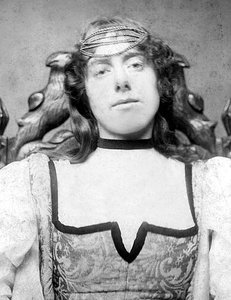
Bessie MacNicol
1869 - 1904 , United Kingdom
プロフィール概要
- Artistic Movement Or Style: Impressionism
- Artists Or Movements Influenced By This Artist: ['Glasgow Girls']
- Artists Who Influenced This Artist:
- Whistler
- Barbizon School
- Glasgow Boys
- Date Of Birth: July 5, 1869
- Date Of Death: June 4, 1904
- Full Name: Elizabeth MacNicol
- Nationality: Scottish
- Notable Artworks:
- Self Portrait
- Deborah
- Portrait of a Lady Phyllis
- Place Of Birth: Glasgow, UK