

 プレビュー
プレビュー
 プリントを購入
 シェアする
シェアする シェアする
シェアする
 詳細を見る
詳細を見る

 ダウンロード
 似ている作品
 X線調査
X線調査 スライドショー
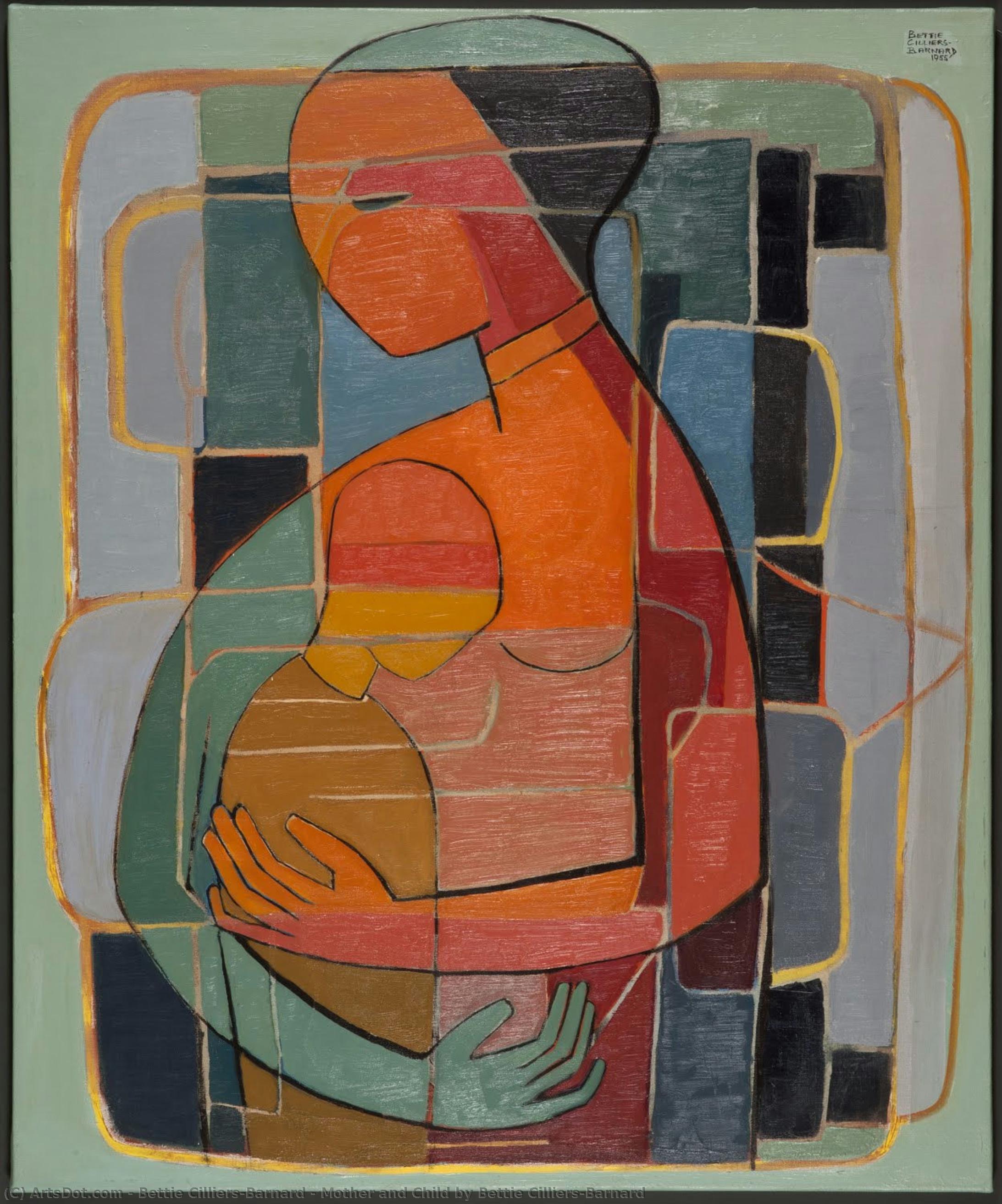
Mother and Child by Bettie Cilliers-Barnard
 Oil On Canvas
- WallArt
- Geometric Abstraction
 1955
1955- Modern
 95.0 x 75.0 cm
 University of Pretoria Museums
 詳細を見る
詳細を見る
オンラインプレビューをはるかに凌ぐ、高解像度で鮮明なデジタル画像をご購入いただけます。
各ファイルは、社内の専門家が高度なツールと熟練した手作業によるレタッチを用いて、細心の注意を払って準備されています。すべての画像において、卓越した鮮明度、正確な色彩再現性、そして繊細なディテールを保証いたします。
最終ファイルは、プロフェッショナルな編集・印刷環境ですぐにご利用いただけるよう最適化された状態で、72時間以内にメールにてお届けいたします。これは、一流のデザインスタジオ、出版社、ギャラリーから信頼されているものと同等の品質です。
デジタル画像のご注文に付随する特典
高品質なデジタル画像配信を、確かな品質で。
ArtsDot.com を選ぶことは、単に画像を手に入れることではありません。それは、プロの手によって精密に仕上げられ、満足保証が付いた高品質なデジタルアートワークを受け取ることを意味します。ご注文いただいた際に自動的に付随する内容は、以下の通りです:

メールですぐにお届け
ご注文から72時間以内に、高解像度のデジタル画像ファイルがメールでお手元に届きます。すぐにそのままご利用いただけます。

AI技術で最適化されたデジタルファイル
お客様の作品は、高度なAIツールと専門家による手作業の編集を組み合わせてプロフェッショナルに最適化されており、細部のディテール、鮮明さ、そして正確な色再現性を最大限に引き出しています。

一生涯無料の再送サービス
ファイルを誤って削除したり、紛失してしまったりしましたか?ご安心ください。いつでも無料で再送いたします。

輸入手数料は一切かかりません
関税や手数料、配送料を気にすることなく、お気に入りのアートワークをすぐにお楽しみいただけます。デジタルダウンロードは常に免税です。

色彩再現の保証
プロ仕様のツールとカラーマネジメント技術を用いることで、デジタル画像が元の色を最大限に忠実に再現することを保証いたします。

100日間満足保証
ご購入いただいたデジタル画像にご満足いただけない場合は、100日以内であれば、修正または100%の返金(理由を問う必要はありません)をさせていただきます。

100% 返金保証
ご満足いただけない場合は、デジタルファイルを受け取ってから100日以内であれば、理由を問わず全額返金いたします。

まとめ買い割引
3枚購入で10%OFF - 5枚購入で15%OFF - 10枚以上購入で20%OFF。クリエイティブなプロジェクト、ギャラリー、エージェンシーに最適です。
A Symphony of Form and Tenderness
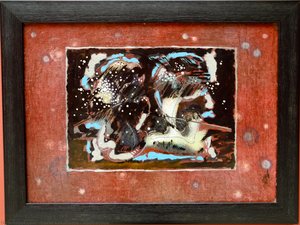
In the quiet intimacy of Bettie Cilliers-Barnard’s 1955 masterpiece, Mother and Child, we encounter a profound dialogue between human emotion and geometric precision. This striking oil on canvas serves as a quintessential example of the South African artist's mid-century period, where the warmth of maternal connection meets the rigorous intellectualism of abstraction. At first glance, the viewer is drawn into a rhythmic dance of interlocking planes and vibrant hues, yet beneath the fragmented surface lies a deeply resonant portrait of nurturing. The painting does not merely depict a mother and her infant; it translates the very essence of protection and biological bond into a visual language of shape and color.
The composition is a masterclass in the art of pictorial simplification. Cilliers-Barnard moves away from traditional realism, instead utilizing dark, deliberate contour lines to define the edges of her subjects. This technique allows the human figures to dissolve into a decorative pattern, where the mother’s embrace is felt through the weight of overlapping rectangles and angular blocks. The use of flat color planes creates a fascinating tension between depth and flatness; while the layering of shapes suggests a physical closeness, the flattened perspective keeps the eye moving across the canvas in a way that feels both modern and timeless. It is an arrangement where every geometric fragment contributes to the structural integrity of the emotional narrative.
A Palette of Warmth and Modernist Spirit
The color story of Mother and Child is one of radiant energy and balanced contrast. The artist employs a predominantly warm palette, saturating the canvas with sun-drenched shades of orange, deep red, and golden yellow. These tones evoke the heat of life and the visceral glow of affection. To prevent the warmth from becoming overwhelming, Cilliers-Barnard introduces cooler accents of blue and green, which act as structural anchors within the composition. This careful chromatic balance ensures that the painting possesses a luminous quality, as if lit by a soft, diffused light that illuminates the entire scene without casting harsh shadows.
Technically, the work showcases a sophisticated command of oil paint application. There is a palpable sense of texture achieved through thoughtful brushwork, with certain areas displaying a subtle impasto that invites the eye to linger on the tactile surface. This marriage of smooth, decorative planes and textured strokes adds a layer of sensory richness to the piece. For the discerning collector or interior designer, this painting offers a versatile aesthetic appeal; its bold modernist spirit makes it a commanding focal point in contemporary settings, while its underlying themes of family and love ensure it remains an emotionally accessible treasure for any home.
Historical Resonance and Artistic Legacy
To understand Mother and Child is to understand the evolution of South African modernism. Created during a period when Cilliers-Barnard was refining her unique approach to abstraction, the work reflects the influence of her studies in Europe, particularly the Cubist movements she encountered in Paris. The painting stands as a testament to her ability to synthesize international avant-garde techniques with a deeply personal, emotive subject matter. It captures a moment in art history where the boundaries between representation and abstraction were being beautifully redrawn.
Owning a high-quality reproduction of this work allows one to bring a piece of mid-century history into the modern living space. The painting’s ability to evoke themes of protection, stability, and unconditional love through non-representational forms makes it more than just a decorative object; it is an invitation to contemplate the enduring strength of human connection. Whether viewed as a study in geometric balance or a tribute to the maternal bond, Cilliers-Barnard’s work continues to inspire awe and provide a sophisticated touch of elegance to any curated collection.
作家の略歴
Early Life and Influences (1877-1904)
James Dickson Innes’s story begins in the rugged beauty of rural Ontario, a landscape that would profoundly shape his artistic vision. Born on August 5, 1877, in Claremont, a small hamlet near Owen Sound, he was the youngest son of John and Margaret Thomson, a family deeply rooted in the traditions of farming and the natural world. His childhood was imbued with a love for music – a legacy from his musically inclined mother – and an appreciation for the outdoors fostered by his father’s pursuits of hunting and fishing. The vast hardwood forests and shimmering lakes surrounding Leith, where the family resided for much of his youth, became a constant source of inspiration, imbuing his early work with a sense of quiet observation and reverence for nature's grandeur. Despite limited formal artistic training in his formative years, Innes possessed an innate ability to draw and paint, skills honed through informal practice and a keen eye for detail. His education was interrupted by illness, a period that likely contributed to his introspective nature and deepened his connection with the wilderness. Following this setback, he briefly pursued business studies, working as an elevator operator in Seattle before returning to Ontario. These early experiences – from the bustling commercial world of the Pacific Northwest to the tranquil solitude of the Canadian Shield – provided him with a diverse range of perspectives that would later inform his artistic style. The influence of landscape painters like Thomas Cole and Frederic Church, whose romantic depictions of American wilderness captivated audiences at the time, is also evident in Innes’s early work, particularly in his use of dramatic light and atmospheric perspective.Transition to Art (1904-1914)
A pivotal moment arrived in 1904 when Innes secured a position as a pen artist and draftsman at Maring & Ladd, an engraving firm specializing in advertising and commercial printing in Owen Sound. This marked his formal entry into the world of professional art, providing him with valuable experience in graphic design and illustration. However, it was during this period that he began to develop his own distinctive artistic voice, experimenting with watercolour techniques and exploring themes related to the Canadian landscape. His work at Maring & Ladd allowed him to hone his skills in composition, colour theory, and rendering detail – abilities that would prove invaluable as he transitioned to painting full-time. Crucially, Innes’s time in Owen Sound coincided with a period of intense artistic ferment in Canada, fueled by the arrival of European modernists like Impressionists and Post-Impressionists. Artists such as Walter Richard Sickert and Paul Gauguin were gaining recognition for their bold departures from traditional academic styles, encouraging Canadian artists to embrace new approaches to colour, brushwork, and subject matter. The influence of these movements is particularly evident in Innes’s later work, characterized by vibrant hues, loose brushstrokes, and a focus on capturing the fleeting effects of light and atmosphere.The Influence of Wyndham Lewis and Vorticism (1914-1917)
In 1914, a transformative encounter occurred when Innes met Wyndham Lewis in Toronto. Lewis, a British expatriate and leading figure in the burgeoning Vorticist movement – a short-lived but influential avant-garde style emphasizing dynamism and geometric abstraction – introduced Innes to the radical ideas of Cubism and Futurism. Lewis’s emphasis on breaking down forms into their essential components and depicting them from multiple viewpoints profoundly impacted Innes's artistic practice, leading him to experiment with flattened perspectives, fragmented compositions, and a heightened sense of spatial ambiguity. This encounter coincided with a period of intense experimentation for Innes, as he sought to synthesize the influences of Vorticism with his own deep-seated appreciation for the Canadian landscape. He began to incorporate geometric shapes and angular lines into his paintings, creating works that were both visually arresting and emotionally evocative. His palette became increasingly bold and expressive, utilizing a range of colours – from rich blues and greens to fiery reds and yellows – to convey the energy and drama of the natural world.Later Years and Legacy (1917-1918)
Tragically, Innes’s artistic career was cut short by his untimely death on August 22, 1917, at the age of forty. He succumbed to pneumonia while convalescing in Swanley, Kent, England, after being evacuated from France during World War I. Despite his brief but prolific career, Innes left behind a significant body of work that continues to be celebrated for its originality and expressive power. His paintings offer a unique perspective on the Canadian landscape, capturing not only its physical beauty but also its spiritual essence. Innes’s influence extends beyond his own artistic output. He played a crucial role in introducing Vorticist ideas to Canada, inspiring a generation of artists to explore new forms of expression and challenge conventional notions of representation. His work is now recognized as a cornerstone of Canadian modern art, embodying the spirit of innovation and experimentation that characterized this pivotal period in the country’s artistic history. His paintings are held in numerous public and private collections across Canada and internationally, ensuring that his legacy will continue to inspire and captivate audiences for generations to come.Key Characteristics & Style
- Vibrant Colour Palette: Innes is renowned for his use of intense, jewel-toned colours, often applied in broad washes to create a sense of luminosity and atmosphere.
- Dynamic Composition: His paintings frequently feature dynamic compositions characterized by strong diagonals, asymmetrical arrangements, and a deliberate distortion of perspective.
- Fragmented Forms: He employed fragmented forms and multiple viewpoints, influenced by Cubism and Vorticism, to convey the complexity and dynamism of the natural world.
- Emphasis on Light & Atmosphere: Innes was particularly adept at capturing the fleeting effects of light and atmosphere, creating paintings that evoke a sense of mood and emotion.
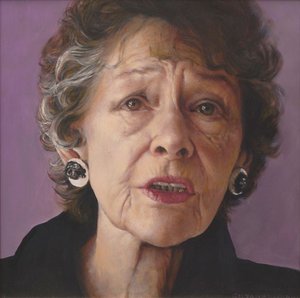
bettie cilliers-barnard
1914 - 2010 , South Africa
プロフィール概要
- Artistic Movement Or Style: Landscape painting
- Artists Or Movements Influenced By This Artist: ['Art Nouveau']
- Artists Who Influenced This Artist:
- Turner
- Constable
- Date Of Birth: 27 February 1887
- Date Of Death: 22 August 1914
- Full Name: James Dickson Innes
- Nationality: British
- Notable Artworks:
- Infant Jesus
- Apparition
- Promenade
- Place Of Birth: Llanelly, Wales