

 プレビュー
プレビュー
 シェアする
シェアする シェアする
シェアする
 詳細を見る
詳細を見る

 ダウンロード
 似ている作品
 X線調査
X線調査 スライドショー
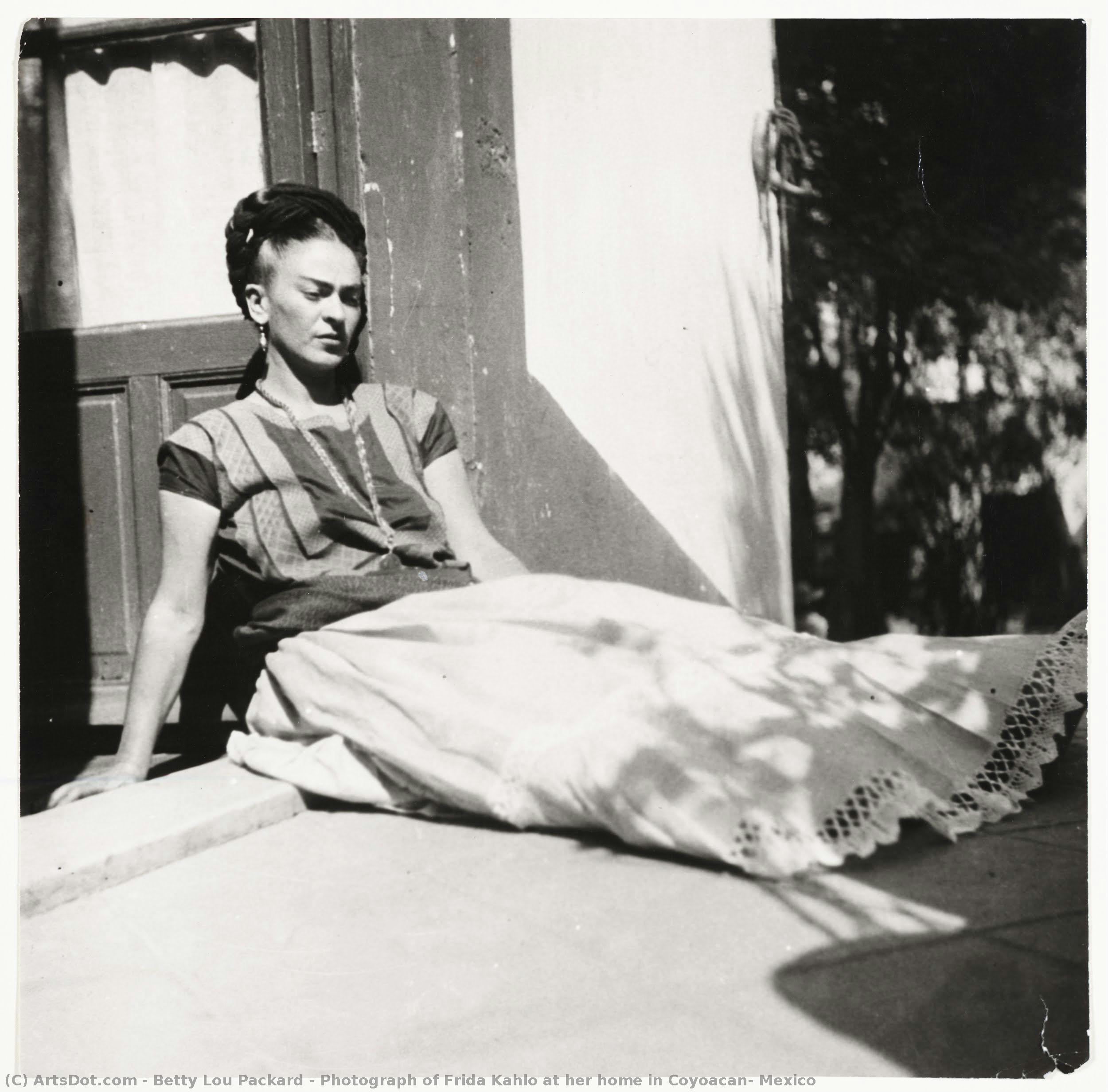
Photograph of Frida Kahlo at her home in Coyoacan, Mexico
 Acrylic On Canvas
- WallArt
- Impressionism
 1941
1941 27.0 x 27.0 cm
 Archives of American Art
 詳細を見る
詳細を見る
ジークレー/アートプリント
迅速な制作と多彩な仕上げオプションを備えた、ミュージアムクオリティのジークレーまたはキャンバスプリント。 ( 手描きの絵画を購入 画像を購入)




P118B $10

P118H $10

P118W $10

P438Z $10

P508JH $12

P508YH $12

P805H $10

P805Z $10

P919BZ $10

P919G $10

P919XJ $10

P959ZH $10

P968JZ $12

W106C $8

W218G $10

W218JH $8

W218Y $10

W307PJ $10

W316G $10

W316PJ $8

W316Y $10

W398PJ $8

W4111J $10

W500HY $15

W500JH $15

W692G $12

W849H $8

W940BG $15

W953PJ $8




作品のオリジナル比率に合わせた、当店の規定サイズからお選びください。

特定のフレームやスペースに合わせて、ご自身でサイズを指定することも可能です。選択されたサイズが元の画像の比率と一致しない場合、作品をトリミングするか、鏡面反射または単色での塗りつぶしによって画像を拡張いたします。制作を開始する前に、ご確認用のデジタルモックアップをお送りいたします。
画面上のプレビューには、実際のトリミングや拡張は反映されませんのでご注意ください。最終的な構図を正確に確認できるのは、モックアップのみとなります。
カスタムサイズも承っておりますが、元の比率を維持するためには、あらかじめ用意されたリストからサイズを選択することをお勧めいたします。


 ガラスオプションは、110cm未満のサイズでのみご利用いただけます。

Photograph of Frida Kahlo at her home in Coyoacan, Mexico
ジークレー/アートプリント
複製画のサイズ
-


合計金額
$ 62
A Moment Frozen in Time: Betty Lou Packard’s Portrait of Frida Kahlo
The photograph by Betty Lou Packard captures a poignant glimpse into the life of Frida Kahlo, frozen in time within the intimate confines of her Coyoacán home. More than just an image, it's a testament to Packard’s meticulous observation and artistic sensibility—a masterful blend of documentary realism and expressive composition that speaks volumes about Mexican identity and resilience during the early 1940s. Packard’s approach wasn’t merely technical; it was imbued with a deep understanding of Kahlo’s character and surroundings. The resulting image possesses an undeniable serenity, achieved through careful framing and diffused natural light—elements skillfully employed to convey a sense of quiet contemplation. The photographer prioritized capturing the essence of Kahlo's presence, reflecting her inner world against the backdrop of her familiar domestic space.- Composition: The photograph’s central focus is Frida Kahlo herself, positioned cross-legged on the ground facing slightly away from the camera—a deliberate gesture that fosters a feeling of distance and introspection. Packard expertly utilizes geometric shapes – particularly the window frame and rectangular panels – to establish structure while simultaneously incorporating organic forms mirroring Kahlo's body and the potted plants adorning her home.
- Color Palette: As a black and white print, Packard’s palette is restrained yet impactful. Variations in gray tones create subtle contrasts that define shapes and textures, highlighting the photograph’s understated beauty.
- Line Work: Strong vertical lines dominate the wooden panels and window frame, providing structural support to the composition. Horizontal lines are evident in Frida's dress hem and the ground where she sits—creating a harmonious balance between stability and repose. Diagonal lines generated by shadows add dynamism without disrupting the overall tranquility.
- Texture: Packard’s technique skillfully conveys textural details through grayscale shading. The fabric of Kahlo’s dress appears soft and flowing, contrasting with the rougher surfaces of the wooden panels—a deliberate choice that enhances visual depth and realism.
Historical Context & Packard's Vision
The photograph was taken in 1941, a period marked by significant social and political upheaval in Mexico – namely, the ongoing struggle for agrarian reform championed by Dolores Ortiz and José Vasconcelos. Packard’s decision to document Kahlo’s daily life within her home reflects this broader context, capturing a moment of quiet dignity amidst turbulent times. It speaks to the importance of preserving cultural heritage and documenting individual experiences as expressions of collective identity. Packard's artistic vision was rooted in a deep appreciation for Mexican folk art and traditions—influences that are subtly conveyed through the photograph’s aesthetic choices.- Symbolism: Kahlo’s gaze directs towards the viewer, suggesting introspection and perhaps melancholy – emotions Packard expertly captures through her photographic technique. The simple setting and natural lighting contribute to an atmosphere of calm serenity, mirroring Kahlo's inner peace despite facing considerable physical challenges.
- Style: Packard’s photograph embodies a documentary style characteristic of mid-20th century portrait photography—a genre focused on capturing candid moments with honesty and sensitivity.
- Medium: The image is produced using film, demonstrating Packard's commitment to traditional photographic processes that prioritize tonal nuance and textural detail.
Technical Considerations & Artistic Merit
Packard’s meticulous attention to detail—from framing and composition to lighting and shading—underscores her mastery of photographic technique. She skillfully utilizes light and shadow to sculpt Frida’s form, creating a visually compelling image that transcends mere representation. The photograph's careful execution ensures that every element contributes to its overall impact—a testament to Packard’s artistic skill and dedication.- Size: 27 x 27 cm
- Date: 1941
Additional Research & Significance
Packard's photograph stands as a remarkable record of Kahlo's life during the formative years of her artistic career. It’s accompanied by detailed information about Packard herself—a San Francisco artist and social activist who championed Mexican identity through her paintings, printmaking, and murals. Furthermore, extensive research into Frida Kahlo’s life and work reveals the profound influence of Diego Rivera on Kahlo's artistic development and personal life. The photograph serves as a valuable visual artifact within the broader context of Mexican cultural history—a poignant reminder of a pivotal moment in Kahlo’s journey toward becoming one of Mexico’s most iconic artists. Source: Photograph of Frida Kahlo in Coyoacan, Mexico, Archives of American Art, Smithsonian Institution (https://www.aaa.si.edu/collections/items/detail/photograph-frida-kahlo-her-home-coyoacan-mexico-5532)関連作品
アーティストの略歴
The Visionary Spirit of Emmy Lou Packard
Born amidst the sun-drenched landscapes near El Centro, California, in 1914, Emmy Lou Packard—often remembered by her name Betty Lou Packard—emerged as a profound voice in the American social realism movement. Her life was a tapestry woven from the threads of artistic mastery and fierce social activism, a dual existence that allowed her to capture not just the visual essence of her era, and the political heartbeat of a changing nation. Educated at the prestigious University of California, Berkeley, and the San Francisco Art Institute, Packard developed a technical prowess that would later serve as a powerful tool for her advocacy. Her early years were shaped by a deep connection to the American West, a landscape that would forever inform the rugged, honest textures found in her compositions.
The trajectory of Packard’s career was irrevocably altered by her encounters with the titans of Mexican Muralism. During a period of immense cultural exchange, she had the rare privilege of studying under Diego Rivera and being in the orbit of Frida Kahlo. This exposure to the monumental scale and political urgency of the Mexican masters infused her work with a sense of epic narrative. She did not merely observe these legends; she documented their lives through photography, capturing the raw, human moments behind the mythic personas. This intimate connection to the vanguard of social realism allowed her to integrate a profound sense of human struggle and dignity into her own paintings, printmaking, and expansive murals.
A Legacy of Social Realism and Activism
Packard’s artistic output was never detached from the struggles of the working class. Her work functioned as a visual chronicle of the socio-political tensions of the twentieth century. Through her mastery of printmaking and large-scale mural work, she brought the plight of the laborer and the beauty of the common man to the forefront of the public consciousness. Her style was characterized by a robust, grounded realism that favored truth over artifice, often utilizing bold lines and earthy palettes to evoke the grit and resilience of her subjects. In San Francisco, her presence was felt not just in galleries, but in the very streets where her murals spoke to the community about justice, labor rights, and social equity.
The significance of Emmy Lou Packard lies in her ability to bridge the gap between fine art and political protest. Her achievements include:
- Mastery of Diverse Media: A seamless ability to transition between the delicate precision of printmaking and the monumental demands of mural painting.
- Historical Documentation: Her photographic contributions that provided a rare, intimate glimpse into the lives of Diego Rivera and Frida Kahlo.
- Social Advocacy: Using her canvas as a platform for political discourse, making her a pivotal figure in the West Coast social realism movement.
- Cultural Integration: Blending the influences of Mexican Muralism with the American landscape to create a unique, localized visual language.
As she navigated the decades leading up to her passing in 1998, Packard remained a steadfast sentinel of truth through art. Her legacy continues to resonate within the halls of San Francisco’s art history, reminding us that the brush is often as mighty as any political manifesto. To look upon a Packard piece is to witness a soul deeply engaged with the world, capturing the fleeting moments of human struggle and transforming them into enduring monuments of historical significance.
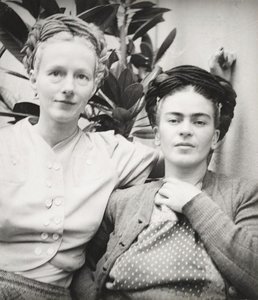
betty lou packard
1914 - 1998 , United States of America
基本情報
- Artistic Movement Or Style: Social Realism
- Artists Who Influenced This Artist:
- Diego Rivera
- Frida Kahlo
- Date Of Birth: April 15, 1914
- Date Of Death: February 22, 1998
- Full Name: Emmy Lou Packard
- Nationality: American
- Place Of Birth: Near El Centro, USA
関連記事
Frida Kahlo: A Life Painted – Surrealism, Identity & Autobiographical Narrative
Explore the life & art of Frida Kahlo – a journey through surrealism, identity, pain, and resilience. Discover her autobiographical masterpieces & lasting feminist legacy with ArtsDot.
Beyond the Lens: Photography's Enduring Influence on Modern & Contemporary Art
Explore photography's pivotal role in shaping modern & contemporary art. Discover key movements, influential artists like Stieglitz, and expert collecting advice from ArtsDot.

Monochrome Visions: Exploring the Aesthetic & Historical Significance of Black & White Photography
Explore the rich history & artistic power of black and white photography. From early techniques to iconic masters like Ansel Adams, discover why monochrome continues to captivate art lovers today. Expert insights for collectors.

Pictorialism: A Search for Artistic Photography's Soul – Aesthetics, Techniques & Legacy
Explore the captivating world of Pictorialism – a pivotal movement that transformed photography into fine art. Discover key artists like Stieglitz & Käsebier, techniques, and collecting tips from experts.
Revolution on Canvas: Exploring the Socio-Political Power & Artistic Legacy of Mexican Muralism
Explore the powerful world of Mexican muralism! Discover Diego Rivera, Frida Kahlo & Orozco's revolutionary art, social impact & lasting legacy. Expert insights & high-quality reproductions at ArtsDot.