

 プレビュー
プレビュー
 プリントを購入
 シェアする
シェアする シェアする
シェアする
 詳細を見る
詳細を見る

 ダウンロード
 似ている作品
 X線調査
X線調査 スライドショー
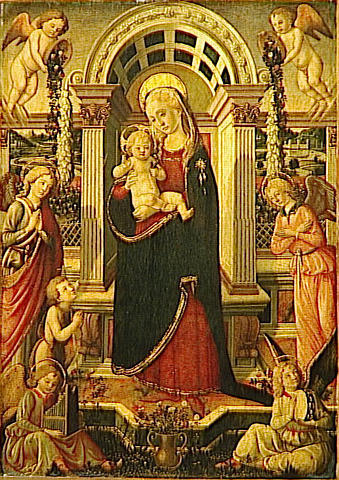
LA VIERGE ET L'ENFANT ENTOURES DE SIX ANGES ET DE SAINT JEAN BAPTISTE ENFANT


 詳細を見る
詳細を見る
オンラインプレビューをはるかに凌ぐ、高解像度で鮮明なデジタル画像をご購入いただけます。
各ファイルは、社内の専門家が高度なツールと熟練した手作業によるレタッチを用いて、細心の注意を払って準備されています。すべての画像において、卓越した鮮明度、正確な色彩再現性、そして繊細なディテールを保証いたします。
最終ファイルは、プロフェッショナルな編集・印刷環境ですぐにご利用いただけるよう最適化された状態で、72時間以内にメールにてお届けいたします。これは、一流のデザインスタジオ、出版社、ギャラリーから信頼されているものと同等の品質です。
デジタル画像のご注文に付随する特典
高品質なデジタル画像配信を、確かな品質で。
ArtsDot.com を選ぶことは、単に画像を手に入れることではありません。それは、プロの手によって精密に仕上げられ、満足保証が付いた高品質なデジタルアートワークを受け取ることを意味します。ご注文いただいた際に自動的に付随する内容は、以下の通りです:

メールですぐにお届け
ご注文から72時間以内に、高解像度のデジタル画像ファイルがメールでお手元に届きます。すぐにそのままご利用いただけます。

AI技術で最適化されたデジタルファイル
お客様の作品は、高度なAIツールと専門家による手作業の編集を組み合わせてプロフェッショナルに最適化されており、細部のディテール、鮮明さ、そして正確な色再現性を最大限に引き出しています。

一生涯無料の再送サービス
ファイルを誤って削除したり、紛失してしまったりしましたか?ご安心ください。いつでも無料で再送いたします。

輸入手数料は一切かかりません
関税や手数料、配送料を気にすることなく、お気に入りのアートワークをすぐにお楽しみいただけます。デジタルダウンロードは常に免税です。

色彩再現の保証
プロ仕様のツールとカラーマネジメント技術を用いることで、デジタル画像が元の色を最大限に忠実に再現することを保証いたします。

60日間満足保証
ご購入いただいたデジタル画像にご満足いただけない場合は、60日以内であれば、修正または100%の返金(理由を問う必要はありません)をさせていただきます。

100% 返金保証
ご満足いただけない場合は、デジタルファイルを受け取ってから60日以内であれば、理由を問わず全額返金いたします。

まとめ買い割引
3枚購入で10%OFF - 5枚購入で15%OFF - 10枚以上購入で20%OFF。クリエイティブなプロジェクト、ギャラリー、エージェンシーに最適です。
Biagio d’Antonio Tucci: A Florentine Master of Devotion
Biagio d’Antonio Tucci (1446 – 1516) remains an intriguing figure within the vibrant tapestry of Renaissance art, a painter whose legacy is both substantial and subtly debated. Born in Florence during a period of immense artistic ferment—a time when the echoes of Filippo Lippi's innovative style mingled with the burgeoning influence of early Netherlandish realism—Tucci carved out a distinctive path, characterized by meticulous detail, a delicate palette, and an ability to imbue religious scenes with profound emotional resonance. He wasn’t a flamboyant innovator like some of his contemporaries; rather, he was a master craftsman who refined existing techniques and brought a quiet elegance to the devotional works that defined much of Florentine art during this era.
Early in his career, Tucci found himself immersed within the workshops of established masters such as Jacopo del Sellaio and Andrea Verrocchio. These formative experiences provided him with invaluable training and access to a network of artistic connections—a crucial element in navigating the competitive landscape of Renaissance Florence. This apprenticeship is particularly evident in his early collaborations, notably the magnificent *Morelli Nerli Cassoni*, monumental painted chests commissioned for wealthy Florentine families. These elaborate panels demonstrate Tucci’s burgeoning skill in decorative painting techniques, showcasing a remarkable understanding of perspective, color theory, and the creation of intricate patterns—a testament to his growing mastery of the visual arts.
The Virgin and Child: A Symphony of Angels and Saints
The subject at hand, “La Vierge et l’Enfant entourés de six anges et du petit saint Jean Baptiste,” is a quintessential example of Tucci's artistic sensibilities. The painting depicts the Virgin Mary cradling the infant Jesus, surrounded by a celestial host of angels and the diminutive Saint John the Baptist. It’s not merely a representation of a biblical scene; it’s an orchestrated tableau of piety and grace, meticulously rendered with a sensitivity that speaks to Tucci's deep understanding of religious iconography.
The composition is remarkably balanced, drawing the eye towards the central figures while subtly guiding it through the surrounding details. The arrangement of the angels—some closer, others further away—creates a sense of depth and spatial complexity, mirroring the techniques employed by artists like Filippo Lippi. Note the careful attention to drapery, rendered with a subtle interplay of light and shadow that adds volume and realism to the figures. The use of color is restrained yet effective, favoring muted tones and delicate gradations that contribute to the painting’s overall atmosphere of serenity and reverence.
Technique and Historical Context
Tucci's artistic style reflects a fascinating synthesis of influences—a harmonious blend of Florentine Renaissance ideals and elements borrowed from early Netherlandish painting. This fusion resulted in canvases imbued with a nuanced balance of realism and expressive color, distinguishing him from many of his contemporaries who adhered more rigidly to established conventions. His meticulous attention to detail—particularly evident in the faces of the figures and the intricate folds of their garments—underscores the humanist spirit of the era, reflecting a desire to capture not only the outward appearance but also the inner essence of his subjects.
The painting’s creation coincided with a period of significant artistic activity in Florence. Cosimo Rosselli's frescoes in the Sistine Chapel and Pietro Perugino’s work on the Palazzo della Signoria demonstrated the city’s commitment to producing monumental works of art that celebrated both religious faith and civic pride. Tucci’s involvement in these projects—assisting with the decoration of the Sistine Chapel and contributing to the embellishment of the Palazzo della Signoria—cemented his reputation as one of Florence's foremost painters. His work, like that of many Florentine artists at this time, was deeply influenced by the humanist ideals flourishing within the city’s intellectual circles.
Symbolism and Emotional Resonance
Beyond its technical merits, “La Vierge et l’Enfant” is rich in symbolic meaning. The presence of six angels surrounding the Virgin and Child signifies her divine grace and protection. Saint John the Baptist, depicted as a young boy, represents innocence and foreshadows Christ's future sacrifice. The overall composition evokes a sense of profound peace and spiritual contemplation—a testament to Tucci’s ability to capture the emotional core of religious devotion.
The painting’s enduring appeal lies not only in its aesthetic beauty but also in its capacity to connect with viewers on a deeply personal level. It is a timeless depiction of motherhood, faith, and hope—themes that continue to resonate across cultures and generations. Reproductions of this work offer an opportunity to experience the quiet majesty and spiritual depth of Tucci’s artistic vision.
関連作品
作家の略歴
The Florentine Master: The Life and Legacy of Biagio d'Antonio Tucci
In the golden age of the Italian Renaissance, amidst the bustling workshops and intellectual fervor of Florence, emerged a painter whose work captured the very essence of humanism and divine grace. Biagio d’Antonio Tucci, born around 1446, remains one of the most intriguing figures of this era. While much of his early life remains shrouded in the mists of history, his artistic footprint is indelibly etched into the fabric of Florentine culture. Growing up in a city that served as the heartbeat of the Renaissance, Tucci was immersed in an environment where art, science, and philosophy converged, shaping a sensibility that would later define his meticulous approach to both sacred and secular subjects.
The development of Tucci’s style was not a solitary journey but rather a beautiful tapestry woven from the influences of the greatest masters of his time. His early career was marked by significant collaborations within the prestigious Florentine workshop culture, working alongside luminaries such as Andrea Verrocchio and Jacopo del Sellaio. These formative partnerships allowed him to absorb the rigorous anatomical precision of Verrocchio and the delicate, decorative elegance characteristic of the period's most sought-after artisans. This fusion of influences is perhaps most evident in his mastery of the cassoni—the magnificent, large-scale painted chests commissioned by wealthy Florentine families. In works like the Morelli Nerli Cassoni, Tucci demonstrated an unparalleled ability to blend narrative complexity with a rich, ornamental beauty that served as both a status symbol and a storytelling medium.
A Synthesis of Styles: From Florence to Faenza
As his reputation grew, Tucci’s artistic horizons expanded far beyond the walls of Florence. By 1472, his journey led him to Faenza, where he undertook ambitious fresco commissions that showcased a new level of narrative ambition. It was during this period that his ability to integrate large-scale storytelling with illusionistic depth truly flourished. His Ragnoli Altarpiece stands as a monumental achievement from this era, reflecting the profound influence of Filippo Lippi. In this work, one can observe the seamless integration of serene, emotive figures and a sophisticated use of space that draws the viewer into a sacred, atmospheric realm.
What truly distinguishes Tucci from his contemporaries was his unique ability to synthesize the local Florentine tradition with the burgeoning influences of Early Netherlandish painting. While his structural foundations remained rooted in the Italian mastery of form and perspective, he adopted the Northern European penchant for minute detail and a nuanced, luminous color palette. This stylistic alchemy resulted in canvases that possessed a startling realism; his portraits and religious scenes are imbued with a tactile quality, where the texture of fabric and the soft glow of light on skin feel almost tangible to the observer.
Enduring Significance and Artistic Triumph
The breadth of Tucci’s oeuvre is a testament to his versatility as a painter of both the intimate and the monumental. His religious compositions, such as the iconic Madonna and Child, exemplify his ability to evoke profound spiritual devotion through subtle emotion and balanced composition. Similarly, works like La Vierge et l’Enfant entourés de six anges et de Saint Jean Baptiste Enfant reveal a master capable of managing complex groupings of figures with grace and clarity, ensuring that every angel and saint contributes to a harmonious whole.
Biagio d’Antonio Tucci passed away on June 1, 1516, leaving behind a legacy that contributed significantly to the dissemination of Renaissance ideals across Italy. His importance lies not only in the beauty of his individual works but in his role as a bridge between different artistic traditions—connecting the decorative splendor of the Florentine tradition with the descriptive realism of the North. Today, his paintings continue to fascinate art historians and enthusiasts alike, serving as windows into a period of unparalleled human creativity and spiritual depth.
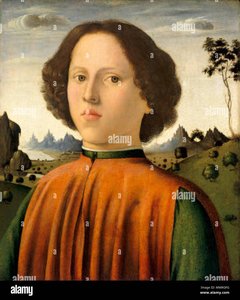
Biagio d'Antonio Tucci
1446 - 1516 , Italy
プロフィール概要
- Artistic Movement Or Style: Renaissance
- Artists Or Movements Influenced By This Artist: ['Early Netherlandish Painting']
- Artists Who Influenced This Artist:
- Filippo Lippi
- Andrea del Verrocchio
- Domenico Ghirlandaio
- Date Of Birth: Florence, Italy (1446)
- Date Of Death: 1516
- Full Name: Biagio d'Antonio Tucci
- Nationality: Italian
- Notable Artworks:
- Scenes from the Story of Io
- Madonna di San Biagio
- Place Of Birth: Florence

