

 プレビュー
プレビュー
 プリントを購入
 シェアする
シェアする シェアする
シェアする
 詳細を見る
詳細を見る

 ダウンロード
 似ている作品
 X線調査
X線調査 スライドショー
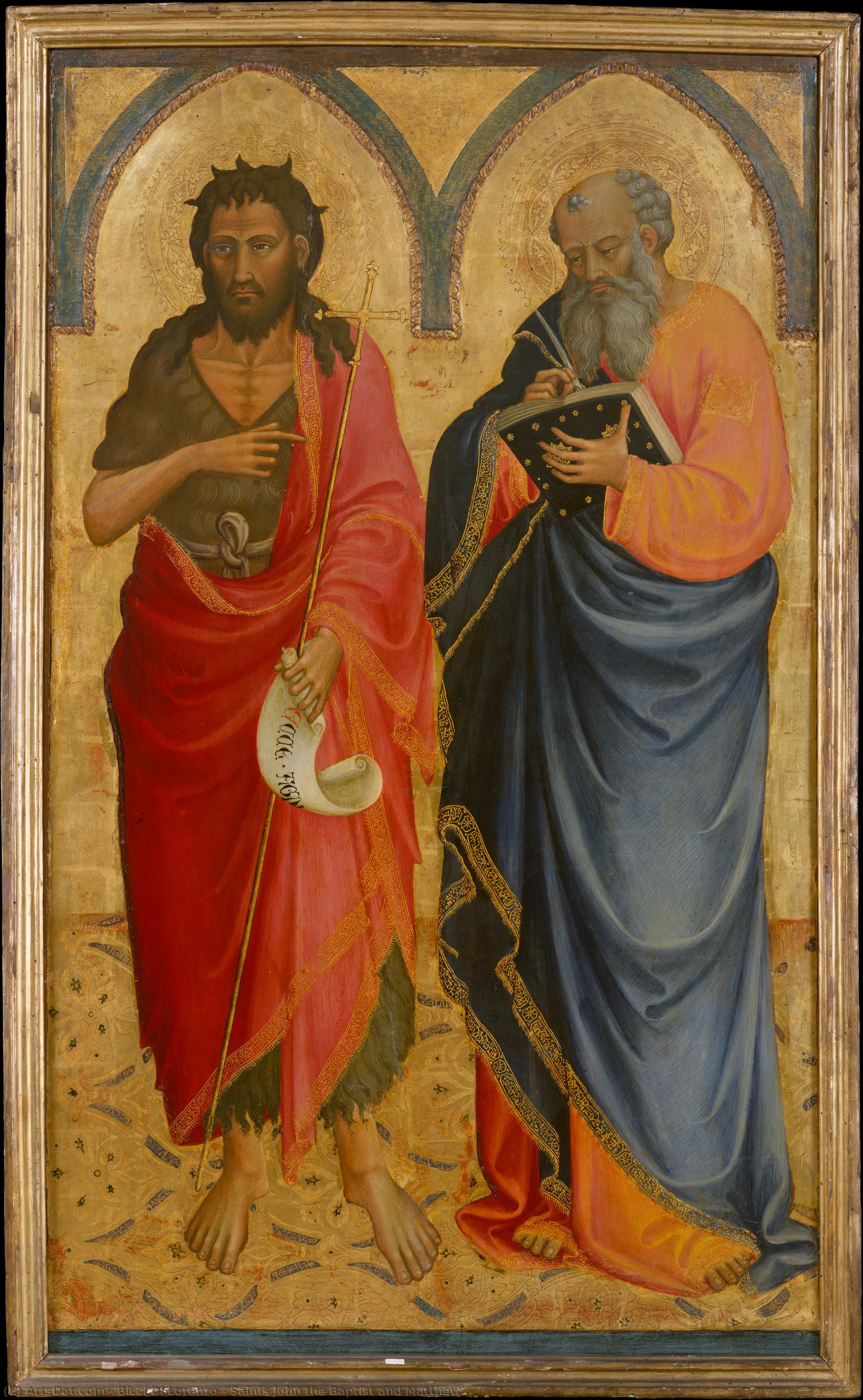
Saints John the Baptist and Matthew
 Tempera
- WallArt
- Early Renaissance
 1433
1433 124.0 x 74.0 cm
 メトロポリタン美術館
 詳細を見る
詳細を見る




P118B $10

P118H $10

P118W $10

P438Z $10

P508JH $12

P508YH $12

P805H $10

P805Z $10

P919BZ $10

P919G $10

P919XJ $10

P959ZH $10

P968JZ $12

W106C $8

W218G $10

W218JH $8

W218Y $10

W307PJ $10

W316G $10

W316PJ $8

W316Y $10

W398PJ $8

W4111J $10

W500HY $15

W500JH $15

W692G $12

W849H $8

W940BG $15

W953PJ $8




作品のオリジナル比率に合わせた、当店の規定サイズからお選びください。

特定のフレームやスペースに合わせて、ご希望のサイズをご入力いただけます。選択されたサイズが元の画像の比率と異なる場合、アートワークをトリミングするか、手描きで要素を追加して絵画を拡張いたします。デジタルモックアップ を制作し、制作開始前にご確認(承認)をいただきます。
画面上のプレビューは、実際のトリミングや拡張を正確に反映しているものではありません。最終的な構図は、モックアップによってのみ正確にご確認いただけます。
カスタムサイズもご利用いただけますが、元の比率を維持するためには、あらかじめ用意されたリストからサイズを選択することをお勧めいたします。
ご注文後、ArtsDot.com チームより詳細な指示をお送りするとともに、仕上がりイメージ(モックアップ)をご提供いたします。


 ガラスオプションは、110cm未満のサイズでのみご利用いただけます。

Saints John the Baptist and Matthew
複製技法
複製画のサイズ
-


合計金額
$ 288
作品解説
A Moment of Reverence: Exploring Bicci di Lorenzo’s “Saints John the Baptist and Matthew”
Bicci di Lorenzo's 1433 tempera painting, "Saints John the Baptist and Matthew," is more than just a devotional work; it’s a carefully constructed tableau of faith, wisdom, and the quiet dignity of early Renaissance spirituality. The piece, now housed in the Metropolitan Museum of Art, immediately draws the viewer into a space of serene contemplation, achieved through a masterful blend of color, form, and architectural detail. It's a painting that whispers stories of biblical narrative and embodies the burgeoning humanist ideals taking root within Florence at the time.
The composition is strikingly symmetrical, reflecting a desire for balance and harmony characteristic of the period. Two figures dominate the central space – Saint John the Baptist, identifiable by his staff and scroll (a symbol of authority and knowledge), and Saint Matthew, depicted with the book representing his role as the Evangelist. They are positioned within an arched architectural setting, reminiscent of a Roman basilica, which anchors the scene in both time and tradition. The background is not merely decorative; it’s a carefully rendered illusionistic space that subtly deepens the sense of depth and perspective – a key element of Renaissance painting.
The Language of Tempera: Technique and Detail
Bicci di Lorenzo's choice of tempera as his medium is crucial to understanding the painting’s character. Tempera, made from pigments mixed with egg yolk, allows for smooth layering of color and a remarkable level of detail. Observe closely, and you’ll notice the subtle gradations in tone, achieved through meticulous application of paint – a testament to the artist's skill and patience. The brushstrokes themselves are visible, lending a sense of texture and immediacy to the figures’ robes and drapery. This technique creates a slightly rough surface, adding a tactile quality that contrasts with the smooth transitions between colors.
The rendering of the fabrics is particularly noteworthy. The folds and creases in the garments are depicted with astonishing realism, conveying both their weight and movement. The use of gold leaf in the architectural elements further enhances the painting’s richness and luminosity, creating a sense of opulence and sacredness. The artist's attention to detail extends to the faces of the saints, which are rendered with a quiet solemnity that reflects their spiritual devotion.
Symbolism and Context: A Window into Florentine Faith
Beyond its formal beauty, “Saints John the Baptist and Matthew” is rich in symbolic meaning. The staff held by John represents his role as a prophet and herald of Christ’s coming, while the scroll he carries contains scripture – a direct reference to his prophetic mission. Matthew's book symbolizes his role as the author of one of the Gospels, documenting the life and teachings of Jesus. The architectural setting itself is significant, evoking the grandeur of Roman basilicas—places of worship and civic importance—and suggesting the enduring legacy of Christian faith.
Painted in 1433, during a period of immense artistic and intellectual ferment in Florence, this work reflects the city’s growing confidence as a center of art and learning. Bicci di Lorenzo was part of a vibrant workshop environment, influenced by masters like Jacopo di Cione and Andrea di Cione, who were experimenting with new techniques and styles. The painting stands as a testament to the flourishing of devotional art in Florence during this transformative era.
A Legacy of Devotion: Reproductions and Inspiration
“Saints John the Baptist and Matthew” continues to resonate today, offering a glimpse into the spiritual and artistic values of the early Renaissance. High-quality reproductions capture the painting’s luminous colors and intricate details, making it accessible for study and appreciation. Its serene composition and profound symbolism make it an ideal choice for interior design, bringing a sense of contemplative beauty to any space. The work serves as a reminder of the enduring power of faith, art, and human creativity.
関連作品
アーティストの略歴
ロレンツォ・ディ・ビッキ(c. 1373年~1452年):献身のフィレンツェの巨匠
ロレンツォ・ディ・ビッキは、1373年頃にフィレンツェで生まれ、14世紀後半から15世紀初頭にかけて隆盛を極めたフィレンツェ派絵画において中心的な存在として輝きました。彼の生没に関する記録は乏しく、特に父親の身元は謎に包まれていますが、学界の総意は、彼がジャコポ・ディ・チオーネとアンドレア・ディ・チオーネという芸術家たちのもとで修行を積んだことを確固たるものとしています。この師匠たちの様式的な革新は、ロレンツォの芸術的軌跡に深く影響を与えました。こうした血筋は、色彩パレットの実験や構図の流動性といった要素によって特徴づけられる活気ある環境の中に彼を位置づけ、当時の広範な潮流を映し出していました。- 初期の生活と修行: ロレンツォの形成期は、彼の芸術的な取り組み自体がロレンツォ特有のアプローチを予感させる職人であった父、ジャコポ・ディ・ビッキの工房に身を置くことで過ごされました。1370年までに聖ルカ組合員となったことは、彼に計り知れないほどの芸術的知識へのアクセスを提供し、フィレンツェの勃興する文化的な景観の中に人脈を築かせました。
- 初期のキャリアとパトロン: 彼の最初の依頼作品である、アパ・デイ・ヴィナッティエリ(ワイン職人組合)のために描かれた「聖マルティン列座」のパネルは、フィレンツェ市民、特に聖職者やギルドに奉仕するというロレンツォの献身を象徴しており、これは彼の芸術家としてのキャリアを定義するパターンとなりました。アニオーロ・ガディやコルソ・ディ・ジャコポとの協働は、さらに彼の技術を磨き上げ、影響力のある芸術的な潮流に彼を触れさせました。
- 様式と技法: ロレンツォの様式は、その抑制された優雅さと熟練した実行力によって即座に認識されます。壮大な物語や精巧な装飾を好んだ同時代の多くの芸術家たちとは異なり、彼は均衡のとれた対称性、そして意図的な複雑さの回避を特徴とする構図を好みました。描かれた人物たちは穏やかな表情をしており、しばしば感情を欠いているように見えましたが、アンドレア・ディ・チオーネの緻密なデッサン技術の影響を反映し、並外れた解剖学的な正確さをもって表現されていました。
- 代表作: ロレンツォの芸術的遺産は、今日なお観る者を魅了し続けるいくつかの象徴的な絵画によって確固たるものとなっています。サンフランシスコのレジオンドヌール美術館に収蔵されている『聖ヨハネ洗礼者とミニアス』は、繊細な色彩の調和と建築的ディテールを通して精神的な深みを伝える彼の能力を示しています。同様に、『四福音書記者』のフレスコ画は、ロレンツォの技術力の証であり、遠近法と陰影の技法に対する熟練した習熟度を実証しています。
- 遺産と影響: ロレンツォ・ディ・ビッキの芸術的成果は、後世のフィレンツェの画家たちに深く影響を与え、特に彼の息子ネリ・ディ・ビッキがこの献身的な芸術の家系の伝統を引き継ぎました。宗教的な主題を描き続ける彼の一貫した献身と、フィレンツェ共同体への奉仕というコミットメントは、彼をルネサンス美術発展の礎石であり、フィレンツェの信仰心の永続的な象徴として確固たる地位を築いています。
メディチ宮殿のフレスコ画:パトロンと芸術的革新の反映
ロレンツォにとって最も野心的な事業は、間違いなくコジモ・デ・メディチによって依頼されたメディチ宮殿を飾るフレスコ画群でした。このプロジェクトは、彼を同時代を代表する芸術家としての名声で確固たるものにしました。聖書の歴史や神話の物語を描いたこれらの記念碑的な絵画は、フィレンツェルネサンス美術の頂点を示しており、ロレンツォの色使い、構図、遠近法における熟練を披露しています。このフレスコ画群は単なる装飾以上の役割を果たし、メディチ家のパトロンシップという力強い声明となり、貴族からの依頼が芸術的な潮流を形作る上で果たした変革的な役割を示していたのです。ロレンツォの芸術的繋がりを探る:影響と協働
ロレンツォの芸術的な発展は、同業者や職人たちとの交流と切り離すことはできませんでした。それはフィレンツェの芸術のエコシステム内にダイナミックなアイデア交換を育みました。ジャコポ・ディ・チオーネのもとでの修行は、彼に表現力豊かな色彩パレットへの深い理解を植え付けました—これは彼の絵画全体に浸透する特徴となりました。一方、アンドレア・ディ・チオーネとの協働は、彼のデッサン技術を磨き上げ、革新的な構図戦略に触れる機会を与えました。さらに、聖ルカ組合への関与は、芸術資源へのアクセスを容易にし、フィレンツェの活気ある文化的な環境の中に人脈を築く手助けとなりました。信仰に捧げられた画家:ロレンツォの作品における主題と象徴性
ロレンツォ・ディ・ビッキの芸術的成果は一貫して宗教的なテーマ、すなわち聖人の描写、聖書の物語、典礼の場面を中心に据えており、これは彼が生きたフィレンツェ社会に浸透していた信仰心の広範な影響を反映しています。彼の絵画は象徴的なイメージを用い—中世の図像学における確立された慣習から引き出すもの—精神的な真実を伝え、鑑賞者に感情的な反応を呼び起こしました。しばしば明白な感情を欠いた人物たちの穏やかな表情は、ロレンツォの作品をヨーロッパの他の地域で流行していたより華美な芸術的試みとは一線を画す、思索的な美学を強調していたのです。結びの考察:ロレンツォ・ディ・ビッキの永続的な意義
ロレンツォ・ディ・ビッキがフィレンツェ美術にもたらした貢献は、単なる様式の革新を超越しています。彼は、古典的な理想への深い関与と、人間の経験を尊厳と慈悲をもって描こうとするコミットメントによって特徴づけられる、その時代のヒューマニズム精神そのものを体現していたのです。フィレンツェ共同体に奉仕するという彼の揺るぎない献身は、芸術技術の熟練度と相まって、彼を14世紀で最も影響力のある画家の一人としての地位を確固たるものにし、その遺産が今なお芸術家や学者たちにインスピレーションを与え続けています。
ビッキ・ディ・ロレンツォ
1350 - 1427 , イタリア
基本情報
- Artistic Movement Or Style: フィレンツェ派
- Artists Or Movements Influenced By This Artist: ['ジェンティレ・ダ・ファブリアーノ']
- Artists Who Influenced This Artist:
- アンドレア・ディ・チオーネ
- ジャコポ・ディ・チオーネ
- Date Of Birth: 1373年頃
- Date Of Death: 1452年
- Full Name: ロレンツォ・ディ・ビッキ
- Nationality: イタリア人
- Notable Artworks:
- 玉座の聖マルティン
- 聖ヨハネとマタイ
- 四福音書記者(詳細)
- 三人の若者を蘇らせる聖ニコラウス
- Place Of Birth: フィレンツェ、イタリア
関連記事

ジョット・ディ・ボンドーネ:至高の25選 - ルネサンスの夜明けを彩る傑作たち | ArtsDot
ジョット・ディ・ボンドーネの至高の25選。ルネサンス美術を牽引した巨匠の傑作と、その感動的な物語を紐解きます。高品質な絵画複製やインテリアアートで、名画の世界をあなたの空間に。ArtsDot.com でコレクションをご覧ください。

ジョン・シンガー・サージェント:至高の25選 - 美と光の肖像画の世界 | ArtsDot
ジョン・シンガー・サージェントの至高の25選。肖像画、写実主義、光と影の表現が美しい作品群を紐解きます。マダムXや少女の肖像など、時代を超えて愛される名作をArtsDotで鑑賞。高品質なアート複製で、お部屋に美術館のような空間を。今すぐコレクションをご覧ください。

ジョン・コンスタブルの傑作25選:英国風景画の巨匠が描く自然と光の詩 | ArtsDot
ジョン・コンスタブルの傑作25選。英国風景画の巨匠が描く自然と光の詩の世界へ。ロマン主義を代表する絵画、デダム・ヴェールやヘイ・ウェインなど、ArtsDotで高品質なアートプリントをお楽しみください。インテリアに深みと感動を。コレクションはこちら。
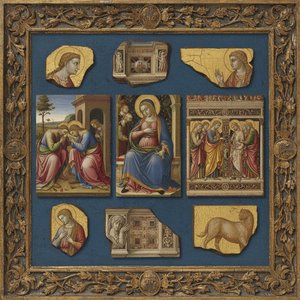
Proto-Renaissance Masters: 10 Artworks That Changed History | ArtsDot
Journey back to the dawn of Renaissance art! Explore 10 iconic Proto-Renaissance masterpieces by Giotto, Cimabue & Duccio. Discover their stories, techniques & lasting impact. Find museum-quality reproductions for your home at ArtsDot.com
ヴェネツィア・ビエンナーレ厳選25作品:芸術と歴史が織りなす至高のコレクション | ArtsDot
ヴェネツィア・ビエンナーレの至宝25選。印象派から現代アートまで、名画の背景にある物語と芸術家の情熱を紐解きます。ArtsDotで、キャンバスアートや油絵複製をお楽しみください。今すぐコレクションをご覧ください。

