

 プリントを購入
 シェアする
シェアする シェアする
シェアする
 詳細を見る
詳細を見る

 ダウンロード
 似ている作品
 スライドショー
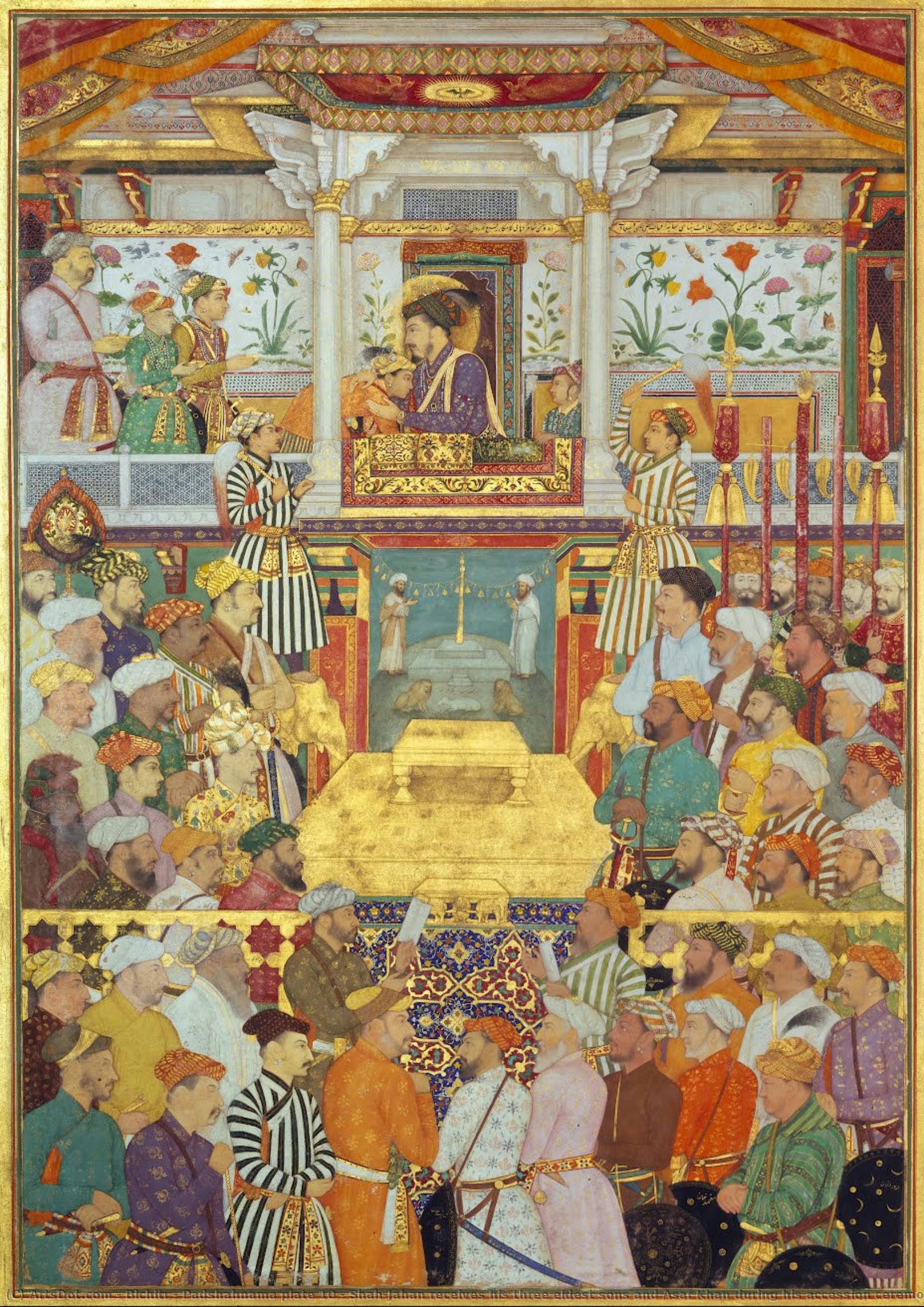
Padshahnama plate 10 : Shah-Jahan receives his three eldest sons and Asaf Khan during his accession ceremonies (8 March 1628)


 詳細を見る
詳細を見る
オンラインプレビューをはるかに凌ぐ、高解像度で鮮明なデジタル画像をご購入いただけます。
各ファイルは、社内の専門家が高度なツールと熟練した手作業によるレタッチを用いて、細心の注意を払って準備されています。すべての画像において、卓越した鮮明度、正確な色彩再現性、そして繊細なディテールを保証いたします。
最終ファイルは、プロフェッショナルな編集・印刷環境ですぐにご利用いただけるよう最適化された状態で、72時間以内にメールにてお届けいたします。これは、一流のデザインスタジオ、出版社、ギャラリーから信頼されているものと同等の品質です。
デジタル画像のご注文に付随する特典
高品質なデジタル画像配信を、確かな品質で。
ArtsDot.com を選ぶことは、単に画像を手に入れることではありません。それは、プロの手によって精密に仕上げられ、満足保証が付いた高品質なデジタルアートワークを受け取ることを意味します。ご注文いただいた際に自動的に付随する内容は、以下の通りです:

メールですぐにお届け
ご注文から72時間以内に、高解像度のデジタル画像ファイルがメールでお手元に届きます。すぐにそのままご利用いただけます。

AI技術で最適化されたデジタルファイル
お客様の作品は、高度なAIツールと専門家による手作業の編集を組み合わせてプロフェッショナルに最適化されており、細部のディテール、鮮明さ、そして正確な色再現性を最大限に引き出しています。

一生涯無料の再送サービス
ファイルを誤って削除したり、紛失してしまったりしましたか?ご安心ください。いつでも無料で再送いたします。

輸入手数料は一切かかりません
関税や手数料、配送料を気にすることなく、お気に入りのアートワークをすぐにお楽しみいただけます。デジタルダウンロードは常に免税です。

色彩再現の保証
プロ仕様のツールとカラーマネジメント技術を用いることで、デジタル画像が元の色を最大限に忠実に再現することを保証いたします。

60日間満足保証
ご購入いただいたデジタル画像にご満足いただけない場合は、60日以内であれば、修正または100%の返金(理由を問う必要はありません)をさせていただきます。

100% 返金保証
ご満足いただけない場合は、デジタルファイルを受け取ってから60日以内であれば、理由を問わず全額返金いたします。

まとめ買い割引
3枚購入で10%OFF - 5枚購入で15%OFF - 10枚以上購入で20%OFF。クリエイティブなプロジェクト、ギャラリー、エージェンシーに最適です。
作品の詳細
A Royal Homecoming: Bichitr’s Padshahnama Plate 10
The Mughal Emperor Shah Jahan’s accession ceremony in March 1628—a moment fraught with political intrigue and familial reconciliation—is immortalized in Bichitr’s “Padshahnama plate 10,” a breathtaking miniature painting housed within the Royal Collection Trust. More than just a depiction of an event, this artwork embodies the grandeur of Mughal court life and speaks volumes about the complexities of dynastic succession. Executed between 1630 and 1657 during Shah Jahan’s reign, it stands as one of the finest examples of Mughal painting technique—a testament to meticulous detail and vibrant color palettes achieved through painstaking layering of gold leaf and translucent pigments.- Subject Matter: The scene captures a pivotal reunion: Shah Jahan, having endured exile following his rebellion against Jahangir, returns to Agra Fort alongside his three eldest sons – Dara Shukoh, Shah Shuja, and Aurangzeb – marking the culmination of a turbulent period.
- Composition & Symbolism: Bichitr skillfully arranges figures within a richly ornamented balcony, emphasizing hierarchy and conveying profound symbolic meaning. The central figure, Shah Jahan himself, sits regally, surrounded by his family members, reflecting the emperor’s authority and piety. Two horses flank the scene, symbolizing power and prestige—one positioned near the center, representing Shah Jahan's dominion, and another on the right, signifying auspiciousness and divine favor.
- Historical Context: This plate belongs to a larger chronicle documenting Shah Jahan’s reign—a period marked by both artistic flourishing and political instability. It reflects the influence of Persian art traditions alongside burgeoning European styles, demonstrating the cosmopolitan spirit of Mughal patronage.
- Royal Collection Trust Significance: The painting's arrival in the Royal Collection underscores its exceptional quality and historical importance. Its provenance traces back to Asafuddawla’s acquisition in 1776 and subsequent presentation to George III in 1797, cementing its place within Britain’s artistic heritage.
関連作品
作家の略歴
Bichitr: A Mughal Master of Vibrant Detail
Early Life and Training
- Bichitr was an Indian painter active during the Mughal period. His origins are somewhat obscure, with details about his early life remaining largely undocumented.
- It is believed he was born in India during the 16th century and likely received training from his father or another experienced artist – a common practice at the time.
- His earliest known work dates to around 1615, indicating he was already a mature artist by that point. He remained active possibly until 1660.
Patronage and Artistic Context
- Bichitr enjoyed the patronage of two significant Mughal emperors: Jahangir and Shah Jahan. This imperial support was crucial for his artistic development and allowed him to create some of his most celebrated works.
- The Mughal court fostered a rich artistic environment, blending Persian, Indian, and increasingly, European influences. Bichitr thrived within this dynamic context.
- Mughal painting during this period was renowned for its meticulous detail, vibrant colors, and sophisticated compositions, often depicting scenes from court life, historical events, and literary narratives.
Artistic Style and Influences
- Bichitr’s style is distinguished by its exquisite craftsmanship, faultless technique, and a majestic formality. Britannica notes his court style may have been the most brilliant of all Mughal painters.
- He skillfully integrated Indian and Persian artistic traditions, creating a unique visual language.
- European influences are also evident in his work. Bichitr incorporated elements such as figures with shadows, Western perspective techniques, and even the occasional *putto* (cherubic figure) into his compositions.
- His paintings often feature intricate details, vibrant color palettes, and a refined sense of composition.
Notable Works
- Manohar: scenes from the childhood Krishna, from a *Sur Sagar* manuscript (housed in the Toledo Museum of Art), is one of his most celebrated works. This intricate drawing showcases his mastery of blending traditional Indian styles with European influences.
- He also created numerous portraits of Mughal emperors and nobles, demonstrating his skill in capturing likenesses and conveying status through artistic representation.
- His contributions to illuminated manuscripts were significant, adding visual splendor to literary texts.
Legacy and Historical Significance
- Bichitr’s legacy as a Mughal painter endures today. His unique artistic style has influenced generations of Indian artists.
- His work is admired for its beauty, craftsmanship, and the harmonious blend of diverse cultural influences.
- As a prominent figure in the Mughal art movement, Bichitr’s contributions to Indian art are undeniable. His paintings provide valuable insights into the artistic tastes and cultural values of the Mughal court.
- His works can be found in prestigious museums and collections worldwide, including the Victoria and Albert Museum in London.
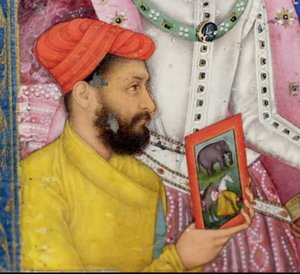
Bichitr
1660 , India
プロフィール概要
- Birth Place: New Delhi, India
- Death Date: 1660
- Influenced: Later Indian artists
- Influenced By: European art
- Movement: Mughal painting
- Name: Bichitr
- Nationality: Indian
- Notable Works: Manohar: scenes from the childhood krishna

