

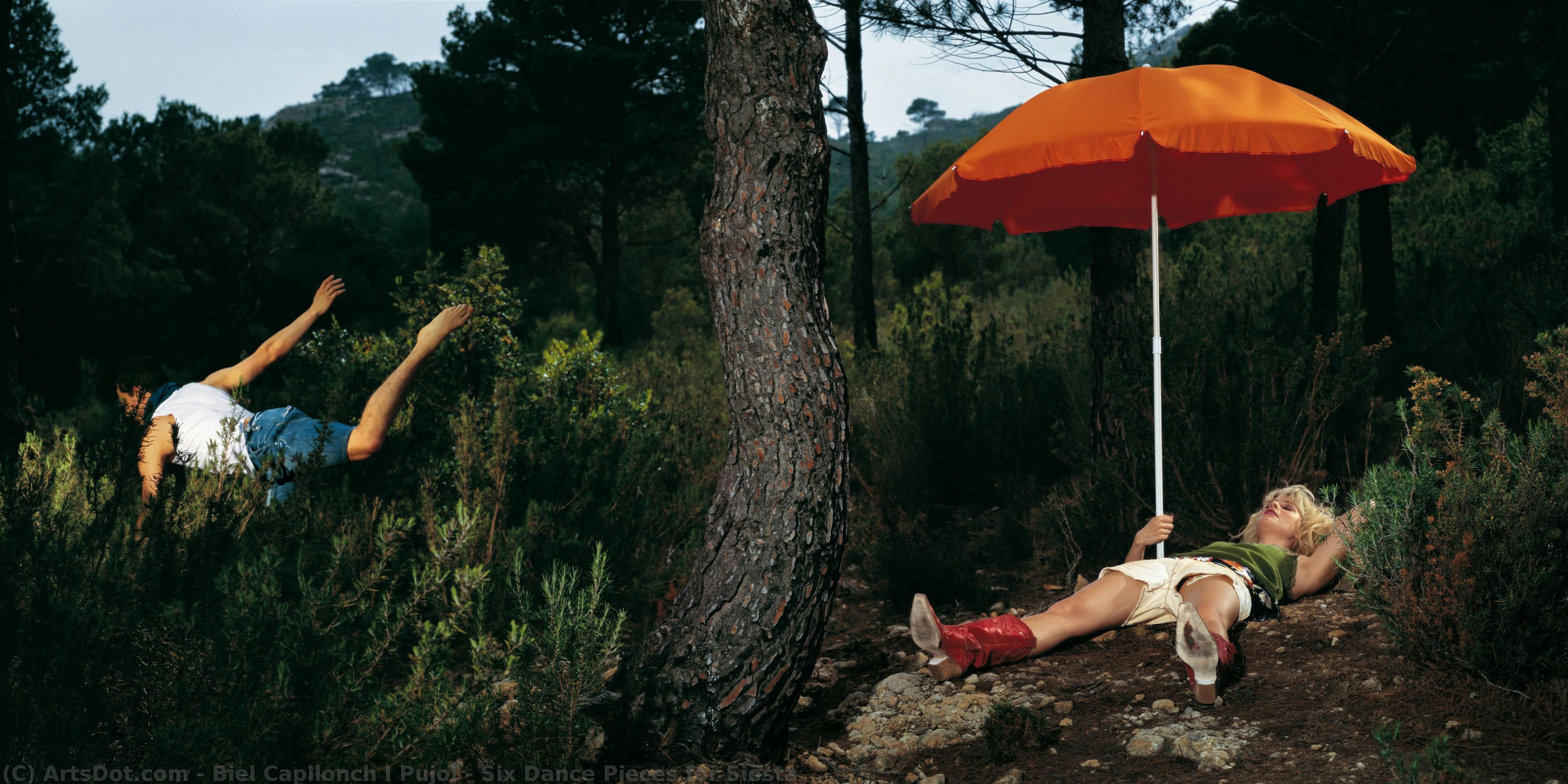
 プレビュー
プレビュー
 シェアする
シェアする シェアする
シェアする
 詳細を見る
詳細を見る

 ダウンロード
 似ている作品
 X線調査
X線調査 スライドショー
 Stats
StatsSix Dance Pieces for Siesta
 2006
2006 60.0 x 120.0 cm
 バルセロナ・デザイン美術館
 詳細を見る
詳細を見る
オンラインプレビューをはるかに凌ぐ、高解像度で鮮明なデジタル画像をご購入いただけます。
各ファイルは、社内の専門家が高度なツールと熟練した手作業によるレタッチを用いて、細心の注意を払って準備されています。すべての画像において、卓越した鮮明度、正確な色彩再現性、そして繊細なディテールを保証いたします。
最終ファイルは、プロフェッショナルな編集・印刷環境ですぐにご利用いただけるよう最適化された状態で、72時間以内にメールにてお届けいたします。これは、一流のデザインスタジオ、出版社、ギャラリーから信頼されているものと同等の品質です。
デジタルアート
個人での鑑賞、印刷、クリエイティブなプロジェクト用に、高解像度ファイルをダウンロードできます。 ( Switch to Print 手描きの絵画を購入)
デジタル画像のご注文に付随する特典
高品質なデジタル画像配信を、確かな品質で。
ArtsDot.com を選ぶことは、単に画像を手に入れることではありません。それは、プロの手によって精密に仕上げられ、満足保証が付いた高品質なデジタルアートワークを受け取ることを意味します。ご注文いただいた際に自動的に付随する内容は、以下の通りです:

メールですぐにお届け
ご注文から72時間以内に、高解像度のデジタル画像ファイルがメールでお手元に届きます。すぐにそのままご利用いただけます。

AI技術で最適化されたデジタルファイル
お客様の作品は、高度なAIツールと専門家による手作業の編集を組み合わせてプロフェッショナルに最適化されており、細部のディテール、鮮明さ、そして正確な色再現性を最大限に引き出しています。

一生涯無料の再送サービス
ファイルを誤って削除したり、紛失してしまったりしましたか?ご安心ください。いつでも無料で再送いたします。

輸入手数料は一切かかりません
関税や手数料、配送料を気にすることなく、お気に入りのアートワークをすぐにお楽しみいただけます。デジタルダウンロードは常に免税です。

色彩再現の保証
プロ仕様のツールとカラーマネジメント技術を用いることで、デジタル画像が元の色を最大限に忠実に再現することを保証いたします。

100日間満足保証
ご購入いただいたデジタル画像にご満足いただけない場合は、100日以内であれば、理由を問わず修正または100%の返金対応をさせていただきます。

100% 返金保証
ご満足いただけない場合は、デジタルファイルを受け取ってから100日以内であれば、理由を問わず全額返金いたします。

まとめ買い割引
3枚購入で10%OFF - 5枚購入で15%OFF - 10枚以上購入で20%OFF。クリエイティブなプロジェクト、ギャラリー、エージェンシーに最適です。
関連作品







作家の略歴
Robert Rauschenberg: A Life in Flux and Fusion
Born Milton Ernest Rauschenberg in Port Arthur, Texas, on October 22, 1925, Robert Rauschenberg’s artistic journey was defined by a restless curiosity and an unwavering commitment to blurring the boundaries between disciplines. His early life, shaped by a fundamentalist Christian upbringing and a strong connection to his family—particularly his sister Janet—provided a grounding that would later inform his exploration of personal narratives and societal observations. Rauschenberg’s artistic development wasn't linear; it was a constant process of experimentation, absorbing influences from various sources – including the vibrant energy of post-war New York, the burgeoning world of assemblage art, and the radical ideas circulating within the nascent Pop Art movement.
Early studies at the University of Texas at Austin exposed him to the principles of design and photography, skills he would later master. However, it was his time in Europe, particularly in France during 1949-50, that proved transformative. Immersed in a milieu of avant-garde artists and writers—including Jean Arp, Max Ernst, and Marcel Duchamp—Rauschenberg began to dismantle traditional notions of painting and sculpture. He embraced the concept of “chance” as a crucial element in his creative process, utilizing techniques like card decks and dice rolls to determine color palettes, compositional arrangements, and even the incorporation of found objects into his work.
The Rise of Assemblage and Combines
Rauschenberg’s breakthrough came with his “Assemblages” (1954-1960), works that challenged the established hierarchy between painting and sculpture. These pieces, often constructed from everyday materials—discarded objects, photographs, fabric scraps, and even human hair—were not merely decorative; they were complex statements about consumer culture, memory, and the relationship between art and life. The term “Combine” emerged to describe his subsequent series of works (1954-1964), which further pushed these boundaries by integrating painting with sculptural elements, often incorporating found objects directly onto the canvas. These Combines—such as *Monogram* (1955) – were deliberately ambiguous, inviting viewers to interpret their meaning through a process of active engagement.
The influence of Marcel Duchamp is undeniable in Rauschenberg’s approach. Like Duchamp, he questioned the very definition of art, arguing that its value resided not in technical skill but in the conceptual idea behind it. However, unlike Duchamp's often ironic detachment, Rauschenberg infused his work with a palpable sense of empathy and vulnerability. His use of photographs—often sourced from vernacular magazines—added another layer of complexity, layering personal memories with broader cultural contexts.
Autobiography: A Monumental Reflection
In 1968, Rauschenberg created *Autobiography*, a monumental print that stands as one of the most significant works of his career. Commissioned by Marion Javits, wife of Senator Jacob Javits, this sixteen-and-a-half-foot-tall work is a sprawling collage of images—photographs, X-rays, maps, and found objects—arranged in a chaotic yet meticulously orchestrated composition. Printed on three sheets of paper using a billboard press (an unprecedented technique for fine art printing at the time), *Autobiography* represents a culmination of Rauschenberg’s artistic explorations, serving as a visual autobiography that simultaneously celebrates his personal history and reflects upon the broader cultural landscape.
The text printed on the central panel of *Autobiography*, transcribed in detail by Rauschenberg himself, is a poignant meditation on memory, loss, and the passage of time. It’s a deeply personal work, yet it also speaks to universal themes of identity and experience. The use of indexical images—direct traces of the artist's life—creates a powerful sense of immediacy and intimacy.
Late Career and Legacy
Throughout the 1970s and beyond, Rauschenberg continued to experiment with new media, including papermaking, performance art, and tapestry. He remained committed to his core principles of chance, collaboration, and the integration of disparate elements. His work during this period often explored themes of environmentalism, social justice, and the complexities of human relationships.
Rauschenberg’s influence on subsequent generations of artists is immeasurable. His pioneering approach to assemblage, his embrace of chance operations, and his willingness to challenge traditional artistic conventions paved the way for a wide range of contemporary practices. He received numerous accolades throughout his career, including the National Medal of Arts in 1993 and the Leonardo da Vinci World Award of Arts in 1995. Robert Rauschenberg died on May 12, 2008, leaving behind a vast and remarkably diverse body of work that continues to inspire and provoke thought.

biel capllonch i pujol
1968 - , Spain
プロフィール概要
- Artistic Movement Or Style:
- Assemblage
- Pop Art
- Neo-Dada
- Abstract Expressionism
- Artists Or Movements Influenced By This Artist:
- Andy Warhol
- Minimalism
- Artists Who Influenced This Artist:
- Picasso
- Pollock
- Jasper Johns
- Date Of Birth: October 22, 1925
- Date Of Death: May 12, 2008
- Full Name: Robert Rauschenberg
- Nationality: American
- Notable Artworks:
- Monogram
- Canyon
- Rauschenberg Prints
- Autobiography
- Place Of Birth: Port Arthur, Texas, USA