

 プレビュー
プレビュー
 シェアする
シェアする シェアする
シェアする
 詳細を見る
詳細を見る

 ダウンロード
 似ている作品
 X線調査
X線調査 スライドショー
 Stats
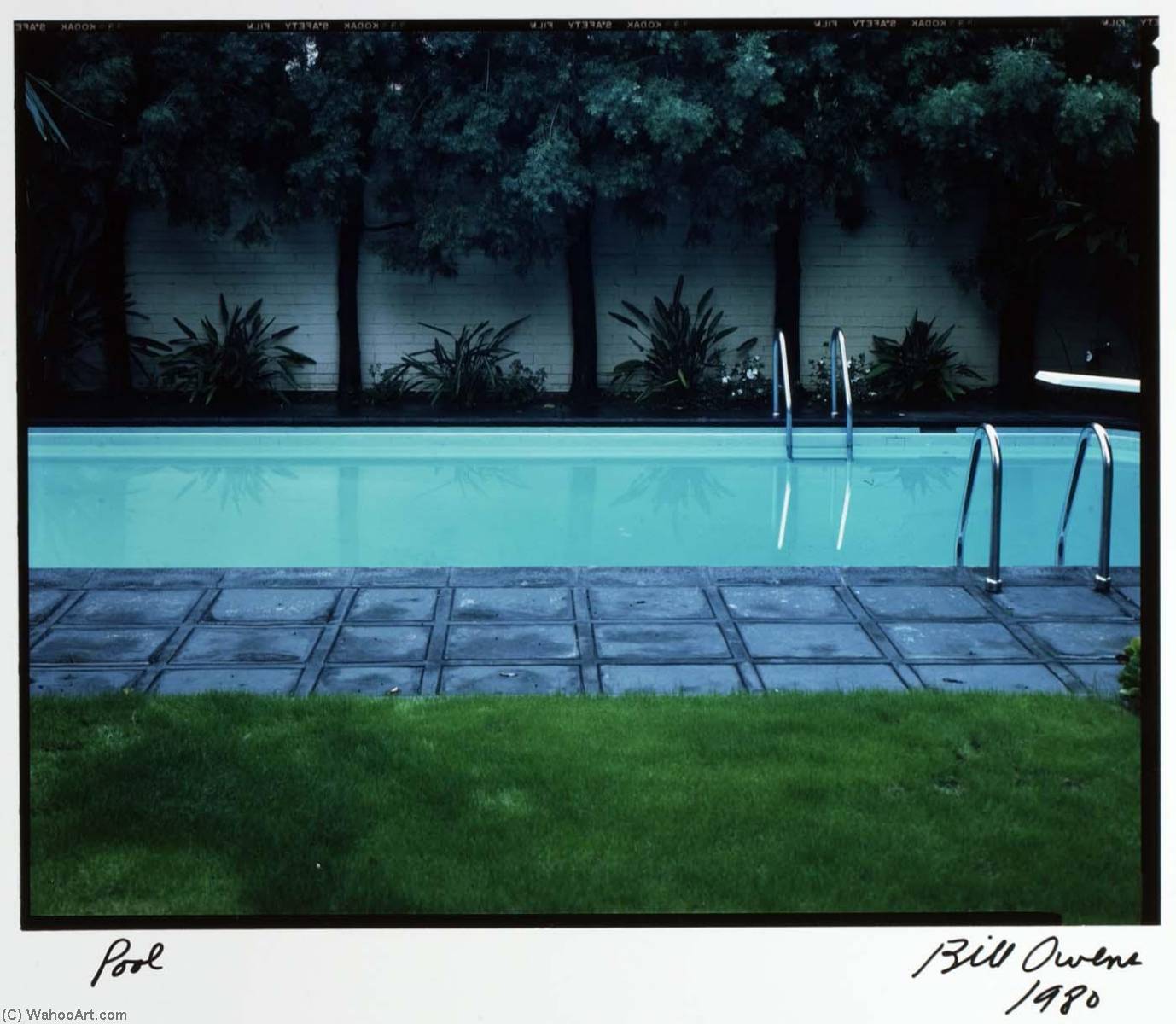
StatsPool, from the Los Angeles Documentary Project
 1980
1980 20.0 x 25.0 cm
 詳細を見る
詳細を見る
ジークレー/アートプリント
迅速な制作と多彩な仕上げオプションを備えた、ミュージアムクオリティのジークレーまたはキャンバスプリント。 ( 手描きの絵画を購入 Switch to Digital Image)




































作品のオリジナル比率に合わせた、当店の規定サイズからお選びください。

特定のフレームやスペースに合わせて、ご自身でサイズを指定することも可能です。選択されたサイズが元の画像の比率と一致しない場合、作品をトリミングするか、鏡面反射または単色での塗りつぶしによって画像を拡張いたします。制作を開始する前に、ご確認用のデジタルモックアップをお送りいたします。
画面上のプレビューには、実際のトリミングや拡張は反映されませんのでご注意ください。最終的な構図を正確に確認できるのは、モックアップのみとなります。
カスタムサイズも承っておりますが、元の比率を維持するためには、あらかじめ用意されたリストからサイズを選択することをお勧めいたします。


 ガラスオプションは、110cm未満のサイズでのみご利用いただけます。

Pool, from the Los Angeles Documentary Project
ジークレー/アートプリント
複製画のサイズ
-


合計金額
$ 62
関連作品







アーティストの略歴
The Quiet Observer of the American Dream
Bill Owens stands as a distinctive and evocative voice in the pantheon of American photography, particularly recognized for his profound documentation of suburban life during the formative years of the 1970s. Born on September 25, 1938, in San Jose, California, Owens’ artistic journey began amidst the burgeoning optimism and underlying anxieties of post-war America—a period meticulously rendered in his celebrated project, Suburbia. His early life, rooted in the agricultural landscapes of Citrus Heights and shaped by a stint as a Page in the U.S. House of Representatives, instilled within him a keen understanding of human behavior and social dynamics. This observational foundation would later become the bedrock of his photographic approach, allowing him to navigate the complexities of middle-class existence with both empathy and an astute, subtle humor.
The trajectory of Owens’ career was irrevocably altered through his involvement with the Los Angeles Documentary Project, a mission spearheaded by the legendary Robert Frank. Collaborating closely with Frank, Owens embarked on a quest to capture the everyday realities of suburban California, intentionally eschewing staged compositions in favor of spontaneous, unadorned moments. This period of exploration led to the publication of his seminal book, Suburbia (1973), a work that would cement his reputation as a pioneer of documentary photography. Through his lens, the tract housing developments that absorbed millions of Americans following World War II were transformed from mere architectural landscapes into vibrant, living stages of human experience.
A Mastery of Stillness and Authenticity
The photographic style of Bill Owens is characterized by a remarkable stillness and an understated beauty that serves as a deliberate contrast to the more frenetic photographic trends of his era. He famously eschewed elaborate retouching or manipulation, prioritizing a raw authenticity that captured the very essence of his subjects with unwavering honesty. His work often functions as a window into the human condition, capturing fleeting expressions of joy, quiet contemplation, and even the mundane rituals of domestic life. By selecting black and white tones that heightened textural detail and emphasized mood, Owens created images that are both visually arresting and emotionally resonant.
His technical approach was deeply intertwined with his philosophical commitment to truth. In works such as Racket Ball or Fourth of July Parade, the viewer is not merely looking at a scene but is invited into a shared moment of suburban reality. There is a certain democratic quality to his gaze; as critics have noted, Owens avoids the pitfalls of being a voyeur by including himself within the middle-class midst of his subjects. This sense of belonging allows his photographs to transcend mere representation, becoming instead a profound social commentary on the identity of a nation in transition.
Legacy and Historical Significance
The historical significance of Bill Owens' work lies in its ability to find the extraordinary within the ordinary. His contributions to the medium have been recognized with prestigious honors, including a Guggenheim Fellowship and two National Endowment for the Arts Grants. His photographs are not merely relics of a specific decade but are enduring studies of how environment shapes identity. The impact of his work has been felt internationally, with his images finding permanent homes in esteemed institutions such as the Museum of Modern Art (MoMA) and the Los Angeles County Museum of Art (LACMA).
Beyond his photographic achievements, Owens' life reflects a multifaceted engagement with culture and craft. His background as a photojournalist, editor, and even a brewer speaks to a lifelong passion for storytelling and the preservation of tradition. As we look back on the 20th century, Owens’ work remains an essential archive of the American spirit—a collection of images that captures the quiet, often overlooked beauty of the suburban landscape, reminding us that the most profound stories are often found in the most familiar places.

bill owens
1938 -
基本情報
- Artistic Movement Or Style: Documentary photography
- Date Of Birth: September 25, 1938
- Full Name: Bill Owens
- Nationality: American
- Notable Artworks:
- Suburbia
- Racket Ball
- Black on White
- Fourth of July Parade
- Place Of Birth: Fort Worth, Texas