

![[shoe Chair] — Birgit Jürgenssen](/media/artworks/images-full/88/b3/88b3611dee4116311e4230dae13c736e.jpg)
 シェアする
シェアする シェアする
シェアする
 詳細を見る
詳細を見る

 ダウンロード
 似ている作品
 スライドショー
 統計情報
統計情報[Shoe Chair]


 詳細を見る
詳細を見る
手描き油彩複製画
当社のアーティストが、お客様のご希望のサイズと額縁に合わせて、キャンバスに手描きで制作する油彩画です。 ( プリント版に切り替え デジタル画像販売へ切り替え)




































作品のオリジナル比率に合わせた、当店の規定サイズからお選びください。

特定のフレームやスペースに合わせて、ご希望のサイズをご入力いただけます。選択されたサイズが元の画像の比率と異なる場合、アートワークをトリミングするか、手描きで要素を追加して絵画を拡張いたします。デジタルモックアップ を制作し、制作開始前にご確認(承認)をいただきます。
画面上のプレビューは、実際のトリミングや拡張を正確に反映しているものではありません。最終的な構図は、モックアップによってのみ正確にご確認いただけます。
カスタムサイズもご利用いただけますが、元の比率を維持するためには、あらかじめ用意されたリストからサイズを選択することをお勧めいたします。
ご注文後、ArtsDot.com チームより詳細な指示をお送りするとともに、仕上がりイメージ(モックアップ)をご提供いたします。


 ガラスオプションは、110cm未満のサイズでのみご利用いただけます。

[Shoe Chair]
複製技法
複製画のサイズ
-


合計金額
$ 263
Birgit Jürgenssen’s “Shoe Chair”: A Study in Ambiguity and Feminist Critique
Birgit Jürgenssen's "Shoe Chair," created in 1974, is more than just a sculptural juxtaposition of a chair and a stiletto; it’s a potent statement born from the fertile ground of feminist art movements and a profound exploration of gender roles, physicality, and the very nature of objectification. Emerging from Vienna's vibrant avant-garde scene in the 1970s, Jürgenssen, a key member of DIE DAMEN collective – alongside figures like Evelyne Egerer and ONA B. – was relentlessly committed to challenging societal norms through her work, often employing unconventional materials and provocative imagery. “Shoe Chair” exemplifies this approach, presenting a deliberately unsettling hybrid that forces the viewer to confront uncomfortable questions about identity and representation.
- Conceptual Foundation: The sculpture’s genesis lies in Jürgenssen's interest in identifying with the material world, particularly through the lens of feminine experience. She sought to reveal the latent power residing within objects, using them as vehicles for exploring ideational depictions of the female form and its associated societal pressures.
- Symbolic Dichotomy: The pairing of a chair – traditionally representing rest, support, and domesticity – with a stiletto heel – intrinsically linked to femininity, status, and often, objectification – immediately establishes a complex tension. This deliberate discordance is central to the work’s impact.
Materiality and Technique: A Study in Contrasts
The physical construction of “Shoe Chair” speaks volumes about Jürgenssen's artistic intent. Likely crafted from wood, leather, and possibly fabric, the sculpture showcases a masterful manipulation of contrasting textures. The smooth, supple leather of the shoe’s straps and sole is juxtaposed against the more rugged, natural texture of the wooden chair frame. This tactile interplay isn’t merely aesthetic; it reinforces the core thematic conflict – the delicate vulnerability of the feminine form versus the assertive power symbolized by the stiletto.
- Photographic Representation: The photograph itself, a meticulously executed image capturing this complex object, utilizes soft, diffused lighting to minimize harsh shadows and highlight the sculpture’s intricate details. The perspective is straightforward, offering a frontal view that emphasizes the work's three-dimensionality despite its two-dimensional presentation.
- Compositional Choices: The slightly off-center placement of the sculpture creates visual interest while maintaining a sense of balance. The strong vertical lines of the chair’s legs and backrest are deliberately countered by the diagonal lines introduced by the stiletto heel, generating a dynamic tension within the composition.
Historical Context and Emotional Resonance
"Shoe Chair" was created during a pivotal moment in art history – the rise of feminist body art and the questioning of traditional artistic representations of women. Jürgenssen’s work aligns with the broader concerns of DIE DAMEN, who sought to reclaim agency and challenge patriarchal structures through their creative practices. The sculpture's ambiguity evokes feelings of unease and contemplation, prompting viewers to consider the ways in which objects can be imbued with symbolic meaning and how these meanings are shaped by societal expectations.
- Legacy: Jürgenssen’s exploration of gender roles continues to resonate today, solidifying her position as a pioneer of feminist art.
Collecting and Displaying – A Statement Piece
A hand-painted reproduction of Birgit Jürgenssen's “Shoe Chair” offers a unique opportunity to own a piece of challenging and thought-provoking contemporary art. This sculpture’s inherent ambiguity, combined with its masterful execution, makes it an ideal addition to any discerning collection or interior space. Its powerful symbolism invites dialogue and serves as a constant reminder of the ongoing struggle for gender equality and artistic freedom.
関連作品



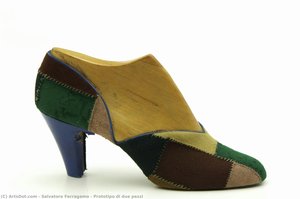
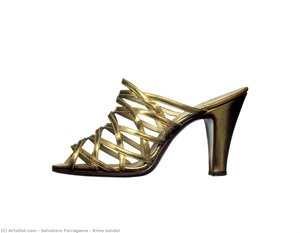
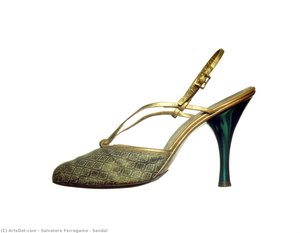
アーティストの略歴
Birgit Jürgenssen: A Pioneer of Feminist Body Art
Birgit Jürgenssen (1949 – 2003) was an Austrian photographer, painter, graphic artist, curator and teacher who specialized in feminine body art with self-portraits and photo series. She emerged from the Viennese avant-garde scene of the late 1960s and early 1970s, a period marked by intense debates surrounding gender roles and artistic expression. Her work stands apart for its uncompromising exploration of female subjectivity and its critique of societal constraints—themes that continue to resonate with contemporary artists and scholars alike.- Early Life and Education: Born in Vienna, Austria in 1949, Jürgenssen pursued her artistic education at the University of Applied Arts Vienna between 1968 and 1971. This formative period exposed her to influential figures within Viennese art discourse and instilled a commitment to challenging conventional perspectives.
- The Magna Feminismus Exhibition: Her breakthrough came in 1975 with participation in the *MAGNA-Feminismus: Kunst und Kreativität* exhibition, organized by Valie Export. This landmark event showcased a diverse range of feminist artworks, and Jürgenssen’s photograph *Housewives’ Kitchen Apron*, featuring a sculpture of an apron in the shape of an oven—a deliberate inversion of domestic iconography—immediately established her reputation as a bold innovator.
Artistic Style and Recurring Themes
Jürgenssen's artistic style was characterized by meticulous detail and psychological depth. She employed photography extensively, often combining it with drawing and sculpture to create multi-layered artworks that interrogated the complexities of female experience. Her recurring motifs—the female body transformed through various mediums—served as a vehicle for confronting issues of identity, vulnerability, and resistance. Notably, her self-portraits frequently depicted women adorned in furs or masks, symbolizing an attempt to escape oppressive societal codes and embrace primal instincts. The image *I Want Out Of Here!*, captured in 1976, powerfully conveyed the feeling of entrapment—a central preoccupation throughout her oeuvre.- Notable Works: Among her most celebrated pieces are *10 Days – 100 Photos* (1980), a series documenting the daily life of women in Vienna, and *Untitled (Self with Little Fur)* (1974–77), which exemplifies her fascination with exploring feminine vulnerability through symbolic imagery. Her sculptures, such as *Nest* (1979/2002)—a meticulously crafted piece featuring a nest filled with two eggs—further underscored her commitment to confronting societal expectations regarding motherhood and femininity.
Teaching and Curatorial Contributions
Jürgenssen’s influence extended beyond her own artistic practice. She served as lecturer and curator at the University of Applied Arts Vienna and the Academy of Fine Arts Vienna, nurturing a new generation of artists interested in feminist perspectives. Her estate—managed by Hubert Winter—included a vast collection of drawings, watercolor paintings, photogrammes, screens, solar graphics, and objects from various collections—a testament to her prolific creativity and intellectual curiosity.Legacy and Recognition
Birgit Jürgenssen’s photographic works numbered 250 and were exhibited in a retrospective held by the Sammlung Verbund and the Bank Austria Art Forum. Her contribution to feminist art was recognized as “outstanding international representatives of the feminist avant-garde,” cementing her place within the history of contemporary art. Her legacy continues to inspire artists and scholars who grapple with questions of gender, identity, and artistic expression—a testament to the enduring power of her uncompromising vision.
birgit jürgenssen
1949 - 2003 , Austria
基本情報
- Artistic Movement Or Style: Feminist Avant-garde
- Artists Or Movements Influenced By This Artist: ['Actionism']
- Artists Who Influenced This Artist: ['Valie Export']
- Date Of Birth: 1949 Vienna, Austria
- Date Of Death: 2003
- Full Name: Birgit Jürgenssen
- Nationality: Austrian
- Notable Artworks:
- Shoe Chair
- Nest
- Place Of Birth: Vienna
関連記事

Bronze Sculptures That Defined Art History | ArtsDot
Journey through art history with our Top 10 bronze sculptures! Explore masterpieces by Rodin, Michelangelo & more. Discover stories behind iconic statues and find museum-quality reproductions for your home decor at ArtsDot.com.
青銅彫刻の永続的遺産:歴史、技法、そして現代における解釈
青銅彫刻の歴史、技法、現代における解釈を専門家が解説。古代から現代までの貴重な作品群を深く理解し、コレクションや投資に役立つ情報を提供します。美術品鑑定、修復についてもご紹介。

The Enduring Form: Exploring Themes & Techniques in Sculpture Across Historical Periods
Explore the rich history of sculpture from ancient masterpieces to contemporary innovations. Discover key techniques, influential artists & investment potential for discerning art collectors.

Bronze Age to Modern Masters: 10 Sculptures That Redefined Art | ArtsDot
Journey through art history with 10 legendary bronze sculptures – from Michelangelo's David to Rodin’s Thinker. Explore the stories, techniques & timeless beauty of these masterpieces. Find museum-quality reproductions & elevate your home decor on ArtsDot.com.

The Enduring Form: Sculpture Across History, Technique & Emotional Resonance
Explore the rich history of sculpture with ArtsDot. Discover key techniques, influential artists & investment potential for discerning collectors. Expert insights into valuing and collecting timeless masterpieces.