

 プレビュー
プレビュー
 プリントを購入
 シェアする
シェアする シェアする
シェアする
 詳細を見る
詳細を見る

 ダウンロード
 似ている作品
 X線調査
X線調査 スライドショー
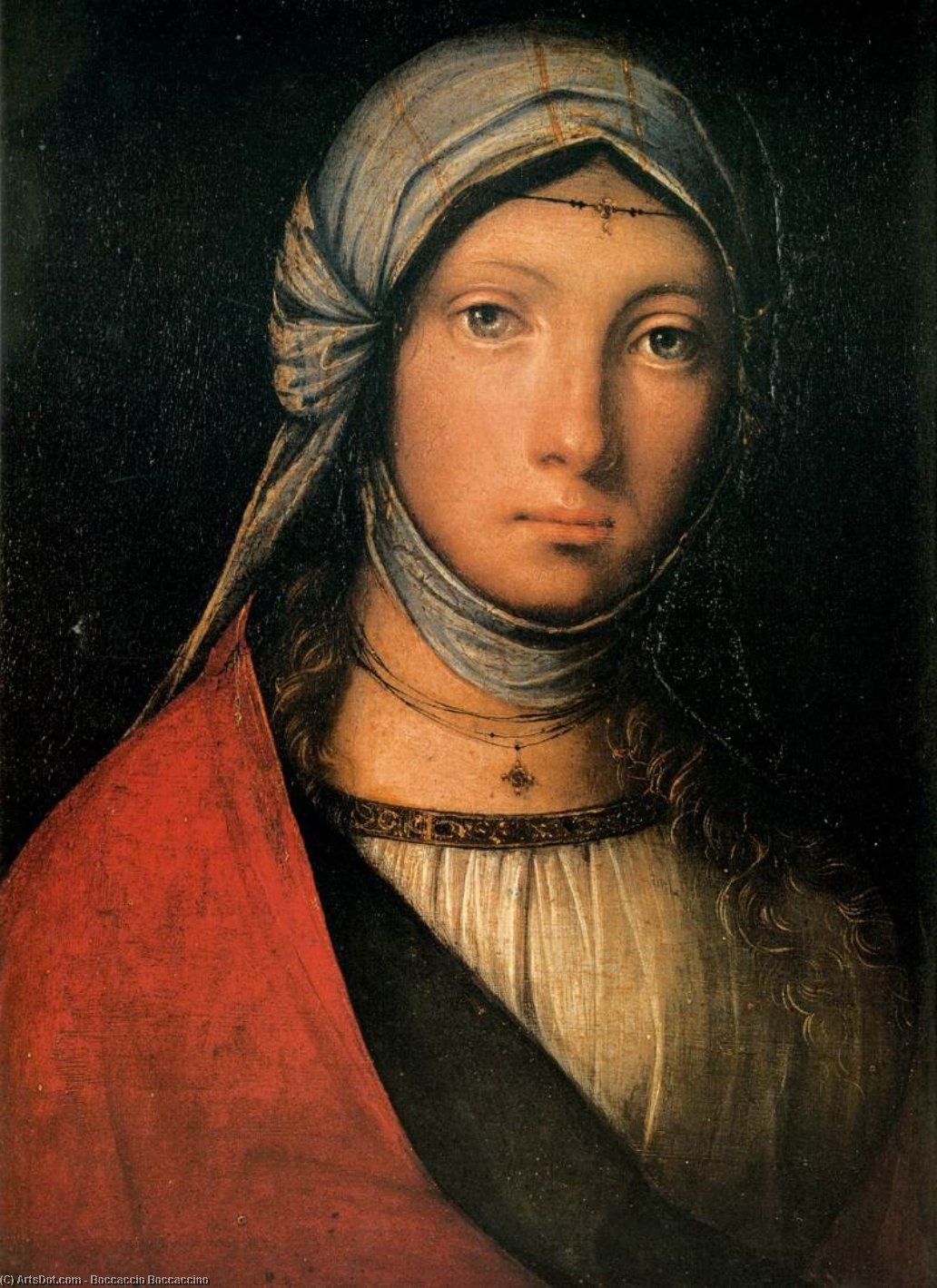
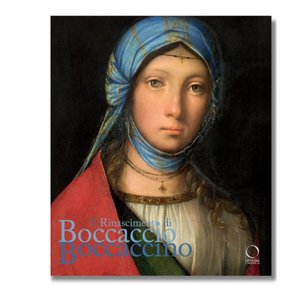
Gypsy Girl
 Acrylic On Canvas
- WallArt
- Early Italian Renaissance
 1516
1516 24.0 x 19.0 cm
 ウフィツィ美術館
 詳細を見る
詳細を見る
オンラインプレビューをはるかに凌ぐ、高解像度で鮮明なデジタル画像をご購入いただけます。
各ファイルは、社内の専門家が高度なツールと熟練した手作業によるレタッチを用いて、細心の注意を払って準備されています。すべての画像において、卓越した鮮明度、正確な色彩再現性、そして繊細なディテールを保証いたします。
最終ファイルは、プロフェッショナルな編集・印刷環境ですぐにご利用いただけるよう最適化された状態で、72時間以内にメールにてお届けいたします。これは、一流のデザインスタジオ、出版社、ギャラリーから信頼されているものと同等の品質です。
デジタル画像のご注文に付随する特典
高品質なデジタル画像配信を、確かな品質で。
ArtsDot.com を選ぶことは、単に画像を手に入れることではありません。それは、プロの手によって精密に仕上げられ、満足保証が付いた高品質なデジタルアートワークを受け取ることを意味します。ご注文いただいた際に自動的に付随する内容は、以下の通りです:

メールですぐにお届け
ご注文から72時間以内に、高解像度のデジタル画像ファイルがメールでお手元に届きます。すぐにそのままご利用いただけます。

AI技術で最適化されたデジタルファイル
お客様の作品は、高度なAIツールと専門家による手作業の編集を組み合わせてプロフェッショナルに最適化されており、細部のディテール、鮮明さ、そして正確な色再現性を最大限に引き出しています。

一生涯無料の再送サービス
ファイルを誤って削除したり、紛失してしまったりしましたか?ご安心ください。いつでも無料で再送いたします。

輸入手数料は一切かかりません
関税や手数料、配送料を気にすることなく、お気に入りのアートワークをすぐにお楽しみいただけます。デジタルダウンロードは常に免税です。

色彩再現の保証
プロ仕様のツールとカラーマネジメント技術を用いることで、デジタル画像が元の色を最大限に忠実に再現することを保証いたします。

60日間満足保証
ご購入いただいたデジタル画像にご満足いただけない場合は、60日以内であれば、修正または100%の返金(理由を問う必要はありません)をさせていただきます。

100% 返金保証
ご満足いただけない場合は、デジタルファイルを受け取ってから60日以内であれば、理由を問わず全額返金いたします。

まとめ買い割引
3枚購入で10%OFF - 5枚購入で15%OFF - 10枚以上購入で20%OFF。クリエイティブなプロジェクト、ギャラリー、エージェンシーに最適です。
作品の詳細
A Glimpse into the Soul – The Gypsy Girl by Boccaccio Boccaccino
Frans Hals’s “The Gypsy Girl,” a captivating portrait housed within the hallowed halls of the Louvre, isn't merely a depiction of a young woman; it’s an invitation to unravel layers of intrigue and emotion. Painted between 1628 and 1630 during the height of the Dutch Golden Age, this oil-on-wood masterpiece transcends its seemingly simple subject matter, revealing a profound understanding of human psychology and a masterful command of light and color. Hals, a pioneer of the “tronie” – a genre focused on capturing fleeting expressions and unique costumes rather than formal portraits – presents us with a figure both alluring and enigmatic, prompting endless speculation about her identity and story.

Decoding the Symbolism – A Woman of Many Layers
The painting’s immediate impact lies in its bold composition and the sitter's direct gaze. Her posture, a relaxed yet confident tilt of her head, invites engagement while simultaneously maintaining an air of guarded mystery. The crimson bodice, a striking contrast against her pale skin, is not simply decorative; it subtly hints at a life lived beyond societal constraints. Hals’s deliberate choice to expose a portion of her breast – a daring gesture for the period – speaks volumes about his willingness to challenge conventional portraiture norms and explore themes of female sexuality and independence. The loose, flowing hair further contributes to this sense of unrestrained freedom, suggesting a spirit that resists confinement.
Beyond the immediate sensuality, however, lie deeper symbolic resonances. The “gypsy girl” archetype itself carries rich cultural baggage – representing wanderlust, unconventionality, and a connection to nature. Hals skillfully captures this essence, imbuing his subject with an almost mythical quality. Some art historians have speculated that the woman depicted may have been a prostitute, given the provocative display of cleavage, but Hals’s masterful rendering transcends simple categorization, suggesting instead a complex individual embodying both vulnerability and strength.
The Art of Hals – Light, Color, and Texture
Hals's signature style is immediately recognizable in “The Gypsy Girl.” He employs a loose, painterly technique characterized by rapid brushstrokes and a vibrant palette. The use of *chiaroscuro*—the dramatic contrast between light and shadow—creates a sense of immediacy and dynamism, drawing the viewer’s eye to the sitter's face and capturing the fleeting quality of her expression. Notice how Hals masterfully utilizes broken color – applying small strokes of pure pigment rather than blending them together – to create a shimmering effect that enhances the fabric’s texture and adds depth to the overall composition.
The painting’s background, rendered in muted earth tones, serves as a subtle counterpoint to the sitter's vibrant presence. This strategic use of color further emphasizes her individuality and draws attention to her captivating gaze. Hals’s ability to capture such nuanced details with such effortless grace is a testament to his exceptional skill and artistic vision.
A Legacy of Intrigue – Boccaccio Boccaccino and the Renaissance
Boccaccio Boccaccino, the artist behind this captivating portrait, was a pivotal figure in the early Italian Renaissance’s Emilian school. Born around 1467 in Ferrara and dying circa 1525 in Cremona, he left an indelible mark on Venetian and Emilia Romagna art through his frescoes and portraits. His work is characterized by its rich detail, graceful figures, and harmonious landscapes – qualities that are vividly evident in “The Gypsy Girl.” Studying Boccaccino’s life reveals a dedication to mastering the techniques of his predecessors while forging his own distinctive style. The painting stands as a testament to his artistic prowess and his ability to capture the essence of human character with remarkable sensitivity.
関連作品
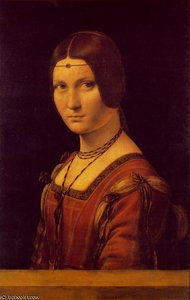


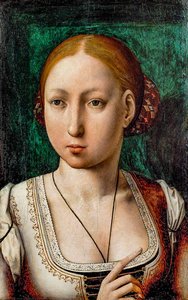
![The Madonna Between St. John The Baptist And St. Sebastian [detail] — ペルジーノ, Renaissance](/media/artworks/images-thumb/f0/3a/f03a20887bc1e56ffa9a705ad2276cb8.jpg)
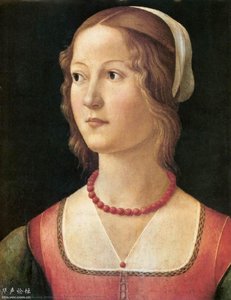
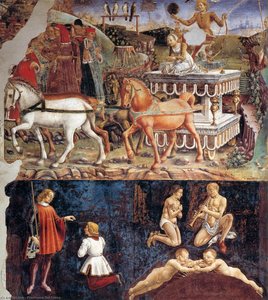
作家の略歴
The Luminescent Legacy of Boccaccio Boccaccino
In the golden twilight of the Quattrocento, a period defined by the profound rebirth of classical ideals, Boccaccio Boccaccino emerged as a vital architect of the Emilian school's visual language. Born near Ferrara around 1460, Boccaccino’s life was woven into the very fabric of the Italian Renaissance, a time when the boundaries between sculpture and painting were fluid and the pursuit of naturalism was an all-consuming passion. While the historical record offers only fragmented glimpses into his early years, the sheer majesty of his surviving works allows us to reconstruct a narrative of immense talent and profound influence. His journey from the humanist traditions of Ferrara to the grander stages of Cremona and Venice represents more than just a personal career; it mirrors the expansion of an artistic movement that sought to harmonize the divine with the earthly through light, color, and meticulous detail.
The foundations of Boccaccino’s aesthetic were likely laid under the tutelage of Domenico Panetti, a master whose devotion to humanist precision instilled in the young artist a reverence for classical form. This early training provided the essential scaffolding upon which Boccaccino would build his later, more complex compositions. As he moved through the artistic landscapes of Northern Italy, his style began to coalesce into something uniquely distinctive—a blend of the delicate grace found in Venetian works and the structural rigor characteristic of the Emilian tradition. His ability to manipulate trompe l'oeil effects and master atmospheric perspective suggests an artist who was not merely a decorator of walls, but a storyteller capable of manipulating space to evoke deep spiritual resonance.
A Master of the Cremonese Fresco
The true zenith of Boccaccino’s career is inextricably linked to the Cathedral of Cremona. Between 1506 and 1519, he became a central figure in a prolific workshop alongside luminaries such as Pietro Parmeggiani and Andrea Altobello Melone. This period was marked by an extraordinary collaborative energy that transformed the cathedral into a sanctuary of Renaissance innovation. His frescoes are not merely religious illustrations; they are immersive environments where the boundaries between the viewer's world and the sacred realm begin to dissolve. Through the use of soft, luminous transitions and a sophisticated understanding of light, Boccaccino achieved a sense of sfumato that brought a breathing, organic quality to his figures.
His mastery extended far beyond the monumental scale of fresco painting into the intimate realm of devotional works. The artist possessed a singular gift for rendering the Virgin and Child with a tenderness that felt both timeless and profoundly human. In these compositions, one finds:
- A harmonious balance between landscape and figure, where nature serves as a silent participant in the divine narrative.
- An exquisite attention to the textures of fabric and the subtle glow of skin, achieved through layered glazes and careful pigment selection.
- The integration of classical motifs that reflect the humanist intellectual climate of his era.
Historical Significance and Enduring Influence
Though the passage of centuries has occasionally obscured the specific biographical milestones of Boccaccio Boccaccino, his impact on the trajectory of Italian art remains undeniable. As documented by Giorgio Vasari in his seminal Lives of Eminent Painters, Sculptors, and Architects, Boccaccino was a figure of significant repute whose technical prowess commanded respect across regional borders. His workshop served as a crucible for the next generation of artists, most notably influencing the development of Garofalo, who would go on to carry the torch of the Emilian style into the High Renaissance.
The historical significance of Boccaccino lies in his role as a bridge between the meticulous detail of the early Renaissance and the more fluid, emotive grandeur of the later period. He helped establish Cremona as a vital center of artistic production, proving that the periphery of the Italian peninsula could produce art of equal complexity and spiritual depth to the great centers of Florence or Rome. Today, when we gaze upon the remnants of his frescoes or the quiet dignity of his Madonnas, we are witnessing the enduring triumph of an artist who mastered the art of making the eternal visible.
Boccaccio Boccaccino
1460 - 1525 , Italy
プロフィール概要
- Artistic Movement Or Style: Early Italian Renaissance; Emilian School
- Artists Or Movements Influenced By This Artist: ['Garofalo']
- Artists Who Influenced This Artist: ['Domenico Panetti']
- Date Of Birth: c. 1460
- Date Of Death: c. 1525
- Full Name: Boccaccio Boccaccino
- Nationality: Italian
- Notable Artworks:
- Virgin and Child
- Marriage of Saint Catherine
- Holy Family
- Place Of Birth: Ferrara, Italy

