

 プレビュー
プレビュー
 プリントを購入
 シェアする
シェアする シェアする
シェアする
 詳細を見る
詳細を見る

 ダウンロード
 似ている作品
 X線調査
X線調査 スライドショー
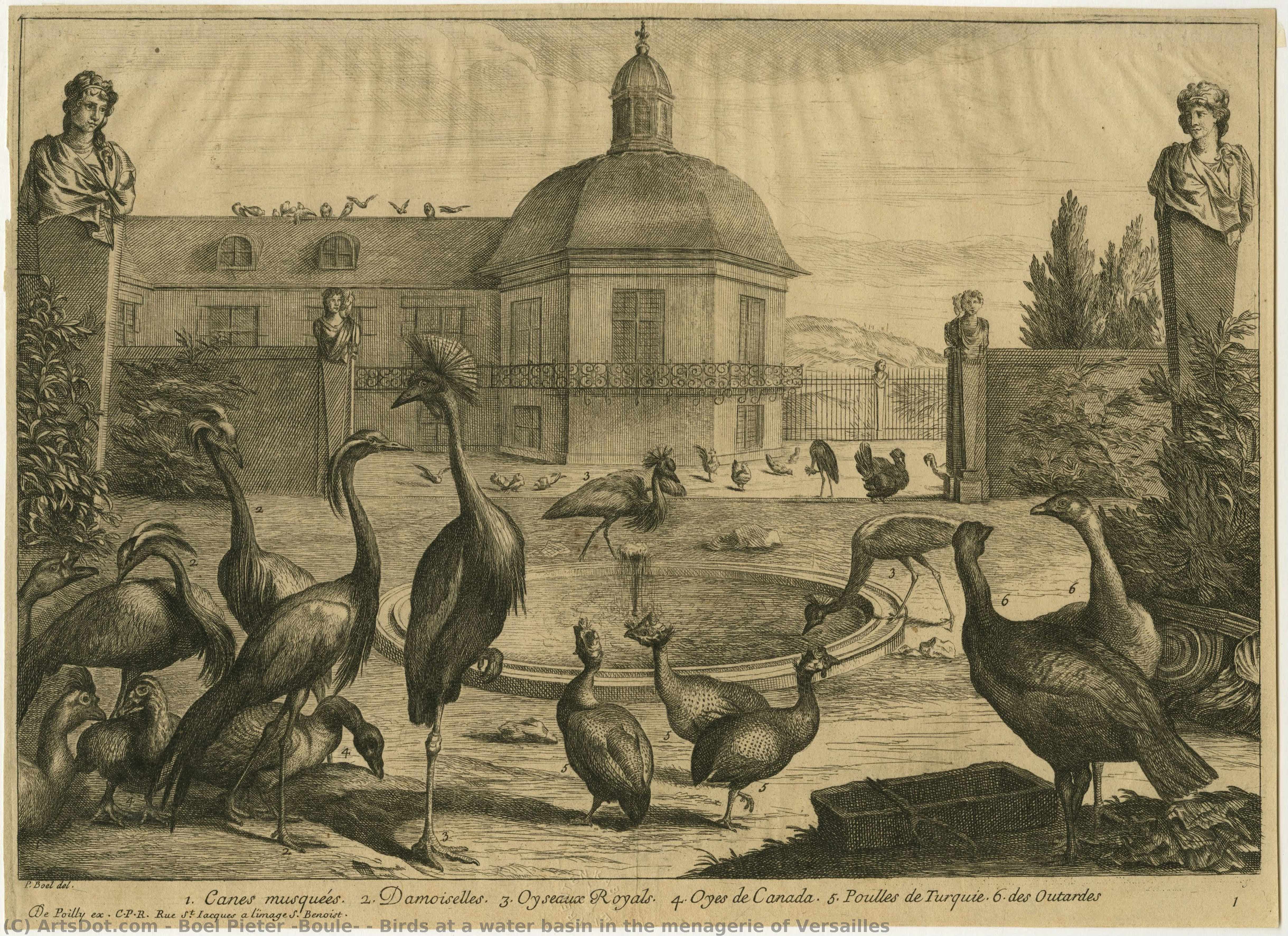
Birds at a water basin in the menagerie of Versailles


 詳細を見る
詳細を見る




P118B $10

P118H $10

P118W $10

P438Z $10

P508JH $12

P508YH $12

P805H $10

P805Z $10

P919BZ $10

P919G $10

P919XJ $10

P959ZH $10

P968JZ $12

W106C $8

W218G $10

W218JH $8

W218Y $10

W307PJ $10

W316G $10

W316PJ $8

W316Y $10

W398PJ $8

W4111J $10

W500HY $15

W500JH $15

W692G $12

W849H $8

W940BG $15

W953PJ $8




作品のオリジナル比率に合わせた、当店の規定サイズからお選びください。

特定のフレームやスペースに合わせて、ご希望のサイズをご入力いただけます。選択されたサイズが元の画像の比率と異なる場合、アートワークをトリミングするか、手描きで要素を追加して絵画を拡張いたします。デジタルモックアップ を制作し、制作開始前にご確認(承認)をいただきます。
画面上のプレビューは、実際のトリミングや拡張を正確に反映しているものではありません。最終的な構図は、モックアップによってのみ正確にご確認いただけます。
カスタムサイズもご利用いただけますが、元の比率を維持するためには、あらかじめ用意されたリストからサイズを選択することをお勧めいたします。
ご注文後、ArtsDot.com チームより詳細な指示をお送りするとともに、仕上がりイメージ(モックアップ)をご提供いたします。


 ガラスオプションは、110cm未満のサイズでのみご利用いただけます。

Birds at a water basin in the menagerie of Versailles
複製技法
複製画のサイズ
-


合計金額
$ 263
A Serene Encounter at Versailles
In the quiet corners of history, certain moments are captured with such profound stillness that they transcend the centuries, inviting the viewer into a world of tranquil observation. Birds at a water basin in the menagerie of Versailles, painted by the Flemish master Boel Pieter (Boule) in 1674, is one such masterpiece. This evocative work transports us to the prestigious royal menagerie of the French court, where the grandeur of Versailles meets the intimate, unhurried rhythms of nature. The scene unfolds around a central water basin, acting as a mirror for the sky and a gathering point for a diverse assembly of waterfowl. Ducks and geese congregate at the water's edge, their forms rendered with a delicate precision that captures the soft texture of feathers and the gentle ripple of the surface. There is a palpable sense of peace in this composition, a momentary pause in the bustling life of the court, where the boundary between the wild and the curated disappears.
The artistry of Pieter Boel shines through his masterful command of light and texture, hallmarks of the 17th-century Flemish tradition. Though the original vision is often viewed through the lens of historical prints, the essence of his technique remains strikingly clear. Boel employs a sophisticated approach to depth, placing certain birds in sharp, tactile focus in the foreground while allowing others to recede into a soft, atmospheric haze. This layering creates an immersive experience, drawing the eye from the immediate detail of a duck's plumage to the distant, watchful figure of a caretaker on the periphery. The interplay of light upon the water and the subtle shadows cast by the birds add a sculptural quality to the subjects, making the scene feel remarkably three-dimensional and alive.
Symbolism and the Art of Observation
Beyond its surface beauty, the painting serves as a window into the Baroque fascination with the natural world and the concept of the menagerie as a symbol of power and order. In the era of Louis XIV, the ability to collect, categorize, and display exotic animals was a profound statement of royal dominion over the natural realm. However, Boel avoids the heavy-handedness of political propaganda, choosing instead to focus on the biological harmony of the scene. The water basin acts as a symbol of life and purity, a communal source that brings disparate species together in a shared moment of sustenance. The presence of the human figure, quietly tending to or observing the animals, introduces a theme of stewardship, suggesting a harmonious coexistence between man and beast.
For the discerning collector or interior designer, this artwork offers much more than mere decoration; it provides an emotional anchor for a room. The muted, earthy palette and the rhythmic arrangement of the birds create a sense of organic balance that can soothe a modern living space. Whether placed in a sunlit gallery or a sophisticated study, a high-quality reproduction of this piece brings with it the prestige of the Flemish Golden Age and the timeless allure of the Versailles gardens. It is an invitation to slow down, to observe the minute details of life, and to find beauty in the quiet, shared moments of the natural world.
関連作品
アーティストの略歴
Boel Pieter (1622–1674): フランドルの静物画と動物写生の巨匠
フランス・スナイデルスやヤン・ファイトといった同時代の巨匠たちに比べると、ピーター・ブールの名はあまり広く知られていないかもしれません。しかし、17世紀フランドル美術の鮮やかな世界において、彼は決して無視することのできない重要な存在です。1622年、アントウェルペンの芸術一家に生まれたブールは、聖ルカ組合に登録された画家であった祖父と、版画家であった父という環境の中で育ちました。その幼少期は視覚表現の伝統に深く浸されており、それが後に彼独自のスタイルを築き上げる礎となったのです。形成期の詳細については断片的な情報しか残されていませんが、確立された芸術的技法に触れ、家族の血脈とアントウェルペンの広大な芸術シーンの両方から多大な影響を吸収していたことは間違いありません。
ブールのキャリアは、二つの重要な舞台を中心に展開しました。一つは、彼が最初に技を磨いたアントウェルペン、そしてもう一つは、最終的に王立タペストリー工房という輝かしい地位を手にしたパリです。彼の旅は、ダイナミックな動物画と精緻な静物画で知られる巨匠ヤン・ファイトの指導の下、アントウェルペンで始まったと考えられています。この徒弟修行は、ブールに構図、技法、そして自然界の主題を描き出すための強固な基礎を与え、後の作品群に息づくものとなりました。さらに重要なことに、彼は家族の繋がりを通じて芸術コミュニティとの接点も持っていました。叔父のコルネリス・デ・ワエルは、ジェノヴァで長年過ごし、多くの芸術家と交流を持っていた著名な美術商兼画家であり、ブールの視野を広げる大きな助けとなったのです。
様式の進化:フランドルの伝統からパリの革新へ
ブールの芸術的発展は、伝統的なフランドル技法と、当時台頭しつつあった新たな様式との魅力的な相互作用によって特徴づけられます。当初はフランス・スナイデルスの劇的なリアリズムや演劇的な構図に影響を受けていましたが、彼は次第に独自の境地へと辿り着きました。それは、動物の解剖学的構造や質感の描写における、並外れた細部へのこだわりです。背景要素や複雑なディテールを画室の助手に頼ることが多かった同時代の画家たちとは異なり、ブールは「生きた動物を直接観察して描くこと」に固執したことで知られています。当時としては革命的なこの試みは、鳥や獲物、その他の生き物たちの動きや表情、そして個々の特性を驚くほど正確に捉え、生命感あふれる描写をもたらしました。
彼のパリ時代は、まさに転換点となりました。1674年、国王ルイ14世の「ペントル・オルディネール(王立画家)」に任命されたブールは、ゴブラン織タペストリー工房という、活気あふれる芸術環境の中心に身を置くことになったのです。この地位により、彼は王室のコレクションに触れる機会を得るとともに、宮廷のための作品を制作するチャンスにも恵まれました。そこには、自然界への情熱を象徴するかのような、エキゾチックな動物が登場する豪華な静物画も含まれていました。パリの空気は実験と革新を促し、ブールが技法を洗練させ、新たな構図の可能性を探求することを可能にしました。彼はアダム・フランス・ファン・デル・メューレンやジェラール・スコタンといった当時の著名な画家たちと密接に協力し、アイデアを交換しながら、ダイナミックな芸術的対話に寄与していったのです。
象徴の世界:ヴァニタスと動物写生
ブールの絵画は、単なる自然の再現ではありません。そこには幾重にも重なる象徴的な意味が込められています。彼の静物画には、人生の無常、現世的な追求の虚しさ、そして死の不可避性を強調する「ヴァニタス」の要素が頻繁に組み込まれています。髑髏、朽ちゆく果実、消えかけた蝋燭、砂時計といったモチーフは、死の訪れと美のはかなさを突きつける力強い警句として機能しています。こうしたヴァニタス画と並行して、ブールは動物写生にも多大な情熱を注ぎました。鳥、哺乳類、爬虫類、魚類を緻密に描き出したこれらの作品は、単なる観察の記録にとどまりません。それらはタペストリーのデザインにおけるモデルとしての役割を果たし、動物の解剖学的構造や行動に関する貴重な知見をもたらしたのです。
彼の動物画に込められた象徴性は、とりわけ豊かです。例えば、ヤマアラシの存在はフランスにおいて重要な文化的共鳴を持っていました。それは騎士道精神、強さ、そして不敗を連想させ、ルイ14世が極めて高く評価した資質でもあったのです。細やかな観察と巧みな描写を通じて、これらの動物の本質を捉えるブールの能力は、彼を時代を代表する最も優れた動物画家の一人として不動のものにしました。
遺産と影響
比較的短い生涯であったにもかかわらず、ピーター・ブールがフランドルの静物画の発展に与えた影響は計り知れません。生きた被写体を直接描くという彼の革新的なアプローチは、従来の芸術的慣習に挑戦し、後世の画家たちの道を切り拓きました。細部への執拗なまでのこだわりと、色彩と光を操る卓越した技術が融合し、比類なき美しさと技巧を備えた作品群が生み出されたのです。数世紀の間に多くの作品が失われたり損傷したりしましたが、現在も残る重要な作品たちは、17世紀のアントウェルペンとパリの芸術世界を覗く貴重な窓となっています。観察力、技術、そして象徴的表現が持つ永遠の力を証明するかのように、ブールの遺志は後世の芸術家たちへの影響とともに、今なお私たちの心を捉えて離しません。
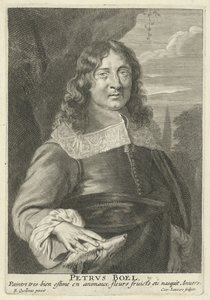
ピーテル・ブール
1622 - 1680
基本情報
- Artistic Movement Or Style: オランダ黄金時代
- Artists Or Movements Influenced By This Artist:
- アダム・フランス・ファン・デル・メューレン
- ジェラール・スコタン
- Artists Who Influenced This Artist:
- フランス・スナイデルス
- ヤン・ファイト
- Date Of Birth: 1622年10月10日
- Date Of Death: 1674年9月3日
- Full Name: ピーテル・ブール (Peeter Boel)
- Nationality: フランドル
- Notable Artworks:
- 世俗的な生活の寓意
- 雄鶏の研究
- オウムの研究
- Place Of Birth: ベルギー、アントウェルペン
関連記事
Fluid Reflections: Exploring Water's Symbolism in Art History – From Myth to Impressionism
Explore the rich symbolism of water in art history – from ancient myths to Impressionism's fleeting beauty. Discover masterpieces & find your perfect serene artwork with ArtsDot.com.
Feathered Visions: A Historical & Artistic Exploration of Birds in Painting
Explore the rich history of birds in painting! Discover symbolism, artistic movements & master artists like Audubon. High-quality reproductions available at ArtsDot.
クロード・モネ傑作25選:光と色彩の印象派を彩る名画の世界 | ArtsDot
クロード・モネの傑作25選。印象派を代表する光の画家、モネの世界を旅しませんか?睡蓮や風景画など、名画の背景にある物語と芸術技法をご紹介。ArtsDotで高品質な複製画とインテリアアートを見つけましょう。全コレクションはこちら。

Charles Bird King: Capturing Native American Dignity Through Portraiture & Cultural Exchange
Explore the captivating portraits of Charles Bird King, renowned for his depictions of Native American leaders. Discover the historical context, artistic techniques, and collecting value of these significant 19th-century artworks.
Jan Brueghel the Elder: A Master of Flemish Landscape & Allegory – Exploring Innovation & Influence
Explore the captivating world of Jan Brueghel the Elder, a Flemish Baroque master renowned for his stunning landscapes & allegorical paintings. Discover his collaborations with Rubens and lasting artistic legacy.

