

 プレビュー
プレビュー
 シェアする
シェアする シェアする
シェアする
 詳細を見る
詳細を見る

 ダウンロード
 似ている作品
 X線調査
X線調査 スライドショー
 Stats
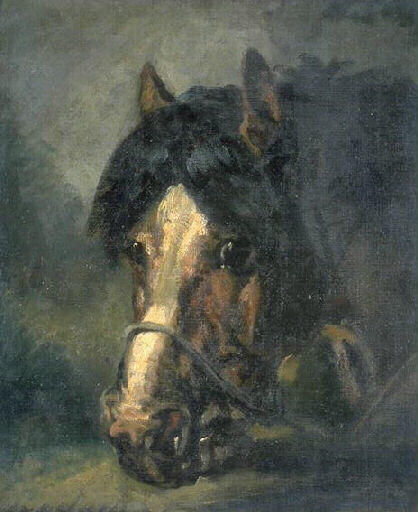
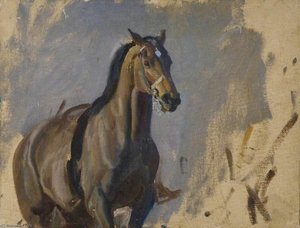
StatsTête de cheval
 詳細を見る
詳細を見る
オンラインプレビューをはるかに凌ぐ、高解像度で鮮明なデジタル画像をご購入いただけます。
各ファイルは、社内の専門家が高度なツールと熟練した手作業によるレタッチを用いて、細心の注意を払って準備されています。すべての画像において、卓越した鮮明度、正確な色彩再現性、そして繊細なディテールを保証いたします。
最終ファイルは、プロフェッショナルな編集・印刷環境ですぐにご利用いただけるよう最適化された状態で、72時間以内にメールにてお届けいたします。これは、一流のデザインスタジオ、出版社、ギャラリーから信頼されているものと同等の品質です。
デジタルアート
個人での鑑賞、印刷、クリエイティブなプロジェクト用に、高解像度ファイルをダウンロードできます。 ( Switch to Print 手描きの絵画を購入)
デジタル画像のご注文に付随する特典
高品質なデジタル画像配信を、確かな品質で。
ArtsDot.com を選ぶことは、単に画像を手に入れることではありません。それは、プロの手によって精密に仕上げられ、満足保証が付いた高品質なデジタルアートワークを受け取ることを意味します。ご注文いただいた際に自動的に付随する内容は、以下の通りです:

メールですぐにお届け
ご注文から72時間以内に、高解像度のデジタル画像ファイルがメールでお手元に届きます。すぐにそのままご利用いただけます。

AI技術で最適化されたデジタルファイル
お客様の作品は、高度なAIツールと専門家による手作業の編集を組み合わせてプロフェッショナルに最適化されており、細部のディテール、鮮明さ、そして正確な色再現性を最大限に引き出しています。

一生涯無料の再送サービス
ファイルを誤って削除したり、紛失してしまったりしましたか?ご安心ください。いつでも無料で再送いたします。

輸入手数料は一切かかりません
関税や手数料、配送料を気にすることなく、お気に入りのアートワークをすぐにお楽しみいただけます。デジタルダウンロードは常に免税です。

色彩再現の保証
プロ仕様のツールとカラーマネジメント技術を用いることで、デジタル画像が元の色を最大限に忠実に再現することを保証いたします。

100日間満足保証
ご購入いただいたデジタル画像にご満足いただけない場合は、100日以内であれば、理由を問わず修正または100%の返金対応をさせていただきます。

100% 返金保証
ご満足いただけない場合は、デジタルファイルを受け取ってから100日以内であれば、理由を問わず全額返金いたします。

まとめ買い割引
3枚購入で10%OFF - 5枚購入で15%OFF - 10枚以上購入で20%OFF。クリエイティブなプロジェクト、ギャラリー、エージェンシーに最適です。
関連作品





作家の略歴
Rosa Bonheur: A Pioneer of Animal Art
Rosa Bonheur (1822-1899) stands as a monumental figure in the history of art, not merely for her prodigious talent but also for her audacious spirit and groundbreaking role as a female artist challenging societal norms. More than just a painter, she was an animalière—a specialist in depicting animals with unparalleled realism and emotional depth – a field dominated by men during the 19th century. Her journey from a rebellious child to one of France’s most celebrated artists is a testament to her dedication, observational skills, and unwavering belief in her artistic vision.
Born Marie-Rosalie Bonheur in Bordeaux, her early life was marked by both privilege and profound loss. The sudden death of her mother when she was only eleven years old profoundly shaped her character, fostering an independent streak and a deep connection to the natural world. Her father, Oscar-Raymond Bonheur, a landscape painter himself, recognized his daughter’s extraordinary talent for capturing the essence of animals and nurtured it through unconventional methods. Unlike the traditional art academies that barred women's access, Rosa received her training primarily through observation—spending countless hours sketching live animals in stables, at markets, and even in slaughterhouses – immersing herself in their movements, behaviors, and unique physiologies. This immersive approach, coupled with her father’s guidance, allowed her to develop a level of anatomical accuracy and emotional understanding rarely seen in animal art of the time.
The Rise of an Animalière
Rosa's artistic career gained momentum through consistent participation in the prestigious Salon de Paris, the dominant art exhibition of the era. Beginning in 1841, she steadily showcased her work, earning critical acclaim and establishing herself as a rising star. Her early successes included *Goats and Sheep* (1840) and *Rabbits Nibbling Carrots* (1840), both depicting scenes from rural life with remarkable detail and sensitivity. However, it was *The Horse Fair* (Le marché aux chevaux), completed in 1855, that cemented her reputation as the foremost animal painter of her generation. This monumental canvas—measuring eight by sixteen feet—depicts a bustling horse market in Paris, capturing not just the physical appearance of the animals and their handlers but also the vibrant atmosphere and social interactions of the scene.
*The Horse Fair* was revolutionary for several reasons. Firstly, its scale was unprecedented for a female artist at the Salon. Secondly, Bonheur’s meticulous attention to detail—the individual expressions on the horses' faces, the textures of their coats, the intricate patterns of their harnesses – demonstrated an extraordinary level of observation and technical skill. Furthermore, the painting subtly challenged societal expectations by portraying women actively participating in the market alongside men, reflecting a more egalitarian view of rural life.
Breaking Boundaries: Gender, Art, and Observation
Rosa Bonheur’s artistic practice was inextricably linked to her personal choices and defiance of conventional gender roles. To gain access to the subjects she needed for her art—particularly animals in their natural environments—she adopted masculine attire, including trousers and a loose shirt, a deliberate act of rebellion against the restrictive expectations placed upon women at the time. This unconventional appearance garnered both admiration and criticism, but it also served as a powerful statement about her commitment to her artistic pursuits. Her decision to study animals directly from life, rather than relying solely on sketches or engravings, further distinguished her work and underscored her dedication to authentic representation.
She was not alone in her pursuit of art; she had siblings who were also artists, including Auguste Bonheur (a sculptor) and Juliette Bonheur (another painter). The family’s artistic legacy was fostered by their father, Raymond, a landscape and portrait painter. The Bonheurs' commitment to realism and observation—influenced by the Saint-Simonian social philosophy—provided a foundation for Rosa’s unique approach to animal art.
Legacy and Influence
Rosa Bonheur’s impact on the history of art extends far beyond her individual achievements. She paved the way for future generations of female artists, demonstrating that women could excel in traditionally male-dominated fields. Her meticulous realism and emotional sensitivity set a new standard for animal painting, influencing countless artists who followed. Her work continues to be celebrated for its beauty, accuracy, and profound understanding of the natural world. Today, her masterpieces—including *The Horse Fair* and *Ploughing in the Nivernais*—are housed in prestigious museums around the globe, ensuring that Rosa Bonheur’s legacy as a pioneering artist and a champion of female creativity endures.
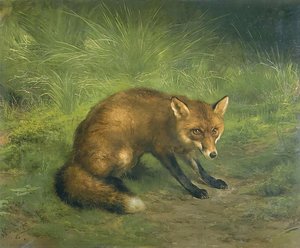
bonheur marie rosalie
1822 - 1899
プロフィール概要
- Artistic Movement Or Style: Animalière Painting
- Artists Or Movements Influenced By This Artist: ['Rosa Bonheur']
- Artists Who Influenced This Artist: ['Raymond Bonheur']
- Date Of Birth: March 16, 1822
- Date Of Death: May 25, 1899
- Full Name: Marie-Rosalie Bonheur
- Nationality: French
- Notable Artworks:
- The Horse Fair
- Ploughing in the Nivernais
- Place Of Birth: Bordeaux, France