 プレビュー
プレビュー
 プリントを購入
 シェアする
シェアする シェアする
シェアする
 詳細を見る
詳細を見る

 ダウンロード
 似ている作品
 X線調査
X線調査 スライドショー
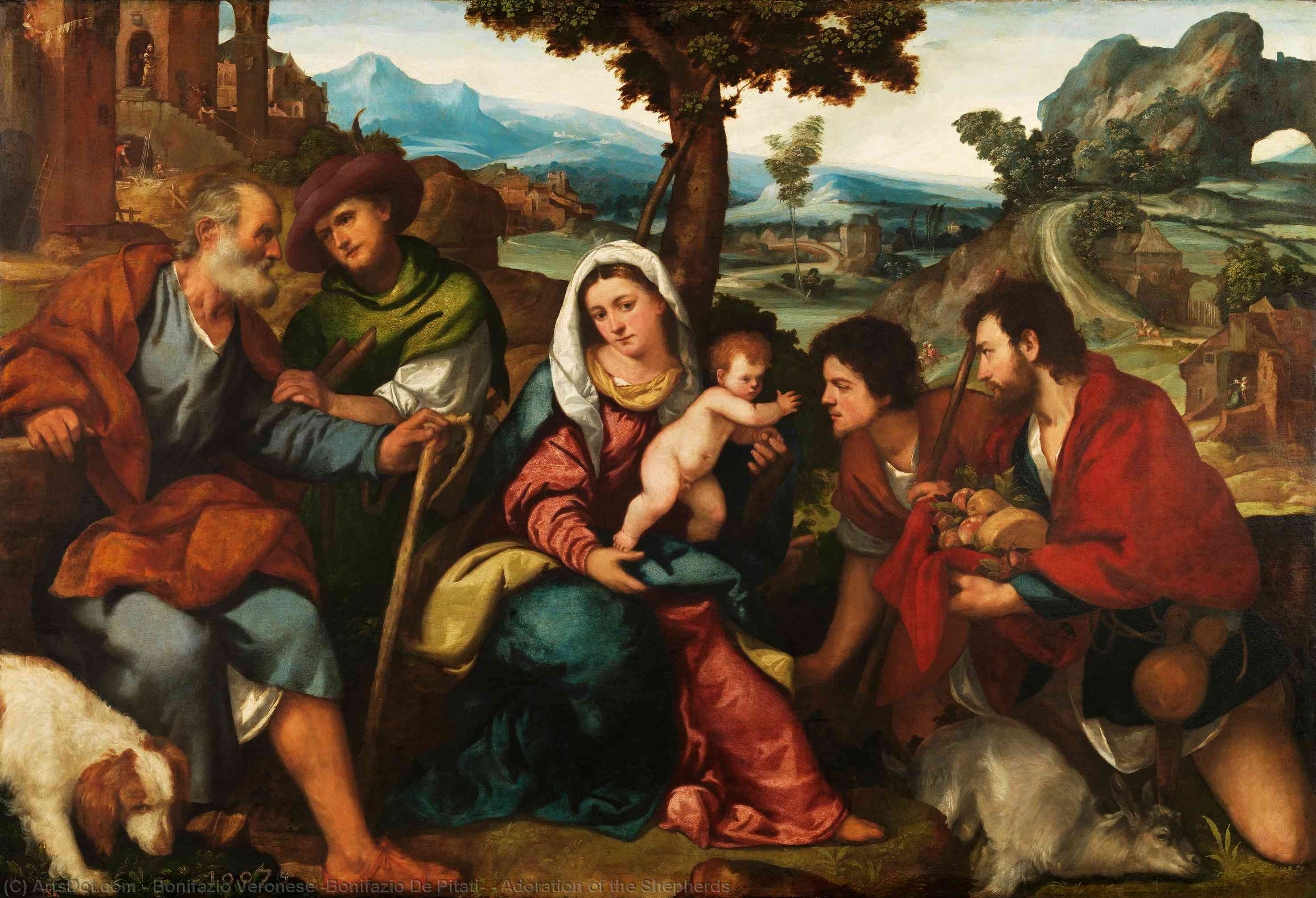
Adoration of the Shepherds
 Acrylic On Canvas
- WallArt
- Baroque
 1523
1523 76.0 x 120.0 cm
 エルミタージュ美術館
 詳細を見る
詳細を見る




P118B $10

P118H $10

P118W $10

P438Z $10

P508JH $12

P508YH $12

P805H $10

P805Z $10

P919BZ $10

P919G $10

P919XJ $10

P959ZH $10

P968JZ $12

W106C $8

W218G $10

W218JH $8

W218Y $10

W307PJ $10

W316G $10

W316PJ $8

W316Y $10

W398PJ $8

W4111J $10

W500HY $15

W500JH $15

W692G $12

W849H $8

W940BG $15

W953PJ $8




作品のオリジナル比率に合わせた、当店の規定サイズからお選びください。

特定のフレームやスペースに合わせて、ご希望のサイズをご入力いただけます。選択されたサイズが元の画像の比率と異なる場合、アートワークをトリミングするか、手描きで要素を追加して絵画を拡張いたします。デジタルモックアップ を制作し、制作開始前にご確認(承認)をいただきます。
画面上のプレビューは、実際のトリミングや拡張を正確に反映しているものではありません。最終的な構図は、モックアップによってのみ正確にご確認いただけます。
カスタムサイズもご利用いただけますが、元の比率を維持するためには、あらかじめ用意されたリストからサイズを選択することをお勧めいたします。
ご注文後、ArtsDot.com チームより詳細な指示をお送りするとともに、仕上がりイメージ(モックアップ)をご提供いたします。


 ガラスオプションは、110cm未満のサイズでのみご利用いただけます。

Adoration of the Shepherds
複製技法
複製画のサイズ
-


合計金額
$ 263
Adoration of the Shepherds – A Venetian Renaissance Vision
The Adoration of the Shepherds, painted by Bonifazio Veronese around 1523 in Verona, Italy, stands as a cornerstone of Venetian Renaissance art—a testament to masterful technique and profound theological contemplation. More than just a depiction of biblical narrative, it embodies the humanist spirit of its time, blending classical influences with Christian piety to create an image that continues to resonate with viewers centuries later. This stunning hand-painted reproduction captures the essence of Veronese’s artistic genius, transporting us back to a pivotal moment in Venetian cultural history.Style and Technique: Atmospheric Perspective and Psychological Realism
Veronese's approach distinguishes him from many of his contemporaries, prioritizing atmospheric perspective—a technique pioneered by Giorgione and perfected by Titian—to imbue the scene with an ethereal luminescence. Layers of translucent glaze create a palpable sense of depth, mirroring the vastness of the heavens above and drawing the eye inward toward the central figures: Mary cradling Jesus amidst a congregation of shepherds and villagers. Unlike earlier depictions that often relied on stylized representations, Veronese strives for psychological realism, capturing subtle expressions of wonder and devotion in the faces of his subjects. The artist meticulously renders textures—the woolly fleece of the sheep, the rough stone of Bethlehem’s manger—adding to the immersive quality of the artwork. This meticulous attention to detail reflects Veronese's dedication to mastering the conventions of Venetian painting, cementing his reputation as one of the Republic’s foremost artistic innovators.Historical Context: Venice and Humanist Thought
The painting emerged during a period of significant intellectual ferment in Venice—a city that had embraced humanist ideals championed by Erasmus and Pico della Mirandola. These thinkers questioned medieval dogma and emphasized human dignity, fostering an interest in observation and representation as pathways to understanding the natural world and the human condition. Veronese’s depiction aligns seamlessly with this burgeoning humanist sensibility, portraying a scene of humble piety—the adoration of Jesus by shepherds—as a symbol of universal faith and compassion. Furthermore, the painting reflects Venice's role as a center for artistic patronage during the Renaissance, where wealthy families commissioned ambitious artworks to glorify God and commemorate their lineage. The Palazzo dei Camerlenghi, where Veronese’s *Adoration of the Magi* was originally displayed, served as a focal point for Venetian civic pride—a testament to the Republic's commitment to cultural excellence.Symbolism: Light, Darkness, and Divine Revelation
The painting is replete with symbolic imagery that elevates its narrative beyond mere storytelling. The radiant light emanating from heaven underscores God’s benevolent presence and illuminates the scene of Jesus’s birth, symbolizing divine revelation—the unveiling of God’s glory to humanity. Conversely, the shadows cast by the shepherds and villagers emphasize the earthly realm—a reminder of human vulnerability in the face of divine majesty. The inclusion of animals—particularly lambs—represents innocence and purity—attributes associated with Christ himself. Moreover, Veronese's masterful composition directs the viewer's gaze toward the central figures—Mary and Jesus—creating a visual hierarchy that reinforces their spiritual significance. Through these carefully chosen symbols, Veronese communicates profound theological truths—affirming faith, compassion, and the transformative power of divine grace.Emotional Impact: Reverence and Wonder
Ultimately, *Adoration of the Shepherds* evokes an overwhelming sense of reverence and wonder—capturing the sublime beauty of God’s creation and the sanctity of human devotion. The painting's luminous palette and dynamic brushstrokes convey a palpable energy—reflecting the fervor of the biblical narrative itself. As viewers contemplate the scene, they are transported back to Bethlehem—immersed in an atmosphere of spiritual contemplation. The artwork’s enduring appeal testifies to its ability to inspire awe and reverence—affirming faith and compassion as fundamental values. This exquisite reproduction allows you to experience Veronese's Venetian Renaissance vision firsthand—a timeless masterpiece that continues to captivate audiences worldwide.関連作品

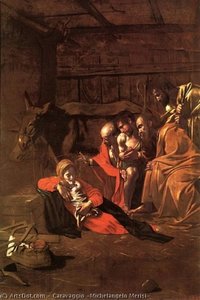
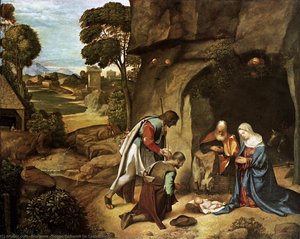
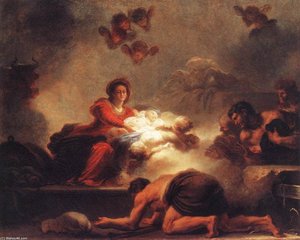

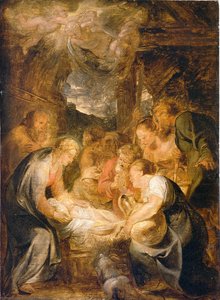
アーティストの略歴
ボニファツィオ・ヴェロネーゼが遺した光り輝くレガシー
ヴェネツィア・ルネサンスの黄金時代において、その時代の情緒的な素晴らしさと物語の深みを、ボニファツィオ・ヴェロネーゼ(別名:ボニファツィオ・デ・ピターティ)ほど見事に捉えた芸術家は他に類を見ません。1487年頃にヴェローナで生まれたヴェロネーゼは、古典的伝統が深く根付いた環境から、ヴェネツィア絵画の進化における極めて重要な人物へと成長を遂げました。彼の芸術への旅路は、パルマ・イル・ヴェッキオの指導のもとで始まり、その師弟関係を通じて、色彩と光の扱いにおける強固な基礎が築かれました。活気あふれるヴェネツィア共和国へと移り住んだ際、彼は単に既存の巨匠たちを観察するにとどまりませんでした。彼は都市の芸術的潮流の魂そのものを吸収し、ジョルジョーネとティツィアーノが遺したレガシーを編み合わせることで、彼独自の唯一無二の様式を確立させたのです。
ヴェロネーゼの芸術性の本質は、ヴェネツィア派特有の柔らかく情緒的な性質と、構造的で記念碑的なまでの明晰さを調和させる能力にあります。初期の作品には、ジョルジョーネが切り拓いた大気遠近法への深い敬愛が表れており、人物たちが霞んだ夢のような風景の中から自然に浮かび上がってくるかのように描かれています。しかし、キャリアが進むにつれて、彼は中イタリアから流入するより厳格なヒューマニズムの影響、特にラファエロによる均衡のとれた構図を取り入れ始めました。この融合によって、彼は単なる模倣を超え、心理的な親密さと、壮大で演劇的な存在感の両方を兼ね備えた作品を生み出すことに成功したのです。
物語とスケールの巨匠
ヴェロネーゼの名声を真に不動のものとしたのは、大規模な物語画に対する記念碑的な献身でした。彼の職業人生における最大の勝利は、パラッツォ・デイ・カメルレンギのために数十年を費やした壮大なプロジェクトでした。この巨大な連作絵画には、計り知れない技術的スキルだけでなく、物語をオーケストレーションする並外れた能力が求められました。これらの作品の中では、ドラマを生み出すための道具としての色彩の習熟が見て取れ、豊かな顔料を用いることで、複雑な歴史的・寓意的な場面へと鑑賞者の視線を導いています。この事業は、彼の忍耐強さと、ヴェネツィアの広大な建築空間を支配する手腕の証となりました。
こうした壮大な依頼作品の枠を超えて、ヴェロネーゼは今日でもコレクターを魅了し続ける、親密で精神的な響きを持つ構図の創造においても卓越していました。彼の宗教画には、しばしば穏やかで、どこか慈愛に満ちた人間性が宿っています:
- 仕立屋の聖母:家族的な温もりに満ちた傑作であり、繊細な人物配置と柔らかく光り輝く光を通じて、神聖なものと日常が交差する瞬間を描いています。
- 聖カタリナの神秘的な婚姻:聖なる献身を探求した作品であり、神聖な文脈の中で質感と優雅さを表現する彼の能力を示しています。
- 荒野の聖ヒエロニムス:荒々しく本能的な世界への鮮烈な転換点であり、聖人の筋骨逞しい強さが、情緒的で手つかずの風景と対比されています。
歴史的重要性と永続する影響力
ボニファツィオ・ヴェロネーゼの歴史的重要性は、彼自身のキャンバスを遥かに超えて広がっています。彼は、ヴェネツィア・ルネサンスの初期の実験的な時代と、その後に続くより劇的で高度な様式化された時代を繋ぐ、極めて重要な架け橋としての役割を果たしました。光に対する洗練されたアプローチと、物語的な場面に感情的な重みを与える能力は、次世代の巨匠たちの土台を築きました。ヴェロネー素の様式的DNAは、ティントレットやスキアヴォーネの作品の中にも辿ることができ、彼らはいずれも、劇的な構図と大気的な奥行きに対するヴェロネーゼの傾向を継承しています。
1553年にその生涯を閉じた彼の人生を振り返るとき、私たちは根本的に「ヴェネツィア精神の語り部」であった芸術家を見出すことになります。地元の伝統と外部からの革新を融合させることで、ヴェロネーゼは一つの時代の視覚言語を定義する手助けをしました。彼の絵画は、色彩、光、そして人間の感情が、単一の息を呑むような芸術のタペストリーへと織り込まれていた16世紀の世界を覗かせる、永続的な窓であり続けているのです。
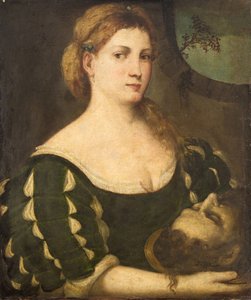
ボニファツィオ・ヴェロネーゼ
1487 - 1553 , イタリア
基本情報
- Artistic Movement Or Style: ヴェネツィア・ルネサンス
- Artists Or Movements Influenced By This Artist:
- ティントレット
- スキアヴォーネ
- Artists Who Influenced This Artist:
- ジョルジョーネ
- ティツィアーノ
- Date Of Birth: 1487年 イタリア、ヴェローナ
- Date Of Death: 1553年
- Full Name: ボニファツィオ・ヴェロネーゼ
- Nationality: イタリア・ルネサンス
- Notable Artworks:
- 東方三博士の礼拝
- 幼きセルウィウス・トゥッリウスの伝説
- 聖カタリナの神秘的な婚姻
- Place Of Birth: イタリア、ヴェローナ
関連記事

バロックのドラマ:現代のインテリアに壮麗さと情感を取り込む
バロック様式の歴史、絵画、家具の魅力をご紹介。ArtsDotでは、高品質な油絵複製やカスタムポートレートをご提供し、現代のインテリアに壮麗さと情感を取り入れます。アートコンサルテーションも承ります。

The Dramatic Flourish: Exploring the Baroque Movement's Enduring Legacy in Art History
Explore the dramatic world of Baroque art! Discover iconic artists like Caravaggio & Rubens, defining techniques, and its lasting impact on art history. Expert insights for collectors & enthusiasts at ArtsDot.

バロック美術を極めた至宝:時代を彩る10大名作の世界
バロック美術の華!カラヴァッジョ、ベルニーニら巨匠が創り上げた10大名作を徹底解剖。ドラマチックな色彩と豪華絢爛の世界観に触れ、至宝のアートプリントで空間を彩ろう。ArtsDot.comで美術館品質の複製と洗練されたインテリアを見つけましょう!

The Visceral Stage: Exploring Dramatic Narratives & Emotional Intensity in Baroque Art
Explore the dramatic world of Baroque art! Discover iconic masters like Caravaggio & Rembrandt, their techniques, and the movement's lasting impact. Expert insights for collectors & enthusiasts at ArtsDot.
Theatricality & Triumph: Baroque Drama in Painting & Sculpture
Explore the dramatic world of Baroque art! Discover its history, defining characteristics, & lasting influence on painting & sculpture. Expert insights into Caravaggio, Zurbarán, and Bernini – plus high-quality reproductions at ArtsDot.