

 プレビュー
プレビュー
 プリントを購入
 シェアする
シェアする シェアする
シェアする
 詳細を見る
詳細を見る

 ダウンロード
 似ている作品
 X線調査
X線調査 スライドショー
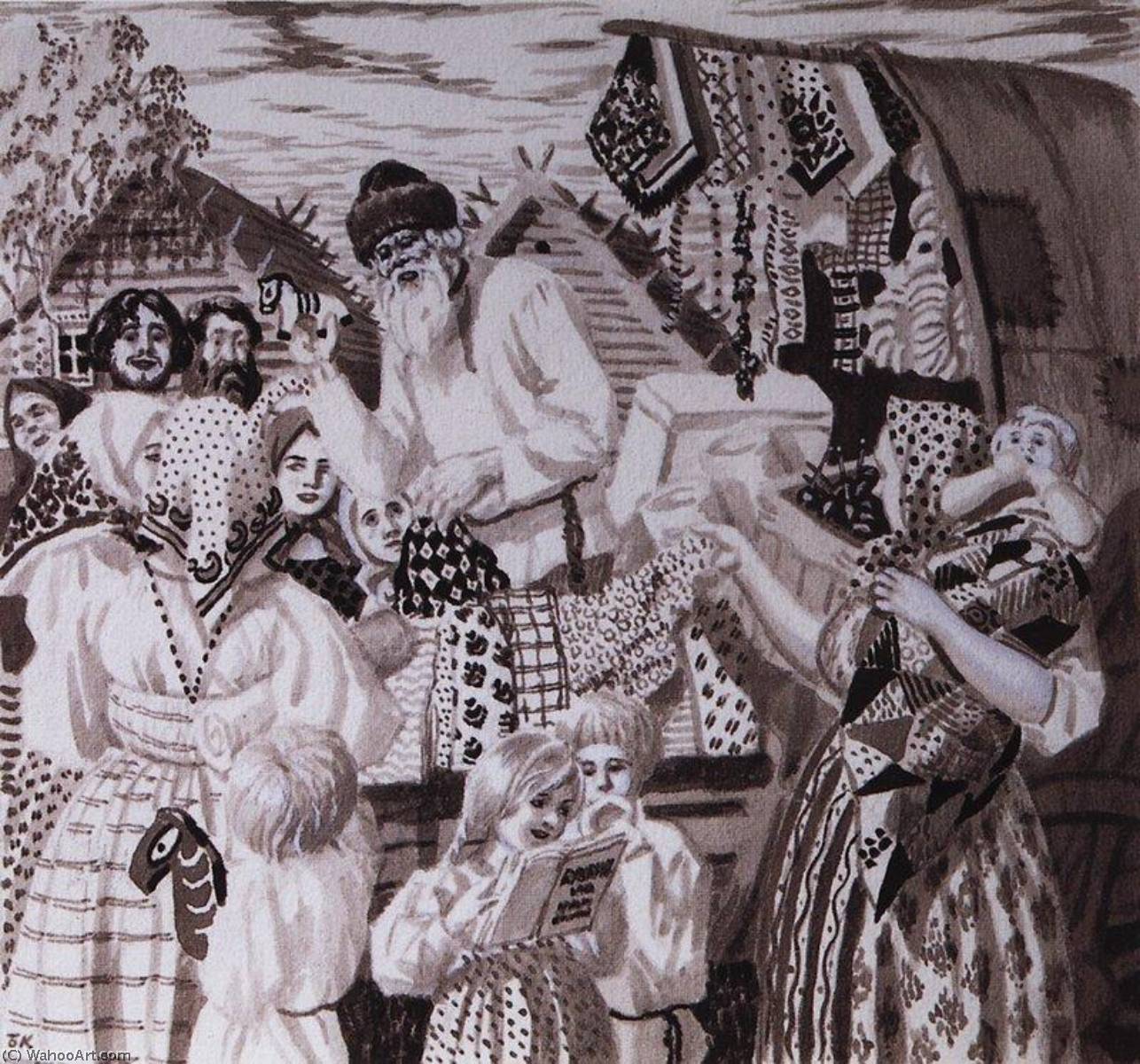
An Illustration for Nikolai Nekrasov's Poem Uncle Yakov


 詳細を見る
詳細を見る
オンラインプレビューをはるかに凌ぐ、高解像度で鮮明なデジタル画像をご購入いただけます。
各ファイルは、社内の専門家が高度なツールと熟練した手作業によるレタッチを用いて、細心の注意を払って準備されています。すべての画像において、卓越した鮮明度、正確な色彩再現性、そして繊細なディテールを保証いたします。
最終ファイルは、プロフェッショナルな編集・印刷環境ですぐにご利用いただけるよう最適化された状態で、72時間以内にメールにてお届けいたします。これは、一流のデザインスタジオ、出版社、ギャラリーから信頼されているものと同等の品質です。
デジタル画像のご注文に付随する特典
高品質なデジタル画像配信を、確かな品質で。
ArtsDot.com を選ぶことは、単に画像を手に入れることではありません。それは、プロの手によって精密に仕上げられ、満足保証が付いた高品質なデジタルアートワークを受け取ることを意味します。ご注文いただいた際に自動的に付随する内容は、以下の通りです:

メールですぐにお届け
ご注文から72時間以内に、高解像度のデジタル画像ファイルがメールでお手元に届きます。すぐにそのままご利用いただけます。

AI技術で最適化されたデジタルファイル
お客様の作品は、高度なAIツールと専門家による手作業の編集を組み合わせてプロフェッショナルに最適化されており、細部のディテール、鮮明さ、そして正確な色再現性を最大限に引き出しています。

一生涯無料の再送サービス
ファイルを誤って削除したり、紛失してしまったりしましたか?ご安心ください。いつでも無料で再送いたします。

輸入手数料は一切かかりません
関税や手数料、配送料を気にすることなく、お気に入りのアートワークをすぐにお楽しみいただけます。デジタルダウンロードは常に免税です。

色彩再現の保証
プロ仕様のツールとカラーマネジメント技術を用いることで、デジタル画像が元の色を最大限に忠実に再現することを保証いたします。

60日間満足保証
ご購入いただいたデジタル画像にご満足いただけない場合は、60日以内であれば、修正または100%の返金(理由を問う必要はありません)をさせていただきます。

100% 返金保証
ご満足いただけない場合は、デジタルファイルを受け取ってから60日以内であれば、理由を問わず全額返金いたします。

まとめ買い割引
3枚購入で10%OFF - 5枚購入で15%OFF - 10枚以上購入で20%OFF。クリエイティブなプロジェクト、ギャラリー、エージェンシーに最適です。
An Illustration for Nikolai Nekrasov’s Poem “Uncle Yakov” – A Window into Russian Soul
Boris Mikhailovich Kustodiev's 1921 illustration for Nikolai Nekrasov’s poem "Uncle Yakov" isn’t merely a depiction of a rural scene; it’s a meticulously crafted window into the heart of late Tsarist Russia, brimming with social commentary and imbued with a poignant sense of melancholy. Painted during a turbulent period of societal upheaval, this work transcends its literal subject matter to become a powerful meditation on tradition, poverty, and the enduring spirit of an aging patriarch. Kustodiev, already establishing his signature style – characterized by rich, saturated colors, theatrical poses, and a penchant for depicting provincial life with both warmth and a subtle critique – here masterfully employs his distinctive technique to capture the essence of Nekrasov’s narrative. The painting is rendered in oil on canvas, utilizing broad brushstrokes that create a sense of texture and movement, particularly evident in the folds of the clothing and the weathered faces of the figures. Notice the deliberate use of light and shadow, guiding the viewer's eye through the composition and emphasizing key elements within the scene.- The Scene: The illustration unfolds within a humble village setting – a small, sparsely furnished room dominated by a large stove. A group of villagers gathers around an elderly man, Uncle Yakov, who sits in a rocking chair, seemingly lost in thought.
- Characters: The figures are rendered with remarkable detail and psychological depth. Each individual embodies a specific aspect of rural life – the young woman tending to a spinning wheel, the children playing, the older men engaged in conversation. Their faces tell stories of hardship, resilience, and quiet dignity.
- The Stove: The central stove is not just a source of warmth; it’s a symbol of family, tradition, and the enduring connection to the past. It represents the heart of the household and the continuity of generations.
Kustodiev's Style and Technique – A Symphony of Color and Emotion
Kustodiev’s artistic style is instantly recognizable—a vibrant blend of realism, theatricality, and a touch of romanticism. He was deeply influenced by the “World of Art” movement, which sought to break away from academic traditions and embrace a more expressive and emotionally charged approach to painting. In "Uncle Yakov," this influence is evident in the exaggerated poses, the dramatic lighting, and the intense colors. The palette is rich and warm—deep reds, browns, and yellows dominate the scene, creating a sense of intimacy and warmth. However, there’s also an underlying note of sadness and resignation, reflected in the muted tones of the background and the weary expressions on the faces of the villagers. Kustodiev's masterful use of color isn't merely decorative; it serves to convey mood and emotion, drawing the viewer into the heart of the scene. The brushwork is loose and expressive, contributing to the painting’s overall sense of dynamism and vitality.Historical Context – A Nation in Transition
Created in 1921, this illustration emerges from a Russia grappling with profound social and political change. The early 20th century witnessed the decline of the Tsarist regime, followed by the Russian Revolution of 1905 and the subsequent Civil War. Nekrasov’s poem itself addressed themes of poverty, social injustice, and the plight of the peasantry – issues that resonated deeply with a population struggling to survive in the face of economic hardship and political turmoil. Kustodiev's depiction of rural life reflects this atmosphere of uncertainty and change, capturing both the beauty and the hardships of a nation on the cusp of transformation. The painting can be interpreted as a poignant commentary on the traditional values of rural Russia—values that were being challenged by the forces of modernization and industrialization.Symbolism and Emotional Impact – A Portrait of Resilience
Beyond its literal depiction, "Uncle Yakov" is rich in symbolism. Uncle Yakov himself represents the wisdom and experience of generations past, a link to a bygone era. His quiet contemplation suggests a deep understanding of life’s complexities and a acceptance of fate. The children playing symbolize hope for the future, while the women represent the continuation of family traditions. The painting evokes a powerful sense of nostalgia—a longing for simpler times and a recognition of the enduring strength of the human spirit. Despite the hardships depicted, there's also an underlying feeling of warmth and community, suggesting that even in the face of adversity, people find solace in each other’s company. It is a testament to Kustodiev’s ability to capture not just a scene, but the very soul of Russia.関連作品
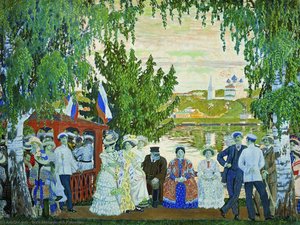
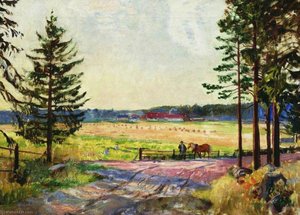
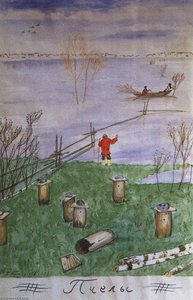
作家の略歴
ボリス・ミハイルウォイッチ・クストディエフ:ロシアの魂を鮮やかに映し出す画家
ボリス・ミハイルウォイッチ・クストディエフ(1878年3月7日 – 1927年5月28日)は、ロシア美術界に燦然と輝く画家であり舞台デザイナーです。彼の作品は、鮮やかな色彩と生き生きとした描写を通して、ロシアの日常生活や伝統を理想化された形で表現し、時代を超えて多くの人々に愛されています。アストラハニで生まれ育ったクストディエフは、幼少期に体験した商人の生活や地方都市の風景が、その後の作品に深く影響を与えました。父親の早すぎる死によって経済的に苦しい時期を過ごしましたが、その経験もまた、ロシアの人々の生活に対する深い理解と共感を生み出す原動力となりました。芸術への道:アカデミーでの学びと初期の試行
クストディエフは、神学校で教育を受けながらも、パヴェル・ヴラソフという画家から絵画の基礎を学びました。その後、サンクトペテルブルクに移り、名高い帝国美術アカデミーに入学し、イリヤ・レピンの下で研鑽を積みます。レピンは彼の才能をいち早く見抜き、支援しました。この時期に、クストディエフは大規模な記念絵画の制作を手伝う機会を得て、実践的な経験を積み重ねました。アカデミーでの学びを通して、彼は写実主義の基礎を固めるとともに、ロシアの伝統や文化に対する深い愛情を育んでいきました。初期の作品には、レピンの影響を受けた写実的な描写が見られますが、同時に独自の表現への模索も見ることができます。ロシアの息吹:商人と民衆の生活を描く
クストディエフの芸術的特徴は、ロシアの商人と庶民の生活を鮮やかに描き出すことにあります。彼は、彼らの豊かな文化や伝統、そして何よりもその人々の生き生きとした姿をキャンバスに表現しました。『女商人』(1918年)はその代表的な作品であり、商人の妻の威厳と優雅さを力強く描写しています。また、『マシレニツァ(バターウィーク)』(1916年)は、ロシアの伝統的な祭りを華やかな色彩で表現し、人々の喜びと活気を伝えています。これらの作品を通して、クストディエフは単なる肖像画や風景画にとどまらず、ロシアという国の魂を捉えようとしたのです。彼はヨーロッパ各地を旅しましたが、常に故郷のロシアへの想いが強く、その土地の文化や風俗を深く理解しようと努めました。試練と創造:病との闘いの中で開花した芸術
1916年、クストディエフは脊髄疾患を発症し、身体的な苦痛に苛まれることになります。しかし、彼はその困難な状況にも屈することなく、絵筆を握り続けました。むしろ、病を通して得た新たな視点は、彼の作品に深みと豊かさをもたらしました。車椅子生活を送る中で描かれた作品は、以前よりもさらに鮮やかな色彩と装飾的な表現が特徴となり、ロシアの民俗芸術の影響も強くなりました。彼は、失われた身体的な自由を、創造力によって補い、内なる情熱をキャンバスに注ぎ込みました。その姿は、芸術家としての不屈の精神を示すものであり、多くの人々に勇気を与えました。遺産と意義:ロシア美術史における確固たる地位
ボリス・ミハイルウォイッチ・クストディエフは、ロシア美術史において、独自のスタイルを確立した重要な画家の一人として位置づけられています。彼の作品は、ロシアの伝統文化や民衆の生活を鮮やかに描き出し、時代を超えて多くの人々に感動を与え続けています。また、病との闘いの中で創造性を失わなかった彼の姿は、芸術家としての不屈の精神を示すものであり、後世に大きな影響を与えました。クストディエフの作品は、現在もロシア国内の主要な美術館で展示されており、その芸術的価値と歴史的意義が広く認められています。主な作品
- 女商人 (1918): ロシアの実力と商人の生活を象徴する傑作
- フォンタヌカ (1916): サンクトペテルブルクの活気あふれる風景を描いた作品
- マシレニツァ(バターウィーク)(1916): ロシアの伝統的な祭りを鮮やかに表現した作品
- 三位一体の日:ロシアの宗教的祝祭の賑わいを捉えた作品
- 結婚馬車への襲撃:歴史的な出来事を力強く描いた木版画
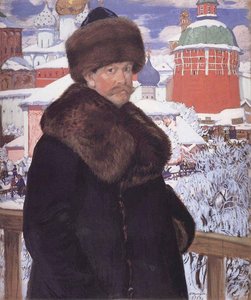
ボリス・ミハイルウォヴィチ・クストーディエフ
1878 - 1927 , ロシア
プロフィール概要
- フルネーム: ボリス・ミハイルウォヴィチ・クストディエフ
- 主な作品:
- 富豪の妻
- フォンタンカ
- マシュレニツァ
- 出生地: アストラハン、ロシア
- 国籍: ロシア
- 影響を与えたアーティストまたは運動: 後世のロシア人画家
- 影響を受けたアーティスト:
- イリヤ・レーピン
- ヴァシリイ・ペローヴ
- 没年月日: 1927年5月28日
- 生年月日: 1878年3月7日
- 芸術運動またはスタイル: 写実主義、アール・ヌーヴォー

