

 プレビュー
プレビュー
 プリントを購入
 シェアする
シェアする シェアする
シェアする
 詳細を見る
詳細を見る

 ダウンロード
 似ている作品
 X線調査
X線調査 スライドショー
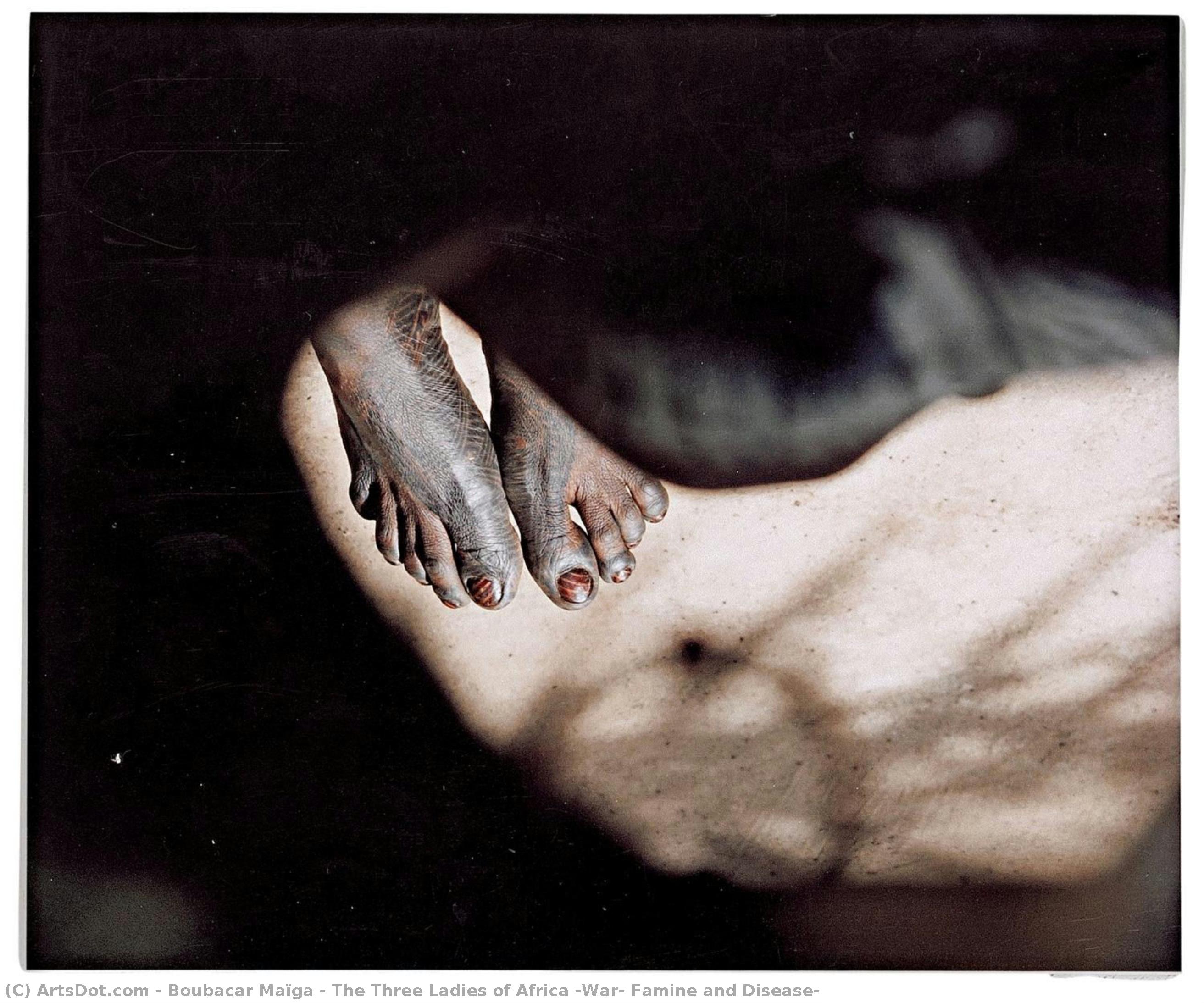
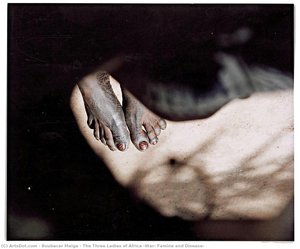
The Three Ladies of Africa (War, Famine and Disease)

 詳細を見る
詳細を見る
オンラインプレビューをはるかに凌ぐ、高解像度で鮮明なデジタル画像をご購入いただけます。
各ファイルは、社内の専門家が高度なツールと熟練した手作業によるレタッチを用いて、細心の注意を払って準備されています。すべての画像において、卓越した鮮明度、正確な色彩再現性、そして繊細なディテールを保証いたします。
最終ファイルは、プロフェッショナルな編集・印刷環境ですぐにご利用いただけるよう最適化された状態で、72時間以内にメールにてお届けいたします。これは、一流のデザインスタジオ、出版社、ギャラリーから信頼されているものと同等の品質です。
デジタル画像のご注文に付随する特典
高品質なデジタル画像配信を、確かな品質で。
ArtsDot.com を選ぶことは、単に画像を手に入れることではありません。それは、プロの手によって精密に仕上げられ、満足保証が付いた高品質なデジタルアートワークを受け取ることを意味します。ご注文いただいた際に自動的に付随する内容は、以下の通りです:

メールですぐにお届け
ご注文から72時間以内に、高解像度のデジタル画像ファイルがメールでお手元に届きます。すぐにそのままご利用いただけます。

AI技術で最適化されたデジタルファイル
お客様の作品は、高度なAIツールと専門家による手作業の編集を組み合わせてプロフェッショナルに最適化されており、細部のディテール、鮮明さ、そして正確な色再現性を最大限に引き出しています。

一生涯無料の再送サービス
ファイルを誤って削除したり、紛失してしまったりしましたか?ご安心ください。いつでも無料で再送いたします。

輸入手数料は一切かかりません
関税や手数料、配送料を気にすることなく、お気に入りのアートワークをすぐにお楽しみいただけます。デジタルダウンロードは常に免税です。

色彩再現の保証
プロ仕様のツールとカラーマネジメント技術を用いることで、デジタル画像が元の色を最大限に忠実に再現することを保証いたします。

60日間満足保証
ご購入いただいたデジタル画像にご満足いただけない場合は、60日以内であれば、修正または100%の返金(理由を問う必要はありません)をさせていただきます。

100% 返金保証
ご満足いただけない場合は、デジタルファイルを受け取ってから60日以内であれば、理由を問わず全額返金いたします。

まとめ買い割引
3枚購入で10%OFF - 5枚購入で15%OFF - 10枚以上購入で20%OFF。クリエイティブなプロジェクト、ギャラリー、エージェンシーに最適です。
関連作品





作家の略歴
Boubacar Maïga: Echoes of Africa in Acrylic
Born in Bamako, Mali, in 1958, Boubacar Maïga’s art is a poignant and deeply personal exploration of the realities facing his homeland. While biographical details remain sparse – a deliberate aspect of his artistic practice perhaps – his work speaks volumes about the enduring struggles of war, famine, and disease that have shaped contemporary Africa. Maïga's distinctive style, characterized by bold acrylic strokes and a restrained palette, immediately draws the viewer in, demanding contemplation rather than immediate gratification. He isn’t interested in grand narratives or heroic depictions; instead, he offers stark, unsettling portraits of human suffering and resilience.
His most recognized work, ‘The Three Ladies of Africa: War, Famine, and Disease,’ exemplifies this approach. This powerful painting – a cornerstone of his oeuvre – isn’t a literal representation but rather an allegorical embodiment of the continent's persistent challenges. The figures are not individualized; they are archetypes, representing the collective experience of millions. The use of muted earth tones—ochres, browns, and grays—underscores the bleakness of their circumstances, while flashes of red and white punctuate the composition, symbolizing bloodshed and a desperate plea for help. The painting’s impact lies not in its technical brilliance but in its unflinching honesty and its refusal to shy away from uncomfortable truths.
A Mali Rooted in History
Maïga's artistic journey is inextricably linked to the complex history of Mali, a nation grappling with colonialism, political instability, and economic hardship. Bamako, his birthplace, is a vibrant hub of cultural exchange, yet it’s also a city bearing the scars of conflict and displacement. Understanding this context is crucial to interpreting Maïga's work; he isn’t simply painting Africa – he’s painting *his* Africa, a land shaped by centuries of struggle and resilience.
While specific details about his early artistic training are limited, it’s believed that Maïga honed his skills through observation and experimentation. The influence of traditional Malian art forms—particularly the use of symbolic imagery and earthy pigments—can be discerned in his work. However, he departs from purely representational styles, embracing a more expressive and emotionally charged approach. It's speculated that he was influenced by the broader contemporary African art scene emerging during the late 20th century, which challenged Western artistic conventions and sought to reclaim narratives of identity and experience.
Technique and Style
Maïga’s distinctive style is immediately recognizable through his deliberate use of acrylic paint. He favors a thick, impasto technique—applying the paint in layers—which creates a tactile surface that invites close examination. The bold brushstrokes are not intended to be smooth or refined; rather, they convey a sense of urgency and raw emotion. His color palette is deliberately restrained, dominated by earthy tones that evoke the landscapes and textures of Mali. He skillfully employs contrast – particularly between light and shadow – to heighten the drama and emotional impact of his compositions.
Furthermore, Maïga’s work often incorporates elements of abstraction. While recognizable forms—such as the figures in ‘The Three Ladies of Africa’—are present, they are frequently distorted or fragmented, reflecting the fractured realities of life in contemporary Mali. This blending of representation and abstraction allows him to communicate complex ideas with a powerful visual economy.
Legacy and Significance
Despite the relative obscurity surrounding Boubacar Maïga's personal life, his art has garnered increasing recognition within the international contemporary art scene. His work serves as a vital reminder of the ongoing challenges faced by African nations and offers a poignant commentary on themes of colonialism, postcolonialism, and social justice. Maïga’s unflinching honesty and emotional depth resonate deeply with viewers, prompting reflection on the human cost of conflict and displacement.
His work stands as a testament to the power of art to bear witness to difficult truths and to foster empathy for those who are often marginalized and forgotten. As an artist rooted in the realities of Mali, Boubacar Maïga’s paintings offer a uniquely powerful and enduring contribution to the global dialogue on issues of identity, resilience, and the human condition.
boubacar maïga
1958 - , Mali
プロフィール概要
- Artistic Movement Or Style: Acrylic painting
- Date Of Birth: 1958
- Date Of Death: Living
- Full Name: Boubacar Maïga
- Nationality: Malian
- Notable Artworks: ['The Three Ladies Africa']
- Place Of Birth: Bamako, Mali

