

 プレビュー
プレビュー
 シェアする
シェアする シェアする
シェアする
 詳細を見る
詳細を見る

 ダウンロード
 似ている作品
 X線調査
X線調査 スライドショー
 統計情報
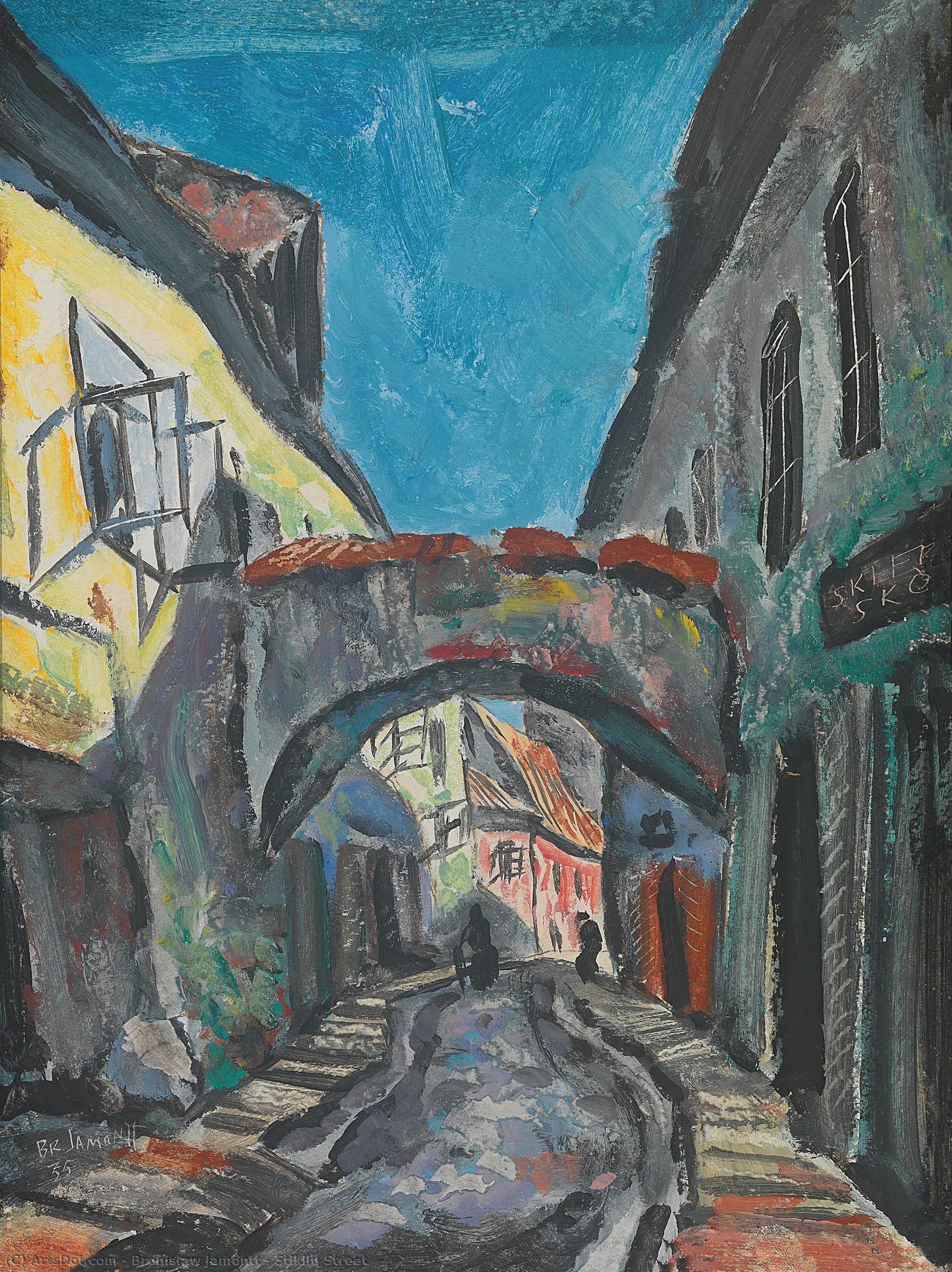
統計情報Stiklių Street
 Oil
Oil- WallArt
- Expressionism
 1935
1935- Modern
 36.0 x 27.0 cm
 Lithuanian Art Centre TARTLE
 詳細を見る
詳細を見る
オンラインプレビューをはるかに凌ぐ、高解像度で鮮明なデジタル画像をご購入いただけます。
各ファイルは、社内の専門家が高度なツールと熟練した手作業によるレタッチを用いて、細心の注意を払って準備されています。すべての画像において、卓越した鮮明度、正確な色彩再現性、そして繊細なディテールを保証いたします。
最終ファイルは、プロフェッショナルな編集・印刷環境ですぐにご利用いただけるよう最適化された状態で、72時間以内にメールにてお届けいたします。これは、一流のデザインスタジオ、出版社、ギャラリーから信頼されているものと同等の品質です。
デジタルアート
個人での鑑賞、印刷、クリエイティブなプロジェクト用に、高解像度ファイルをダウンロードできます。 ( プリント版に切り替え 手描きの絵画を購入)
デジタル画像のご注文に付随する特典
高品質なデジタル画像配信を、確かな品質で。
ArtsDot.com を選ぶことは、単に画像を手に入れることではありません。それは、プロの手によって精密に仕上げられ、満足保証が付いた高品質なデジタルアートワークを受け取ることを意味します。ご注文いただいた際に自動的に付随する内容は、以下の通りです:

メールですぐにお届け
ご注文から72時間以内に、高解像度のデジタル画像ファイルがメールでお手元に届きます。すぐにそのままご利用いただけます。

AI技術で最適化されたデジタルファイル
お客様の作品は、高度なAIツールと専門家による手作業の編集を組み合わせてプロフェッショナルに最適化されており、細部のディテール、鮮明さ、そして正確な色再現性を最大限に引き出しています。

一生涯無料の再送サービス
ファイルを誤って削除したり、紛失してしまったりしましたか?ご安心ください。いつでも無料で再送いたします。

輸入手数料は一切かかりません
関税や手数料、配送料を気にすることなく、お気に入りのアートワークをすぐにお楽しみいただけます。デジタルダウンロードは常に免税です。

色彩再現の保証
プロ仕様のツールとカラーマネジメント技術を用いることで、デジタル画像が元の色を最大限に忠実に再現することを保証いたします。

100日間満足保証
ご購入いただいたデジタル画像にご満足いただけない場合は、100日以内であれば、理由を問わず修正または100%の返金対応をさせていただきます。

100% 返金保証
ご満足いただけない場合は、デジタルファイルを受け取ってから100日以内であれば、理由を問わず全額返金いたします。

まとめ買い割引
3枚購入で10%OFF - 5枚購入で15%OFF - 10枚以上購入で20%OFF。クリエイティブなプロジェクト、ギャラリー、エージェンシーに最適です。
A Fragmented Urban Soul: The Haunting Beauty of Stiklių Street
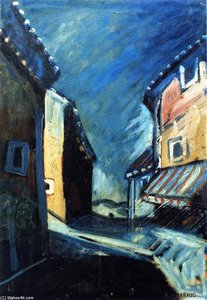
In the evocative masterpiece Stiklių Street, Bronisław Jamontt invites us into a world where architecture breathes with a restless, almost sentient energy. Painted in 1935, this work serves as a profound window into a specific moment in Lithuanian history, capturing the narrow, winding corridors of Vilnius with an intensity that transcends mere representation. The scene is not merely a depiction of a street; it is a psychological landscape where the physical structures of the city—the broken shapes of buildings and the heavy, wooden pavements—seem to press inward, creating a sense of compressed and deformed urban space. As one gaz and wanders through the composition, the eye is drawn along the brick roadway, following the solitary figures that move like shadows through the blue-tinted depths of the alleyway.
The technique employed by Jamontt in this period of his career marks a departure from the delicate Art Nouveau forms of his youth toward a much more expressive and dynamic approach. The brushwork is intentionally chaotic, utilizing thick, energetic strokes that imbue the canvas with a sense of movement and instability. This painterly turbulence is balanced by a striking use of color contrast; the brilliant, sun-drenched yellow of a prominent wall clashes sharply against the deep, cool blues of the sky and the heavy shadows below. Such high-contrast lighting does more than create depth—it heightens the tension within the frame, making the atmosphere feel thick with an unspoken narrative.
Historical Resonance and Emotional Depth
To look upon Stiklių Street is to encounter the complex spirit of the Jewish Ghetto during a period of profound historical transition. While the sun may shine upon the scene, there is an unmistakable sense of unease lingering in the air. Jamontt masterfully captures a mood that is simultaneously cold and restless, where even the architecture feels burdened by the weight of history. The way the street is crossed by a dark archway creates a threshold between light and shadow, symbolizing the precarious existence of those navigating these urban labyrinths. There is no soft nature to offer solace here; instead, we are met with the hard edges of man-made structures and the heavy presence of stone and wood.
For the discerning collector or interior designer, this painting offers much more than a decorative element; it provides a focal point of profound intellectual and emotional gravity. The piece possesses a unique ability to anchor a room, bringing with it a sense of historical continuity and artistic sophistication. Whether placed in a contemporary gallery setting or a classic study, the work’s interplay of light and shadow invites long periods of contemplation. It is an ideal acquisition for those who appreciate art that tells a story—a piece that captures the beautiful, tragic, and enduring essence of the human experience etched into the very stones of a city.
関連作品

作家の略歴
A Life Immersed in Landscape: The World of Bronisław Jamontt
Bronisław Jamontt (1886-1957) was a Lithuanian-Polish painter whose artistic journey unfolded against the backdrop of shifting political landscapes and evolving aesthetic sensibilities. Born in Dokudow, near Lida – now in Belarus but historically part of Lithuania – his life was marked by a deep connection to the natural world, particularly the evocative scenery of Vilnius and its surrounding regions. Jamontt’s path wasn't one of immediate artistic recognition; rather, it was a gradual immersion into painting, interwoven with studies in law and periods of teaching that profoundly shaped his perspective. He initially pursued legal education in St. Petersburg while simultaneously nurturing his passion for art, a duality that perhaps instilled within him a meticulous attention to detail and a structured approach to composition. Early travels to artistic hubs like Cracow and Zakopane exposed him to the vibrant Polish art scene, fostering relationships with artists of the time and laying the groundwork for his future stylistic development.Vilnius as Muse: Early Influences and Artistic Formation
The city of Vilnius became central to Jamontt’s creative identity. He returned there in 1910, establishing himself as a drawing teacher and beginning to capture the Old Town's unique character on canvas. This period saw him studying at the Art faculty of Stephen Báthory University during the 1920s, later becoming a lecturer there from 1931. His early works reveal an affinity for *Art Nouveau* lines and a fascination with the city’s architecture – narrow streets, cobbled pavements, wooden shutters, and painted signs all found their way into his compositions. A painting like “A Side Street in Vilnius” exemplifies this early style; it's not merely a depiction of place but an attempt to convey its age and atmosphere through subtly distorted forms and a sense of organic movement. The architecture itself seems to breathe, mirroring the curves of the clouds above. These initial explorations weren’t simply topographical exercises; they were imbued with a poetic sensibility, transforming ordinary urban scenes into evocative meditations on time and memory.Evolving Style: From Realism to Fantastical Landscapes
Jamontt's artistic style underwent a notable evolution throughout his career. While initially grounded in realism, he gradually moved towards more fantastical and decorative landscapes. This shift was likely influenced by his travels to Paris, Brussels, Rome, and Florence in the late 1920s and early 1930s – experiences that broadened his artistic horizons and exposed him to diverse aesthetic currents. He became a member of the Vilnius Plastic Artists’ Society, actively participating in exhibitions across Europe, including Warsaw, Paris, and Moscow. His later works are characterized by a heightened sense of color, intricate detail, and an almost dreamlike quality. The landscapes become less about precise representation and more about evoking mood and atmosphere.Pedagogical Contributions and Later Life
Beyond his artistic practice, Jamontt dedicated himself to art education. He held positions at various schools and institutions, including the School Realna Polskiej Macierzy Szkolnej in Homel and the Gimnazjum im. Króla Zygmunta Augusta in Vilnius. From 1937, he became a professor of landscape painting at the University of Toruń, shaping generations of young artists. His pedagogical approach likely emphasized meticulous observation, technical skill, and a deep appreciation for the natural world – qualities that are evident in his own work. After World War II, Jamontt settled in Toruń, continuing to paint landscapes until his death in 1957.Legacy and Historical Significance
Bronisław Jamontt’s legacy lies in his unique ability to blend realism with a touch of fantasy, creating landscapes that are both evocative and deeply personal. He occupies an important place within the history of Lithuanian and Polish art as a painter who captured the beauty and character of Vilnius during a period of significant change. His work offers a glimpse into a bygone era, preserving the atmosphere of a city steeped in history and tradition. While not widely known internationally, his paintings are increasingly appreciated for their technical skill, poetic sensibility, and enduring charm. He stands as a testament to the power of art to transform observation into emotion and memory into lasting beauty.
bronisław jamontt
1886 - 1957 , Lithuania
プロフィール概要
- Artistic Movement Or Style: Fantastical landscapes, Decorative styles
- Date Of Birth: 1886
- Date Of Death: 1957
- Full Name: Bronisław Jamontt
- Nationality: Lithuanian-Polish
- Notable Artworks:
- A Side Street in Vilnius
- Stiklių Street
- Place Of Birth: Didžkūnai, Lithuania