


 プリントを購入
 シェアする
シェアする シェアする
シェアする
 詳細を見る
詳細を見る

 ダウンロード
 似ている作品
 スライドショー
View of Statue of Liberty with the photographer’s reflection


 詳細を見る
詳細を見る




































作品のオリジナル比率に合わせた、当店の規定サイズからお選びください。

特定のフレームやスペースに合わせて、ご希望のサイズをご入力いただけます。選択されたサイズが元の画像の比率と異なる場合、アートワークをトリミングするか、手描きで要素を追加して絵画を拡張いたします。デジタルモックアップ を制作し、制作開始前にご確認(承認)をいただきます。
画面上のプレビューは、実際のトリミングや拡張を正確に反映しているものではありません。最終的な構図は、モックアップによってのみ正確にご確認いただけます。
カスタムサイズもご利用いただけますが、元の比率を維持するためには、あらかじめ用意されたリストからサイズを選択することをお勧めいたします。
ご注文後、ArtsDot.com チームより詳細な指示をお送りするとともに、仕上がりイメージ(モックアップ)をご提供いたします。


 ガラスオプションは、110cm未満のサイズでのみご利用いただけます。

View of Statue of Liberty with the photographer’s reflection
複製技法
複製画のサイズ
-


合計金額
$ 263
A Moment Frozen in Time: Bruce Davidson’s ‘View of Statue of Liberty with the Photographer’s Reflection’
Bruce Davidson's 1958 photograph, “View of Statue of Liberty with the Photographer’s Reflection,” isn’t merely a depiction of an iconic landmark; it’s a quietly profound meditation on observation, perspective, and the very act of creating art. Captured during a period of significant social and artistic upheaval – the burgeoning era of documentary photography – this black-and-white image transcends its subject matter to become a compelling study in layered meaning and visual storytelling. The photograph immediately draws the viewer in with its stark simplicity: a towering view of the Statue of Liberty, partially obscured by a lamppost, yet dominated by an arresting reflection within that same post. This subtle inclusion isn’t merely a technical detail; it's a deliberate invitation to consider the photographer’s role as both witness and participant in the scene.
Davidson, a key figure in Magnum Photos and renowned for his intimate portraits of marginalized communities, employed techniques honed through mentorship with masters like Robert Frank. The photograph’s documentary style – characterized by its unvarnished realism and focus on capturing authentic moments – is evident in the composition's deliberate use of diagonals created by power lines and architectural elements, guiding the eye towards both the monumental statue and the enigmatic reflection. These lines aren’t simply compositional devices; they speak to the urban landscape of New York City at mid-century, a city grappling with rapid growth and social change. The inclusion of two figures in the background subtly anchors the scene within a broader context of human activity, reminding us that even grand symbols are viewed through the lens of everyday life.
The Language of Light and Shadow
Davidson’s masterful control over light and shadow is crucial to the photograph's impact. The image exists entirely in shades of gray, relying on a dramatic range from deep blacks to bright whites to define form and create an atmosphere of both strength and vulnerability. The harsh, directional lighting emphasizes the statue’s imposing presence while simultaneously highlighting the photographer’s reflection – a ghostly echo superimposed upon the scene. This layering creates a sense of depth and intrigue, inviting the viewer to question what they are seeing and how it is being perceived. The graininess inherent in black-and-white photography adds another layer of texture, lending a tactile quality to the image and reinforcing its documentary roots.
Symbolism and Self-Reflection
Beyond its technical merits, “View of Statue of Liberty with the Photographer’s Reflection” is rich in symbolic meaning. The statue itself, an enduring emblem of American ideals – liberty, democracy, and opportunity – stands as a powerful symbol of national identity. However, Davidson's inclusion of his own reflection within the lamppost introduces a layer of self-awareness and complexity. It suggests that even the act of observing and documenting carries with it a degree of subjectivity. The reflection becomes a mirror reflecting not just the statue but also the photographer’s presence, prompting us to consider how our own perspectives shape our understanding of the world around us.
Furthermore, the solitary figure in the reflection can be interpreted as representing isolation or contemplation – a poignant detail within the bustling urban landscape. The photograph evokes a sense of history, capturing a specific moment in time while simultaneously resonating with timeless themes of observation and self-awareness. It’s a quiet yet powerful statement about the relationship between the observer and the observed, inviting viewers to contemplate their own role as witnesses to the world.
A Reproduction Worth Cherishing
ArtsDot offers meticulously crafted hand-painted reproductions of this iconic photograph, allowing you to bring its evocative power into your home or office. Each reproduction is created by skilled artists using archival-quality materials, ensuring that the image’s rich detail and nuanced tones are faithfully preserved for generations to come. Whether you're an art collector, a design enthusiast, or simply someone seeking a piece of history to admire, this reproduction offers a beautiful and meaningful way to connect with Bruce Davidson’s groundbreaking work.
関連作品
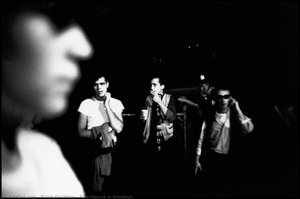
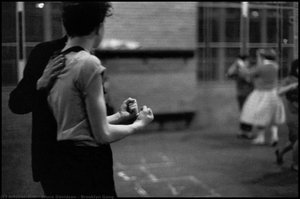
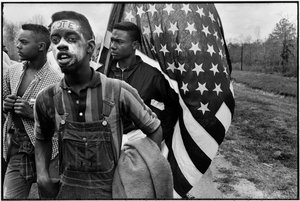
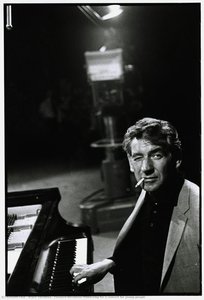
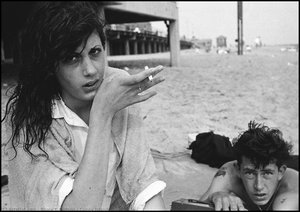
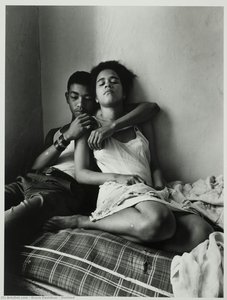
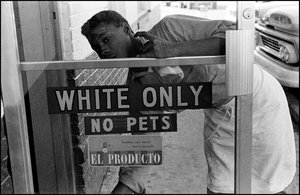
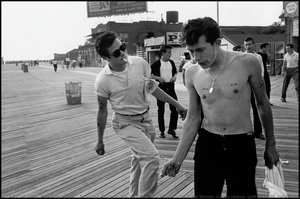
アーティストの略歴
幼少期と芸術的覚醒
1933年、イリノイ州オークパークに生まれたブルース・ランドン・デビッドソンは、アメリカのドキュメンタリー写真の歴史に消えることのない足跡を刻むことになる、ある写真家としての旅路へと踏み出しました。彼の物語は、最初から芸術的な天啓を受けたものではなく、家族の支えと幼い頃の探求心によって、ゆっくりと紡がれていったものです。わずか10歳の時、母親が地下室に丹念に作り上げた暗室――その決定的な出来事が、彼の生涯にわたる情熱に火を灯しました。それは単に機材に触れる機会を得たということではありません。光と影、そして創造的なコントロールが支配する世界への招待状だったのです。彼はすぐに地元のニュース写真家であるアル・コックスに師事し、技術的な細部だけでなく、ライティングやプリントの繊慢な技法を学びました。これらのスキルは、後に彼の独特なスタイルの礎となります。ロバート・フランク、ユージン・スミス、アンリ・カルティエ=ブレッソンといった巨匠たちの影響は、彼の視界に静かに浸透し、剥き出しの感情や社会の現実を、揺るぎない誠実さで捉えたいという渇望を彼の中に植え付けていきました。十代の頃からすでにデビッドソンは類まれな才能を発揮しており、1952年にはフクロウを捉えた情緒豊かな作品でコダック・ナショナル・ハイスクール写真賞を受賞しています。これは、構図と情緒に対する彼の研ぎ澄まされた眼差しの証左といえるでしょう。形成期とマグナムへの参入
ロチェスター工科大学、そしてイェール大学での学問的探求は、デビッドソンの芸術的感性をさらに磨き上げました。イェール大学において、高名な色彩理論家であるヨーゼフ・アルバースの指導を受けた際、彼は決定的な転換点を迎えます。当初、スキッド・ロウのアルコール依存症者たちを描いた一連の写真を発表したデビッドソンに対し、アルバースは厳しいフィードバックを与えました。彼はデビッドソンに対し、「感傷的」と見なされる作品を捨て、デッサンと色彩研究の規律を受け入れるよう促したのです。この厳格な訓練は極めて価値のあるものとなり、視覚的な形態や構図に対する彼の理解を形作っていきました。大学の卒業論文として発表されたフォトエッセイ『ロッカールームの緊張(Tension in the Dressing Room)』では、イェール大学のアメリカンフットボールチームの舞台裏を親密な視点で描き出し、試合に臨むアスリートたちの感情的な昂ぶりを捉えました。このプロジェクトは1955年にライフ誌に掲載されることとなります。卒業後、デビエッドソンはアリゾナ州フォート・フチャカの米陸軍通信隊に配属され、その写真技術を駆食して軍生活を記録しました。その後、パリ近郊の欧州連合軍最高司令部への幸運な任務が、彼をアンリ・カルティエ=ブレッソンとの出会いへと導きました。この極めて重要な邂逅は師弟関係へと発展し、最終的に1958年、名高いマグナム・フォトにメンバーとして加入することとなったのです。疎外されたコミュニティの記録
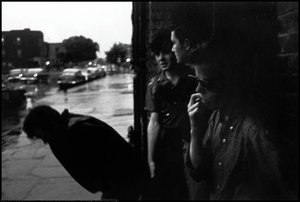
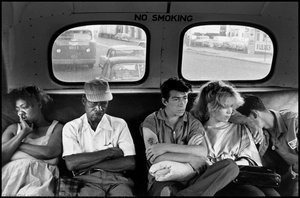
デビッドソンの作品を特徴づけているのは、主流社会から見過ごされ、あるいは誤解されがちなコミュニティを記録し続けるという、揺るぎない献身的な姿勢です。1959年の『ブルックリン・ギャング(Brooklyn Gang)』などの初期プロジェクトは、都市生活の複雑な荒波に揉まれる問題児たちの姿を、痛切なまでに描き出しました。それは単なる観察ではありませんでした。被写体との信頼関係を築くために数ヶ月を費やし、彼らの世界を共感と敬意を持って捉えようとする「没入」そのものだったのです。この探求はさらに続き、『ニューヨーク・タイムズ』の記者として南部でのフリーダム・ライダー(自由の乗車運動)を追った任務は、1961年から1965年にかけての公民権運動という、より広範な記録へと進化していきました。グッゲンハイム奨学金の支援を受けながら、デビッドソンは平等のために闘う人々の苦闘と勝利を恐れずに捉え、そのイメージは観衆の心に深く響き、人種的不正義に対する国家的な意識の高まりに寄与しました。彼の社会評論への情熱は、1970年の『イースト・100番街(East 100th Street)』において頂点に達します。これはイースト・ハーレムの貧困に喘ぐ一画を2年間にわたって徹底的に調査したプロジェクトであり、絶賛を浴びるとともに、ドキュメンタリー写真の巨匠としての彼の地位を不動のものとしました。広がる地平:地下鉄、セントラルパーク、そしてその先へ
1970年代以降も、デビッドソンは創造的な境界線を押し広げ続け、新たな主題と技法を模索しました。1970年代後半の『Subway(地下鉄)』は、カラー写真への重要な転換点となり、ニューヨークの地下鉄システムの荒々しいエネルギーと多様な登場人物たちを捉えました。彼は暗闇や混沌から逃げることはありませんでした。むしろそれを受け入れ、視覚的に強烈で、かつ感情的な共鳴を呼ぶイメージを生み出したのです。1990年代初頭、デビッドソンはレンズをセントラルパークへと向け、この象徴的な都会のオアシスを、美、孤独、そして人間同士の繋がりを探求するためのキャンバスへと変貌させました。また1998年には再びイースト・100番街を訪れ、30年間の間に起こった変化を記録しました。それはジェントリフィケーション(都市の富裕化)、回復力、そしてコミュニティの不朽の精神に対する、痛切な省察となりました。静止写真の枠を超え、デビッドソンは映画制作にも進出し、受賞歴のある短編映画を監督することで、そのストーリーテリング能力をさらに披露しました。彼の功績は数多くの賞に彩られています。2011年のソニー・ワールド・フォトグラフィー・アワードでの卓越した写真貢献賞や、2018年の国際写真センター(ICP)による生涯功労賞(インフィニティ・アワード)などは、慈愛、誠実さ、そして芸術的ビジョンを持って人間の経験を捉え続けることに捧げられた、彼のキャリアの証です。彼の写真は今もなお、私たちの思考を刺激し、対話を促し、分かち合える人間性を思い出させてくれるのです。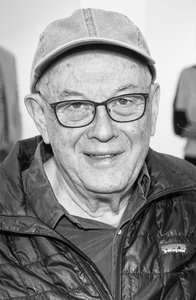
ブルース・デビッドソン
1933 - , アメリカ合衆国
基本情報
- Artistic Movement Or Style: 社会ドキュメンタリー写真
- Artists Who Influenced This Artist:
- ロバート・フランク
- ユージン・スミス
- アンリ・カルティエ=ブレッソン
- Date Of Birth: 1933年9月5日
- Full Name: ブルース・ランドン・デビッドソン
- Nationality: アメリカ
- Notable Artworks:
- ブルックリン・ギャング
- イースト100番街
- サブウェイ
- 無題
- Place Of Birth: アメリカ合衆国、オークパーク
関連記事

Monochrome Visions: Exploring the Aesthetic & Historical Significance of Black & White Photography
Explore the rich history & artistic power of black and white photography. From early techniques to iconic masters like Ansel Adams, discover why monochrome continues to captivate art lovers today. Expert insights for collectors.
Beyond the Lens: Photography's Enduring Influence on Modern & Contemporary Art
Explore photography's pivotal role in shaping modern & contemporary art. Discover key movements, influential artists like Stieglitz, and expert collecting advice from ArtsDot.

Dark Masterpieces: 10 Iconic Paintings Dominated by Black Tones |
Explore 10 iconic paintings dominated by black tones, from Rembrandt’s chiaroscuro to Goya's dark expressions. Discover the stories behind these masterpieces & find museum-quality art reproductions for your home at .
Pictorialism: A Search for Artistic Photography's Soul – Aesthetics, Techniques & Legacy
Explore the captivating world of Pictorialism – a pivotal movement that transformed photography into fine art. Discover key artists like Stieglitz & Käsebier, techniques, and collecting tips from experts.
Witnessing History Through Lens & Light: Documentary Photography's Enduring Legacy
Explore the powerful history of documentary photography – from its origins to contemporary masters like Gordon Parks & W. Eugene Smith. Discover how this art form shapes our understanding of society and witness pivotal moments in time.

