

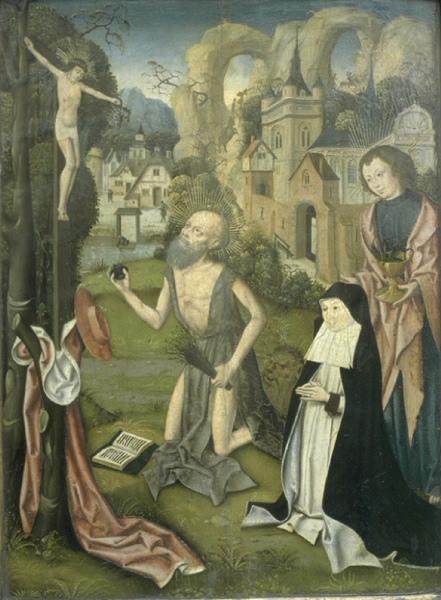
 プレビュー
プレビュー
 シェアする
シェアする シェアする
シェアする
 詳細を見る
詳細を見る

 ダウンロード
 似ている作品
 X線調査
X線調査 スライドショー
 統計情報
統計情報Saint Jérôme pénitent

 詳細を見る
詳細を見る
手描き油彩複製画
当社のアーティストが、お客様のご希望のサイズと額縁に合わせて、キャンバスに手描きで制作する油彩画です。 ( プリント版に切り替え デジタル画像販売へ切り替え)




P118B $10

P118H $10

P118W $10

P438Z $10

P508JH $12

P508YH $12

P805H $10

P805Z $10

P919BZ $10

P919G $10

P919XJ $10

P959ZH $10

P968JZ $12

W106C $8

W218G $10

W218JH $8

W218Y $10

W307PJ $10

W316G $10

W316PJ $8

W316Y $10

W398PJ $8

W4111J $10

W500HY $15

W500JH $15

W692G $12

W849H $8

W940BG $15

W953PJ $8




作品のオリジナル比率に合わせた、当店の規定サイズからお選びください。

特定のフレームやスペースに合わせて、ご希望のサイズをご入力いただけます。選択されたサイズが元の画像の比率と異なる場合、アートワークをトリミングするか、手描きで要素を追加して絵画を拡張いたします。デジタルモックアップ を制作し、制作開始前にご確認(承認)をいただきます。
画面上のプレビューは、実際のトリミングや拡張を正確に反映しているものではありません。最終的な構図は、モックアップによってのみ正確にご確認いただけます。
カスタムサイズもご利用いただけますが、元の比率を維持するためには、あらかじめ用意されたリストからサイズを選択することをお勧めいたします。
ご注文後、ArtsDot.com チームより詳細な指示をお送りするとともに、仕上がりイメージ(モックアップ)をご提供いたします。


 ガラスオプションは、110cm未満のサイズでのみご利用いただけます。

Saint Jérôme pénitent
複製技法
複製画のサイズ
-


合計金額
$ 313
関連作品
アーティストの略歴
Bartholomäus Bruyn (Le Vieux): A Master of Cologne’s Bourgeois Life
Bartholomäus Bruyn, more commonly known as Barthel Bruyn the Elder or Barthel Bruyn Le Vieux, stands as a pivotal figure in 16th-century German art, particularly renowned for his captivating portraits and elaborate altarpieces. Born around 1493 in Wesel or Cologne – details of his early life remain somewhat shrouded in mystery – Bruyn’s career blossomed within the vibrant artistic landscape of Cologne, transforming the city into a significant center for portraiture during a period of burgeoning wealth and civic pride. His work offers a remarkably intimate glimpse into the lives and aspirations of Cologne's bourgeois elite, capturing not just likenesses but also the very essence of their status and character.
Bruyn’s artistic journey began under the influence of his predecessors, notably Jan Joest and Joos van Cleve. Early works, dating from around 1515, demonstrate a clear connection to Joest's distinctive style – particularly his habit of illuminating figures from below – alongside the refined elegance characteristic of Van Cleve’s portraits. This early period established a foundation built upon meticulous detail and a burgeoning understanding of human form. However, as he progressed through the 1520s, Bruyn began to absorb the dynamism and dramatic flair of the Netherlandish “Romanism,” spearheaded by artists like Jan van Scorel, incorporating elements of Italian Renaissance art filtered through the engravings of Marcantonio Raimondi and the work of Martin van Heemskerck. This shift marked a significant evolution in his style, moving towards greater expressiveness and a more theatrical approach to composition.
The Altarpiece Master
Bruyn’s most enduring legacy lies in his monumental altarpieces. The 1522-1525 high altar for Essen Cathedral stands as a testament to his skill and ambition, showcasing a complex narrative of religious scenes interwoven with meticulously rendered figures. This ambitious project established him as a leading artist in the region and demonstrated his ability to orchestrate large-scale compositions that combined theological themes with intricate detail. Later commissions, such as the high altar for the church of Saint Victor in Xanten (1529), further solidified his reputation, revealing a growing mastery of color, perspective, and dramatic lighting – elements he skillfully borrowed from both Northern and Italian artistic traditions.
A Portraitist of Distinction
While Bruyn’s altarpieces garnered considerable attention, it is perhaps in the realm of portraiture that he truly distinguished himself. Unlike many of his contemporaries who relied on idealized representations, Bruyn's portraits possessed a remarkable sense of realism and psychological depth. He eschewed the conventional practice of flattering his subjects, instead offering honest and often subtly critical depictions of their personalities and social standing. His portraits frequently feature half-length compositions, focusing intently on the faces of his sitters – capturing not just physical likeness but also subtle expressions of character, wealth, and status. The attention to detail in clothing, jewelry, and hairstyles further emphasized the sitter’s position within Cologne society.
A particularly noteworthy aspect of Bruyn's portraiture is its relative lack of signature. This absence has led to ongoing debates among art historians regarding attribution, with some initially attributing portraits to Hans Holbein the Younger due to stylistic similarities that emerged after 1539. However, closer examination reveals a distinct Bruynian sensibility – characterized by a focus on individual character and a nuanced understanding of human expression.
Legacy and Historical Significance
Bartholomäus Bruyn’s influence extended far beyond his own lifetime. He established Cologne as a prominent center for portraiture, fostering a school of artists that continued to flourish after his death in 1555. His son, Bartholomäus Bruyn the Younger, carried on his father's workshop and perpetuated the family tradition. Bruyn’s works are now housed in prestigious collections worldwide, including the National Gallery in London, the Metropolitan Museum of Art in New York, and the Louvre in Paris, ensuring that his contributions to German Renaissance art continue to be appreciated and studied today. He remains a vital link between the artistic traditions of the Lower Rhine and the burgeoning dynamism of the Italian Renaissance, offering a compelling window into the social and cultural life of 16th-century Cologne.
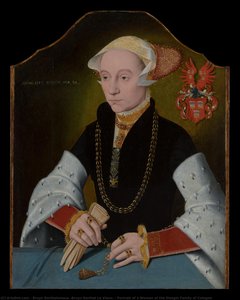
bruyn bartholomaus (bruyn barthel le vieux)
1493 - 1555
基本情報
- Artistic Movement Or Style: Renaissance, German Portraiture
- Artists Or Movements Influenced By This Artist: ['Hans Holbein']
- Artists Who Influenced This Artist:
- Jan Joest
- Joos van Cleve
- Date Of Birth: 1493
- Date Of Death: 1555
- Full Name: Bartholomäus Bruyn (Le Vieux)
- Nationality: German
- Notable Artworks:
- Portrait of a Woman
- Essen Altarpiece
- Xanten Altarpiece
- Place Of Birth: Wesel, Germany
関連記事
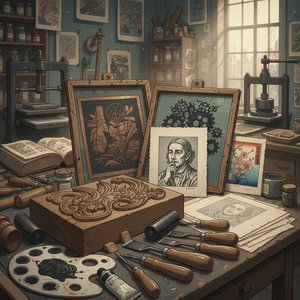
The Enduring Legacy of Printmaking: Techniques, Themes & Artistic Innovation Across Centuries
Explore the rich history of printmaking with ArtsDot. Discover techniques from intaglio to lithography, learn about collecting valuable prints & find museum-quality reproductions. Expert insights for art enthusiasts and collectors.

Echoes of Time: Exploring the Enduring Appeal & Historical Context of Vintage Art Prints
Explore the captivating world of vintage art prints! Discover their history, collecting tips & enduring appeal. Expert insights on chromolithography and building a legacy collection with ArtsDot.

Giclée Prints: Archival Quality & Aesthetic Nuances for the Discerning Collector
Explore the world of giclée prints with ArtsDot. Learn about archival quality, aesthetic nuances & investment potential. Expert guidance for discerning art collectors seeking museum-quality reproductions and lasting value.
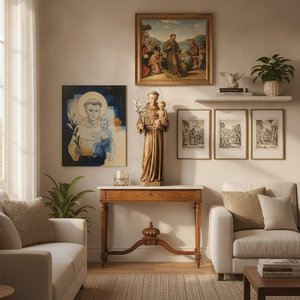
Discover the Divine: Inspiring Saint Anthony Artworks to Elevate Your Home Decor
Transform your home with the profound beauty of Saint Anthony artworks. Explore exquisite Baroque reproductions by Murillo and Zurbarán, hand-painted on 100% cotton canvas to bring divine serenity and timeless elegance to your interior design.

The Enduring Legacy of Fine Art Prints: Technique, History & Aesthetic Impact
Explore the rich history & techniques of fine art prints. Discover investment potential, assess authenticity, and learn how to preserve your collection with expert guidance. Trusted insights for discerning collectors.