

 プレビュー
プレビュー
 プリントを購入
 シェアする
シェアする シェアする
シェアする
 詳細を見る
詳細を見る

 ダウンロード
 似ている作品
 X線調査
X線調査 スライドショー
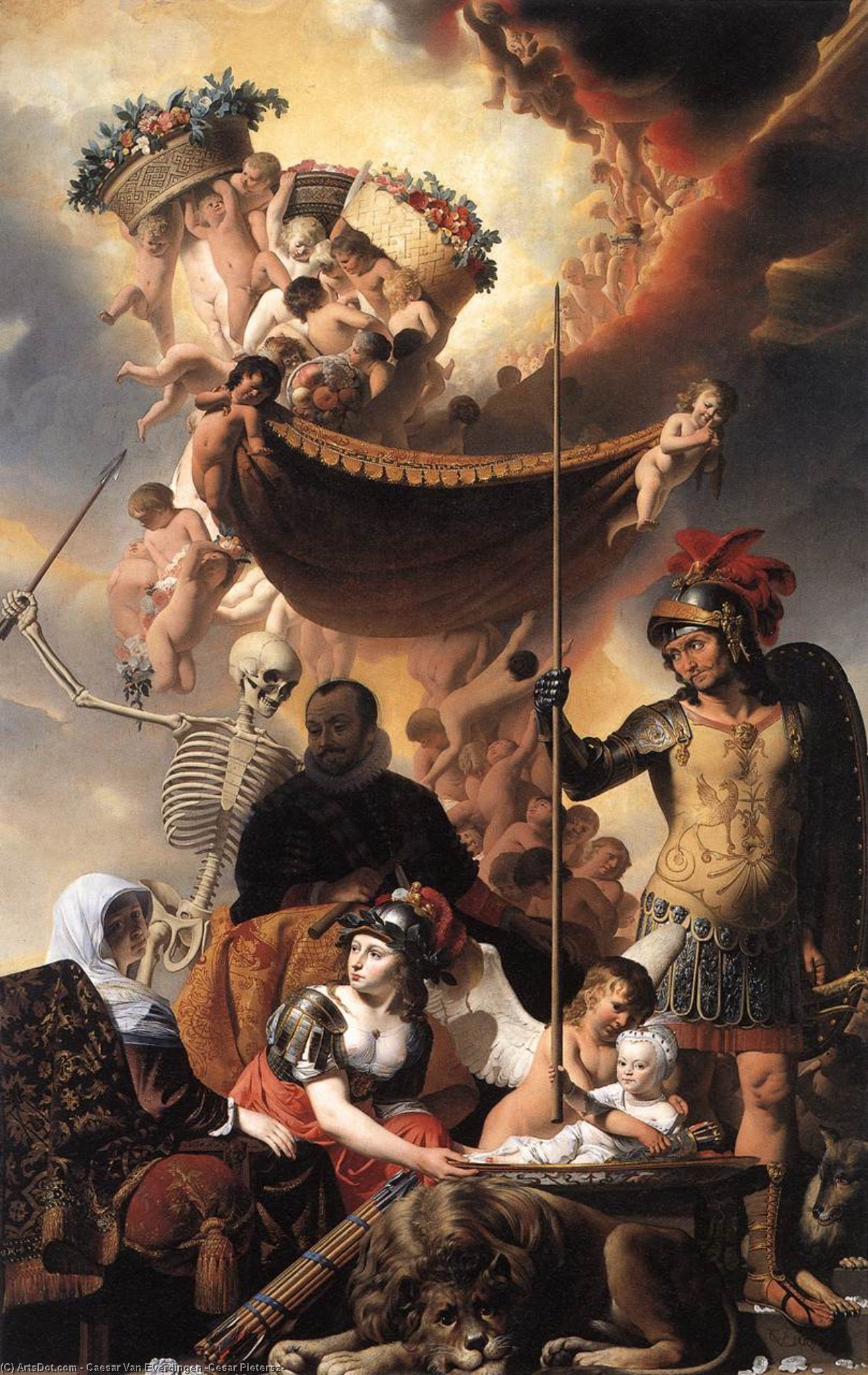
Allegory of the Birth of Frederik Hendrik
 Oil On Canvas
- WallArt
- Baroque
 1650
1650- Early Modern
 373.0 x 243.0 cm
 Huis ten Bosch
 詳細を見る
詳細を見る
オンラインプレビューをはるかに凌ぐ、高解像度で鮮明なデジタル画像をご購入いただけます。
各ファイルは、社内の専門家が高度なツールと熟練した手作業によるレタッチを用いて、細心の注意を払って準備されています。すべての画像において、卓越した鮮明度、正確な色彩再現性、そして繊細なディテールを保証いたします。
最終ファイルは、プロフェッショナルな編集・印刷環境ですぐにご利用いただけるよう最適化された状態で、72時間以内にメールにてお届けいたします。これは、一流のデザインスタジオ、出版社、ギャラリーから信頼されているものと同等の品質です。
デジタル画像のご注文に付随する特典
高品質なデジタル画像配信を、確かな品質で。
ArtsDot.com を選ぶことは、単に画像を手に入れることではありません。それは、プロの手によって精密に仕上げられ、満足保証が付いた高品質なデジタルアートワークを受け取ることを意味します。ご注文いただいた際に自動的に付随する内容は、以下の通りです:

メールですぐにお届け
ご注文から72時間以内に、高解像度のデジタル画像ファイルがメールでお手元に届きます。すぐにそのままご利用いただけます。

AI技術で最適化されたデジタルファイル
お客様の作品は、高度なAIツールと専門家による手作業の編集を組み合わせてプロフェッショナルに最適化されており、細部のディテール、鮮明さ、そして正確な色再現性を最大限に引き出しています。

一生涯無料の再送サービス
ファイルを誤って削除したり、紛失してしまったりしましたか?ご安心ください。いつでも無料で再送いたします。

輸入手数料は一切かかりません
関税や手数料、配送料を気にすることなく、お気に入りのアートワークをすぐにお楽しみいただけます。デジタルダウンロードは常に免税です。

色彩再現の保証
プロ仕様のツールとカラーマネジメント技術を用いることで、デジタル画像が元の色を最大限に忠実に再現することを保証いたします。

60日間満足保証
ご購入いただいたデジタル画像にご満足いただけない場合は、60日以内であれば、修正または100%の返金(理由を問う必要はありません)をさせていただきます。

100% 返金保証
ご満足いただけない場合は、デジタルファイルを受け取ってから60日以内であれば、理由を問わず全額返金いたします。

まとめ買い割引
3枚購入で10%OFF - 5枚購入で15%OFF - 10枚以上購入で20%OFF。クリエイティブなプロジェクト、ギャラリー、エージェンシーに最適です。
A Grand Vision of Mortality and Majesty
In the sweeping, dramatic expanse of Caesar van Everdingen’s Allegory of the Birth of Frederik Hendrik, viewers are transported into a world where the boundaries between the earthly and the divine dissolve. This Baroque masterpiece serves as a profound meditation on the cycle of life, death, and the heavy hand of destiny. At first glance, the composition strikes the observer with its overwhelming abundance; it is a densely populated stage where every figure contributes to a larger, more complex narrative of judgment and transition. The painting captures a moment of intense emotional gravity, centering on the poignant scene of Cardinal Serra Cavalli’s passing, yet it expands far beyond a single tragedy to encompass the very mechanics of the soul's journey.
The artist employs a masterful use of light and shadow, known as chiaroscuro, to guide the eye through the chaotic beauty of the scene. Strong, theatrical contrasts illuminate the central figures—the grieving Isabella and their infant son—while casting much of the surrounding atmosphere into a mysterious, swirling gloom. This lighting does more than create depth; it imbues the canvas with a sense of divine presence. The dynamic, undulating lines found in the billowing clouds and the movement of the celestial boat create a rhythmic energy that keeps the viewer’s gaze in constant motion, mirroring the turbulent nature of life itself.
Symbolism and the Baroque Soul
Every element within this vast canvas is steeped in rich, allegorical meaning, making it an intellectually stimulating piece for any serious collector. The skeleton, a stark representation of Death, acts as a grim conductor, pulling a boat filled with souls across the heavens—a powerful metaphor for the inevitable passage from the temporal world to the eternal. This journey is framed by the presence of angels and celestial beings, who offer a counterpoint of divine grace and hope amidst the heavy themes of mortality. The organic shapes of flowing draperies and soft, rounded faces contrast beautifully with the more rigid, geometric structures of the architecture and the boat, creating a visual tension that is quintessential to the Baroque style.
For those looking to integrate such a profound work into a curated interior, the painting offers an unparalleled sense of narrative depth. The textures, rendered through meticulous oil painting techniques, suggest a tactile richness—from the heavy weight of velvet robes to the ethereal lightness of the clouds. It is not merely a decoration but a conversation piece that invites contemplation on the human condition. The sheer scale of the work, measuring an impressive 373 x 243 cm, allows it to command a room, acting as a window into a historical era defined by its passion, its religious fervor, and its obsession with the sublime.
A Legacy of Dutch Mastery
Caesar van Everdingen, a significant figure of the Dutch Golden Age, brings a level of atmospheric sophistication to this work that reflects his deep roots in the traditions of Alkmaar and Utrecht. While often noted for his landscapes, here he demonstrates an extraordinary ability to handle complex figurative compositions and emotional storytelling. The technique is characterized by smooth brushstrokes and a saturated color palette that breathes life into the historical subject matter. For interior designers and art enthusiasts alike, a high-quality reproduction of this piece offers the opportunity to possess a fragment of history—a work that captures the very essence of 17th-century drama and the enduring power of allegorical art.
関連作品


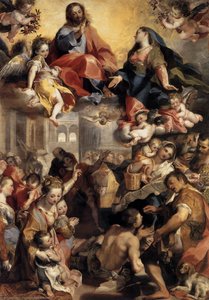

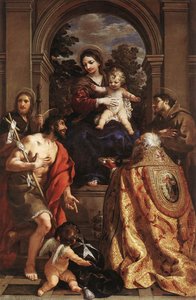
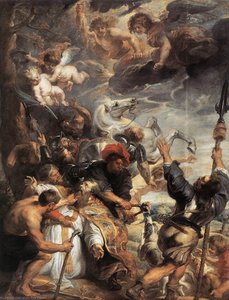

作家の略歴
A Legacy of Light and Line: The Life of Caesar van Everdingen
In the golden era of Dutch painting, where the interplay of light and shadow defined a nation's visual identity, Caesar van Everdingen emerged as a master of subtle emotion and atmospheric depth. Born around 1616 in the historic city of Alkmaar, Netherlands, his artistic journey was deeply intertwined with the prestigious lineage of his family. While often discussed alongside his celebrated brothers, Allart and Jan, Caesar carved out a distinct space for himself within the Dutch Golden Age. His early training under the esteemed Jan Gerritsz van Bronckhorst in Utrecht provided him with a rigorous foundation in classical aesthetics, instilling in him a precision that would later allow him to transcend mere technical skill and achieve true artistic vision.
His professional ascent began in earnest in 1632 when he officially joined the guild in Alkmaar. During these formative years, his repertoire was characterized by meticulous portraits and evocative genre scenes, works that demanded an intense observation of the human condition. However, as his talent matured, so too did his ambition. He moved beyond the confines of literal representation, developing a unique ability to manipulate brushstrokes to capture the fleeting nuances of light and the weight of atmosphere. This evolution marked his transition from a skilled craftsman to a visionary painter capable of breathing life into the canvas.
The Haarlem Years and Grand Ambitions
A pivotal chapter in Van Everdingen’s life unfolded in 1648 when he relocated to the vibrant, culturally rich city of Haarlem. This move was more than a change of scenery; it was an immersion into the heart of the Dutch art world. By joining the prestigious Haarlem Guild of St. Luke and becoming active within the schutterij (civic guard), Caesar embedded himself in the very fabric of the city's social and political elite. These connections proved instrumental in securing commissions that would define his historical significance.
Perhaps the most breathtaking achievement of his career was his involvement in the decoration of the Oranje Zaal (Orange Room) within the Huis ten Bosch. This monumental undertaking required a mastery of large-scale historical painting, a genre that demanded both narrative complexity and grand scale. In this setting, Caesar demonstrated his prowess in composing epic scenes, blending historical gravity with a delicate touch. His work during this period showcased a burgeoning ability to handle complex compositions, ensuring that his name would be etched into the architectural history of the Netherlands.
Artistic Maturity and Lasting Influence
In his later years, Caesar returned to his roots in Alkmaar, establishing a workshop that became a sanctuary for artistic instruction. This period of his life was marked by a profound dedication to the refinement of his craft and the mentorship of a new generation of painters. His late works reflect a lifetime of accumulated wisdom, characterized by a recurring fascination with celestial and ethereal themes. He became particularly renowned for his depictions of winged figures—angels and divine beings—rendered with a softness that suggested the presence of the sublime.
The significance of Caesar van Everdingen lies not only in his individual masterpieces but in his role as a bridge between the rigorous traditions of the early 17th century and the more emotive, atmospheric styles that followed. His ability to marry the precision of Dutch portraiture with the grandeur of historical narrative remains a testament to his versatility. Today, his works serve as vital windows into the soul of the Dutch Golden Age, reminding us of a time when every brushstroke was an attempt to capture the eternal within the ephemeral.
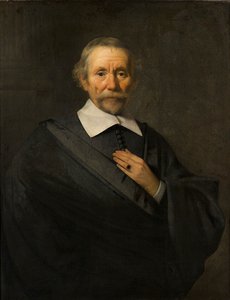
caesar van everdingen (cesar pietersz)
1616 - 1678 , Netherlands
プロフィール概要
- Artistic Movement Or Style: Portrait & History
- Artists Who Influenced This Artist: ['Jan Gerritsz van Bronckhorst']
- Date Of Birth: 1616/17
- Date Of Death: 1678
- Full Name: Cesar Pietersz van Everdingen
- Nationality: Dutch
- Notable Artworks:
- Vertumnus and Pomona
- Young woman warming her hands
- Place Of Birth: Alkmaar, Netherlands

