

 プレビュー
プレビュー
 プリントを購入
 シェアする
シェアする シェアする
シェアする
 詳細を見る
詳細を見る

 ダウンロード
 似ている作品
 X線調査
X線調査 スライドショー
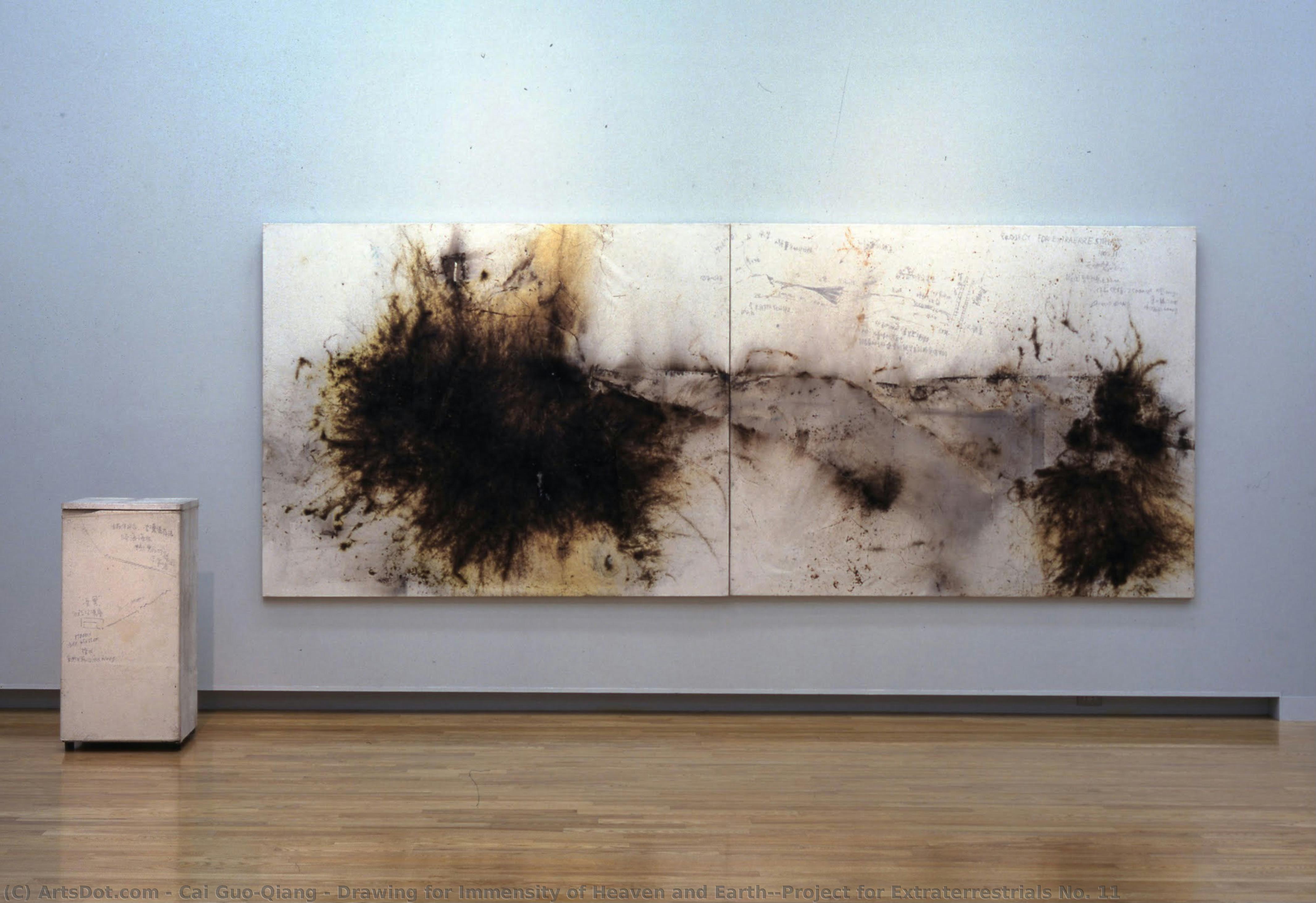
Drawing for Immensity of Heaven and Earth: Project for Extraterrestrials No. 11
 455.0 x 181.0 cm
 福岡アジア美術館
 詳細を見る
詳細を見る
オンラインプレビューをはるかに凌ぐ、高解像度で鮮明なデジタル画像をご購入いただけます。
各ファイルは、社内の専門家が高度なツールと熟練した手作業によるレタッチを用いて、細心の注意を払って準備されています。すべての画像において、卓越した鮮明度、正確な色彩再現性、そして繊細なディテールを保証いたします。
最終ファイルは、プロフェッショナルな編集・印刷環境ですぐにご利用いただけるよう最適化された状態で、72時間以内にメールにてお届けいたします。これは、一流のデザインスタジオ、出版社、ギャラリーから信頼されているものと同等の品質です。
デジタル画像のご注文に付随する特典
高品質なデジタル画像配信を、確かな品質で。
ArtsDot.com を選ぶことは、単に画像を手に入れることではありません。それは、プロの手によって精密に仕上げられ、満足保証が付いた高品質なデジタルアートワークを受け取ることを意味します。ご注文いただいた際に自動的に付随する内容は、以下の通りです:

メールですぐにお届け
ご注文から72時間以内に、高解像度のデジタル画像ファイルがメールでお手元に届きます。すぐにそのままご利用いただけます。

AI技術で最適化されたデジタルファイル
お客様の作品は、高度なAIツールと専門家による手作業の編集を組み合わせてプロフェッショナルに最適化されており、細部のディテール、鮮明さ、そして正確な色再現性を最大限に引き出しています。

一生涯無料の再送サービス
ファイルを誤って削除したり、紛失してしまったりしましたか?ご安心ください。いつでも無料で再送いたします。

輸入手数料は一切かかりません
関税や手数料、配送料を気にすることなく、お気に入りのアートワークをすぐにお楽しみいただけます。デジタルダウンロードは常に免税です。

色彩再現の保証
プロ仕様のツールとカラーマネジメント技術を用いることで、デジタル画像が元の色を最大限に忠実に再現することを保証いたします。

60日間満足保証
ご購入いただいたデジタル画像にご満足いただけない場合は、60日以内であれば、修正または100%の返金(理由を問う必要はありません)をさせていただきます。

100% 返金保証
ご満足いただけない場合は、デジタルファイルを受け取ってから60日以内であれば、理由を問わず全額返金いたします。

まとめ買い割引
3枚購入で10%OFF - 5枚購入で15%OFF - 10枚以上購入で20%OFF。クリエイティブなプロジェクト、ギャラリー、エージェンシーに最適です。
関連作品









作家の略歴
A Life Forged in Fire: The Explosive Art of Cai Guo-Qiang
Cai Guo-Qiang’s journey is one of audacious experimentation, a relentless pursuit to reconcile the ancient traditions of his Chinese heritage with the dynamic currents of contemporary art. Born in 1957 in Quanzhou, China, his early life was deeply imprinted by a nation undergoing profound transformation. His father, Cai Ruiqin, a calligrapher and traditional painter, nurtured within him an appreciation for both Eastern aesthetics and Western literature – a duality that would become central to his artistic vision. Growing up during the tumultuous Cultural Revolution, young Cai witnessed firsthand the power of collective fervor and societal control, experiences that subtly informed his later explorations of ideology and utopian ideals. Perhaps surprisingly, this formative period also included early exposure to performance through participation in demonstrations and parades, alongside a brief foray into martial arts films – *The Spring and Fall of a Small Town* and *Real Kung Fu of Shaolin*. These seemingly disparate influences laid the groundwork for an artist who would consistently challenge boundaries and embrace unexpected juxtapositions. The ever-present imagery of gunpowder, utilized both in celebratory fireworks and as a tool of conflict, also began to take root in his subconscious, foreshadowing its eventual emergence as his signature medium.From Stage Design to Explosive Visions
Cai’s formal artistic training commenced at the Shanghai Theater Academy from 1981 to 1985, where he studied stage design. This period proved pivotal in developing his understanding of spatial arrangement, interactivity, and collaborative work – skills that would later be crucial in orchestrating his large-scale “explosion events.” Dissatisfied with the constraints of conventional artistic practices, Cai began experimenting with gunpowder drawings in the 1980s. These weren’t merely images *of* explosions; they were created *by* controlled detonations, using gunpowder as a direct drawing tool. This radical approach was a deliberate rejection of established artistic norms and a search for spontaneity and expressive freedom. He spent nearly a decade living in Japan from 1986 to 1995, further refining his technique and developing the conceptual framework that would define his career. It was during this time he truly began to harness the power of gunpowder not just as a medium but as a metaphor for destruction, creation, and the ephemeral nature of existence. His work increasingly drew inspiration from diverse sources – fengshui, Chinese medicine, traditional shanshui paintings, scientific principles, flora and fauna, portraiture, and, of course, the dazzling spectacle of fireworks themselves.A Global Stage: Recognition and Innovation
Cai Guo-Qiang’s artistic breakthrough arrived with international acclaim in 1999 when he was awarded the Golden Lion at the Venice Biennale – a watershed moment that propelled him onto the global art stage. This recognition was followed by numerous prestigious awards, including the Hiroshima Art Prize in 2007, honoring his commitment to peace and understanding through art; the Fukuoka Asian Culture Prize in 2009 for promoting cultural exchange; and the esteemed Praemium Imperiale in 2012, recognizing a lifetime of achievement. In the same year, he received the U.S. Department of State Medal of Arts, acknowledging his dedication to international cultural diplomacy. However, perhaps his most visible contribution to global culture came as Director of Visual and Special Effects for both the opening and closing ceremonies of the 2008 Beijing Summer Olympics and the 2022 Winter Olympics. These spectacular displays showcased his mastery of pyrotechnics on an unprecedented scale, captivating audiences worldwide. Throughout this period, Cai’s work was featured in solo exhibitions at major museums including the Metropolitan Museum of Art and the Solomon R. Guggenheim Museum in New York, solidifying his position as a leading figure in contemporary art.Blending East and West: A Legacy of Impermanence
Cai Guo-Qiang’s artistic style is characterized by its unique synthesis of Eastern philosophical concepts and Western contemporary practices. He doesn't simply *represent* Chinese culture; he embodies it, reinterpreting ancient traditions through a modern lens. His explosion events are inherently ephemeral – fleeting moments of beauty captured primarily through photography and video. This emphasis on impermanence reflects core tenets of Buddhist philosophy and the Taoist understanding of the universe as constantly in flux. Beyond aesthetics, Cai’s work often engages with profound social and political themes, particularly those related to China's history, cultural identity, and the complexities of modernization. He is a pioneer in site-specific art, creating installations that respond directly to their environment, engaging with local histories and cultures. His influence on contemporary art is undeniable; he has inspired countless artists to explore new materials, embrace large-scale installations, and confront challenging themes with boldness and originality. More recently, Cai Guo-Qiang continues to push boundaries, exploring the intersection of art and technology through projects like his blockchain divination project *EET* and his artificial intelligence art project *cAI™*, as well as continuing his exploration of Eastern and Western artistic traditions in exhibitions such as *Individual’s Journey Through Western Art History*. His work is a testament to the power of art to transcend cultural boundaries, provoke dialogue, and remind us of the beauty inherent in both creation and destruction.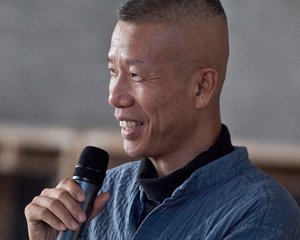
Cai Guo-Qiang
1957 -

