

 プレビュー
プレビュー
 プリントを購入
 シェアする
シェアする シェアする
シェアする
 詳細を見る
詳細を見る

 ダウンロード
 似ている作品
 X線調査
X線調査 スライドショー
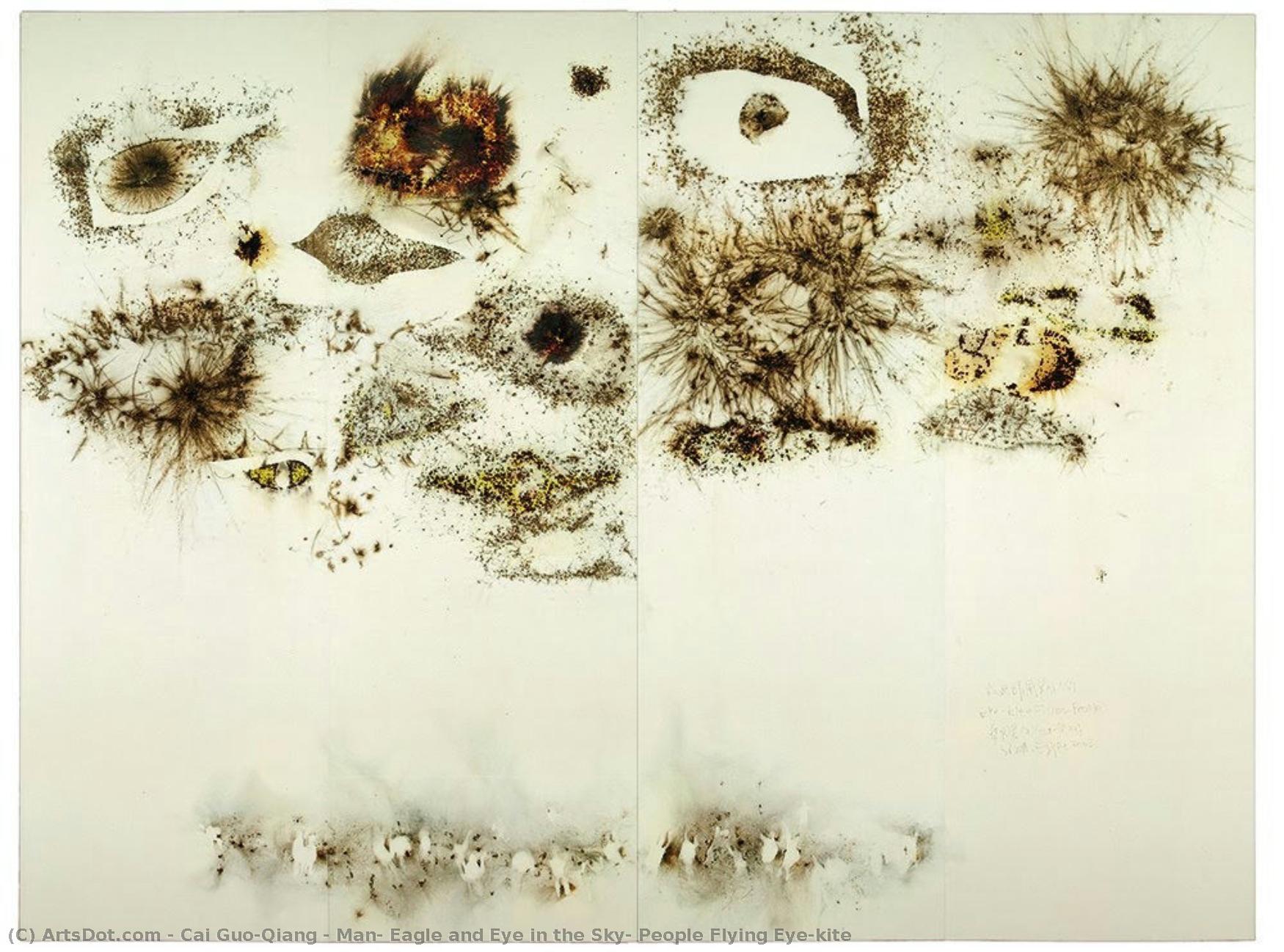
Man, Eagle and Eye in the Sky: People Flying Eye-kite


 詳細を見る
詳細を見る




P118B $10

P118H $10

P118W $10

P438Z $10

P508JH $12

P508YH $12

P805H $10

P805Z $10

P919BZ $10

P919G $10

P919XJ $10

P959ZH $10

P968JZ $12

W106C $8

W218G $10

W218JH $8

W218Y $10

W307PJ $10

W316G $10

W316PJ $8

W316Y $10

W398PJ $8

W4111J $10

W500HY $15

W500JH $15

W692G $12

W849H $8

W940BG $15

W953PJ $8




作品のオリジナル比率に合わせた、当店の規定サイズからお選びください。

特定のフレームやスペースに合わせて、ご希望のサイズをご入力いただけます。選択されたサイズが元の画像の比率と異なる場合、アートワークをトリミングするか、手描きで要素を追加して絵画を拡張いたします。デジタルモックアップ を制作し、制作開始前にご確認(承認)をいただきます。
画面上のプレビューは、実際のトリミングや拡張を正確に反映しているものではありません。最終的な構図は、モックアップによってのみ正確にご確認いただけます。
カスタムサイズもご利用いただけますが、元の比率を維持するためには、あらかじめ用意されたリストからサイズを選択することをお勧めいたします。
ご注文後、ArtsDot.com チームより詳細な指示をお送りするとともに、仕上がりイメージ(モックアップ)をご提供いたします。


 ガラスオプションは、110cm未満のサイズでのみご利用いただけます。

Man, Eagle and Eye in the Sky: People Flying Eye-kite
複製技法
複製画のサイズ
-


合計金額
$ 263
The Genesis of a Scorched Landscape
Cai Guo-Qiang’s “Man, Eagle and Eye in the Sky: People Flying Eye-kite” isn't merely a depiction of fire; it’s an immersive experience rendered in charcoal, ash, and the potent energy of gunpowder. Created in 2004 as part of his ambitious “Projects for Extraterrestrials,” this diptych—a pair of canvases dramatically scarred with controlled burns—immediately commands attention. The initial impression is one of devastation: a pale beige background violently disrupted by irregular patterns of blackened and scorched areas, resembling the aftermath of an immense, unseen event. Yet, within this apparent chaos lies a profound sense of order and beauty, mirroring the cyclical nature of destruction and regeneration that permeates much of Cai’s work.
The genesis of this piece is deeply rooted in Cai's fascination with Chinese traditions – particularly the concept of “destroy nothing, create nothing,” a philosophical tenet often associated with Mao Zedong. This principle isn’t about literal destruction but rather a deliberate dismantling and reconstruction, a process of stripping away the superfluous to reveal the essential. Cai’s early life in China, witnessing both the fervor of revolutionary movements and the quiet beauty of traditional landscapes, profoundly shaped his artistic vision. The controlled burns employed here aren't random; they are meticulously orchestrated, guided by an understanding of gunpowder’s explosive potential and its ability to create intricate, organic forms.
Technique: A Dance with Fire and Precision
The technique employed is both audacious and remarkably precise. Cai doesn’t simply fling gunpowder at the canvas; he meticulously applies it in layers, utilizing masking techniques to achieve specific shapes and textures. The burn patterns themselves are not uniform – they vary in color from deep browns and blacks to lighter yellows and oranges, creating a dynamic interplay of light and shadow that elevates the work beyond mere surface decoration. The canvases were treated with a flammable medium, allowing for controlled burns that created the dramatic, almost coral-like formations characteristic of the piece. The scale is significant; each panel measures approximately 230 x 620 cm, ensuring an immersive experience for the viewer.
- Gunpowder Application: Layered and precise, creating intricate textures.
- Masking Techniques: Used to define specific shapes and patterns within the burns.
- Flammable Medium: Facilitated controlled burning and varied color palettes.
Symbolism: Echoes of History and Mythology
Beyond the purely visual, “Man, Eagle and Eye in the Sky” is rich with symbolic meaning. The title itself hints at a complex narrative – "Man" representing humanity’s journey through history, “Eagle” referencing Alexander the Great's legendary voyage to Siwa Oasis for an oracle, and “Eye in the Sky” symbolizing a visionary perspective. The inclusion of kites, traditionally associated with Chinese culture and festivals, further reinforces this connection to heritage. The scorched landscapes evoke images of ancient ruins, suggesting a dialogue between past and present, tradition and modernity. Furthermore, the act of burning itself can be interpreted as a ritualistic cleansing – a symbolic release of the old to make way for the new.
Emotional Resonance: A Meditation on Transformation
Ultimately, “Man, Eagle and Eye in the Sky” is a profoundly moving work. It’s not simply about destruction; it's about transformation. The charred canvases possess an undeniable beauty, suggesting that even from devastation, something new and vibrant can emerge. The piece invites contemplation on themes of resilience, renewal, and the cyclical nature of existence. Its dramatic scale and evocative imagery create a powerful emotional response, leaving the viewer with a sense of awe and wonder at the artist’s mastery of fire and his ability to translate complex ideas into visually stunning works of art. It's a testament to Cai Guo-Qiang's unique vision – a fiery meditation on destruction and renewal that continues to captivate audiences worldwide.
関連作品

関連記事
抽象表現主義を定義する十大傑作:芸術と装飾の深遠な旅
抽象表現主義を定義する10の傑作。ポロック、ロスコら巨匠たちの情熱と色彩の世界へ。各作品に込められた物語と技法を紐解き、至高のアート体験を。ArtsDot.comで、ミュージアムクオリティの複製画や洗練されたインテリアアイデアを発見してください。

Kandinsky's Masterpieces: 25 Paintings That Define Abstract Art | ArtsDot
Journey through Wassily Kandinsky's 25 most iconic abstract paintings. Explore his revolutionary use of color, form & spiritual expressionism. Find museum-quality Kandinsky reproductions and elevate your home decor with ArtsDot.com. Discover all masterpieces on ArtsDot.com!

幾何学的抽象絵画を定義した傑作10選|アート、アーティスト、インテリア装飾
モンドリアン、マレーヴィチ…幾何学的抽象絵画を代表する傑作10選。各作品の背景や色彩構成、アーティストの情熱に迫ります。美術館品質の複製画はArtsDot.comで。オンラインでアートコレクションをご覧ください。
Beyond Representation: Exploring the Emotional Landscape of Abstract Expressionism
Explore the profound emotional world of Abstract Expressionism with ArtsDot. Discover key artists like Pollock & Rothko, learn about collecting, and find museum-quality reproductions to inspire your space.
Navigating Abstract Expression: A Guide to Contemporary Movements for Emotional Resonance in Art Selection
Explore the evolution of Abstract Expressionism & discover contemporary movements for emotional resonance. Expert guidance for discerning art collectors seeking lasting value. ArtsDot.

