

 プレビュー
プレビュー
 プリントを購入
 シェアする
シェアする シェアする
シェアする
 詳細を見る
詳細を見る

 ダウンロード
 似ている作品
 X線調査
X線調査 スライドショー
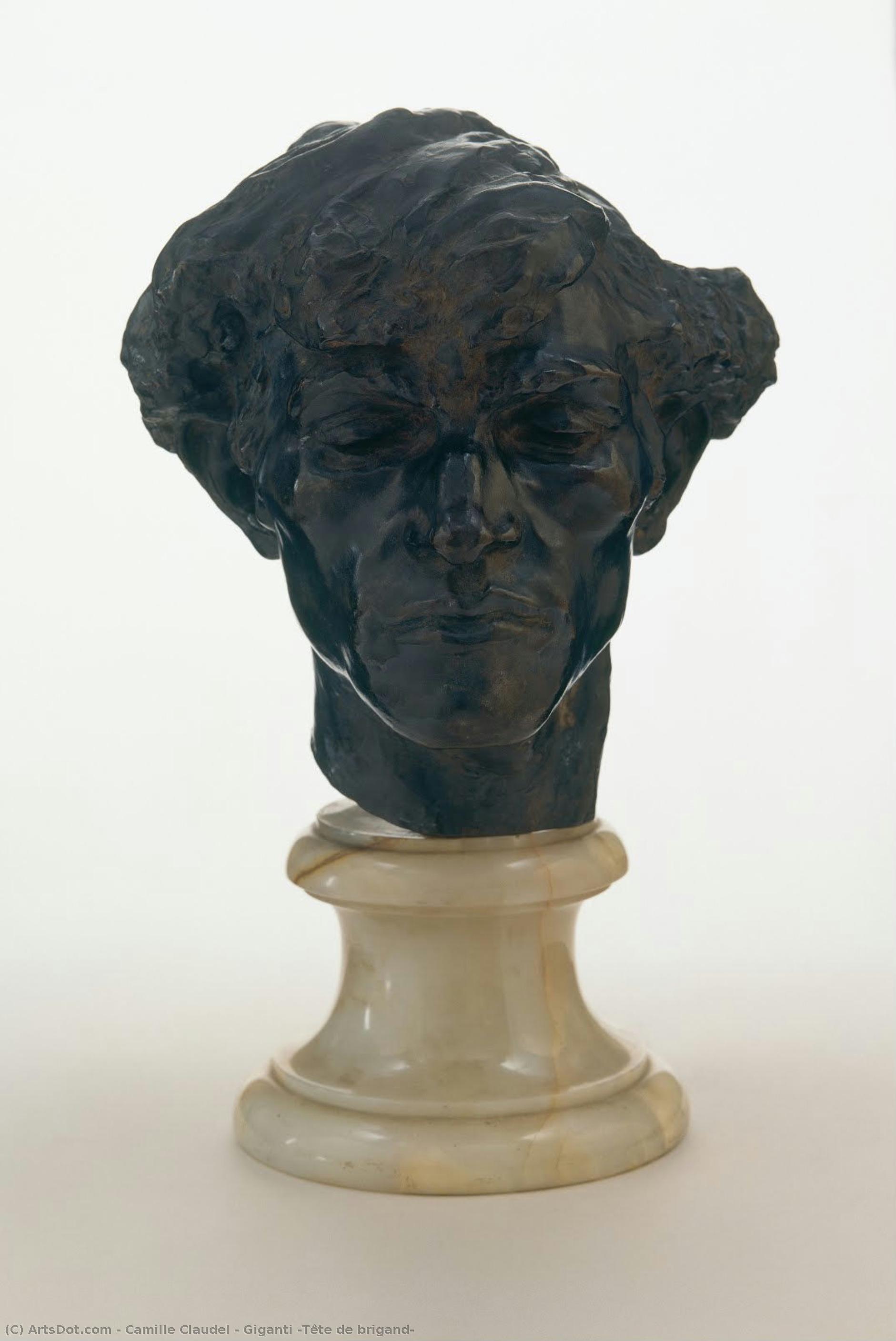
Giganti (Tête de brigand)
 Neoclassicism
 1885
1885 26.0 x 26.0 cm
 クンストハレ・ブレーメン
 詳細を見る
詳細を見る




P118B $10

P118H $10

P118W $10

P438Z $10

P508JH $12

P508YH $12

P805H $10

P805Z $10

P919BZ $10

P919G $10

P919XJ $10

P959ZH $10

P968JZ $12

W106C $8

W218G $10

W218JH $8

W218Y $10

W307PJ $10

W316G $10

W316PJ $8

W316Y $10

W398PJ $8

W4111J $10

W500HY $15

W500JH $15

W692G $12

W849H $8

W940BG $15

W953PJ $8




作品のオリジナル比率に合わせた、当店の規定サイズからお選びください。

特定のフレームやスペースに合わせて、ご希望のサイズをご入力いただけます。選択されたサイズが元の画像の比率と異なる場合、アートワークをトリミングするか、手描きで要素を追加して絵画を拡張いたします。デジタルモックアップ を制作し、制作開始前にご確認(承認)をいただきます。
画面上のプレビューは、実際のトリミングや拡張を正確に反映しているものではありません。最終的な構図は、モックアップによってのみ正確にご確認いただけます。
カスタムサイズもご利用いただけますが、元の比率を維持するためには、あらかじめ用意されたリストからサイズを選択することをお勧めいたします。
ご注文後、ArtsDot.com チームより詳細な指示をお送りするとともに、仕上がりイメージ(モックアップ)をご提供いたします。


 ガラスオプションは、110cm未満のサイズでのみご利用いただけます。

Giganti (Tête de brigand)
複製技法
複製画のサイズ
-


合計金額
$ 263
作品解説
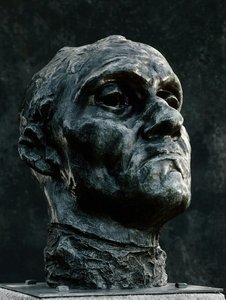
Giganti (Tête de brigand) – A Portrait of Boldness and Intrigue
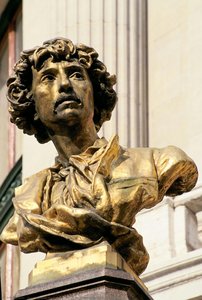
Camille Claudel’s “Giganti” (“Head of a Bandit”), created in 1885, stands as a testament to the artist's remarkable ability to capture both psychological depth and sculptural virtuosity. More than just a depiction of a man—whose identity remains shrouded in mystery—the sculpture embodies a complex interplay of confidence, defiance, and an unsettling gaze that continues to fascinate viewers today.
Historical Context & Artistic Influences
Born into the French countryside in 1864, Camille Claudel emerged as a defiant voice within the artistic landscape of her time. Her early life was marked by familial expectations contrasting with her innate passion for sculpting—a pursuit that would ultimately propel her to collaborate with Auguste Rodin, sparking an enduring romance and shaping the trajectory of their careers. The Salon of the Société des Artistes Français in 1885 served as a pivotal moment, showcasing Claudel’s burgeoning talent and establishing her presence within the Parisian avant-garde.
Sculptural Technique & Material Considerations
Claudel skillfully employed lost-wax casting—a technique renowned for its precision and ability to reproduce intricate details—to bring Giganti to life. The bronze material itself contributes to the sculpture’s aura of permanence and richness, allowing Claudel to achieve subtle tonal variations that heighten the expressive power of the piece. Careful attention was paid to surface texture, creating a slightly rough finish that underscores the dynamism inherent in the sculpted form.
Composition & Stylistic Characteristics
The sculpture's composition is centered around a bust of a man’s head and shoulders, presented against a minimalist white background—a deliberate choice designed to emphasize the sculptural form and its textural qualities. Claudel’s style leans heavily toward classical influences, prioritizing realistic representation while simultaneously injecting an element of psychological drama. The rounded shapes—spheres and ovoids—create volume and solidity, grounding the bust within space.
Symbolism & Emotional Resonance
"Giganti," as Rodin himself recognized, transcends mere portraiture; it embodies a profound statement about character and ambition. Claudel’s portrayal captures a man radiating self-assurance, yet simultaneously conveying an unsettling stare—a gaze that seems to challenge the viewer's perspective. The sculpture speaks to themes of pride, defiance, and perhaps even arrogance, prompting contemplation on human nature and its complexities. Its enduring appeal lies in its ability to evoke emotion and provoke dialogue about identity and power.
Provenance & Reproduction
Notably signed “A. Rodin” in the bronze cast, Giganti’s Bremen piece distinguishes itself from other casts housed at Musée Thomas-Henri in Cherbourg and Musée des Beaux-Arts in Lille. This distinction underscores Claudel's contribution to the sculpture’s artistic vision—a testament to her collaborative spirit with Rodin. High-quality reproductions offer art enthusiasts a chance to experience the beauty and nuance of Claudel’s masterpiece firsthand.
関連記事

Bronze Age to Modern Masters: 10 Sculptures That Redefined Art | ArtsDot
Journey through art history with 10 legendary bronze sculptures – from Michelangelo's David to Rodin’s Thinker. Explore the stories, techniques & timeless beauty of these masterpieces. Find museum-quality reproductions & elevate your home decor on ArtsDot.com.

Bronze Sculptures That Defined Art History | ArtsDot
Journey through art history with our Top 10 bronze sculptures! Explore masterpieces by Rodin, Michelangelo & more. Discover stories behind iconic statues and find museum-quality reproductions for your home decor at ArtsDot.com.

The Enduring Legacy of Bronze: A Historical & Artistic Exploration for the Collector
Explore the rich history & enduring appeal of bronze sculpture with expert insights for collectors at ArtsDot. Learn about casting techniques, iconic artists, collecting tips & contemporary interpretations.
The Enduring Legacy of Bronze: History, Technique & Artistic Expression for the Collector
Explore the rich history & enduring appeal of bronze sculpture with expert insights for collectors at ArtsDot. Learn about casting techniques, iconic artists, and collecting tips.

The Enduring Legacy of Bronze Sculpture: A Collector's Guide to Form & Cultural Significance
Explore the rich history & enduring appeal of bronze sculpture with expert insights for collectors at ArtsDot. Learn about casting techniques, iconic artists, and collecting tips to build a discerning art collection.

