

 プレビュー
プレビュー
 プリントを購入
 シェアする
シェアする シェアする
シェアする
 詳細を見る
詳細を見る

 ダウンロード
 似ている作品
 X線調査
X線調査 スライドショー
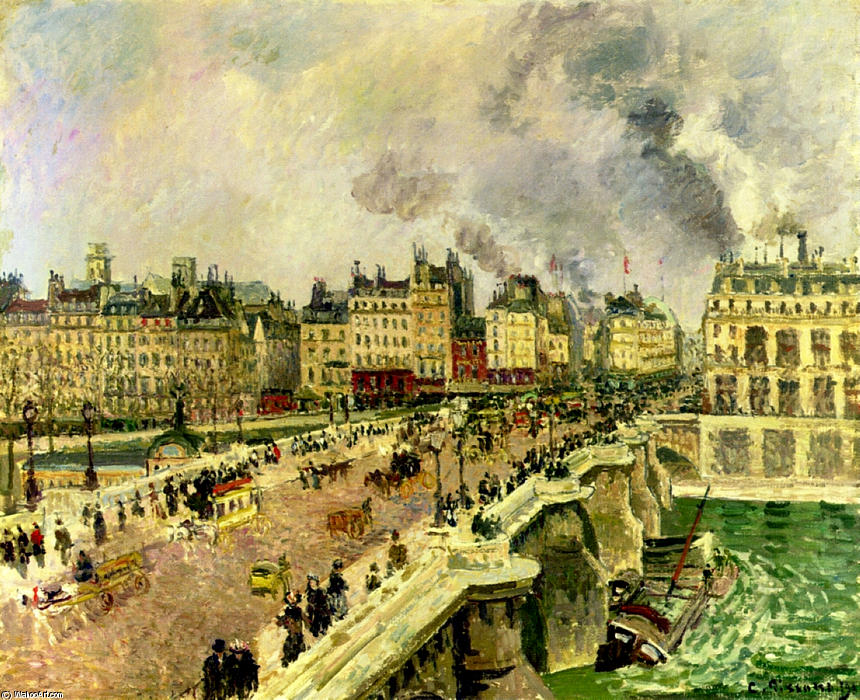
ポン・ヌフ、ボヌメール号の沈没
 キャンバスに油彩
- ウォールアート
- Impressionism
 1901
1901 65.0 x 81.0 cm
 詳細を見る
詳細を見る
オンラインプレビューをはるかに凌ぐ、高解像度で鮮明なデジタル画像をご購入いただけます。
各ファイルは、社内の専門家が高度なツールと熟練した手作業によるレタッチを用いて、細心の注意を払って準備されています。すべての画像において、卓越した鮮明度、正確な色彩再現性、そして繊細なディテールを保証いたします。
最終ファイルは、プロフェッショナルな編集・印刷環境ですぐにご利用いただけるよう最適化された状態で、72時間以内にメールにてお届けいたします。これは、一流のデザインスタジオ、出版社、ギャラリーから信頼されているものと同等の品質です。
デジタル画像のご注文に付随する特典
高品質なデジタル画像配信を、確かな品質で。
ArtsDot.com を選ぶことは、単に画像を手に入れることではありません。それは、プロの手によって精密に仕上げられ、満足保証が付いた高品質なデジタルアートワークを受け取ることを意味します。ご注文いただいた際に自動的に付随する内容は、以下の通りです:

メールですぐにお届け
ご注文から72時間以内に、高解像度のデジタル画像ファイルがメールでお手元に届きます。すぐにそのままご利用いただけます。

AI技術で最適化されたデジタルファイル
お客様の作品は、高度なAIツールと専門家による手作業の編集を組み合わせてプロフェッショナルに最適化されており、細部のディテール、鮮明さ、そして正確な色再現性を最大限に引き出しています。

一生涯無料の再送サービス
ファイルを誤って削除したり、紛失してしまったりしましたか?ご安心ください。いつでも無料で再送いたします。

輸入手数料は一切かかりません
関税や手数料、配送料を気にすることなく、お気に入りのアートワークをすぐにお楽しみいただけます。デジタルダウンロードは常に免税です。

色彩再現の保証
プロ仕様のツールとカラーマネジメント技術を用いることで、デジタル画像が元の色を最大限に忠実に再現することを保証いたします。

60日間満足保証
ご購入いただいたデジタル画像にご満足いただけない場合は、60日以内であれば、修正または100%の返金(理由を問う必要はありません)をさせていただきます。

100% 返金保証
ご満足いただけない場合は、デジタルファイルを受け取ってから60日以内であれば、理由を問わず全額返金いたします。

まとめ買い割引
3枚購入で10%OFF - 5枚購入で15%OFF - 10枚以上購入で20%OFF。クリエイティブなプロジェクト、ギャラリー、エージェンシーに最適です。
作品の詳細
A Parisian Symphony Captured in Light: Camille Pissarro’s “The Pont Neuf, Shipwreck of the Bonne Mere”
Camille Pissarro's "The Pont Neuf, Shipwreck of the Bonne Mere," completed in 1901, stands as a quintessential embodiment of Impressionism—a movement that revolutionized painting by prioritizing fleeting impressions over meticulous realism. More than just a depiction of Paris’s cityscape, it’s an invitation to experience the very pulse of urban life during its Belle Époque heyday. Located at Hiroshima Museum of Art in Japan, this oil on canvas measuring 65 x 81 cm transports viewers back to a time when artists sought to capture not what they *saw*, but how light and atmosphere molded their perception.The Scene Unfolds: A Vibrant Parisian Tableau
The painting captures a typical afternoon scene along the Pont Neuf, Paris’s oldest bridge spanning the Seine River. Pissarro skillfully portrays a bustling street filled with pedestrians – men in suits hurrying past, women strolling leisurely—all bathed in dappled sunlight filtering through the trees lining the embankment. Dominating the composition is a horse-drawn carriage traversing the bridge alongside numerous other vehicles, creating a dynamic interplay of movement and color. Notably, a lone horse stands on the left side of the canvas, adding to the lively energy of the urban panorama. Pissarro’s meticulous attention to detail—the subtle variations in shade and tone—reveals his mastery of capturing the ephemeral qualities of light and air.Impressionistic Technique: Embracing Fleeting Moments
Pissarro's technique exemplifies the core principles of Impressionism. Rather than blending colors smoothly like Renaissance painters, he applied paint in broken strokes – short, visible brushstrokes that overlap to create an illusion of luminosity and vibrancy. This method allowed him to convey the sensation of light as it shifts across surfaces—the way sunlight glints off the water’s surface, illuminates the foliage, and casts shadows on the cobblestones. The artist utilized a palette dominated by muted greens, blues, and yellows, harmoniously blending them together to create an overall impression of warmth and tranquility despite the busy surroundings.Historical Context: Paris at the Dawn of Modernity
“The Pont Neuf, Shipwreck of the Bonne Mere” was created during a period of significant social and cultural transformation in Paris—the Belle Époque ("Beautiful Era"). This era witnessed unprecedented industrial growth, urbanization, and artistic innovation. Impressionists like Pissarro were reacting against academic conventions that favored idealized representations of nature and history, opting instead for scenes from everyday life that reflected the spirit of their time. The painting serves as a visual chronicle of Paris’s burgeoning modernity—a celebration of its dynamism and beauty amidst rapid change.Symbolism Beyond Surface Appearance
While seemingly simple in its subject matter, “The Pont Neuf” carries subtle symbolic resonance. The bridge itself represents connection – linking the left bank of the Seine with the right, symbolizing unity and progress. Furthermore, the horse carriage embodies tradition alongside movement—a reminder of Paris’s past while acknowledging its forward trajectory. Pissarro's masterful use of color and brushwork elevates the painting beyond mere visual representation, inviting contemplation on themes of urban life, beauty, and the passage of time.Emotional Impact: Capturing Parisian Essence
Ultimately, “The Pont Neuf” succeeds in conveying a profound sense of Parisian atmosphere—a feeling of vibrancy, spontaneity, and optimism. The artist’s skillful rendering of light and color evokes warmth and tranquility, transporting viewers to a moment frozen in time. It's a painting that speaks to the human experience—to our desire for connection, beauty, and engagement with the world around us. For those seeking inspiration or planning to adorn their homes with a piece of art history, a high-quality reproduction of Camille Pissarro’s masterpiece offers an unparalleled opportunity to immerse oneself in the spirit of Belle Époque Paris.- Artist: Camille Pissarro
- Year Created: 1901
- Medium: Oil on Canvas
- Dimensions: 65 x 81 cm
- Location: Hiroshima Museum of Art, Japan
関連作品
作家の略歴
印象派と新印象派の架橋:カミーユ・ピサロの世界
カミーユ・ピサロ。その名は、19世紀美術史における印象主義と新印象派という二つの潮流を結ぶ、まさに架け橋のような存在を示す。1830年7月10日、デンマーク領セント・トーマス島(現在のアメリカ領ヴァージン諸島)で生まれたピサロは、多様な文化的背景を持つ中で育ち、その後の彼の芸術的探求に深い影響を与えた。父がポルトガル系ユダヤ人でフランス国籍、母がフランス系ユダヤ人であったことは、彼に異文化への感受性を培い、後の作品における風景描写の繊細さや人間観察眼の深さを支える基盤となった。幼少期をセント・トーマス島で過ごし、商人の父の仕事を手伝う一方で、絵を描くことに情熱を燃やしたピサロは、12歳でフランスへ送られ、パスイの学校で教育を受ける。この時期に、彼はフランス美術の巨匠たちに触れ、その影響を受けながら独自の芸術的視点を磨き始めたのである。セント・トーマスの記憶とパリへの道
セント・トーマス島に戻ったピサロは、港町の風景や人々の生活をスケッチし、絵画への情熱をさらに深めていく。しかし、父の期待に応え商売を継ぐことはせず、芸術家としての道を志す。デンマーク人画家フリッツ・メルビとの出会いは、彼の人生における転換点となった。メルビに師事し、共にベネズエラへ渡り絵を描いた経験は、ピサロの視野を広げ、色彩感覚を研ぎ澄ませる上で重要な役割を果たした。1855年、ついにパリへと旅立つことを決意。以降、彼はフランス美術界の中心で活動することになる。当初、伝統的なアカデミー式の教育を受けながらも、クールベやコローといった写実主義の画家たちから影響を受け、独自のスタイルを模索していく。サロンへの出品を試みるものの、その革新的な作風は既存の美術界からは受け入れられず、苦難の時代を送ることになる。印象派の誕生とピサロの貢献
1870年代に入り、モネやドガといった画家たちとの交流を通して、ピサロは印象派運動へと深く関わっていく。彼は、屋外で直接風景を描く「プレネール」という技法を積極的に取り入れ、光と色彩の変化を捉えた作品を生み出した。印象派の画家たちは、伝統的なアカデミー絵画とは異なり、個人の主観的な感覚や感情を重視し、筆触を大胆に表現することで、瞬間の印象を切り取ろうとした。ピサロは、その中でも特に重要な役割を果たした一人であり、「印象派の父」とも呼ばれる。彼は、常に新しい技法や表現方法を探求し続け、新印象派の点描主義にも一時的に傾倒するなど、多様な試みを重ねた。しかし、最終的には自身のスタイルを確立し、風景画における繊細な色彩描写と人間観察眼を融合させた独自の芸術世界を築き上げたのである。晩年:平和への希求と遺産
19世紀末の激動の時代、ピサロは社会情勢の変化に敏感であり、自身の作品にもその影響が色濃く表れている。政治的な不安や貧困の中で生きる人々の姿を捉え、彼らの苦しみや希望を描き出すことで、社会へのメッセージを発信した。晩年は、精神的に疲弊していたピサロを支え続けた妻セリーヌの死という悲しみを経験するが、それでも絵筆を絶やさず、自然と人々の生活を描き続けた。1903年11月13日、パリでその生涯を閉じたカミーユ・ピサロ。彼の作品は、印象派から新印象派へと続く美術史における重要な転換点を示し、後の画家たちに多大な影響を与えた。セザンヌやゴッホ、ガウギュンのような巨匠たちは、ピサロの指導を受け、それぞれの独自の芸術世界を築き上げていった。彼の作品は、今日でも多くの人々に感動を与え続け、美術史における不朽の名作として輝いている。ピサロの風景:光と感情の交響曲
- 風景への愛: ピサロの作品を特徴づけるのは、自然に対する深い愛情である。
- 色彩の探求: 彼は、光の変化や季節による色彩の違いを繊細に捉え、キャンバス上で表現した。
- 社会への眼差し: ピサロは、風景を描きながらも、そこに生きる人々の生活や社会問題を反映させた。
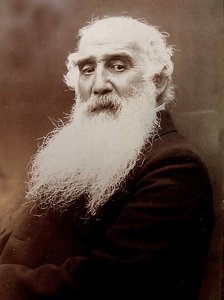
ピサロ
1830 - 1903 , フランス
プロフィール概要
- フルネーム: カミーユ・ピサロ
- 出生地: セントトーマス島 (フランス領)
- 国籍: デンマーク系・フランス系
- 影響を与えたアーティスト:
- ポール・セザンヌ
- フィンセント・ファン・ゴッホ
- ポール・ゴーギャン
- 影響を受けたアーティスト:
- グスタフ・クールベ
- ジャン=バプティスト・カミーユ・コロー
- 死亡年月日: 1903年11月13日
- 生年月日: 1830年7月10日
- 芸術運動/スタイル: 印象派、新印象派

