 プレビュー
プレビュー
 プリントを購入
 シェアする
シェアする シェアする
シェアする
 詳細を見る
詳細を見る

 ダウンロード
 似ている作品
 X線調査
X線調査 スライドショー
Self-Portrait, Musée d'Orsay, Paris.


 詳細を見る
詳細を見る




P118B $10

P118H $10

P118W $10

P438Z $10

P508JH $12

P508YH $12

P805H $10

P805Z $10

P919BZ $10

P919G $10

P919XJ $10

P959ZH $10

P968JZ $12

W106C $8

W218G $10

W218JH $8

W218Y $10

W307PJ $10

W316G $10

W316PJ $8

W316Y $10

W398PJ $8

W4111J $10

W500HY $15

W500JH $15

W692G $12

W849H $8

W940BG $15

W953PJ $8




作品のオリジナル比率に合わせた、当店の規定サイズからお選びください。

特定のフレームやスペースに合わせて、ご希望のサイズをご入力いただけます。選択されたサイズが元の画像の比率と異なる場合、アートワークをトリミングするか、手描きで要素を追加して絵画を拡張いたします。デジタルモックアップ を制作し、制作開始前にご確認(承認)をいただきます。
画面上のプレビューは、実際のトリミングや拡張を正確に反映しているものではありません。最終的な構図は、モックアップによってのみ正確にご確認いただけます。
カスタムサイズもご利用いただけますが、元の比率を維持するためには、あらかじめ用意されたリストからサイズを選択することをお勧めいたします。
ご注文後、ArtsDot.com チームより詳細な指示をお送りするとともに、仕上がりイメージ(モックアップ)をご提供いたします。


 ガラスオプションは、110cm未満のサイズでのみご利用いただけます。

Self-Portrait, Musée d'Orsay, Paris.
複製技法
複製画のサイズ
-


合計金額
$ 263
A Glimpse into the Artist's Soul: Pissarro's Self-Portrait
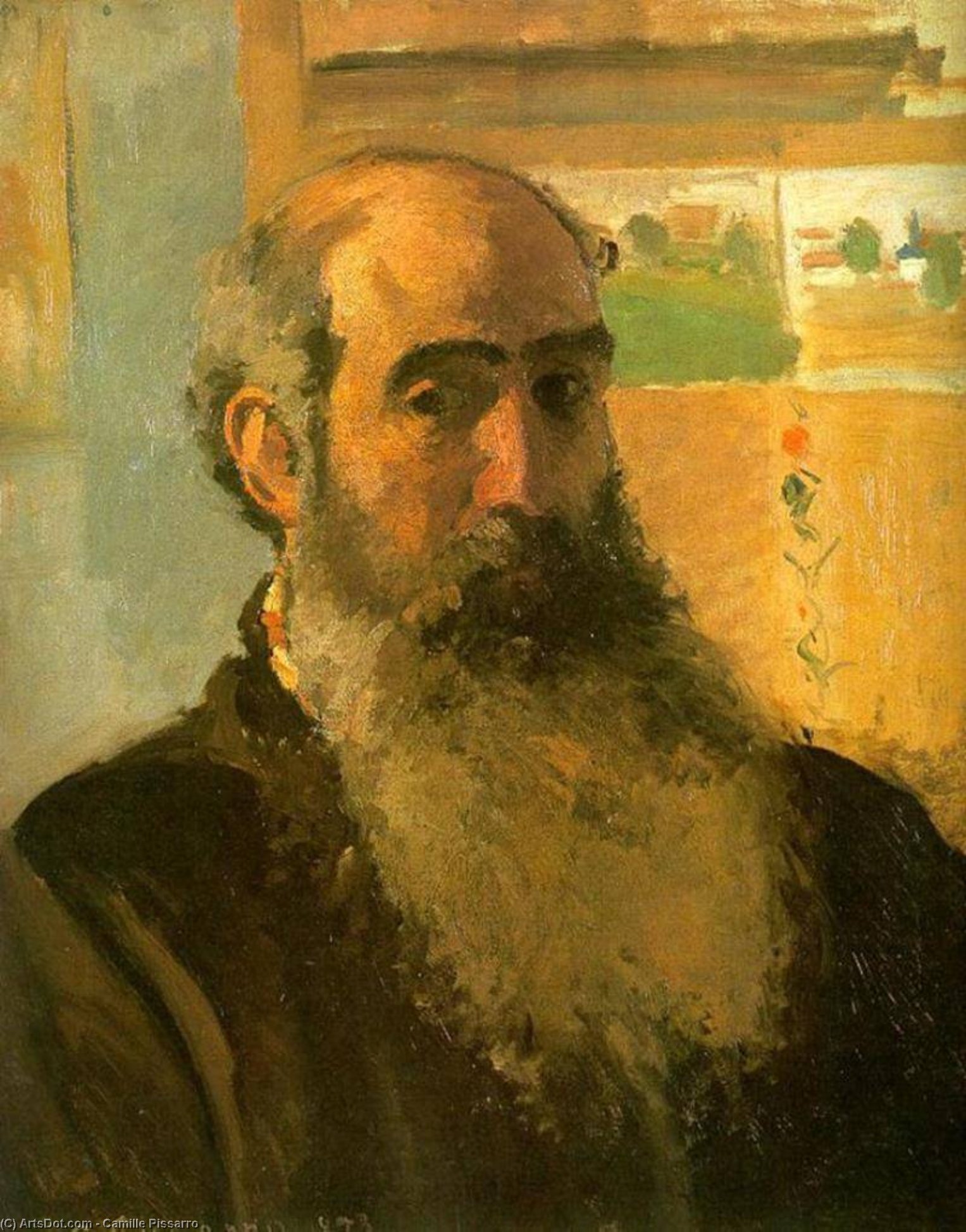
To stand before Camille Pissarro’s Self-Portrait from 1873 is to encounter not merely a likeness, but a profound moment of self-examination rendered in paint. The subject sits with an air of thoughtful contemplation, his long white beard and mustache lending him the gravitas of a seasoned philosopher or chronicler. His gaze, directed outward toward the viewer, feels both direct and deeply internalized; it is as if Pissarro has paused his own creative process to offer us a moment of unvarnished introspection. The composition is richly layered, moving beyond the central figure to include the subtle presence of another individual in the background and the quiet anchor of a potted plant on the left. These peripheral elements do not distract, but rather build an intimate stage upon which the artist’s inner life is displayed.
The Impressionist Hand at Work
Technically, this work serves as a beautiful testament to Pissarro's mastery within the burgeoning movement of Impressionism. While his later works are famed for their vibrant depictions of rural and urban scenes bathed in light, here we see that characteristic touch—the application of paint using visible, short brushstrokes. These strokes do not aim for photographic perfection; rather, they build texture and capture the fleeting quality of light interacting with skin, fabric, and background surfaces. The palette, often featuring earthy tones alongside subtle highlights, allows the viewer's eye to wander across the surface, discovering depth where solid forms meet atmospheric suggestion. It is a painting that rewards close looking, inviting one to trace the path of the pigment.
Context and Introspection: A Moment in Time
Painted in 1873, this self-portrait arrives at a pivotal juncture in Pissarro’s career, a time when he was deeply engaged with the artistic currents defining modern Paris. The act of painting oneself was always an exercise in negotiation—how does one capture the essence of consciousness? Here, Pissarro seems to be grappling with his own identity as an artist amidst the rapid changes sweeping through art. The setting itself, with its simple chair and muted backdrop, strips away pretense, leaving only the man and his thoughts exposed for contemplation.
Bringing the Masterpiece Home
For those who wish to incorporate this quiet intensity into a modern living space or study, owning a high-quality reproduction of this Self-Portrait offers an unparalleled connection to Impressionist genius. It functions beautifully as a focal point, lending an air of cultivated history and thoughtful depth to any room. The blend of formal portraiture with the spontaneity of Impressionist technique makes it versatile—it speaks to both academic appreciation and casual aesthetic delight. It is more than decoration; it is a conversation starter, inviting every admirer to pause, look closely, and wonder what thoughts might be passing through the mind of an artist gazing back at us across the decades.
関連作品

アーティストの略歴
印象派と新印象派の架橋:カミーユ・ピサロの世界
カミーユ・ピサロ。その名は、19世紀美術史における印象主義と新印象派という二つの潮流を結ぶ、まさに架け橋のような存在を示す。1830年7月10日、デンマーク領セント・トーマス島(現在のアメリカ領ヴァージン諸島)で生まれたピサロは、多様な文化的背景を持つ中で育ち、その後の彼の芸術的探求に深い影響を与えた。父がポルトガル系ユダヤ人でフランス国籍、母がフランス系ユダヤ人であったことは、彼に異文化への感受性を培い、後の作品における風景描写の繊細さや人間観察眼の深さを支える基盤となった。幼少期をセント・トーマス島で過ごし、商人の父の仕事を手伝う一方で、絵を描くことに情熱を燃やしたピサロは、12歳でフランスへ送られ、パスイの学校で教育を受ける。この時期に、彼はフランス美術の巨匠たちに触れ、その影響を受けながら独自の芸術的視点を磨き始めたのである。セント・トーマスの記憶とパリへの道
セント・トーマス島に戻ったピサロは、港町の風景や人々の生活をスケッチし、絵画への情熱をさらに深めていく。しかし、父の期待に応え商売を継ぐことはせず、芸術家としての道を志す。デンマーク人画家フリッツ・メルビとの出会いは、彼の人生における転換点となった。メルビに師事し、共にベネズエラへ渡り絵を描いた経験は、ピサロの視野を広げ、色彩感覚を研ぎ澄ませる上で重要な役割を果たした。1855年、ついにパリへと旅立つことを決意。以降、彼はフランス美術界の中心で活動することになる。当初、伝統的なアカデミー式の教育を受けながらも、クールベやコローといった写実主義の画家たちから影響を受け、独自のスタイルを模索していく。サロンへの出品を試みるものの、その革新的な作風は既存の美術界からは受け入れられず、苦難の時代を送ることになる。印象派の誕生とピサロの貢献
1870年代に入り、モネやドガといった画家たちとの交流を通して、ピサロは印象派運動へと深く関わっていく。彼は、屋外で直接風景を描く「プレネール」という技法を積極的に取り入れ、光と色彩の変化を捉えた作品を生み出した。印象派の画家たちは、伝統的なアカデミー絵画とは異なり、個人の主観的な感覚や感情を重視し、筆触を大胆に表現することで、瞬間の印象を切り取ろうとした。ピサロは、その中でも特に重要な役割を果たした一人であり、「印象派の父」とも呼ばれる。彼は、常に新しい技法や表現方法を探求し続け、新印象派の点描主義にも一時的に傾倒するなど、多様な試みを重ねた。しかし、最終的には自身のスタイルを確立し、風景画における繊細な色彩描写と人間観察眼を融合させた独自の芸術世界を築き上げたのである。晩年:平和への希求と遺産
19世紀末の激動の時代、ピサロは社会情勢の変化に敏感であり、自身の作品にもその影響が色濃く表れている。政治的な不安や貧困の中で生きる人々の姿を捉え、彼らの苦しみや希望を描き出すことで、社会へのメッセージを発信した。晩年は、精神的に疲弊していたピサロを支え続けた妻セリーヌの死という悲しみを経験するが、それでも絵筆を絶やさず、自然と人々の生活を描き続けた。1903年11月13日、パリでその生涯を閉じたカミーユ・ピサロ。彼の作品は、印象派から新印象派へと続く美術史における重要な転換点を示し、後の画家たちに多大な影響を与えた。セザンヌやゴッホ、ガウギュンのような巨匠たちは、ピサロの指導を受け、それぞれの独自の芸術世界を築き上げていった。彼の作品は、今日でも多くの人々に感動を与え続け、美術史における不朽の名作として輝いている。ピサロの風景:光と感情の交響曲
- 風景への愛: ピサロの作品を特徴づけるのは、自然に対する深い愛情である。
- 色彩の探求: 彼は、光の変化や季節による色彩の違いを繊細に捉え、キャンバス上で表現した。
- 社会への眼差し: ピサロは、風景を描きながらも、そこに生きる人々の生活や社会問題を反映させた。
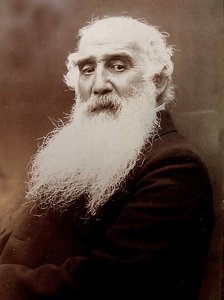
ピサロ
1830 - 1903 , フランス
基本情報
- フルネーム: カミーユ・ピサロ
- 出生地: セントトーマス島 (フランス領)
- 国籍: デンマーク系・フランス系
- 影響を与えたアーティスト:
- ポール・セザンヌ
- フィンセント・ファン・ゴッホ
- ポール・ゴーギャン
- 影響を受けたアーティスト:
- グスタフ・クールベ
- ジャン=バプティスト・カミーユ・コロー
- 死亡年月日: 1903年11月13日
- 生年月日: 1830年7月10日
- 芸術運動/スタイル: 印象派、新印象派
関連記事

Giclée Prints: Archival Quality & Aesthetic Nuances for the Discerning Collector
Explore the world of giclée prints with ArtsDot. Learn about archival quality, aesthetic nuances & investment potential. Expert guidance for discerning art collectors seeking museum-quality reproductions and lasting value.

印象派風景を彩った至宝:アート史に名を刻む10選
印象派風景の革新を彩った10選。モネ、ルノワールら巨匠の名作を紐解き、色彩と光が生み出す感動の世界へ。アートの歴史とインテリアのインスピレーションをArtsDot.comで。高品質な複製画で、あなただけの空間を創造しましょう。

Echoes of Time: Exploring the Enduring Appeal & Historical Context of Vintage Art Prints
Explore the captivating world of vintage art prints! Discover their history, collecting tips & enduring appeal. Expert insights on chromolithography and building a legacy collection with ArtsDot.

The Enduring Legacy of Fine Art Prints: Technique, History & Aesthetic Impact
Explore the rich history & techniques of fine art prints. Discover investment potential, assess authenticity, and learn how to preserve your collection with expert guidance. Trusted insights for discerning collectors.
Impressionistic Realism's Finest: 10 Masterpieces for Your Home | ArtsDot
Journey through Impressionistic Realism with 10 iconic masterpieces by Monet, Renoir & Van Gogh. Explore art history, techniques & find museum-quality reproductions for your home at ArtsDot.com. Discover all masterpieces online!