 プレビュー
プレビュー
 シェアする
シェアする シェアする
シェアする
 詳細を見る
詳細を見る

 ダウンロード
 似ている作品
 X線調査
X線調査 スライドショー
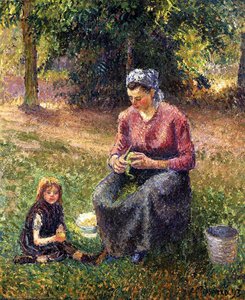
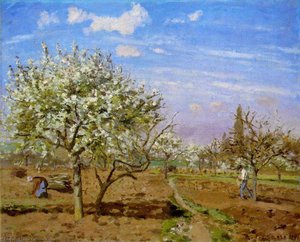
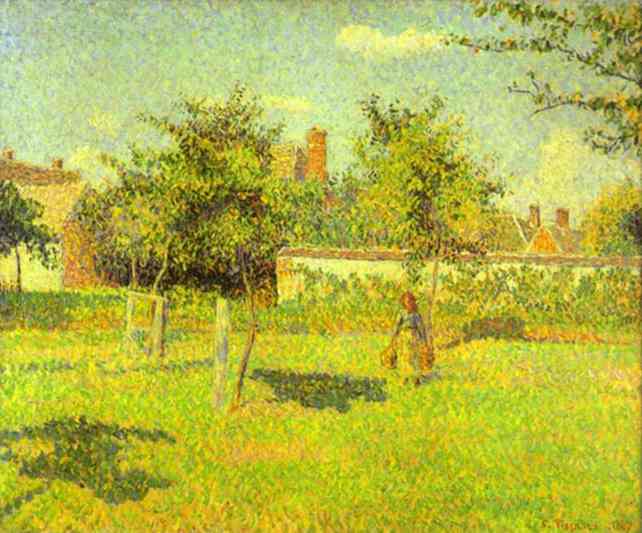
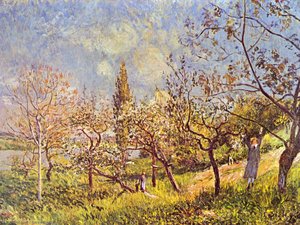
Woman in an Orchard, Spring Sunshine in a Field, Eragny


 詳細を見る
詳細を見る
ジークレー/アートプリント
迅速な制作と多彩な仕上げオプションを備えた、ミュージアムクオリティのジークレーまたはキャンバスプリント。 ( 手描きの絵画を購入 画像を購入)




P118B $10

P118H $10

P118W $10

P438Z $10

P508JH $12

P508YH $12

P805H $10

P805Z $10

P919BZ $10

P919G $10

P919XJ $10

P959ZH $10

P968JZ $12

W106C $8

W218G $10

W218JH $8

W218Y $10

W307PJ $10

W316G $10

W316PJ $8

W316Y $10

W398PJ $8

W4111J $10

W500HY $15

W500JH $15

W692G $12

W849H $8

W940BG $15

W953PJ $8




作品のオリジナル比率に合わせた、当店の規定サイズからお選びください。

特定のフレームやスペースに合わせて、ご自身でサイズを指定することも可能です。選択されたサイズが元の画像の比率と一致しない場合、作品をトリミングするか、鏡面反射または単色での塗りつぶしによって画像を拡張いたします。制作を開始する前に、ご確認用のデジタルモックアップをお送りいたします。
画面上のプレビューには、実際のトリミングや拡張は反映されませんのでご注意ください。最終的な構図を正確に確認できるのは、モックアップのみとなります。
カスタムサイズも承っておりますが、元の比率を維持するためには、あらかじめ用意されたリストからサイズを選択することをお勧めいたします。


 ガラスオプションは、110cm未満のサイズでのみご利用いただけます。

Woman in an Orchard, Spring Sunshine in a Field, Eragny
ジークレー/アートプリント
複製画のサイズ
-


合計金額
$ 62
A Moment of Tranquility Captured in Light: Camille Pissarro’s “Woman in an Orchard”
The painting "Woman in an Orchard, Spring Sunshine in a Field," executed by Camille Pissarro in 1887, stands as a quintessential example of Impressionist landscape art—a testament to the movement's dedication to capturing fleeting moments and subjective sensations rather than meticulously recreating visual reality. More than just depicting a picturesque scene, this artwork delves into the emotional resonance of springtime, conveying a profound sense of serenity and connection with nature.The Scene: Observation as Artistic Imperative
Pissarro’s meticulous observation is palpable in every brushstroke. The canvas portrays a woman strolling through an orchard bathed in golden sunlight—a familiar motif for Impressionists who sought to represent the everyday life of rural France during this transformative period. Scattered figures populate the field, adding dynamism and hinting at social interaction. Notably, birds flutter amongst the blossoms, symbolizing renewal and vitality – elements frequently employed by Pissarro to infuse his paintings with spiritual significance. The artist’s eye isn't focused on grand vistas or dramatic narratives; instead, he strives to distill the essence of a particular moment, prioritizing atmosphere over precise detail.Technique: Impressionistic Brushwork and Color Harmony
Pissarro’s technique exemplifies the core principles of Impressionism. Loose, visible brushstrokes—characteristic of his style—are layered upon each other to create an illusion of shimmering light and texture. Rather than blending colors smoothly, he juxtaposes complementary hues – yellows and blues predominantly – allowing them to mingle optically on the viewer's retina. This technique brilliantly captures the dappled sunlight filtering through the orchard trees, resulting in a luminous palette that evokes warmth and optimism. The artist skillfully utilizes broken color—applying pigment in small patches rather than blending it extensively—to achieve remarkable tonal variation and depth.Historical Context: Impressionism’s Embrace of Modern Life
Painted during the height of Impressionism's influence, “Woman in an Orchard” reflects the broader artistic preoccupation with capturing contemporary life. Following the Salon des Refusés of 1863, where Pissarro’s work was rejected by the official Académie Française for its perceived lack of finish, Impressionists championed a new aesthetic—one that prioritized spontaneity and emotional expression over academic conventions. This painting aligns perfectly with this ethos, representing not just a beautiful landscape but also an affirmation of the joys found in simple pleasures and communion with the natural world – values deeply rooted in Pissarro’s personal beliefs and artistic vision.Symbolism: Light as Spiritual Revelation
The radiant sunlight is more than mere illumination; it functions symbolically as a conduit for divine grace, mirroring Pissarro's fascination with spirituality. Impressionists often sought to convey intangible feelings and ideas through visual imagery, believing that art could transcend the literal representation of reality. The woman’s posture—relaxed yet purposeful—suggests contemplation and appreciation for beauty – qualities considered paramount in capturing the spirit of the age.Emotional Impact: A Balm for the Soul
Ultimately, “Woman in an Orchard” succeeds in transporting the viewer to a tranquil meadow filled with blossoms and birdsong. The painting’s harmonious color palette and expressive brushwork evoke feelings of peace, joy, and connection—a timeless reminder of the restorative power of nature and the beauty inherent in everyday life. It's a piece that invites contemplation and encourages us to savor the fleeting moments of splendor that surround us.関連作品


アーティストの略歴
印象派と新印象派の架橋:カミーユ・ピサロの世界
カミーユ・ピサロ。その名は、19世紀美術史における印象主義と新印象派という二つの潮流を結ぶ、まさに架け橋のような存在を示す。1830年7月10日、デンマーク領セント・トーマス島(現在のアメリカ領ヴァージン諸島)で生まれたピサロは、多様な文化的背景を持つ中で育ち、その後の彼の芸術的探求に深い影響を与えた。父がポルトガル系ユダヤ人でフランス国籍、母がフランス系ユダヤ人であったことは、彼に異文化への感受性を培い、後の作品における風景描写の繊細さや人間観察眼の深さを支える基盤となった。幼少期をセント・トーマス島で過ごし、商人の父の仕事を手伝う一方で、絵を描くことに情熱を燃やしたピサロは、12歳でフランスへ送られ、パスイの学校で教育を受ける。この時期に、彼はフランス美術の巨匠たちに触れ、その影響を受けながら独自の芸術的視点を磨き始めたのである。セント・トーマスの記憶とパリへの道
セント・トーマス島に戻ったピサロは、港町の風景や人々の生活をスケッチし、絵画への情熱をさらに深めていく。しかし、父の期待に応え商売を継ぐことはせず、芸術家としての道を志す。デンマーク人画家フリッツ・メルビとの出会いは、彼の人生における転換点となった。メルビに師事し、共にベネズエラへ渡り絵を描いた経験は、ピサロの視野を広げ、色彩感覚を研ぎ澄ませる上で重要な役割を果たした。1855年、ついにパリへと旅立つことを決意。以降、彼はフランス美術界の中心で活動することになる。当初、伝統的なアカデミー式の教育を受けながらも、クールベやコローといった写実主義の画家たちから影響を受け、独自のスタイルを模索していく。サロンへの出品を試みるものの、その革新的な作風は既存の美術界からは受け入れられず、苦難の時代を送ることになる。印象派の誕生とピサロの貢献
1870年代に入り、モネやドガといった画家たちとの交流を通して、ピサロは印象派運動へと深く関わっていく。彼は、屋外で直接風景を描く「プレネール」という技法を積極的に取り入れ、光と色彩の変化を捉えた作品を生み出した。印象派の画家たちは、伝統的なアカデミー絵画とは異なり、個人の主観的な感覚や感情を重視し、筆触を大胆に表現することで、瞬間の印象を切り取ろうとした。ピサロは、その中でも特に重要な役割を果たした一人であり、「印象派の父」とも呼ばれる。彼は、常に新しい技法や表現方法を探求し続け、新印象派の点描主義にも一時的に傾倒するなど、多様な試みを重ねた。しかし、最終的には自身のスタイルを確立し、風景画における繊細な色彩描写と人間観察眼を融合させた独自の芸術世界を築き上げたのである。晩年:平和への希求と遺産
19世紀末の激動の時代、ピサロは社会情勢の変化に敏感であり、自身の作品にもその影響が色濃く表れている。政治的な不安や貧困の中で生きる人々の姿を捉え、彼らの苦しみや希望を描き出すことで、社会へのメッセージを発信した。晩年は、精神的に疲弊していたピサロを支え続けた妻セリーヌの死という悲しみを経験するが、それでも絵筆を絶やさず、自然と人々の生活を描き続けた。1903年11月13日、パリでその生涯を閉じたカミーユ・ピサロ。彼の作品は、印象派から新印象派へと続く美術史における重要な転換点を示し、後の画家たちに多大な影響を与えた。セザンヌやゴッホ、ガウギュンのような巨匠たちは、ピサロの指導を受け、それぞれの独自の芸術世界を築き上げていった。彼の作品は、今日でも多くの人々に感動を与え続け、美術史における不朽の名作として輝いている。ピサロの風景:光と感情の交響曲
- 風景への愛: ピサロの作品を特徴づけるのは、自然に対する深い愛情である。
- 色彩の探求: 彼は、光の変化や季節による色彩の違いを繊細に捉え、キャンバス上で表現した。
- 社会への眼差し: ピサロは、風景を描きながらも、そこに生きる人々の生活や社会問題を反映させた。
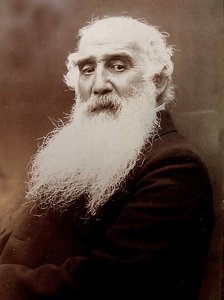
ピサロ
1830 - 1903 , フランス
基本情報
- フルネーム: カミーユ・ピサロ
- 出生地: セントトーマス島 (フランス領)
- 国籍: デンマーク系・フランス系
- 影響を与えたアーティスト:
- ポール・セザンヌ
- フィンセント・ファン・ゴッホ
- ポール・ゴーギャン
- 影響を受けたアーティスト:
- グスタフ・クールベ
- ジャン=バプティスト・カミーユ・コロー
- 死亡年月日: 1903年11月13日
- 生年月日: 1830年7月10日
- 芸術運動/スタイル: 印象派、新印象派
関連記事
印象派風景を彩った至宝:アート史に名を刻む10選
印象派風景の革新を彩った10選。モネ、ルノワールら巨匠の名作を紐解き、色彩と光が生み出す感動の世界へ。アートの歴史とインテリアのインスピレーションをArtsDot.comで。高品質な複製画で、あなただけの空間を創造しましょう。
ルノワール傑作25選:光と色彩が織りなす印象派の華麗なる世界 | ArtsDot
ルノワールの傑作25選🎨 印象派の光と色彩が輝く世界へ。絵画の背景、技法、そして時代を超えて愛される理由を紐解きます。ArtsDotで高品質な複製画やインテリアアートを見つけ、お部屋に芸術的な彩りを✨ Explore the full collection online!

Impressionistic Landscapes: 10 Masterpieces That Changed Art & Decor
Journey into the heart of Impressionism! Explore 10 masterpieces by Monet, Renoir & Degas that revolutionized landscape art. Discover their stories, techniques & find museum-quality reproductions to elevate your home decor on ArtsDot.com.
Impressionistic Realism's Finest: 10 Masterpieces for Your Home | ArtsDot
Journey through Impressionistic Realism with 10 iconic masterpieces by Monet, Renoir & Van Gogh. Explore art history, techniques & find museum-quality reproductions for your home at ArtsDot.com. Discover all masterpieces online!

Capturing Light & Emotion: A Beginner's Guide to the Impressionist Aesthetic
Discover the beauty of Impressionism. Learn how masters like Monet and Renoir use light and color to evoke emotion, and explore how to bring this luminous aesthetic into your home with museum-quality, hand-painted reproductions.