

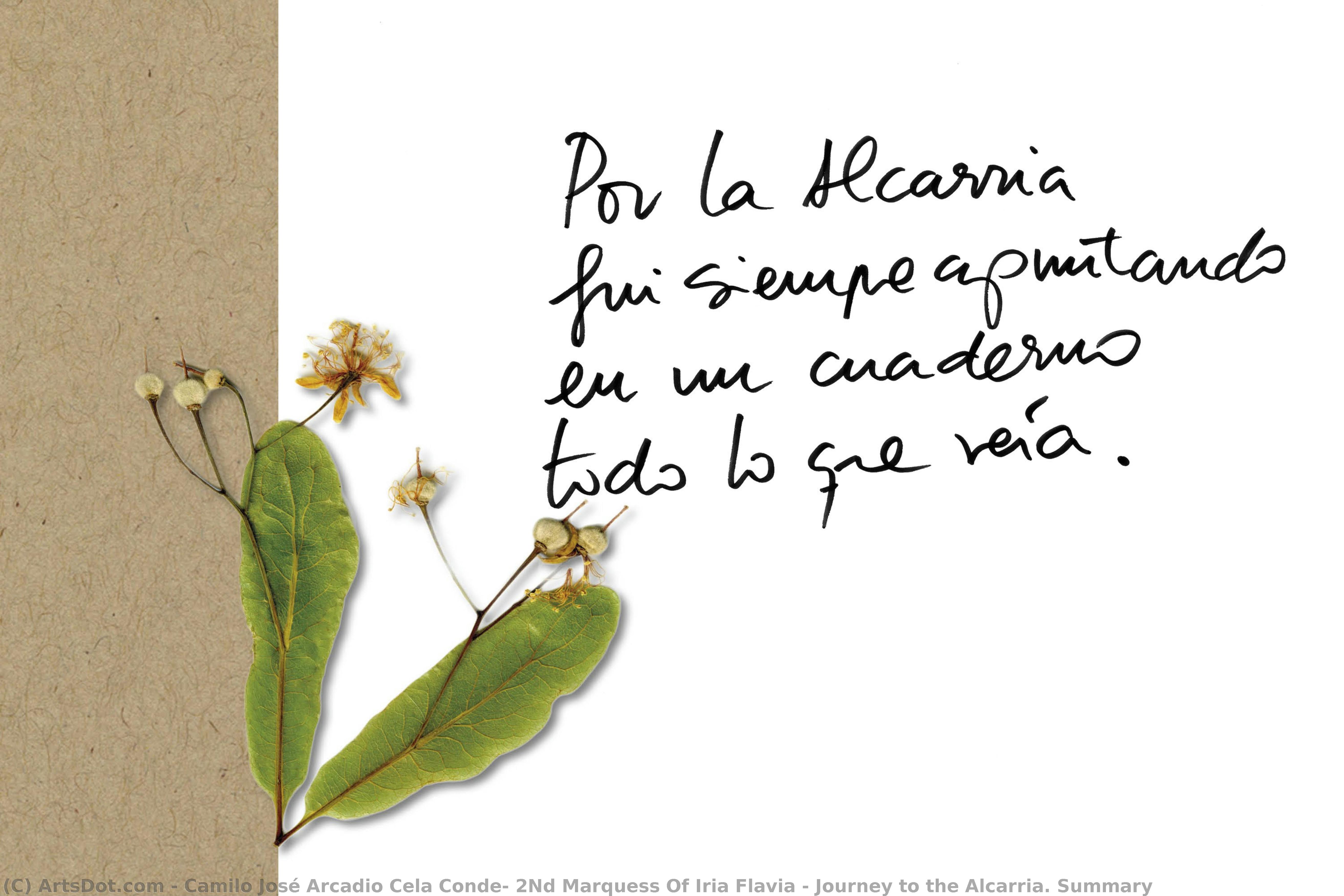
 プレビュー
プレビュー
 シェアする
シェアする シェアする
シェアする
 詳細を見る
詳細を見る

 ダウンロード
 似ている作品
 X線調査
X線調査 スライドショー
 統計情報
統計情報Journey to the Alcarria. Summary


 詳細を見る
詳細を見る
オンラインプレビューをはるかに凌ぐ、高解像度で鮮明なデジタル画像をご購入いただけます。
各ファイルは、社内の専門家が高度なツールと熟練した手作業によるレタッチを用いて、細心の注意を払って準備されています。すべての画像において、卓越した鮮明度、正確な色彩再現性、そして繊細なディテールを保証いたします。
最終ファイルは、プロフェッショナルな編集・印刷環境ですぐにご利用いただけるよう最適化された状態で、72時間以内にメールにてお届けいたします。これは、一流のデザインスタジオ、出版社、ギャラリーから信頼されているものと同等の品質です。
デジタルアート
個人での鑑賞、印刷、クリエイティブなプロジェクト用に、高解像度ファイルをダウンロードできます。 ( プリント版に切り替え 手描きの絵画を購入)
デジタル画像のご注文に付随する特典
高品質なデジタル画像配信を、確かな品質で。
ArtsDot.com を選ぶことは、単に画像を手に入れることではありません。それは、プロの手によって精密に仕上げられ、満足保証が付いた高品質なデジタルアートワークを受け取ることを意味します。ご注文いただいた際に自動的に付随する内容は、以下の通りです:

メールですぐにお届け
ご注文から72時間以内に、高解像度のデジタル画像ファイルがメールでお手元に届きます。すぐにそのままご利用いただけます。

AI技術で最適化されたデジタルファイル
お客様の作品は、高度なAIツールと専門家による手作業の編集を組み合わせてプロフェッショナルに最適化されており、細部のディテール、鮮明さ、そして正確な色再現性を最大限に引き出しています。

一生涯無料の再送サービス
ファイルを誤って削除したり、紛失してしまったりしましたか?ご安心ください。いつでも無料で再送いたします。

輸入手数料は一切かかりません
関税や手数料、配送料を気にすることなく、お気に入りのアートワークをすぐにお楽しみいただけます。デジタルダウンロードは常に免税です。

色彩再現の保証
プロ仕様のツールとカラーマネジメント技術を用いることで、デジタル画像が元の色を最大限に忠実に再現することを保証いたします。

100日間満足保証
ご購入いただいたデジタル画像にご満足いただけない場合は、100日以内であれば、理由を問わず修正または100%の返金対応をさせていただきます。

100% 返金保証
ご満足いただけない場合は、デジタルファイルを受け取ってから100日以内であれば、理由を問わず全額返金いたします。

まとめ買い割引
3枚購入で10%OFF - 5枚購入で15%OFF - 10枚以上購入で20%OFF。クリエイティブなプロジェクト、ギャラリー、エージェンシーに最適です。
関連作品

作家の略歴
A Legacy of Memory and Philosophical Inquiry
Camilo José Cela Conde, born on January 17, 1946, in Spain, occupies a unique and profound position within the landscape of contemporary Spanish intellectual life. As the son of the monumental Nobel Prize laureate Camilo José Cela, his identity has often been viewed through the lens of a formidable literary lineage. Yet, to view him merely as an heir is to overlook the distinct, contemplative path he has forged for himself. While he inherited a certain poetic sensitivity and a stylistic awareness from his father’s groundbreaking work, Cela Conde has transitioned far beyond mere imitation, establishing himself as a multifaceted scholar, novelist, and essayist whose work explores the intricate intersections of memory, identity, and the human condition.
His early years were deeply influenced by the rich, evocative traditions of the Andalusian region, specifically the landscapes that shaped the sensibilities of great writers like Valle-Inclán. This connection to the soil and the historical weight of the Spanish landscape provided a foundation for his meticulous observations of life. His literary journey began in earnest during the mid-1970s, a period marked by both personal academic achievement and the publication of works that signaled his emerging voice. Through his writing, he has sought to capture the essence of existence, often blending the boundaries between historical reality and philosophical reflection.
The Intersection of Literature and Thought
The evolution of Cela Conde’s oeuvre is characterized by a seamless movement between fiction and deep academic inquiry. His notable novels serve as vessels for exploring psychological depth and the transformative nature of storytelling. In works such as Son Armadans Papers, he delves into the haunting impact of trauma, using narrative to navigate the complexities of the human psyche. This ability to weave personal or historical weight into a compelling prose style is a hallmark of his contribution to modern Spanish letters.
Beyond the realm of fiction, his intellectual pursuits have led him to become a distinguished professor of the Philosophy of Law, Morality, and Politics at the University of the Balearic Islands. This academic rigor informs much of his non-fiction writing, where he tackles grander, more existential questions. His bibliography reveals a mind preoccupied with the biological and ethical foundations of humanity, as seen in works like Evolución Humana and La profecía de Darwin. In these texts, he examines the tension between our evolutionary origins and the moral structures we build to govern our societies, reflecting a profound engagement with the scientific and philosophical challenges of the modern era.
Recognition and Intellectual Significance
The significance of Camilo José Cela Conde lies in his ability to bridge the gap between the visceral experience of life and the abstract study of ethics and law. He does not merely observe the world; he seeks to understand the underlying mechanisms of justice, responsibility, and human progress. His work often serves as a bridge between generations, particularly in his deeply personal tribute, Cela, mi padre, which offers an intimate look at the life of his father while contributing to the broader cultural understanding of one of Spain's greatest literary figures.
Throughout his career, his contributions have been recognized by prestigious cultural institutions and juries, cementing his status as a vital voice in Spanish academic and literary circles. Whether he is writing about the evolutionary path of our species or reflecting on the nuances of political morality, his work remains anchored in a commitment to truth and a deep respect for the complexities of human history. His legacy continues to grow through his ongoing research and his ability to inspire thought regarding the role of philosophy in shaping the values of a changing world.
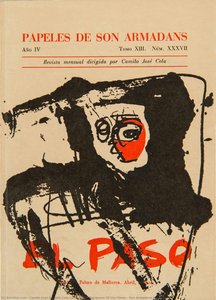
camilo josé arcadio cela conde, 2nd marquess of iria flavia
1946 - , Spain
プロフィール概要
- Artistic Movement Or Style: Contemporary Literature
- Artists Who Influenced This Artist: ['Camilo José Cela']
- Date Of Birth: January 17, 1946
- Full Name: Camilo José Cela Conde
- Nationality: Spanish
- Notable Artworks: ['Son Armadans papers']
- Place Of Birth: Spain (Valencia)