

 プレビュー
プレビュー
 シェアする
シェアする シェアする
シェアする
 詳細を見る
詳細を見る

 ダウンロード
 似ている作品
 X線調査
X線調査 スライドショー
 統計情報
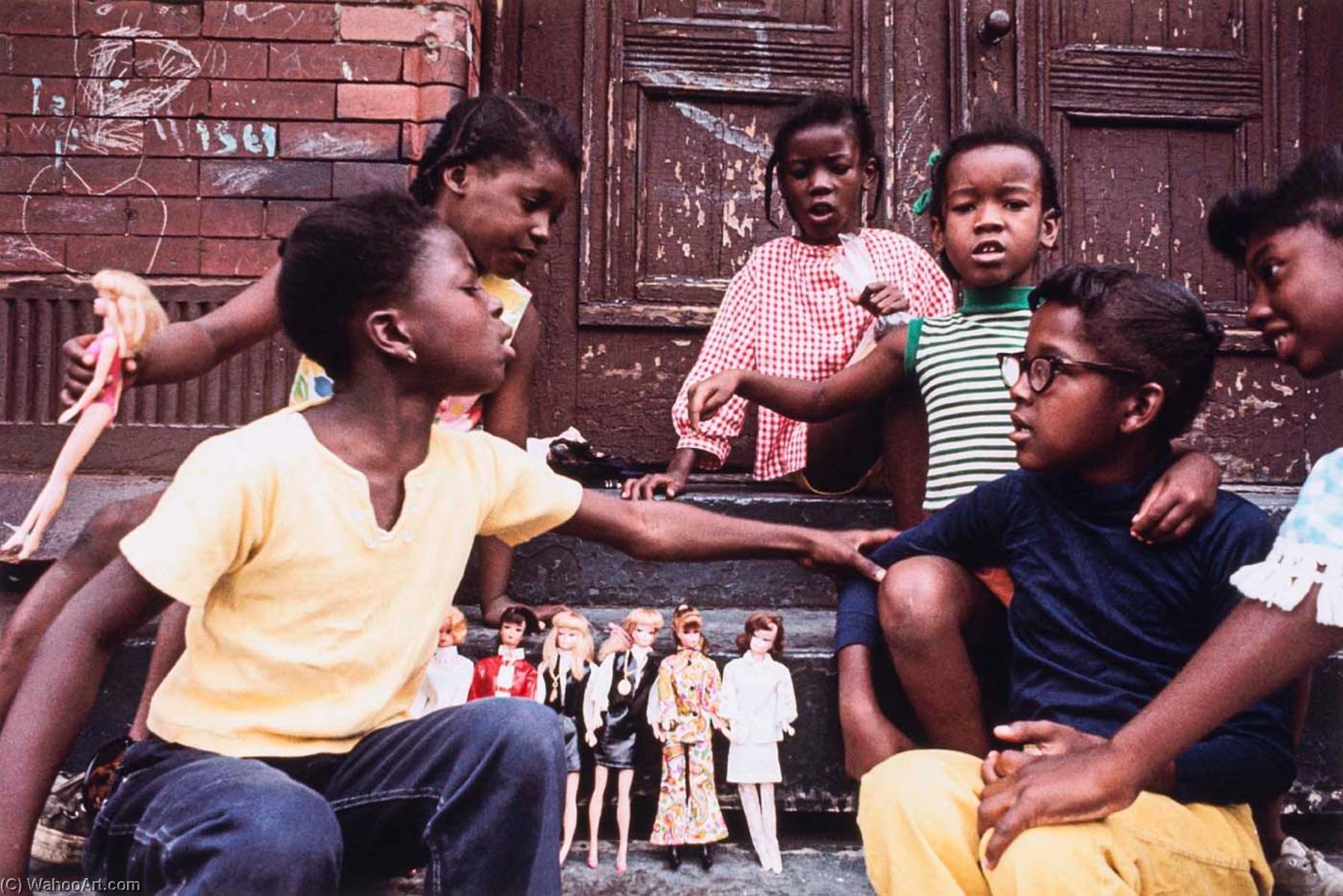
統計情報Old New York Girls with Barbies, East Harlem
 1970
1970 40.0 x 50.0 cm
 詳細を見る
詳細を見る
オンラインプレビューをはるかに凌ぐ、高解像度で鮮明なデジタル画像をご購入いただけます。
各ファイルは、社内の専門家が高度なツールと熟練した手作業によるレタッチを用いて、細心の注意を払って準備されています。すべての画像において、卓越した鮮明度、正確な色彩再現性、そして繊細なディテールを保証いたします。
最終ファイルは、プロフェッショナルな編集・印刷環境ですぐにご利用いただけるよう最適化された状態で、72時間以内にメールにてお届けいたします。これは、一流のデザインスタジオ、出版社、ギャラリーから信頼されているものと同等の品質です。
デジタルアート
個人での鑑賞、印刷、クリエイティブなプロジェクト用に、高解像度ファイルをダウンロードできます。 ( プリント版に切り替え 手描きの絵画を購入)
デジタル画像のご注文に付随する特典
高品質なデジタル画像配信を、確かな品質で。
ArtsDot.com を選ぶことは、単に画像を手に入れることではありません。それは、プロの手によって精密に仕上げられ、満足保証が付いた高品質なデジタルアートワークを受け取ることを意味します。ご注文いただいた際に自動的に付随する内容は、以下の通りです:

メールですぐにお届け
ご注文から72時間以内に、高解像度のデジタル画像ファイルがメールでお手元に届きます。すぐにそのままご利用いただけます。

AI技術で最適化されたデジタルファイル
お客様の作品は、高度なAIツールと専門家による手作業の編集を組み合わせてプロフェッショナルに最適化されており、細部のディテール、鮮明さ、そして正確な色再現性を最大限に引き出しています。

一生涯無料の再送サービス
ファイルを誤って削除したり、紛失してしまったりしましたか?ご安心ください。いつでも無料で再送いたします。

輸入手数料は一切かかりません
関税や手数料、配送料を気にすることなく、お気に入りのアートワークをすぐにお楽しみいただけます。デジタルダウンロードは常に免税です。

色彩再現の保証
プロ仕様のツールとカラーマネジメント技術を用いることで、デジタル画像が元の色を最大限に忠実に再現することを保証いたします。

100日間満足保証
ご購入いただいたデジタル画像にご満足いただけない場合は、100日以内であれば、理由を問わず修正または100%の返金対応をさせていただきます。

100% 返金保証
ご満足いただけない場合は、デジタルファイルを受け取ってから100日以内であれば、理由を問わず全額返金いたします。

まとめ買い割引
3枚購入で10%OFF - 5枚購入で15%OFF - 10枚以上購入で20%OFF。クリエイティブなプロジェクト、ギャラリー、エージェンシーに最適です。
関連作品








作家の略歴
Camilo José Vergara: A Chronicler of Urban Decay and Enduring Memory
Camilo José Vergara (born 1944 in Santiago, Chile) is more than just a photographer; he’s a meticulous chronicler of disappearing landscapes – the ghosts of American cities slowly succumbing to time, neglect, and relentless change. His work, deeply rooted in sociological observation and informed by a profound understanding of urban decay, offers a poignant meditation on continuity, memory, and the stories embedded within the built environment. Vergara’s unique approach, utilizing rephotography—returning to the same locations over decades with the exact same camera settings – transforms simple documentation into a powerful narrative that reveals the subtle yet significant shifts occurring within communities.
Vergara's early life in Santiago provided an initial framework for his artistic vision. Born into a family experiencing financial hardship, he witnessed firsthand the complexities of social stratification and the impact of economic decline. This formative experience instilled in him a sensitivity to the human condition and a desire to document marginalized communities – a theme that would become central to his photographic practice. Moving to New York City in 1974 marked a pivotal moment, exposing him to the rapidly evolving urban landscape of America’s major metropolises. Initially working as a street photographer, capturing the vibrant energy of the city's diverse neighborhoods, Vergara soon began to notice patterns of decline and transformation – abandoned buildings, shuttered storefronts, and the gradual erosion of community life.
The Technique of Rephotography: Capturing Time’s Passage
Vergara’s most distinctive contribution to photography lies in his innovative use of rephotography. Rejecting traditional documentary approaches that often focused on capturing a single moment in time, he adopted a systematic methodology for documenting urban change over extended periods. Beginning in the late 1970s and continuing into the present day, Vergara has repeatedly photographed the same locations – from the crumbling tenements of New York City’s Lower East Side to the abandoned housing projects of Chicago and Detroit – using the exact same camera settings, lens, and vantage point. This meticulous process creates a visual record of gradual transformations, revealing subtle shifts in architecture, demographics, and the overall character of a place.
The technical rigor of rephotography is crucial to Vergara’s work. He meticulously documents his photographic equipment – including camera model, lens type, film stock, and exposure settings – ensuring that each subsequent photograph is as closely aligned with its predecessor as possible. This commitment to precision allows viewers to trace the evolution of a location over time, witnessing the slow but steady process of de-urbanization. Furthermore, Vergara’s method isn't simply about recording change; it’s about revealing the *persistence* of memory within the urban fabric – the echoes of past lives and experiences embedded in the physical landscape.
Key Works and Themes
Several key projects exemplify Vergara’s distinctive approach. “Old New York,” a seminal series documenting the transformation of Manhattan's historic neighborhoods, stands as a testament to his meticulous methodology. Through a sequence of photographs taken at the same vantage points over several decades, the series reveals the gradual displacement of immigrant communities and the rise of luxury developments. “The New American Ghetto” (1997), published by Rutgers University Press, further explored the challenges faced by marginalized urban populations in Chicago and other cities, combining photographic documentation with sociological analysis and personal narratives.
Beyond these major works, Vergara’s portfolio includes numerous compelling projects focused on diverse urban landscapes. His photographs of Los Angeles, for example, capture the city's complex history of immigration, industrial decline, and gentrification. Similarly, his series documenting Detroit’s abandoned factories and vacant lots offer a poignant reflection on the city’s economic struggles. Throughout his work, Vergara consistently explores themes of community life, social inequality, and the enduring power of memory in shaping our understanding of place.
Recognition and Legacy
Camilo José Vergara's unique approach to photography has garnered widespread recognition and critical acclaim. He was awarded the MacArthur Fellowship in 2002 – a prestigious “genius grant” that recognizes individuals who demonstrate exceptional creativity and leadership. His work has been exhibited at major museums and galleries around the world, including the National Building Museum in Washington D.C. and the Cooper-Hewitt, Smithsonian Design Museum in New York City. Vergara’s photographs have also been featured in numerous publications, solidifying his position as a leading figure in contemporary documentary photography.
More than just an observer of urban change, Camilo José Vergara is a storyteller – a meticulous chronicler who uses the power of photography to illuminate the hidden histories and enduring memories embedded within our cities. His rephotographic method offers a profound perspective on time, place, and the human experience, reminding us that even in the face of relentless transformation, the past continues to shape the present.
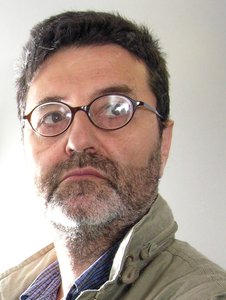
camilo josé vergara
1944 -
プロフィール概要
- Artistic Movement Or Style: Urban Photography, Rephotography
- Artists Or Movements Influenced By This Artist: ['Documentary Photo']
- Artists Who Influenced This Artist: ['Jacob Riis']
- Date Of Birth: 1944
- Full Name: Camilo José Vergara
- Nationality: Chilean-American
- Notable Artworks:
- 10828 S. Avalon Blvd., LA
- Puerto Rican Wedding, East Harlem
- Lower East Side, Manhattan
- Place Of Birth: Santiago, Chile