

 プレビュー
プレビュー
 プリントを購入
 シェアする
シェアする シェアする
シェアする
 詳細を見る
詳細を見る

 ダウンロード
 似ている作品
 X線調査
X線調査 スライドショー
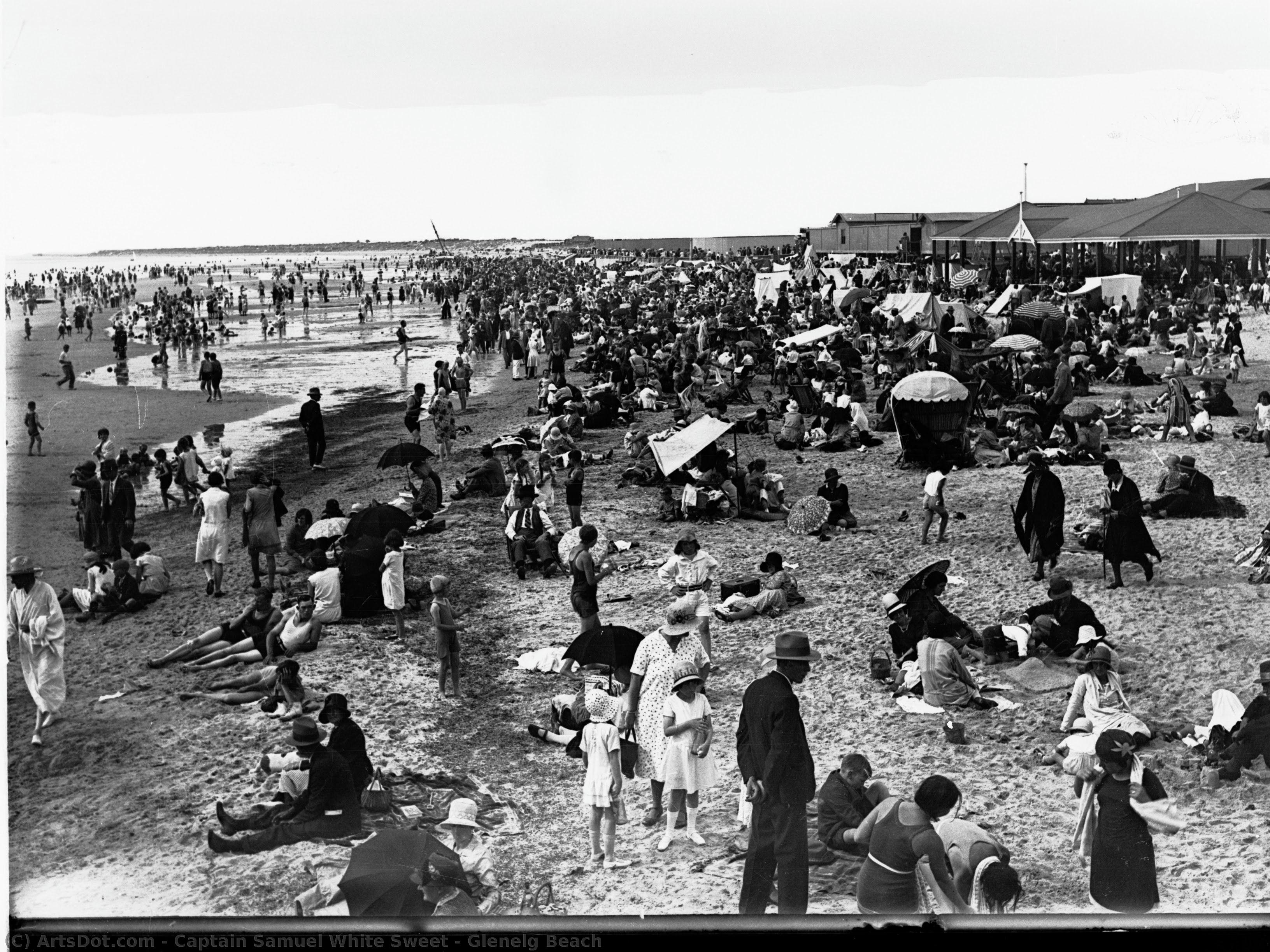
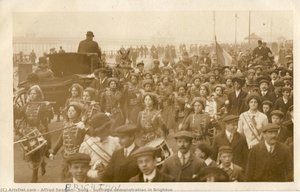
Glenelg Beach

 詳細を見る
詳細を見る
オンラインプレビューをはるかに凌ぐ、高解像度で鮮明なデジタル画像をご購入いただけます。
各ファイルは、社内の専門家が高度なツールと熟練した手作業によるレタッチを用いて、細心の注意を払って準備されています。すべての画像において、卓越した鮮明度、正確な色彩再現性、そして繊細なディテールを保証いたします。
最終ファイルは、プロフェッショナルな編集・印刷環境ですぐにご利用いただけるよう最適化された状態で、72時間以内にメールにてお届けいたします。これは、一流のデザインスタジオ、出版社、ギャラリーから信頼されているものと同等の品質です。
デジタル画像のご注文に付随する特典
高品質なデジタル画像配信を、確かな品質で。
ArtsDot.com を選ぶことは、単に画像を手に入れることではありません。それは、プロの手によって精密に仕上げられ、満足保証が付いた高品質なデジタルアートワークを受け取ることを意味します。ご注文いただいた際に自動的に付随する内容は、以下の通りです:

メールですぐにお届け
ご注文から72時間以内に、高解像度のデジタル画像ファイルがメールでお手元に届きます。すぐにそのままご利用いただけます。

AI技術で最適化されたデジタルファイル
お客様の作品は、高度なAIツールと専門家による手作業の編集を組み合わせてプロフェッショナルに最適化されており、細部のディテール、鮮明さ、そして正確な色再現性を最大限に引き出しています。

一生涯無料の再送サービス
ファイルを誤って削除したり、紛失してしまったりしましたか?ご安心ください。いつでも無料で再送いたします。

輸入手数料は一切かかりません
関税や手数料、配送料を気にすることなく、お気に入りのアートワークをすぐにお楽しみいただけます。デジタルダウンロードは常に免税です。

色彩再現の保証
プロ仕様のツールとカラーマネジメント技術を用いることで、デジタル画像が元の色を最大限に忠実に再現することを保証いたします。

100日間満足保証
ご購入いただいたデジタル画像にご満足いただけない場合は、100日以内であれば、理由を問わず修正または100%の返金対応をさせていただきます。

100% 返金保証
ご満足いただけない場合は、デジタルファイルを受け取ってから100日以内であれば、理由を問わず全額返金いたします。

まとめ買い割引
3枚購入で10%OFF - 5枚購入で15%OFF - 10枚以上購入で20%OFF。クリエイティブなプロジェクト、ギャラリー、エージェンシーに最適です。
関連作品





作家の略歴
From Sea Captain to Pioneer Photographer: The Life and Legacy of Samuel White Sweet
Samuel White Sweet, born in 1825 in the naval district of Portsea, Hampshire, England, embodies a fascinating transition from the rigorous life of a sea captain to that of a pioneering Australian photographer. His early years were steeped in maritime tradition; joining the Royal Navy at nineteen, he spent five years on the China Station, gaining invaluable experience and a disciplined approach that would later inform his meticulous photographic work. He transitioned into merchant shipping, commanding vessels like the *Pizarro* and diligently recording meteorological data for the Board of Trade – efforts recognized with “Letters of Honorable Mentions.” This dedication to observation and documentation foreshadowed his future artistic pursuits. Before embarking on a new life in Australia, Sweet married Elizabeth Tilly and began a family in England, hinting at a desire for stability alongside his adventurous spirit.A New World, A New Focus: Colonization and the Call of Photography
In 1864, Sweet sought opportunity in Queensland, Australia, initially hoping to establish a cotton farm. This venture proved less successful than anticipated, leading him to Adelaide in 1867 where he partnered with William Gibson to open a photographic practice. This marked the turning point in his career; photography, previously a serious hobby, became a profession. The allure of capturing the unfolding Australian landscape and documenting the burgeoning colonial life resonated deeply with Sweet’s inherent observational skills honed during years at sea. He quickly committed himself to mastering the art form, keenly following technical advancements and recognizing its potential as more than just a record-keeping tool. In 1868, he applied for the position of official photographer for the Goyder Northern Territory Expedition, though ultimately appointed Commander of the Government Schooner *Gulnare*, supporting the expedition and the new settlement at Port Darwin. This role provided him with unparalleled access to scenes ripe for photographic capture.Documenting a Nation: The Northern Territory Expeditions and Early Works
Although not officially designated as the expedition’s photographer – Joseph Brooks held that title – Sweet actively contributed, supplementing Brooks' work during surveying duties. Upon his return from these northern voyages, he organized exhibitions and lectures showcasing his views of the territory, successfully selling prints through James Williams’ Stationery shop. He also secured a commission in 1870 to supply construction teams building the British-Australian overland telegraph link from Darwin to Port Adelaide, capturing crucial images of this monumental undertaking – arguably the only visual record of the event at the time. Sweet's photographs weren’t merely snapshots; they were carefully composed documents of progress and change, offering a unique glimpse into 19th-century colonial life. His work documented the ceremonial planting of the first telegraph pole, scenes within the township of Darwin, the labor involved in construction, and the raw beauty of the Northern Territory landscape. These images are invaluable today for understanding the challenges and triumphs of early Australian settlement.Challenges and Resilience: The Wreck of the Gulnare and a Lasting Artistic Legacy
Sweet’s career wasn't without its setbacks. In 1871, the *Gulnare*, under his command, ran aground on reefs near the Vernon Islands. Though he managed to salvage much of the cargo with assistance from Captain Hummel’s vessel, the incident led to an inquiry and condemnation of the ship. Further professional censure followed in 1875 when the collier *Wallaroo*, carrying his wife, was grounded due to a navigational error attributed to Sweet's judgment. Despite these challenges, he persevered, retiring from sea life and establishing a dedicated photographic studio in Adelaide. He embarked on extensive travels throughout South Australia with a horse-drawn darkroom, meticulously documenting stations, homesteads, and the vast outback. He embraced the new dry-plate process in the early 1880s, further enhancing the quality and detail of his work. Sweet’s photographs became synonymous with colonial South Australia, forming an extensive collection now preserved by the South Australian Archives – a testament to his skill and dedication. He died suddenly from sunstroke in 1886 at Halldale near Riverton, leaving behind a legacy as a true pioneer of Australian landscape photography, forever capturing a pivotal era in the nation’s history.A Pioneer's Impact: Sweet's Historical Significance
Samuel White Sweet stands as a significant figure in the development of Australian art and documentation. He wasn’t simply recording images; he was actively shaping perceptions of the landscape and colonial experience. His transition from sea captain to photographer reflects a broader shift towards visual storytelling and the desire to document a new world. Sweet's meticulous approach, honed by years of naval discipline, combined with his artistic eye, resulted in photographs that are both technically proficient and emotionally resonant. He was among the first to recognize photography’s potential as an art form, moving beyond mere representation to capture the essence of a changing nation. His work continues to provide invaluable insights into 19th-century Australia, offering a unique perspective on early colonial life, exploration, and the challenges faced by those who forged a new society in a remote and unforgiving land. The preservation of his extensive collection ensures that his legacy will continue to inspire and inform generations to come.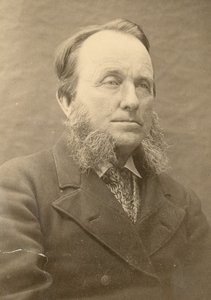
captain samuel white sweet
1825 - 1886 , United Kingdom
プロフィール概要
- Artistic Movement Or Style: Landscape photography
- Date Of Birth: May 1, 1825
- Date Of Death: January 4, 1886
- Full Name: Samuel White Sweet
- Nationality: English-Australian
- Notable Artworks:
- Three ships on Roper River
- Adelaide Railway Station Interior
- Glen Osmond Mount Barker Road
- Place Of Birth: Portsea, UK