

 プレビュー
プレビュー
 シェアする
シェアする シェアする
シェアする
 詳細を見る
詳細を見る

 ダウンロード
 似ている作品
 X線調査
X線調査 スライドショー
 Stats
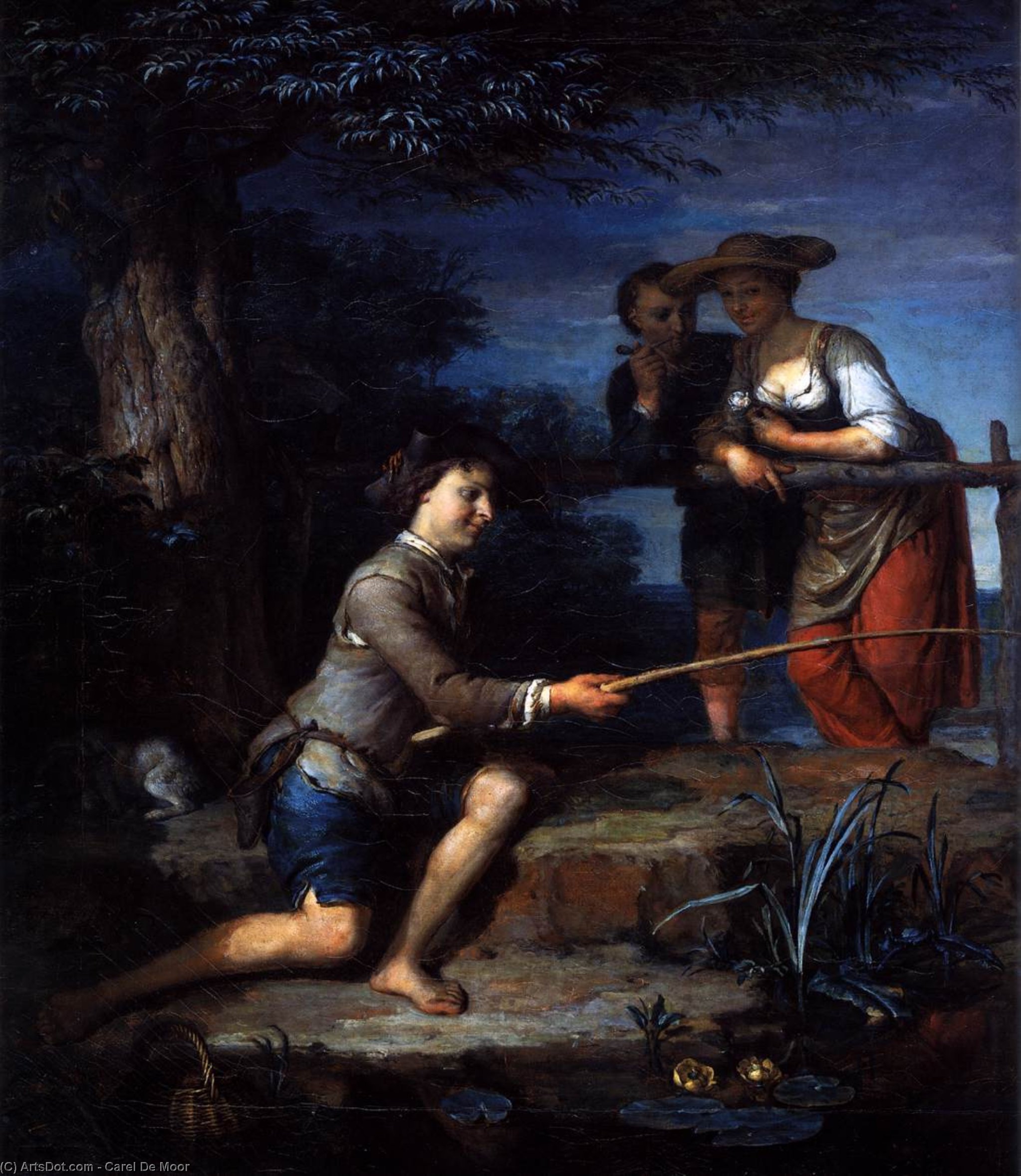
StatsAngler (detail)


 詳細を見る
詳細を見る
手描き油彩複製画
当社のアーティストが、お客様のご希望のサイズと額縁に合わせて、キャンバスに手描きで制作する油彩画です。 ( Switch to Print Switch to Digital Image)




P118B $10

P118H $10

P118W $10

P438Z $10

P508JH $12

P508YH $12

P805H $10

P805Z $10

P919BZ $10

P919G $10

P919XJ $10

P959ZH $10

P968JZ $12

W106C $8

W218G $10

W218JH $8

W218Y $10

W307PJ $10

W316G $10

W316PJ $8

W316Y $10

W398PJ $8

W4111J $10

W500HY $15

W500JH $15

W692G $12

W849H $8

W940BG $15

W953PJ $8




作品のオリジナル比率に合わせた、当店の規定サイズからお選びください。

特定のフレームやスペースに合わせて、ご希望のサイズをご入力いただけます。選択されたサイズが元の画像の比率と異なる場合、アートワークをトリミングするか、手描きで要素を追加して絵画を拡張いたします。デジタルモックアップ を制作し、制作開始前にご確認(承認)をいただきます。
画面上のプレビューは、実際のトリミングや拡張を正確に反映しているものではありません。最終的な構図は、モックアップによってのみ正確にご確認いただけます。
カスタムサイズもご利用いただけますが、元の比率を維持するためには、あらかじめ用意されたリストからサイズを選択することをお勧めいたします。
ご注文後、ArtsDot.com チームより詳細な指示をお送りするとともに、仕上がりイメージ(モックアップ)をご提供いたします。


 ガラスオプションは、110cm未満のサイズでのみご利用いただけます。

Angler (detail)
複製技法
複製画のサイズ
-


合計金額
$ 263
A Moment Frozen in Time: The Quiet Mastery of Carel de Moor
In the soft, dappled light of the Dutch Golden Age, few artists captured the profound beauty of the mundane as delicately as Carel de Moor. His work, Angler, completed around 1700, serves as a masterful distillation of the Baroque aesthetic—a period renowned for its meticulous realism and deep psychological insight. To gaze upon this piece is to step into a world where time slows down, inviting the viewer to witness a serene tableau of rural life. The scene portrays three figures engaged in quiet activity beneath the protective shade of a sprawling tree: a young boy, lost in the singular focus of his fishing task, and two women tending to their domestic duties near a rustic fence. It is not merely a depiction of a pastime; it is an evocative window into the values of seventeenth-century Holland, where tranquility and diligence were held in the highest regard.
The technical brilliance of de Moor lies in his command over texture and light, a skill inherited from the prestigious Leiden school. Employing techniques that allowed for astonishing precision, he rendered the subtle tonal variations of the landscape with surgical accuracy. The artist skillfully utilized chiaroscuro—the dramatic interplay between light and shadow—to sculpt form and imbue the scene with a palpable sense of atmosphere. One can almost feel the coolness of the shade beneath the heavy foliage and the warmth of the sunlight filtering through the leaves. Every element, from the rough texture of the clothing to the focused gaze of the young boy, is executed with a level of detail that speaks to the fijnschilder tradition, making the painting feel less like a static image and perhaps more like a living, breathing memory.
Symbolism and the Soul of the Dutch Landscape
Beyond its surface-level beauty, Angler carries a profound symbolic weight that resonates with collectors and art enthusiasts alike. The sprawling tree that anchors the composition serves as a powerful metaphor for stability and nourishment, representing the very foundations of Dutch agricultural prosperity during this era. Similarly, the boy’s unwavering concentration embodies the virtues of perseverance and patience—qualities deeply embedded in the societal framework of the time. Even the presence of the women and their basket suggests the industrious spirit that fueled the nation's burgeoning trade and economic strength.
For the interior designer or the discerning collector, this artwork offers more than just visual elegance; it provides an emotional anchor for a space. The predominant use of earthy tones and the tranquil subject matter create a sense of peace and groundedness, making it an ideal centerpiece for rooms designed for contemplation or sophisticated relaxation. Whether displayed in a sun-drenched gallery or a cozy study, a high-quality reproduction of this masterpiece brings with it the enduring legacy of the Dutch Baroque, offering a timeless connection to a period of unparalleled artistic and cultural flourishing.
関連作品


アーティストの略歴
The Meticulous Legacy of Carel de Moor
In the vibrant, light-drenched era of the Dutch Golden Age, where the mastery of shadow and substance defined a generation, Carel de Moor emerged as a quiet yet profound architect of detail. Born in Leiden in 1655, de Moor was not merely an observer of his time but a product of a deeply rooted artistic lineage. As the son of a painter and art dealer, his very existence was entwined with the textures of oil and the precision of the etching needle. While history often celebrates the more flamboyant rebels of the seventeenth century, de Moor’s greatness lay in his devotion to fijnschilder—the fine painting style—a method that demanded an almost superhuman level of patience and a surgical command over light.
His formative years were shaped by the prestigious artistic circles of Leiden, where he studied under legendary masters such as Gerard Dou and Frans van Mieris. These mentors instilled in him the foundational principles of the Leiden school: an obsession with microscopic realism and the ability to transform a flat canvas into a window of tactile reality. De Moor did not seek to overturn the traditions of his predecessors; instead, he sought to perfect them. Through his apprenticeship, he mastered the delicate art of chiaroscuro, learning how to use the dramatic interplay of light and shadow to breathe psychological life into his subjects, turning a simple portrait into a profound study of human character.
A Master of Portraiture and Genre
The breadth of de Moor’s oeuvre reflects a versatile spirit capable of navigating both the intimate and the atmospheric. He was particularly renowned for his portraits, which captured the dignity and subtle emotions of the Dutch citizenry with unparalleled grace. In these works, one can observe a remarkable ability to render the sheen of silk, the weight of velvet, and the translucent quality of skin, all while maintaining a sense of soulful presence. His portraits were not merely records of likeness but explorations of identity, often utilizing soft, directional light to highlight the contemplative expressions of his sitters.
Beyond the formal confines of portraiture, de Moor excelled in genre scenes—narrative paintings that captured the rhythms of everyday life. Whether depicting a tranquil moment of rural leisure or a more complex social interaction, his work always maintained a sense of stilleven-like precision. Some of his most evocative works include:
- The Angler: A masterful distillation of the Dutch Baroque aesthetic, where the quietude of nature and the focused movement of the fisherman create a sense of eternal peace.
- Self-Portraits: Introspective studies that reveal the artist’s own evolving technique and his deep connection to the traditions of his mentors.
- Soldier Scenes: Works that demonstrate his ability to handle more dynamic, crowded compositions while retaining his signature clarity and detail.
Historical Significance and Artistic Endurance
As the seventeenth century transitioned into the eighteenth, de Moor’s role as a leader within the St. Luke’s Guild and his service as a deacon underscored his high social and professional standing in Leiden. He was a pillar of the artistic community, bridging the gap between the intense realism of the early Golden Age and the more refined, elegant sensibilities of the following era. His etchings, characterized by their incredible tonal range and fine linework, allowed his artistry to reach beyond the walls of private collections, spreading the influence of the Leiden style through the medium of print.
Though he may not have possessed the revolutionary fire of a Rembrandt, Carel de Moor’s contribution to the canon of European art is immeasurable. He provided the essential continuity of excellence that allowed Dutch painting to maintain its prestige. Today, his works housed in institutions like the Rijksmuseum and Museum De Lakenhal serve as enduring testaments to a life dedicated to the pursuit of perfection. He remains a master of the subtle, reminding us that true greatness often resides in the quietest, most meticulously rendered details.
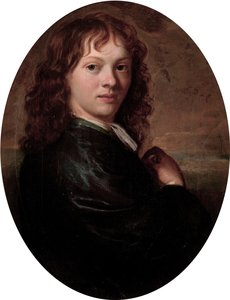
Carel de Moor
1655 - 1738 , Netherlands
基本情報
- Artistic Movement Or Style: Baroque
- Artists Or Movements Influenced By This Artist: ['Willem van Mieris']
- Artists Who Influenced This Artist:
- Gerard Dou
- Lucas van Leyden
- Date Of Birth: Leiden, Netherlands (1655)
- Date Of Death: 1738
- Full Name: Carel de Moor
- Nationality: Dutch
- Notable Artworks:
- Portrait of a Gentleman
- The Adoration Of The Magi
- Place Of Birth: Leiden
関連記事

黄金世紀の巨匠たち:バロック絵画が彩る10選|ArtsDot
オランダ黄金時代の10大傑作を紐解く!レンブラント、フェルメール…バロック絵画の魅力と時代背景を深く探求。ArtsDotで、至高のアートコレクションと空間演出のヒントを見つけよう。高品質なアートプリントで、お部屋を華やかに。

Dutch Baroque Masters: 10 Paintings That Shaped an Era | ArtsDot
Journey through the Golden Age with our guide to the Top 10 Dutch Baroque masterpieces! Explore iconic paintings by Rembrandt, Vermeer & Frans Hals. Find museum-quality art reproductions and elevate your home decor at ArtsDot.com.

Golden Age Reflections: Dutch Baroque Painting & Cultural Innovation
Explore the Dutch Golden Age of painting! Discover key artists like Vermeer & ter Borch, their innovative techniques, and the rich cultural context behind these Baroque masterpieces. Learn about collecting & appreciating this iconic art period.
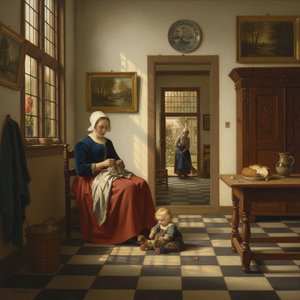
Pieter de Hooch: Illuminating Dutch Domestic Life & Golden Age Charm
Explore the captivating world of Pieter de Hooch, a master of Dutch Golden Age painting. Discover his innovative use of light, intimate domestic scenes, and lasting influence on art history. Learn more at ArtsDot.

Illuminating Innovation: Exploring the Dutch Golden Age of Painting
Explore the Dutch Golden Age of painting with ArtsDot. Discover Rembrandt, Vermeer & other Masters. Learn about key characteristics, iconic artworks, and lasting influence. Expert insights for collectors & enthusiasts.