

 プレビュー
プレビュー
 プリントを購入
 シェアする
シェアする シェアする
シェアする
 詳細を見る
詳細を見る

 ダウンロード
 似ている作品
 X線調査
X線調査 スライドショー
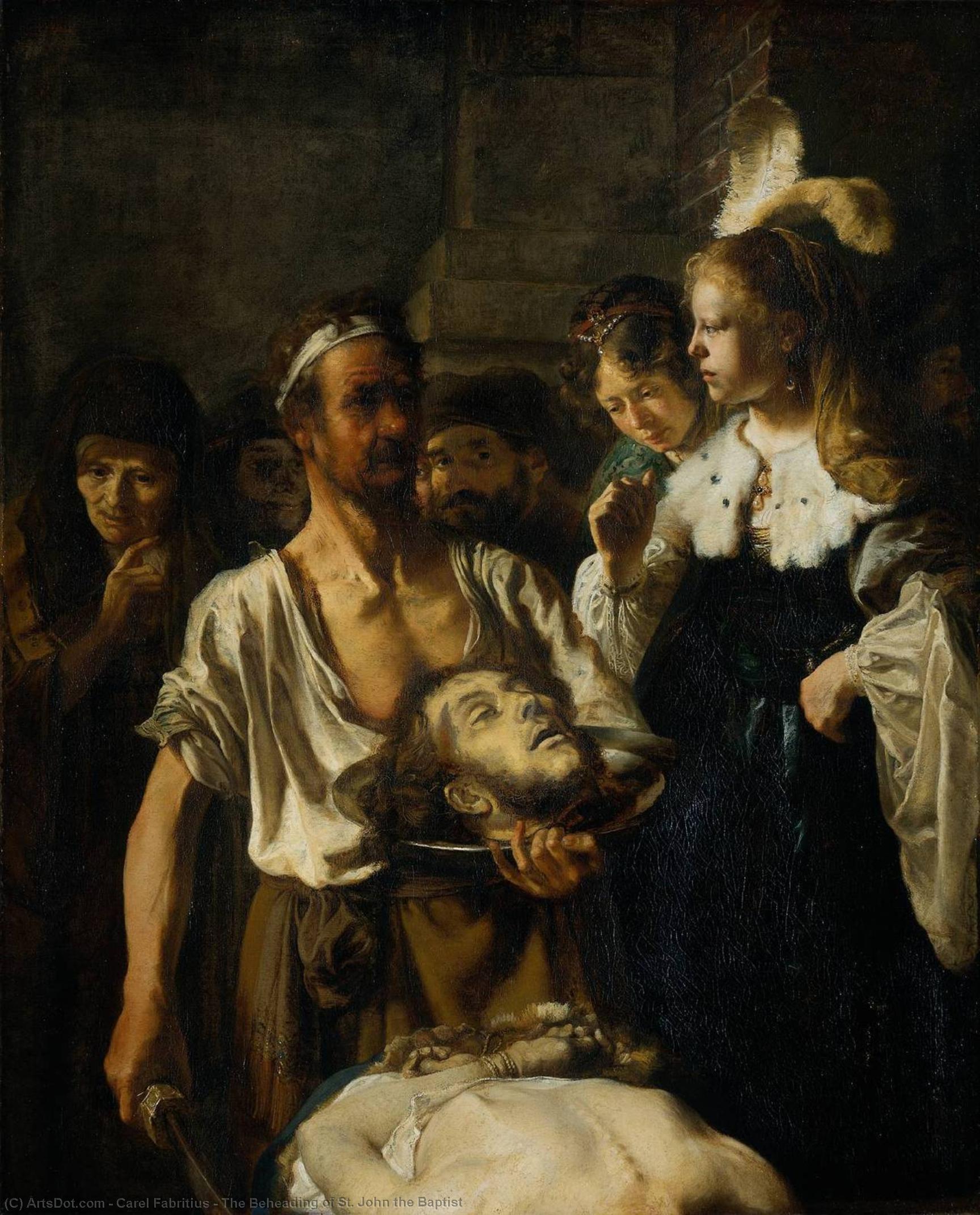
The Beheading of St. John the Baptist
 Acrylic On Canvas
- WallArt
- Baroque Painting
 1640
1640 149.0 x 121.0 cm
 国立美術館 (Rijksmuseum)
 詳細を見る
詳細を見る
オンラインプレビューをはるかに凌ぐ、高解像度で鮮明なデジタル画像をご購入いただけます。
各ファイルは、社内の専門家が高度なツールと熟練した手作業によるレタッチを用いて、細心の注意を払って準備されています。すべての画像において、卓越した鮮明度、正確な色彩再現性、そして繊細なディテールを保証いたします。
最終ファイルは、プロフェッショナルな編集・印刷環境ですぐにご利用いただけるよう最適化された状態で、72時間以内にメールにてお届けいたします。これは、一流のデザインスタジオ、出版社、ギャラリーから信頼されているものと同等の品質です。
デジタル画像のご注文に付随する特典
高品質なデジタル画像配信を、確かな品質で。
ArtsDot.com を選ぶことは、単に画像を手に入れることではありません。それは、プロの手によって精密に仕上げられ、満足保証が付いた高品質なデジタルアートワークを受け取ることを意味します。ご注文いただいた際に自動的に付随する内容は、以下の通りです:

メールですぐにお届け
ご注文から72時間以内に、高解像度のデジタル画像ファイルがメールでお手元に届きます。すぐにそのままご利用いただけます。

AI技術で最適化されたデジタルファイル
お客様の作品は、高度なAIツールと専門家による手作業の編集を組み合わせてプロフェッショナルに最適化されており、細部のディテール、鮮明さ、そして正確な色再現性を最大限に引き出しています。

一生涯無料の再送サービス
ファイルを誤って削除したり、紛失してしまったりしましたか?ご安心ください。いつでも無料で再送いたします。

輸入手数料は一切かかりません
関税や手数料、配送料を気にすることなく、お気に入りのアートワークをすぐにお楽しみいただけます。デジタルダウンロードは常に免税です。

色彩再現の保証
プロ仕様のツールとカラーマネジメント技術を用いることで、デジタル画像が元の色を最大限に忠実に再現することを保証いたします。

60日間満足保証
ご購入いただいたデジタル画像にご満足いただけない場合は、60日以内であれば、修正または100%の返金(理由を問う必要はありません)をさせていただきます。

100% 返金保証
ご満足いただけない場合は、デジタルファイルを受け取ってから60日以内であれば、理由を問わず全額返金いたします。

まとめ買い割引
3枚購入で10%OFF - 5枚購入で15%OFF - 10枚以上購入で20%OFF。クリエイティブなプロジェクト、ギャラリー、エージェンシーに最適です。
作品の詳細
The Haunting Beauty of “The Beheading of St. John the Baptist”
Carel Fabritius’s “The Beheading of St. John the Baptist,” painted around 1640-1645, is not merely a depiction of a biblical event; it's a profoundly unsettling and psychologically astute tableau that continues to captivate viewers centuries later. Born in Muiden, Netherlands, Fabritius was a student of Rembrandt van Rijn, inheriting the master’s skill in dramatic lighting and masterful use of perspective – yet forging his own intensely personal style marked by an unnerving realism and a subtle, almost unbearable tension.
The painting immediately confronts us with its stark composition. St. John, depicted as a young man stripped bare and bound, is caught mid-execution. His face, rendered with astonishing detail – the furrowed brow, the slight grimace of pain, the vulnerability in his eyes – conveys not just suffering but also a profound sense of resignation and perhaps even acceptance. The brutality of the act itself is presented with chilling immediacy: the swift, decisive stroke of the sword, the stark contrast between the pale skin of the victim and the dark, shadowed background. The executioner, rendered almost as an anonymous figure, adds to the scene’s unsettling quality – his face obscured, his movements efficient and devoid of emotion.
A Baroque Masterpiece: Technique and Composition
Fabritius employs a masterful blend of techniques characteristic of the Dutch Golden Age. The painting is executed in oil on canvas, utilizing *chiaroscuro*—the dramatic interplay of light and shadow—to create a powerful sense of volume and depth. Notice how the light focuses intensely on St. John’s face and the severed head, drawing our attention to the central drama while simultaneously plunging the surrounding figures into darkness. The perspective is meticulously rendered, creating an illusionistic space that draws us directly into the scene. The use of foreshortening – particularly in the positioning of the sword and the executioner's hand – adds to the painting’s realism and sense of immediacy.
Furthermore, Fabritius’s attention to detail is remarkable. The textures of St. John’s skin, the folds of his garment, the rough surface of the stone slab—all are rendered with painstaking accuracy. The inclusion of seemingly minor details, such as the discarded cloth and the blood pooling on the ground, contributes significantly to the painting's overall impact, amplifying the sense of horror and despair.
Symbolism and Context: A Complex Narrative
Beyond its immediate depiction of a gruesome event, “The Beheading of St. John the Baptist” is laden with symbolic meaning. The story itself—the betrayal and execution of John by Herod—is rich in religious and political allegory. John’s martyrdom represents the triumph of truth over power, faith over corruption. Herod's actions symbolize the dangers of unchecked ambition and the abuse of authority. The painting can also be interpreted as a meditation on mortality, suffering, and the inevitability of death.
Interestingly, the painting was likely commissioned for a private collection, possibly by a wealthy merchant or nobleman interested in displaying both his piety and his worldly power. The inclusion of figures like Salome, who receives the head, underscores the vanity and moral ambiguity inherent in human nature. The scene’s unsettling atmosphere reflects the anxieties and uncertainties of the time—a period marked by religious upheaval, political instability, and social unrest.
Emotional Resonance: A Timeless Image
Despite its disturbing subject matter, “The Beheading of St. John the Baptist” possesses a profound emotional resonance that transcends its historical context. Fabritius’s masterful use of light, shadow, and composition creates an atmosphere of intense drama and psychological tension. The painting evokes feelings of pity, horror, and perhaps even a sense of unease—a reminder of the fragility of human life and the ever-present threat of violence. It's a work that lingers in the mind long after it has been viewed, prompting reflection on themes of faith, betrayal, and the enduring power of art to confront us with the darker aspects of our existence.
関連作品


作家の略歴
光と知覚の探求者:カレル・ファブリティウスの世界
17世紀オランダ黄金時代の画家、カレル・ファブリティウスは、短い生涯にも関わらず、絵画の発展に深い影響を与えた謎めいた人物として語り継がれています。1622年にミッデンベームステルで生まれ、1654年のデルフトの火薬庫爆発事故により32歳の若さで命を落としたファブリティウスは、わずかではあるものの、強烈な力を持つ作品群を残し、今もなお多くの人々を魅了し続けています。彼の絵画は単なる現実の再現ではなく、光、知覚、そして視覚体験の本質を探求する試みなのです。
ファブリティウスの芸術的な旅は、家族に育まれた環境から始まりました。父ピーテル・カレルスズ・ファブリティウス自身も画家であり、学校教師として絵画を教えながら制作活動を行っていたため、幼い頃から芸術への深い理解と愛情を育みました。この基盤が、1641年頃のアムステルダムへと彼を導き、レンブラント・ファン・レインの工房に入ることになります。彼の修業期間は正確には分かっていませんが、巨匠の影響は否定できません。しかし、ファブリティウスは単なる模倣者ではありませんでした。彼はすぐに独自の道を切り開き、レンブラントの特徴的な暗明法から脱却し、明瞭さ、冷たい調和、そして光の効果に対する科学的な観察を重視する独自のスタイルを確立していきました。
デルフト派と独特のビジョン
レンブラントのもとでの修行の後、ファブリティウスはデルフトに移り住み、1652年に地元の画家ギルドに加入しました。ここで、活気あふれる芸術コミュニティであるデルフト派の中で、彼の成熟したスタイルが開花しました。同時代の多くの画家たちが壮大な歴史的物語や賑やかな風俗画を描いていたのに対し、ファブリティウスは親密な家庭内部や日常的な物体の注意深い研究に魅力を感じました。彼の絵画は特筆すべき静けさを持ち、静かな緊張感が鑑賞者を時が止まったかのような世界へと引き込みます。
ファブリティウスを際立たせているのは、光の巧みな操作です。彼は単に光を描写したのではなく、*分析*し、その微妙なグラデーションと形を定義し、雰囲気を創造する能力をとらえました。この光学への関心は、彼に遠近法を実験させることになり、しばしば現実感を高め、鑑賞者をシーンへと引き込むような珍しい視点を取り入れました。彼の最も有名な作品である『金鳥』は、まさにその完璧な例です。一見するとシンプルな鎖につながれた金鳥の描写ですが、実際には騙し絵の技術と空間的な錯覚の見事な成果なのです。鳥は画面の外に浮かんでいるかのように見え、その羽毛は驚くほど詳細に描かれ、光と影の相互作用がほとんど触覚的な深みを生み出しています。
主要作品と永続的な遺産
『金鳥』以外にも、ファブリティウスの作品群には彼の独特なビジョンを示す魅力的な作品が含まれています。1652年に描かれた『デルフトの眺め』は、そのユニークな視点と街の建築物の雰囲気豊かな表現が注目される都市景観です。この絵画は単なる地形図ではなく、静けさと詩的な美しさが込められた場所の喚起なのです。『見張り兵』は彼の死の直前に描かれたものであり、最も謎めいた作品の一つであり、義務、孤立、そして人間の条件というテーマについて考察を促します。
ファブリティウスの短いキャリアは、彼がわずか12点ほどの現存する絵画しか残さなかったことを意味しました。しかし、これらの限られた作品は後世の芸術家に大きな影響を与えました。彼の革新的な光と遠近法の使用は、光学効果や家庭内部に同様の関心を持っていたヨハネス・フェルメールに深く影響を与えたと考えられています。フェルメールの傑作を特徴づける冷たい色調、正確な描写、そして静かな親密さは、ファブリティウスの先駆的な作品に遡ることができます。
時代を先取りした画家
デルフトでの爆発事故は、ファブリティウスの命だけでなく、潜在的に革命的な芸術的軌跡も断ち切ってしまいました。彼の絵画は、表現の境界線を押し広げ、見ることと知覚の本質を探求していた芸術家の心を垣間見せてくれます。同時代の画家たちが物語や象徴に熱中していたのに対し、ファブリティウスは絵画の基本的な要素—光、色、形—に焦点を当て、視覚的に素晴らしいだけでなく、知的に刺激的な作品を生み出しました。
今日、カレル・ファブリティウスはオランダ黄金時代の重要な人物として認められており、彼の短いながらも輝かしいキャリアは芸術の歴史に消えない足跡を残しました。彼の絵画は今もなお多くの人々を魅了し続け、観察力、革新性、そして光の永続的な美しさに対する不朽の証となっています。
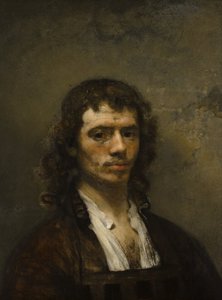
カレル・ファブリティウス
1622 - 1654 , オランダ
プロフィール概要
- Artistic Movement Or Style: バロック美術
- Artists Or Movements Influenced By This Artist: ['ヨハネス・フェルメール']
- Artists Who Influenced This Artist: ['レンブラント・ファン・レイン']
- Date Of Birth: 1622年2月27日
- Date Of Death: 1654年10月12日
- Full Name: カレル・ファブリティウス
- Nationality: オランダ人
- Notable Artworks (List Of Titles):
- 「ラザロの復活」
- 「デルフトの眺め」
- 「金鳥」
- Place Of Birth (City And Country): ミッデンベームステル、オランダ

