

 プレビュー
プレビュー
 プリントを購入
 シェアする
シェアする シェアする
シェアする
 詳細を見る
詳細を見る

 ダウンロード
 似ている作品
 X線調査
X線調査 スライドショー
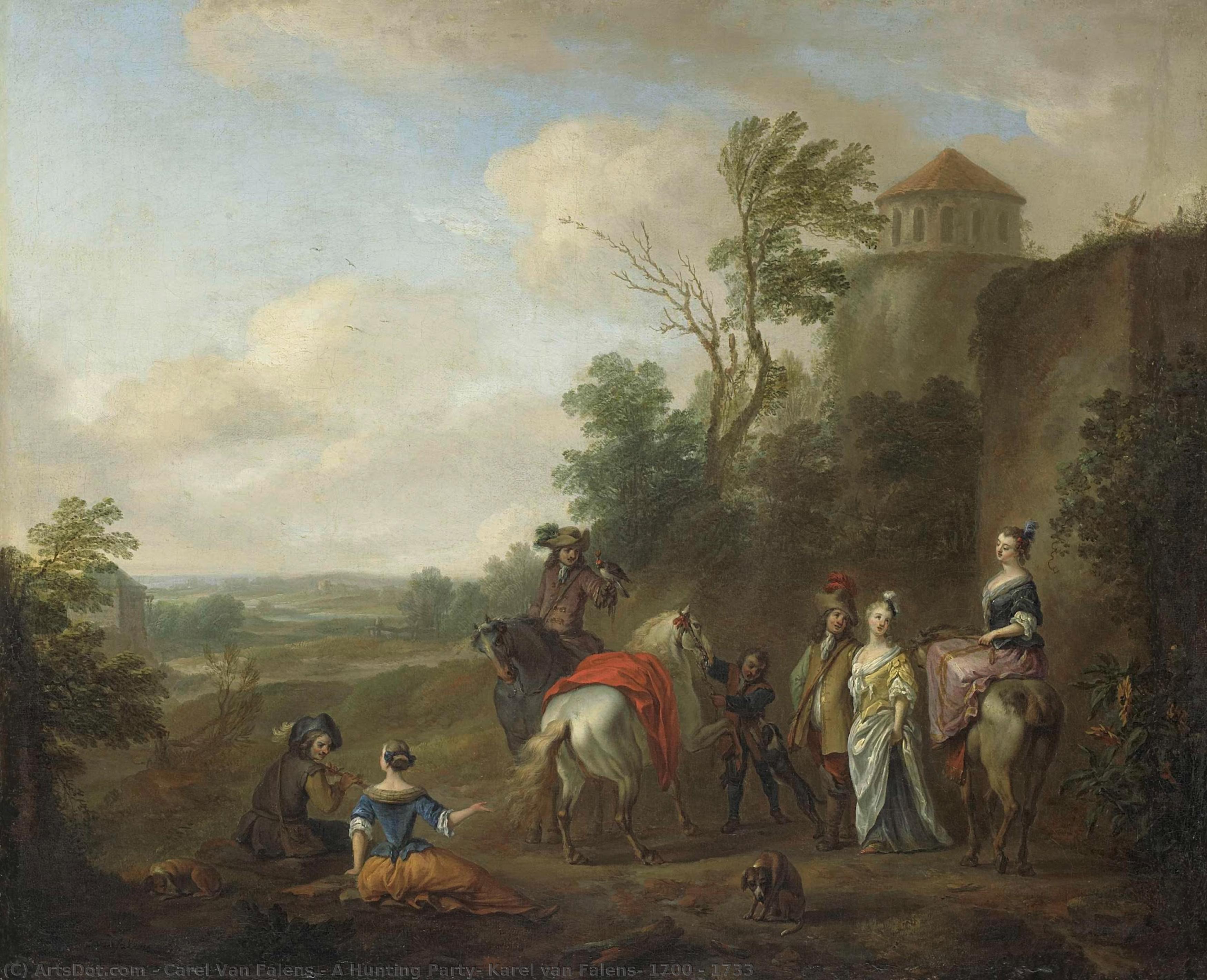
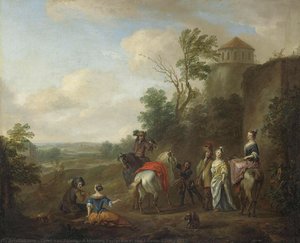
A Hunting Party, Karel van Falens, 1700 - 1733
 1733
1733 55.0 x 65.0 cm
 詳細を見る
詳細を見る




































作品のオリジナル比率に合わせた、当店の規定サイズからお選びください。

特定のフレームやスペースに合わせて、ご希望のサイズをご入力いただけます。選択されたサイズが元の画像の比率と異なる場合、アートワークをトリミングするか、手描きで要素を追加して絵画を拡張いたします。デジタルモックアップ を制作し、制作開始前にご確認(承認)をいただきます。
画面上のプレビューは、実際のトリミングや拡張を正確に反映しているものではありません。最終的な構図は、モックアップによってのみ正確にご確認いただけます。
カスタムサイズもご利用いただけますが、元の比率を維持するためには、あらかじめ用意されたリストからサイズを選択することをお勧めいたします。
ご注文後、ArtsDot.com チームより詳細な指示をお送りするとともに、仕上がりイメージ(モックアップ)をご提供いたします。


 ガラスオプションは、110cm未満のサイズでのみご利用いただけます。

A Hunting Party, Karel van Falens, 1700 - 1733
複製技法
複製画のサイズ
-


合計金額
$ 263
関連作品







アーティストの略歴
The Battle Painter of Flanders: The Life and Legacy of Karel van Falens
In the grand tapestry of the Baroque era, few artists captured the kinetic energy of movement and the structured chaos of cavalry life as vividly as Karel van Falens. Born in Antwerp on November 24, 1683, to Jan Baptist and Maria Anna de Kegel, his early years were steeped in the rich artistic traditions of Flanders. As the son of a captain in the local civil militia, the themes of martial discipline and equestrian prowess were woven into his very upbringing. His formal training began within the prestigious Antwerp Guild of St. Luke, where he studied under Constantijn Francken, a master of battle and portrait painting who had himself served the French court. This early apprenticeship provided the foundational technical rigor that would later allow him to navigate the sophisticated artistic circles of Paris with unparalleled grace.
The trajectory of Van Falens’s life took a definitive turn in 1703 when he relocated to Paris, a move that would reshape his destiny and expand his artistic horizons. While many Flemish artists maintained ties to their homeland, Van Falently embraced the French capital, eventually becoming an integral part of its cultural fabric. His early years in Paris were marked by versatility; he worked as an art restorer and a skilled copyist, immersing himself in the works of masters like Nicolaes van Berchem and Philips Wouwerman. This period of deep study was not merely a way to earn a living but a profound immersion into the Battle Painting style. By replicating the dramatic lighting and meticulous anatomical precision of his predecessors, he refined a technique characterized by rapid, expressive brushstrokes and an almost obsessive attention to the visceral details of equine anatomy and military encampments.
A Master of Motion and Courtly Splendor
As his reputation grew, Van Falens transitioned from a talented copyist to a celebrated creator in his own right. His artistic vision was defined by a unique ability to transform historical and sporting narratives into emotionally charged visual experiences. He specialized in scenes of hunting parties, cavalry encampments, and the spirited movement of horses—subjects that resonated deeply with the aristocratic tastes of the era. His canvases were never static; they pulsated with the terror of combat, the frantic energy of a chase, and the quiet, atmospheric tension of a resting troop. Through theatrical lighting and a masterful command of composition, he could guide the viewer's eye through a landscape filled with both the grandeur of the nobility and the raw, unbridled power of nature.
The pinnacle of his professional achievements arrived with his recognition by the French monarchy and the artistic elite. His ascent within the Académie Royale was nothing short of extraordinary. In 1724, he was named Peintre ordinaire du roi (Ordinary Painter to the King) under Louis XV, a testament to his mastery and the high regard in which he was held by the Bourbon court. The true measure of his prestige, however, was felt by his peers; the hunting scene he submitted for his entrance into the Académie was so highly esteemed that it was hung in the position of honor within the Salle d’assemblée. This rare distinction solidified his status as a premier painter of his generation, capable of blending Flemish realism with the refined elegance of French Baroque aesthetics.
Beyond his official titles, Van Falens lived a life of remarkable stability and social integration in Paris. His marriage in 1716 to Maria Francisca Slodtz, daughter of the renowned sculptor Sebastiaen Slodtz, further anchored him within the upper echelons of the Parisian art world. The couple even resided within the Louvre at the state's expense, a rare privilege that placed them at the very heart of the kingdom's cultural life. When he passed away in Paris on May 26, 1733, he left behind a legacy that bridged two great European traditions, ensuring that the dynamic spirit of the Flemish battle painters would continue to enchant audiences through the centuries.
carel van falens
1683 - 1733 , Belgium
基本情報
- Artistic Movement Or Style: Battle Painting
- Artists Or Movements Influenced By This Artist: Dutch Golden Age
- Artists Who Influenced This Artist: Philips Wouwerman
- Date Of Birth: November 24, 1683
- Full Name: carel van falens
- Nationality: Flemish
- Notable Artworks: ['A Hunting Party']
- Place Of Birth: Antwerp, Belgium

