

 プレビュー
プレビュー
 プリントを購入
 シェアする
シェアする シェアする
シェアする
 詳細を見る
詳細を見る

 ダウンロード
 似ている作品
 X線調査
X線調査 スライドショー
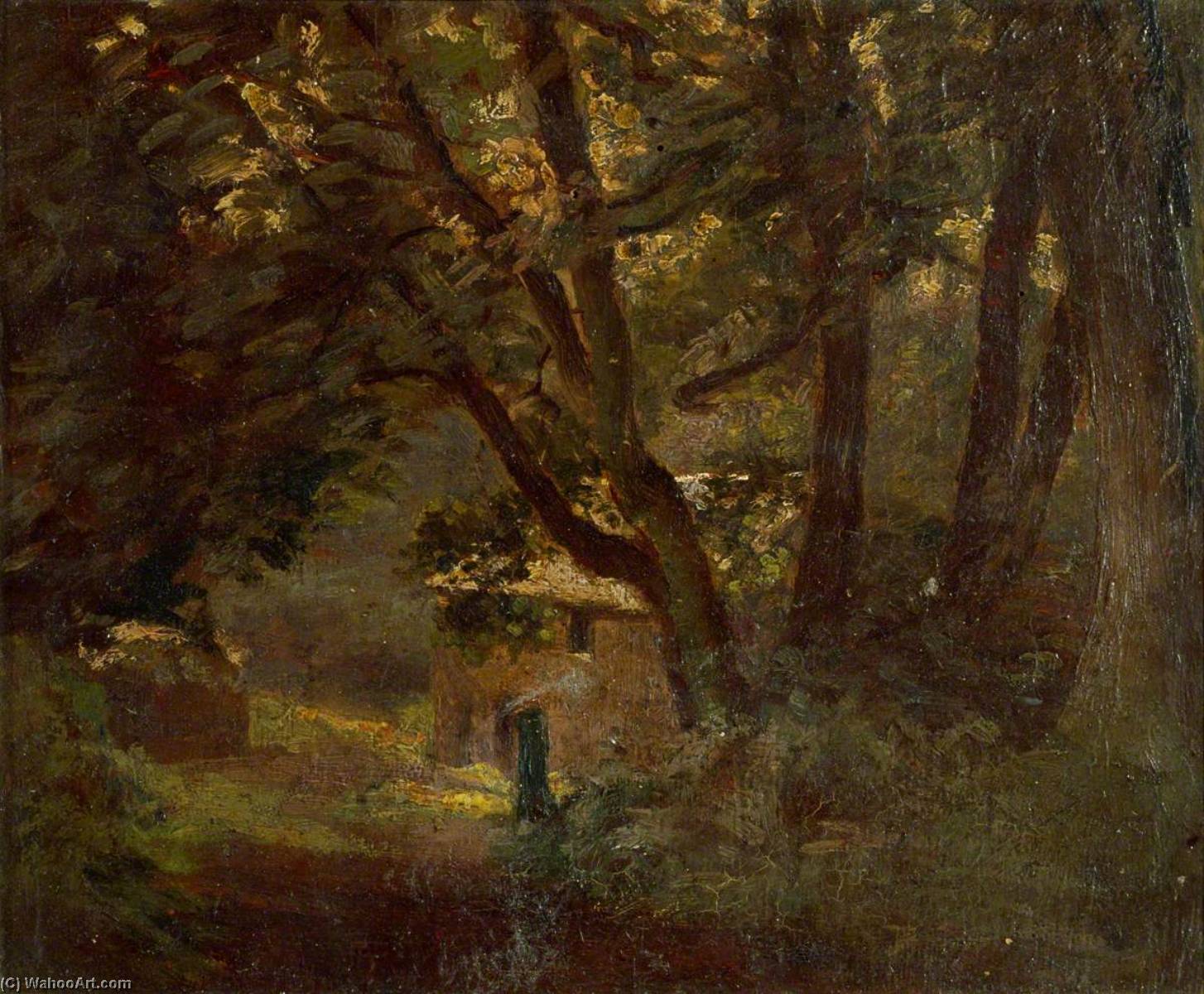
Landscape in Carmarthenshire
 Oil
Oil- WallArt
- Realism
 1910
1910- Modern
 30.0 x 25.0 cm
 Llyfrgell Genedlaethol Cymru / The National Library of Wales
 詳細を見る
詳細を見る




P118B $10

P118H $10

P118W $10

P438Z $10

P508JH $12

P508YH $12

P805H $10

P805Z $10

P919BZ $10

P919G $10

P919XJ $10

P959ZH $10

P968JZ $12

W106C $8

W218G $10

W218JH $8

W218Y $10

W307PJ $10

W316G $10

W316PJ $8

W316Y $10

W398PJ $8

W4111J $10

W500HY $15

W500JH $15

W692G $12

W849H $8

W940BG $15

W953PJ $8




作品のオリジナル比率に合わせた、当店の規定サイズからお選びください。

特定のフレームやスペースに合わせて、ご希望のサイズをご入力いただけます。選択されたサイズが元の画像の比率と異なる場合、アートワークをトリミングするか、手描きで要素を追加して絵画を拡張いたします。デジタルモックアップ を制作し、制作開始前にご確認(承認)をいただきます。
画面上のプレビューは、実際のトリミングや拡張を正確に反映しているものではありません。最終的な構図は、モックアップによってのみ正確にご確認いただけます。
カスタムサイズもご利用いただけますが、元の比率を維持するためには、あらかじめ用意されたリストからサイズを選択することをお勧めいたします。
ご注文後、ArtsDot.com チームより詳細な指示をお送りするとともに、仕上がりイメージ(モックアップ)をご提供いたします。


 ガラスオプションは、110cm未満のサイズでのみご利用いただけます。

Landscape in Carmarthenshire
複製技法
複製画のサイズ
-


合計金額
$ 263
作品解説
A Moment Frozen in the Welsh Wilds
In the quiet, dappled light of a 1910 woodland scene, Carey Boynes Morris invites us into a sanctuary of stillness and life. Landscape in Carmarthenshire is far more than a mere depiction of flora; it is a profound meditation on the relationship between humanity and the natural world. At the heart of this composition stands a solitary figure, a man navigating the verdant depths of a lush forest. His presence serves as an anchor for the viewer, providing a sense of scale and a point of emotional entry into the dense, vibrant greenery that surrounds him. As he moves through the thicket, the painting captures a fleeting, serene moment where the boundaries between the observer and the observed begin to blur.
The atmosphere is one of gentle vitality. Beyond the central figure, the artist subtly weaves in the presence of others—smaller, more distant figures that suggest a shared, communal experience within the landscape, yet they remain secondary to the primary rhythm of the woods. Above this terrestrial scene, two birds take flight, their movement adding a delicate layer of kinetic energy to the composition. This interplay between the grounded, walking man and the soaring birds creates a beautiful tension between stability and freedom, making the forest feel like a living, breathing entity rather than a static backdrop.
Mastery of Light and Welsh Heritage
Technically, this work showcases Morris’s ability to manipulate light and texture to evoke the specific humidity and richness of the Welsh countryside. The artist employs a style that leans into the traditions of the Newlyn School, where an emphasis on naturalism and the honest portrayal of light was paramount. Through careful brushwork, he builds layers of foliage that suggest depth and density, allowing the eye to wander through the shadows and sun-drenched patches of the forest floor. The palette is a sophisticated arrangement of greens, earth tones, and soft highlights that breathe life into the 30 x 25 cm canvas.
For the discerning collector or interior designer, this piece offers a unique opportunity to bring a sense of historical tranquility into a modern space. The painting does not merely decorate a wall; it provides a window into a lost era of pastoral peace. Its intimate scale makes it an ideal focal point for a study, a library, or a curated gallery wall, where its soft textures and evocative subject matter can inspire contemplation. Owning a reproduction of this work means preserving a fragment of Welsh artistic heritage—a piece that celebrates the quiet dignity of life amidst the enduring beauty of the landscape.
関連作品
アーティストの略歴
Carey Boynes Morris: A Welsh Painter of Life and Landscape
Carey Boynes Morris (1882-1968) remains a quietly significant figure in Welsh art, an artist whose work reflects both the rigorous training he received at prestigious institutions and his deep connection to the landscapes and people of his native Carmarthenshire. More than just a painter of picturesque scenes, Morris captured a sense of lived experience—the dignity of military life, the warmth of family relationships, and the enduring spirit of rural Wales—with a remarkable blend of realism and empathy. His legacy lies not in grand pronouncements or revolutionary techniques, but in the subtle power of his observations and the quiet beauty he brought to canvas.
Early Life and Artistic Foundations
Born in Llandeilo in 1882, Carey Morris’s artistic journey began within a family steeped in craftsmanship. His father, Benjamin, was a house painter and decorator, instilling in young Carey an appreciation for the tactile qualities of materials and the meticulousness required to create something beautiful. This practical grounding proved crucial as he later rejected the rigid, mechanistic approach to art education prevalent at the time. Morris’s early years were marked by a rebellious spirit; he famously challenged the Board of Education's prescribed drawing methods, preferring to draw boldly in line rather than meticulously dotting outlines – an act that resulted in corporal punishment and ultimately led his father to withdraw him from school.
This formative experience shaped Morris’s artistic philosophy. He later described the system as “stultifying,” arguing that it stifled individuality and discouraged genuine creative expression. Seeking a more stimulating environment, he enrolled at the Forbes School of Painting in Llandeilo, followed by the Slade School of Art in London under the tutelage of Professor Henry Tonks. Tonks’s emphasis on anatomical study—a surprisingly rigorous approach to art—proved particularly influential, imbuing Morris's portraits with a remarkable sense of three-dimensionality and psychological depth. His time at the Slade also exposed him to the wider artistic world, fostering connections with prominent figures like Frank Brangwyn and Ethelbert White.
Newlyn School and Cornish Influences
Following his studies at the Slade, Morris sought a more informal and vibrant environment, relocating to Newlyn in Cornwall. This period proved transformative, immersing him in a thriving artist community that embraced experimentation and direct engagement with the landscape. The Newlyn School, known for its emphasis on plein air painting and capturing the essence of everyday life, provided Morris with invaluable experience. He developed a distinctive style characterized by loose brushwork, vibrant colors, and an intimate portrayal of Cornish subjects – from weathered fishermen to local women engaged in domestic tasks.
Morris’s time in Cornwall wasn't merely about technique; it was about connection. He forged lasting friendships with fellow artists and became deeply embedded in the local community, documenting their lives and experiences on canvas. The rugged beauty of the Cornish coastline, the warmth of its people, and the rhythms of rural life all found their way into his work, creating a rich tapestry of visual narratives.
Portraiture and Social Commentary
While landscape painting remained a significant part of Morris’s oeuvre, he is perhaps best known for his portraits. His ability to capture the character and dignity of his subjects—ranging from military officers like Colonel Delmé William Campbell Davies-Evans to local figures such as John Johnes of Dolaucothi – reveals a keen eye for detail and an understanding of human psychology. His portraits are not merely likenesses; they are imbued with personality, reflecting the subject’s inner life and social standing.
Morris's work also subtly engaged with social issues. His depiction of Welsh weavers in “The Welsh Weavers” (1910), exhibited in both Wales and America, offered a poignant commentary on the plight of rural artisans facing economic hardship. This painting, along with others like "Boesinghe Chateau," demonstrates his willingness to use his art as a platform for social observation and empathy.
Legacy and Continuing Significance
Carey Boynes Morris’s career spanned several decades, encompassing periods of artistic experimentation, wartime service, and continued dedication to his craft. He remained active in the Welsh arts scene throughout his life, advocating for art and craftsmanship. His work is now held in collections across Wales and beyond, offering a valuable window into the social and cultural landscape of early 20th-century Britain. Morris’s legacy extends beyond his individual paintings; he represents a vital link between artistic tradition and contemporary expression, reminding us of the power of art to illuminate both the beauty and complexity of human experience.
Explore more of Carey Morris's work on ArtsDot.
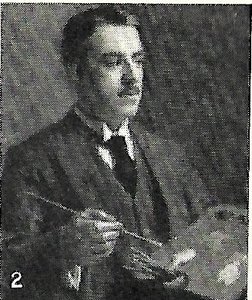
carey boynes morris
1882 - 1968
基本情報
- Artistic Movement Or Style: Landscape/Portrait
- Artists Or Movements Influenced By This Artist: ['Newlyn School']
- Artists Who Influenced This Artist: ['Stanhope Forbes']
- Date Of Birth: 1882-05-17
- Date Of Death: 1968-11-17
- Full Name: Carey Boynes Morris
- Nationality: Welsh
- Notable Artworks:
- Boesinghe Chateau
- Cefn Bryn
- Harbour Scene
- Place Of Birth: Llandeilo, Wales
関連記事
Nature’s Sanctuary: Curating Enchanting Forest Artworks to Transform Your Home into a Serene Woodland Retreat
Transform your home into a serene woodland retreat with enchanting forest artworks. Discover museum-quality oil reproductions and custom landscape commissions designed to bring the peaceful beauty of nature indoors.
The Enchanted Canopy: Exploring Forests in Art History – From Romantic Idealization to Ecological Consciousness
Explore the rich history of forests in art! Discover Romantic masterpieces by Friedrich & Monet, Symbolist depths, and contemporary visions. Find inspiration & quality reproductions at ArtsDot.
Penry Williams: Evoking Welsh Nostalgia Through Impressionistic Landscapes
Explore the captivating world of Penry Williams (1802-1885), a Welsh artist renowned for his evocative Impressionistic landscapes and scenes of Italy. Discover his life, style & legacy with ArtsDot.
Gwen John: Intimacy, Modernity & the Quiet Power of Welsh Portraiture
Explore the captivating world of Gwen John, a pioneering Welsh artist renowned for her intimate portraits & subtle style. Discover her life, legacy, and how to bring her timeless beauty into your home with ArtsDot.
レオナルド・ダ・ヴィンチ:至高の25選 - 芸術、科学、そして不朽の名作の世界
レオナルド・ダ・ヴィンチの至宝25選。モナリザ、最後の晩餐…ルネサンス美術を代表する名画の世界へ。芸術史、技法、そして感動の物語を紐解き、お部屋に飾る高級複製画で特別な空間を。ArtsDot.comで全コレクションをご覧ください。

