 プレビュー
プレビュー
 プリントを購入
 シェアする
シェアする シェアする
シェアする
 詳細を見る
詳細を見る

 ダウンロード
 似ている作品
 X線調査
X線調査 スライドショー
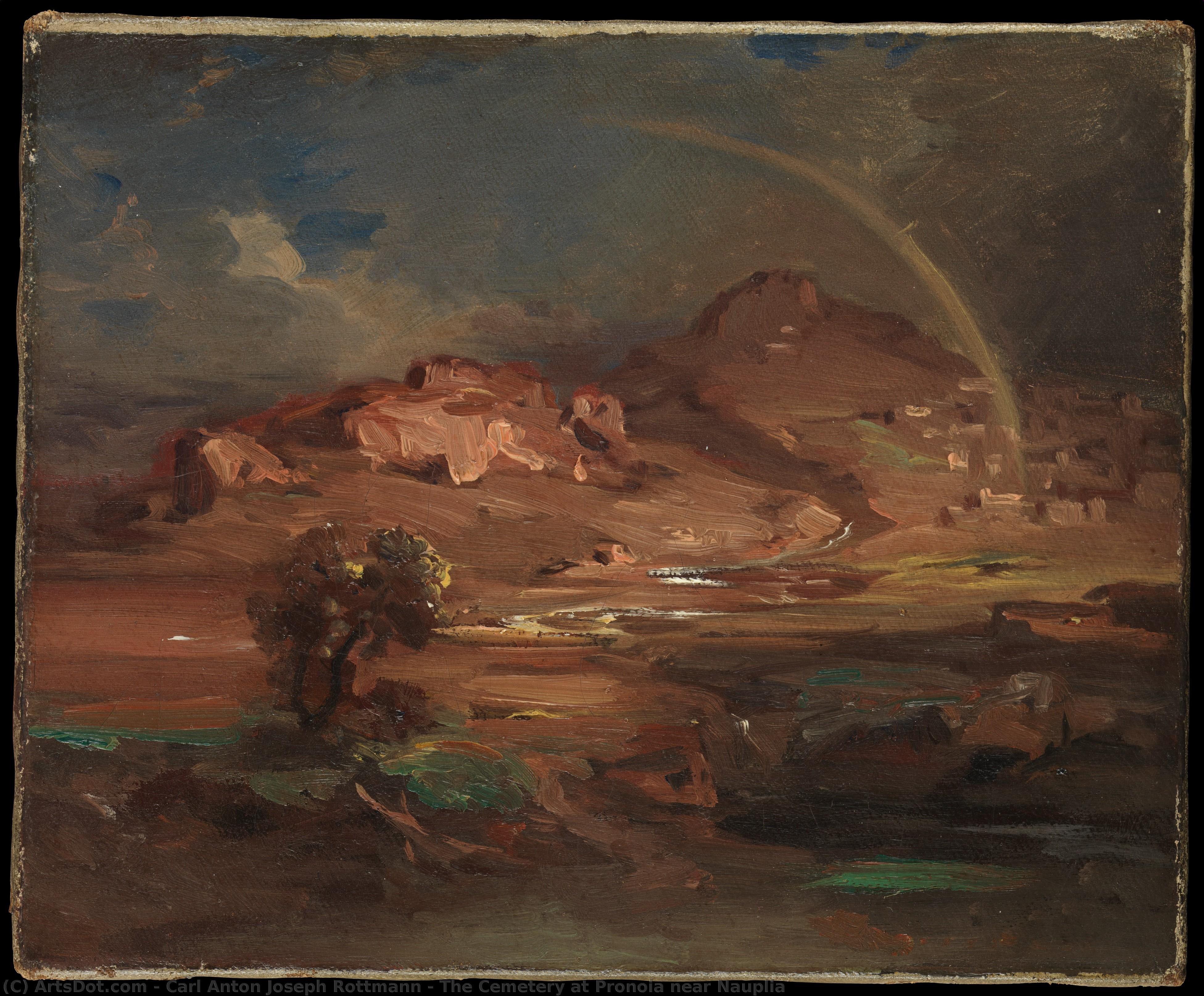
The Cemetery at Pronoia near Nauplia
 Oil On Canvas
- WallArt
- Romanticism
 1841
1841 25.0 x 31.0 cm
 メトロポリタン美術館
 詳細を見る
詳細を見る




P118B $10

P118H $10

P118W $10

P438Z $10

P508JH $12

P508YH $12

P805H $10

P805Z $10

P919BZ $10

P919G $10

P919XJ $10

P959ZH $10

P968JZ $12

W106C $8

W218G $10

W218JH $8

W218Y $10

W307PJ $10

W316G $10

W316PJ $8

W316Y $10

W398PJ $8

W4111J $10

W500HY $15

W500JH $15

W692G $12

W849H $8

W940BG $15

W953PJ $8




作品のオリジナル比率に合わせた、当店の規定サイズからお選びください。

特定のフレームやスペースに合わせて、ご希望のサイズをご入力いただけます。選択されたサイズが元の画像の比率と異なる場合、アートワークをトリミングするか、手描きで要素を追加して絵画を拡張いたします。デジタルモックアップ を制作し、制作開始前にご確認(承認)をいただきます。
画面上のプレビューは、実際のトリミングや拡張を正確に反映しているものではありません。最終的な構図は、モックアップによってのみ正確にご確認いただけます。
カスタムサイズもご利用いただけますが、元の比率を維持するためには、あらかじめ用意されたリストからサイズを選択することをお勧めいたします。
ご注文後、ArtsDot.com チームより詳細な指示をお送りするとともに、仕上がりイメージ(モックアップ)をご提供いたします。


 ガラスオプションは、110cm未満のサイズでのみご利用いただけます。

The Cemetery at Pronoia near Nauplia
複製技法
複製画のサイズ
-


合計金額
$ 263
The Cemetery at Pronoia near Nauplia: A Bavarian Requiem in Shadow and Light
Carl Anton Joseph Rottmann’s “The Cemetery at Pronoia near Nauplia” isn't merely a landscape painting; it’s a carefully constructed meditation on mortality, memory, and the weight of history. Completed around 1846-47 as part of a larger series commissioned by King Ludwig I of Bavaria, this evocative work transports us to a windswept hillside overlooking the ancient burial ground at Pronoia, nestled near the historic fortress town of Nauplia in Greece. Rottmann, a master of Romantic landscape painting, skillfully blends topographical accuracy with an intensely emotional atmosphere, creating an image that resonates far beyond its simple depiction of a graveyard.
The scene unfolds beneath a dramatic, bruised sky – a hallmark of Rottmann’s style and indicative of the turbulent period in which he worked. Dark, swirling clouds dominate the upper portion of the canvas, casting long shadows across the valley below. The mountains rise sharply, their peaks partially obscured by mist, lending an air of solemn grandeur to the landscape. Foreground elements – a solitary tree on the left and another positioned towards the center – provide a grounding presence amidst the vastness, while in the distance, a small village clings precariously to the slopes, hinting at human resilience against the forces of nature.
Historical Context and Royal Patronage
Rottmann’s work was deeply intertwined with the political and artistic currents of Bavaria during the reign of King Ludwig I. The king, a fervent admirer of Greek antiquity and a passionate collector of art, commissioned a series of thirty-eight landscape paintings from Rottmann – a project intended to emulate the grandeur of the Old Masters and celebrate the Bavarian connection to classical ideals. This commission wasn’t simply about creating pretty pictures; it was a deliberate effort to elevate Bavaria's cultural standing on the European stage. The “Pronoia” series, in particular, held significant historical weight, commemorating the bravery of Bavarian soldiers who played a crucial role in suppressing the Ottoman Turks at Nauplia during the Greek War of Independence in 1822.
Technique and Romantic Vision
Rottmann’s technique is characterized by its dramatic use of light and shadow, a key element of Romanticism. He employed a loose, expressive brushstroke – a departure from the more rigid academic styles of the time – to capture the dynamism of the landscape. Notice how he uses atmospheric perspective to create depth; distant elements are rendered in cooler tones and with less detail, suggesting both distance and an ethereal quality. Rottmann’s masterful handling of color is equally noteworthy, particularly his skillful use of blues and grays to convey the mood of melancholy and contemplation that permeates the scene. The painting was executed in oil on canvas, a medium that allowed him to achieve the rich textures and luminous effects he sought.
Symbolism and Emotional Resonance
Beyond its topographical accuracy, “The Cemetery at Pronoia” is laden with symbolic meaning. The cemetery itself represents mortality, remembrance, and the passage of time. The dark clouds overhead evoke a sense of foreboding and loss, while the solitary trees stand as silent witnesses to centuries of history. The inclusion of an airplane in the sky – a relatively modern element within this historical landscape – subtly introduces a theme of progress and change, perhaps suggesting that even amidst the solemnity of death, life continues to evolve. The painting’s overall effect is profoundly moving, inviting viewers to contemplate their own mortality and the enduring power of memory.
Reproductions of “The Cemetery at Pronoia near Nauplia” offer a remarkable opportunity to bring this evocative masterpiece into your home or office. Its dramatic composition and rich color palette will undoubtedly serve as a focal point, adding depth and sophistication to any space. Consider framing the artwork in a dark wood frame to further enhance its somber beauty.
関連作品



アーティストの略歴
The Visionary Landscapes of Carl Rottmann
Born in the tranquil setting of Handschuhsheim, Germany, in 1797, Carl Anton Joseph Rottmann emerged as a profound voice within the movement of German Romanticism. His life and artistry were deeply intertwined with the shifting landscapes of 19th-century Europe, reflecting a period where the sublime beauty of nature met the burgeoning spirit of national identity. Unlike many of his contemporaries who focused on the intimate or the domestic, Rottmann possessed an expansive vision, seeking to capture the monumental scale of the world through sweeping vistas and mythic atmospheres. His journey was one of constant movement, traveling through the rugged terrains of Greece, Italy, and the Bavarian Alps, each location leaving an indelible mark on his palette and his perception of the divine within the natural world.
The development of Rottmann’s style was a masterful evolution from classical precision to a more emotive, atmospheric approach. Influenced by the grand traditions of landscape painting, he moved beyond mere topographical accuracy to embrace the sublime—that specific Romantic quality of awe and terror inspired by the vastness of nature. His technique involved a sophisticated understanding of light and shadow, using them not just to define form, and shape, but to evoke a sense of historical weight and mythic presence. In his hands, a mountain range was never just stone and ice; it was a silent witness to antiquity, a stage for the legends of old. This ability to infuse physical geography with spiritual and historical narrative became the hallmark of his mature period.
A Legacy of Light and Myth
Rottmann’s achievements are most notably seen in his ability to bridge the gap between the tangible world and the realm of imagination. His works often serve as windows into a lost era, where the ruins of ancient civilizations seem to breathe under the soft glow of a Mediterranean sun or the misty shroud of a northern forest. Through his meticulous attention to the interplay of light upon textures—the roughness of weathered stone, the translucency of water, and the softness of clouds—he achieved a level of luminosity that captivated the art world of his time.
The historical significance of his oeuvre lies in its role as a cornerstone of Romantic landscape art. His contributions can be summarized through several key artistic pillars:
- The Synthesis of History and Nature: He pioneered a method of painting where the landscape itself acts as a vessel for historical memory, blending archaeological interest with poetic expression.
- Mastery of Atmospheric Perspective: His use of color temperature and clarity to create depth allowed viewers to feel immersed in the vastness of his depicted scenes.
- Cultural Documentation: Through his travels, he provided a visual record of the European landscapes that were central to the Romantic identity, particularly the Greek and Bavarian vistas.
Ultimately, the work of Carl Rottmann remains a testament to the power of the gaze to transform the ordinary into the extraordinary. He did not merely paint what he saw; he painted what he felt in the presence of greatness. His legacy continues to resonate with those who find beauty in the monumental and meaning in the silent, enduring features of our earth, ensuring his place as a vital figure in the tapestry of 19th-century European art.
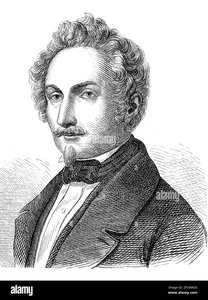
carl anton joseph rottmann
1797 - 1850 , Germany
基本情報
- Artistic Movement Or Style: Romanticism, Neoclassicism
- Artists Or Movements Influenced By This Artist:
- Joshua Reynolds
- Romanticism
- Artists Who Influenced This Artist:
- Janys Zedres
- Rembrandt
- Date Of Birth: September 3, 1734
- Date Of Death: August 29, 1797
- Full Name: Joseph Wright of Derby
- Nationality: English
- Notable Artworks:
- An Experiment on a Bird in the Air Pump
- The Slaughtered Horse
- A Man Defending His Cart
- Place Of Birth: Derby, England
関連記事
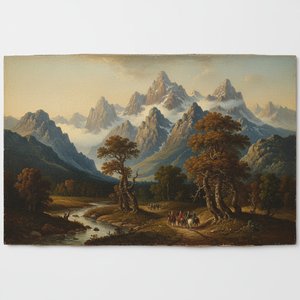
Majestic Peaks on Canvas: A Historical & Artistic Exploration of Mountains in Fine Art
Explore the history of mountain painting! Discover Romantic masterpieces & key artists like Dahl & Calame. Learn about the Sublime & Picturesque aesthetics and find your perfect artwork at ArtsDot.

葛飾北斎:25の傑作が語る浮世絵の世界 - ArtsDot
葛飾北斎の25選:『神奈川沖浪裏』や『富嶽三十六景』など、浮世絵の世界を深く探求。木版画の技法と日本美術の美をArtsDotで。高品質なアートプリントで空間に感動を。コレクションはこちら。
ハドソン・リバー派を彩る至宝:10選が示すアメリカ絵画の黄金時代
ハドソン・リバー派の至宝10選を紐解き、アメリカ絵画の黄金時代へ。壮大な自然描写と巨匠たちの技が織りなす感動の世界を体験してください。トーマス・コールからチャーチまで、ArtsDot.comで高品質なアートプリントとインテリアアイデアを見つけましょう。
Nicholas Roerich: Mysticism, Mountains & the Search for Ageless Wisdom in Art
Explore the captivating art of Nicholas Roerich – a visionary painter whose Himalayan landscapes blend spiritual mysticism with cultural preservation. Discover his legacy & symbolism.