

 プレビュー
プレビュー
 プリントを購入
 シェアする
シェアする シェアする
シェアする
 詳細を見る
詳細を見る

 ダウンロード
 似ている作品
 X線調査
X線調査 スライドショー
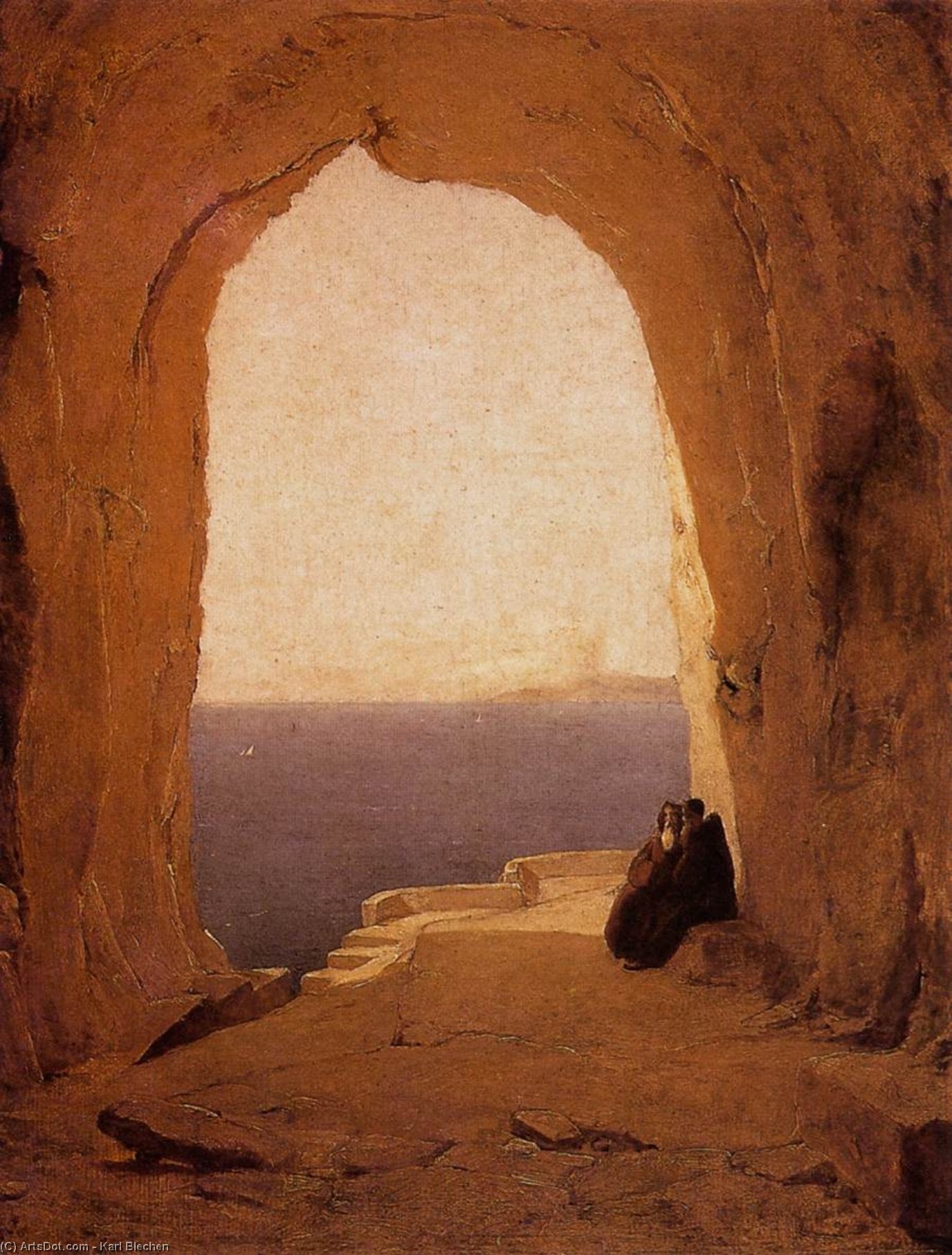
Grotto in the Gulf of Naples
 Oil On Canvas
- WallArt
- Romantic Industrialization
 1829
1829 37.0 x 29.0 cm
 ウォールラフ・リヒャルトス美術館
 詳細を見る
詳細を見る
オンラインプレビューをはるかに凌ぐ、高解像度で鮮明なデジタル画像をご購入いただけます。
各ファイルは、社内の専門家が高度なツールと熟練した手作業によるレタッチを用いて、細心の注意を払って準備されています。すべての画像において、卓越した鮮明度、正確な色彩再現性、そして繊細なディテールを保証いたします。
最終ファイルは、プロフェッショナルな編集・印刷環境ですぐにご利用いただけるよう最適化された状態で、72時間以内にメールにてお届けいたします。これは、一流のデザインスタジオ、出版社、ギャラリーから信頼されているものと同等の品質です。
デジタル画像のご注文に付随する特典
高品質なデジタル画像配信を、確かな品質で。
ArtsDot.com を選ぶことは、単に画像を手に入れることではありません。それは、プロの手によって精密に仕上げられ、満足保証が付いた高品質なデジタルアートワークを受け取ることを意味します。ご注文いただいた際に自動的に付随する内容は、以下の通りです:

メールですぐにお届け
ご注文から72時間以内に、高解像度のデジタル画像ファイルがメールでお手元に届きます。すぐにそのままご利用いただけます。

AI技術で最適化されたデジタルファイル
お客様の作品は、高度なAIツールと専門家による手作業の編集を組み合わせてプロフェッショナルに最適化されており、細部のディテール、鮮明さ、そして正確な色再現性を最大限に引き出しています。

一生涯無料の再送サービス
ファイルを誤って削除したり、紛失してしまったりしましたか?ご安心ください。いつでも無料で再送いたします。

輸入手数料は一切かかりません
関税や手数料、配送料を気にすることなく、お気に入りのアートワークをすぐにお楽しみいただけます。デジタルダウンロードは常に免税です。

色彩再現の保証
プロ仕様のツールとカラーマネジメント技術を用いることで、デジタル画像が元の色を最大限に忠実に再現することを保証いたします。

60日間満足保証
ご購入いただいたデジタル画像にご満足いただけない場合は、60日以内であれば、修正または100%の返金(理由を問う必要はありません)をさせていただきます。

100% 返金保証
ご満足いただけない場合は、デジタルファイルを受け取ってから60日以内であれば、理由を問わず全額返金いたします。

まとめ買い割引
3枚購入で10%OFF - 5枚購入で15%OFF - 10枚以上購入で20%OFF。クリエイティブなプロジェクト、ギャラリー、エージェンシーに最適です。
作品の詳細
A Pioneer's Vision of Tranquility: Exploring Carl Blechen’s “Grotto in the Gulf of Naples”
Carl Blechen (1798-1840) stands as an intriguing figure within Romantic landscape painting, a composer who dared to harmonize the burgeoning industrial age with the sublime beauty of nature—a feat remarkably uncommon for his peers. Initially destined for a life of financial stability through banking, Blechen’s artistic passion ultimately eclipsed pragmatic ambitions, propelling him toward a transformative journey into art history. His formative years were deeply influenced by Romantic ideals, yet he distinguished himself from many contemporaries by prioritizing observation and capturing the palpable shift occurring in Europe's visual culture. Blechen’s fascination with Naples stemmed from his profound engagement with the Romantic movement’s core tenets—a yearning for unspoiled wilderness juxtaposed against the encroaching presence of urbanization. Unlike artists preoccupied solely with idealized pastoral scenes or grand historical narratives, Blechen sought to portray the realities of a world undergoing rapid transformation, documenting the effects of industrial progress on the natural environment. This dedication is vividly realized in “Grotto in the Gulf of Naples,” painted in 1829 and housed at the Wallraf-Richartz Museum in Cologne.Subject Matter and Composition
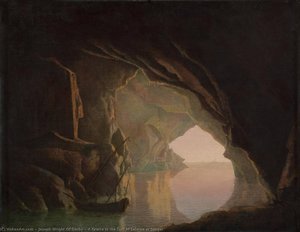
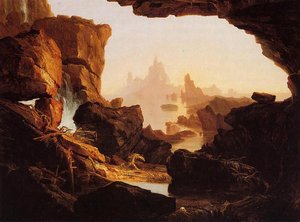
The painting depicts a serene cave nestled along the coastline of the Gulf of Salerno, Italy. Blechen meticulously captures the interplay of light and shadow within the cavern’s interior, skillfully utilizing chiaroscuro—a technique championed by Caravaggio—to heighten dramatic effect. Two figures are positioned on rocky outcrops overlooking the ocean, embodying contemplation and connection with the surrounding landscape. A distant sailboat adds depth to the scene, subtly reinforcing the sense of expansive space and tranquility. Blechen's deliberate composition emphasizes harmony between human presence and natural grandeur.Style and Technique
Blechen’s style is characterized by its expressive realism—a departure from the polished idealism prevalent in much Romantic art. He eschewed smooth brushstrokes and meticulous detail, favoring instead textured surfaces that convey a palpable sense of atmosphere. Blechen's palette leans toward muted tones—greens, blues, and browns—reflecting the subdued hues of the Mediterranean environment. The artist’s masterful handling of color contributes significantly to the painting’s emotional resonance, conveying both coolness and warmth simultaneously.Historical Context and Symbolism
“Grotto in the Gulf of Naples” emerged during a pivotal moment in European history: the Romantic Industrial Revolution. Blechen's decision to depict this landscape wasn’t merely aesthetic; it represented a conscious effort to grapple with the anxieties surrounding industrial expansion—the displacement of rural life by urban centers and the perceived degradation of natural beauty. The cave itself symbolizes refuge from societal pressures, while the ocean embodies boundless possibility and spiritual renewal. Blechen’s work serves as a poignant reminder that even amidst rapid change, moments of profound serenity and connection with nature endure.Emotional Impact
The painting evokes feelings of peace, contemplation, and wonder. Blechen's masterful use of light and color transports viewers to the shores of Italy, inviting them to immerse themselves in the beauty of the natural world. The figures’ posture conveys a quiet dignity—a suggestion that true fulfillment lies not in conquering nature but in harmonizing with its rhythms. “Grotto in the Gulf of Naples” remains an enduring testament to Blechen's artistic vision and his ability to capture the emotional essence of Romantic idealism blended with the realities of industrial progress.関連作品

作家の略歴
カール・ブレヒェンの生涯と芸術:ロマン主義工業化の先駆者
1798年にドイツのコットブスで生まれたカール・エドゥアルト・フェルディナンド・ブレヒェンは、風景画の伝統の中で独特かつ見過ごされがちな位置を占めています。彼の人生は、芸術的な才能と個人的な苦悩の両方によって特徴づけられ、その二面性が彼の感動的で画期的な作品に深く影響を与えました。当初、家族の経済状況から銀行員の現実的なキャリアに進む運命でしたが、ブレヒェンの生まれつきの芸術的傾向が最終的に優勢となりました。1822年にベルリン美術アカデミーに入学し、初期の工業化がもたらす美的課題—そして可能性—に取り組むことになった道へと進みます。
ブレヒェンが形成期に触れたのは、ヨーロッパ全体を席巻していたロマン主義の理想でした。しかし、彼と同時代の多くの画家たちが理想化された自然美や歴史的な壮大さに焦点を当てていたのに対し、ブレヒェンの視線は変化する世界に向けられていました。1828年から1829年までのイタリアへの重要な旅は、転換点となりました。イタリアの田園地帯の光と雰囲気に浸り、彼はプレネール・スケッチのスキルを磨き、卓越した感性でつかの間の瞬間や劇的な効果をとらえました。これらのスケッチは単なる準備研究ではありませんでした。それは彼の成熟したスタイルを特徴づける鮮やかなエネルギーが込められていました。彼はベルリンに、技術的に熟練した画家としてだけでなく、自然の崇高な美しさと迫りくる現代性の現実を調和させようとする独自のビジョンを持つ芸術家として帰還しました。
伝統と変革の間で
ブレヒェンの芸術的アウトプットは、ロマン主義的な感性と萌芽するリアリズムの間の説得力のある緊張によって特徴づけられます。彼は勃興する工業景観を描くことをためらいませんでしたが、それを無批判的に称賛することもしませんでした。1830年から1832年に描かれた悪魔の橋の建設 (Bau der Teufelsbrücke)は、このアプローチを例証しています。この絵画はエンジニアリングの偉業を美化するのではなく、劇的な背景の中で困難な労働の場面を描き、人間の野心と自然秩序を混乱させる可能性を示唆しています。彼の時代特有の複雑さに立ち向かう意欲は、同時代の多くの画家たちから彼を際立たせています。
彼の風景画にはしばしば憂鬱な雰囲気があり、変化する物理的環境だけでなく、彼自身の内面の葛藤も反映されています。たとえば、シュパンダウの森の道 (Waldweg bei Spandau)は、孤独と内省の感覚を呼び起こし、同時にブレヒェンの光と影の習熟度を示しています。彼は大気遠近法を巧みに使用して奥行きとムードを作り出し、鑑賞者をシーンに引き込み、熟考を促しました。彼は単に見ているものを記録していたのではありません。それに対して、それに対する感情的な反応を伝えていました。
苦悩の天才と永続的な遺産
芸術的業績にもかかわらず、ブレヒェンの人生は悲劇的に精神疾患によって短く切り捨てられました。1831年にベルリンアカデミーの風景画教授に任命された—彼の高まる評判の証—彼の状態は1835年以降急速に悪化し始めました。休暇を取り、最終的には入院を余儀なくされましたが、彼は苦悩の中でも芸術を作り続け、彼の苦悩の内なる世界を垣間見ることができる痛ましいドローイングを生み出しました。彼は41歳でベルリンで亡くなりました。
彼のキャリアは比較的短いものでしたが、カール・ブレヒェンの後世の世代の芸術家たちへの影響は否定できません。工業景観の先駆的な描写は、後に現実主義者や印象派の画家たちが現代生活の変化をとらえようとした道を開きました。彼は変革の中でも美しさ—そして意味—を見つけることが可能であることを示しました。それは今日でも芸術家に響き続ける教訓です。彼の作品は、人間と自然と進歩の関係の複雑さを思い起こさせる強力なリマインダーであり続けています。
主要な作品とコレクション
- ベルリン動物園 (Im Berliner Tiergarten), 1825:ロマン主義的な感性で大気効果や日常のシーンをとらえる彼の初期の能力の例。
- シュパンダウの森の道 (Waldweg bei Spandau):光、影、ムードの習熟度を例証する幽玄な風景画。
- 悪魔の橋の建設 (Bau der Teufelsbrücke), 1830–32:初期の工業化の画期的な描写であり、人間の野心とその自然界への影響の両方を示しています。
今日、ブレヒェンの作品は、ドイツのビーレフェルト美術館、ケンブリッジのフィッツウィリアム美術館、ロンドンのナショナル・ギャラリーなど、世界中の著名な博物館コレクションに見られます。これらの機関は彼の遺産を未来の世代のために保存し、彼の革新的なビジョンが鑑賞者に刺激と挑戦を与え続けることを保証しています。
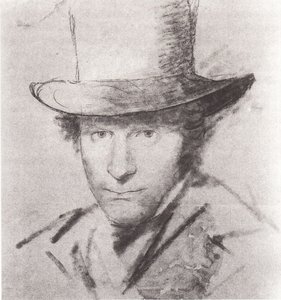
カール・ブレヒェン
1798 - 1840 , ドイツ
プロフィール概要
- Artistic Movement Or Style: ロマン主義
- Artists Who Influenced This Artist:
- カスパール・ダーヴィト・フリードリヒ
- ヨハン・クリスチャン・ダール
- Date Of Birth: 1798年7月29日
- Date Of Death: 1840年7月23日
- Full Name: カール・エドゥアルト・フェルディナント・ブレヒェン
- Nationality: ドイツ人
- Notable Artworks (List Of Titles):
- ベルリンの動物園
- シュパンダウの森の道
- 悪魔の橋の建設
- Place Of Birth (City And Country): コットブス、ドイツ

