

 プレビュー
プレビュー
 シェアする
シェアする シェアする
シェアする
 詳細を見る
詳細を見る

 ダウンロード
 似ている作品
 X線調査
X線調査 スライドショー
 Stats
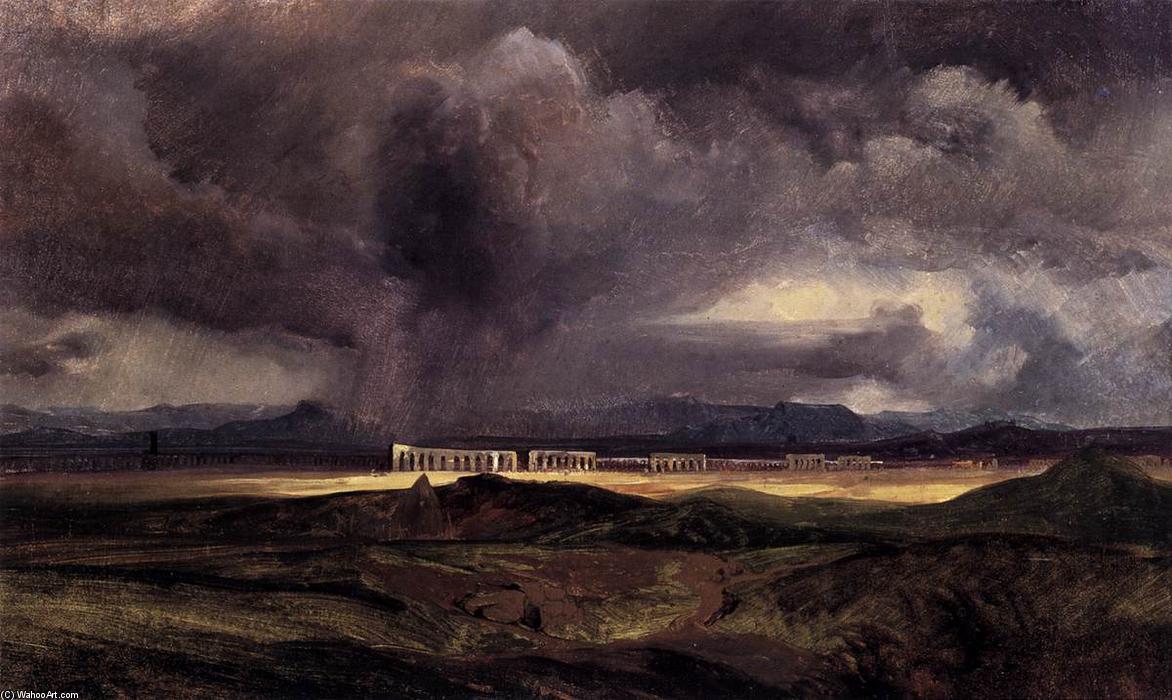
StatsStormy Weather over the Roman Campagna
 Oil On Canvas
- WallArt
- Romanticism
 1829
1829 28.0 x 45.0 cm
 ナショナル・ギャラリー
 詳細を見る
詳細を見る
ジークレー/アートプリント
迅速な制作と多彩な仕上げオプションを備えた、ミュージアムクオリティのジークレーまたはキャンバスプリント。 ( 手描きの絵画を購入 Switch to Digital Image)




P118B $10

P118H $10

P118W $10

P438Z $10

P508JH $12

P508YH $12

P805H $10

P805Z $10

P919BZ $10

P919G $10

P919XJ $10

P959ZH $10

P968JZ $12

W106C $8

W218G $10

W218JH $8

W218Y $10

W307PJ $10

W316G $10

W316PJ $8

W316Y $10

W398PJ $8

W4111J $10

W500HY $15

W500JH $15

W692G $12

W849H $8

W940BG $15

W953PJ $8




作品のオリジナル比率に合わせた、当店の規定サイズからお選びください。

特定のフレームやスペースに合わせて、ご自身でサイズを指定することも可能です。選択されたサイズが元の画像の比率と一致しない場合、作品をトリミングするか、鏡面反射または単色での塗りつぶしによって画像を拡張いたします。制作を開始する前に、ご確認用のデジタルモックアップをお送りいたします。
画面上のプレビューには、実際のトリミングや拡張は反映されませんのでご注意ください。最終的な構図を正確に確認できるのは、モックアップのみとなります。
カスタムサイズも承っておりますが、元の比率を維持するためには、あらかじめ用意されたリストからサイズを選択することをお勧めいたします。


 ガラスオプションは、110cm未満のサイズでのみご利用いただけます。

Stormy Weather over the Roman Campagna
ジークレー/アートプリント
複製画のサイズ
-


合計金額
$ 62
A Pioneer's Vision Amidst Industrial Change: Exploring Carl Blechen’s “Stormy Weather over the Roman Campagna”
Carl Blechen stands apart from many of his Romantic contemporaries, not merely as an artist but as a prophet of a burgeoning era – industrialization. Born in Cottbus, Germany, in 1798, he defied expectations of a secure financial future to pursue his artistic passions at the Berlin Academy of Arts in 1822, embarking on a journey that would redefine landscape painting and grapple with its evolving role in society. This formative experience instilled within him a unique perspective: one attuned not only to sublime beauty but also to the unsettling realities of a world transforming under the relentless march of machinery. Blechen’s artistic breakthrough arrived swiftly, fueled by an unforgettable trip to Italy in 1828. It was during this voyage that he conceived “Stormy Weather over the Roman Campagna,” a painting that encapsulates his distinctive aesthetic vision and foreshadowed the stylistic innovations of the coming decades. Unlike artists preoccupied with idealized pastoral landscapes or heroic narratives, Blechen turned his gaze toward the dramatic interplay between nature and human presence – specifically, the crumbling grandeur of ancient Greek ruins beneath a tempestuous sky. This deliberate choice wasn’t simply an artistic preference; it represented a profound engagement with the anxieties and aspirations of his time.The Landscape as Symbol: Romanticism Revisited
“Stormy Weather over the Roman Campagna” exemplifies the core tenets of Romantic landscape painting, yet Blechen transcends conventional stylistic tropes. The painting's dominant horizontal lines – the horizon, the undulating hills, and the imposing buildings – establish a sense of vastness and scale, mirroring the expansive ambitions of the Industrial Revolution. However, Blechen doesn’t portray nature as purely benevolent; instead, he depicts it as formidable and indifferent to human endeavors. The turbulent sky, rendered with thick brushstrokes and impasto technique, conveys an overwhelming feeling of power and instability – a visual metaphor for the disruptive forces reshaping Europe. Atmospheric perspective skillfully diminishes the distance between the ruins and the distant mountains, emphasizing the insignificance of human structures against the immensity of geological time.Technique and Impressionistic Hints
Blechen’s masterful execution reveals subtle influences that anticipate Impressionism. The artist utilizes visible brushwork to build up layers of color and texture, prioritizing expressive gesture over meticulous detail. Unlike Academic painters who sought to capture precise representations of reality, Blechen aimed to convey mood and emotion—a core principle of Impressionist art. The muted palette – dominated by browns, grays, and purples – reinforces the painting’s melancholic tone and underscores its symbolic significance: the ruins stand as a poignant reminder of human mortality and the inevitable decay that accompanies all earthly achievements.A Reflection on Time and Decay
The painting's central motif—the crumbling Roman Campagna—is laden with symbolism. Blechen deliberately juxtaposes the decaying remnants of classical civilization with the turbulent forces of nature, prompting contemplation about the cyclical patterns of history and the ultimate triumph of time over human ambition. The dramatic lighting – deep shadows punctuated by fleeting glimpses of sunlight – amplifies this sense of unease and underscores the vulnerability of human endeavors against the backdrop of geological grandeur. “Stormy Weather over the Roman Campagna” remains a testament to Blechen’s artistic courage—his willingness to confront both beauty and despair, and his pioneering role in shaping the visual language of Romantic industrialization.関連作品
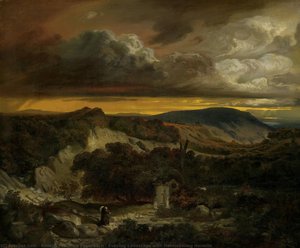
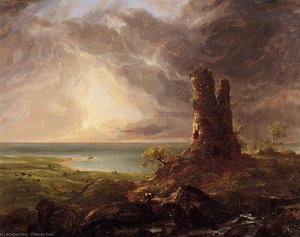
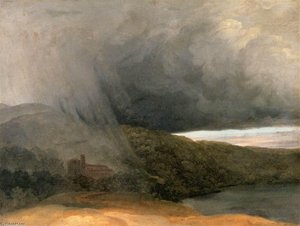
アーティストの略歴
カール・ブレヒェンの生涯と芸術:ロマン主義工業化の先駆者
1798年にドイツのコットブスで生まれたカール・エドゥアルト・フェルディナンド・ブレヒェンは、風景画の伝統の中で独特かつ見過ごされがちな位置を占めています。彼の人生は、芸術的な才能と個人的な苦悩の両方によって特徴づけられ、その二面性が彼の感動的で画期的な作品に深く影響を与えました。当初、家族の経済状況から銀行員の現実的なキャリアに進む運命でしたが、ブレヒェンの生まれつきの芸術的傾向が最終的に優勢となりました。1822年にベルリン美術アカデミーに入学し、初期の工業化がもたらす美的課題—そして可能性—に取り組むことになった道へと進みます。
ブレヒェンが形成期に触れたのは、ヨーロッパ全体を席巻していたロマン主義の理想でした。しかし、彼と同時代の多くの画家たちが理想化された自然美や歴史的な壮大さに焦点を当てていたのに対し、ブレヒェンの視線は変化する世界に向けられていました。1828年から1829年までのイタリアへの重要な旅は、転換点となりました。イタリアの田園地帯の光と雰囲気に浸り、彼はプレネール・スケッチのスキルを磨き、卓越した感性でつかの間の瞬間や劇的な効果をとらえました。これらのスケッチは単なる準備研究ではありませんでした。それは彼の成熟したスタイルを特徴づける鮮やかなエネルギーが込められていました。彼はベルリンに、技術的に熟練した画家としてだけでなく、自然の崇高な美しさと迫りくる現代性の現実を調和させようとする独自のビジョンを持つ芸術家として帰還しました。
伝統と変革の間で
ブレヒェンの芸術的アウトプットは、ロマン主義的な感性と萌芽するリアリズムの間の説得力のある緊張によって特徴づけられます。彼は勃興する工業景観を描くことをためらいませんでしたが、それを無批判的に称賛することもしませんでした。1830年から1832年に描かれた悪魔の橋の建設 (Bau der Teufelsbrücke)は、このアプローチを例証しています。この絵画はエンジニアリングの偉業を美化するのではなく、劇的な背景の中で困難な労働の場面を描き、人間の野心と自然秩序を混乱させる可能性を示唆しています。彼の時代特有の複雑さに立ち向かう意欲は、同時代の多くの画家たちから彼を際立たせています。
彼の風景画にはしばしば憂鬱な雰囲気があり、変化する物理的環境だけでなく、彼自身の内面の葛藤も反映されています。たとえば、シュパンダウの森の道 (Waldweg bei Spandau)は、孤独と内省の感覚を呼び起こし、同時にブレヒェンの光と影の習熟度を示しています。彼は大気遠近法を巧みに使用して奥行きとムードを作り出し、鑑賞者をシーンに引き込み、熟考を促しました。彼は単に見ているものを記録していたのではありません。それに対して、それに対する感情的な反応を伝えていました。
苦悩の天才と永続的な遺産
芸術的業績にもかかわらず、ブレヒェンの人生は悲劇的に精神疾患によって短く切り捨てられました。1831年にベルリンアカデミーの風景画教授に任命された—彼の高まる評判の証—彼の状態は1835年以降急速に悪化し始めました。休暇を取り、最終的には入院を余儀なくされましたが、彼は苦悩の中でも芸術を作り続け、彼の苦悩の内なる世界を垣間見ることができる痛ましいドローイングを生み出しました。彼は41歳でベルリンで亡くなりました。
彼のキャリアは比較的短いものでしたが、カール・ブレヒェンの後世の世代の芸術家たちへの影響は否定できません。工業景観の先駆的な描写は、後に現実主義者や印象派の画家たちが現代生活の変化をとらえようとした道を開きました。彼は変革の中でも美しさ—そして意味—を見つけることが可能であることを示しました。それは今日でも芸術家に響き続ける教訓です。彼の作品は、人間と自然と進歩の関係の複雑さを思い起こさせる強力なリマインダーであり続けています。
主要な作品とコレクション
- ベルリン動物園 (Im Berliner Tiergarten), 1825:ロマン主義的な感性で大気効果や日常のシーンをとらえる彼の初期の能力の例。
- シュパンダウの森の道 (Waldweg bei Spandau):光、影、ムードの習熟度を例証する幽玄な風景画。
- 悪魔の橋の建設 (Bau der Teufelsbrücke), 1830–32:初期の工業化の画期的な描写であり、人間の野心とその自然界への影響の両方を示しています。
今日、ブレヒェンの作品は、ドイツのビーレフェルト美術館、ケンブリッジのフィッツウィリアム美術館、ロンドンのナショナル・ギャラリーなど、世界中の著名な博物館コレクションに見られます。これらの機関は彼の遺産を未来の世代のために保存し、彼の革新的なビジョンが鑑賞者に刺激と挑戦を与え続けることを保証しています。
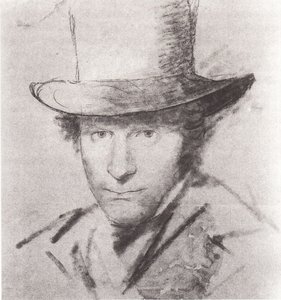
カール・ブレヒェン
1798 - 1840 , ドイツ
基本情報
- Artistic Movement Or Style: ロマン主義
- Artists Who Influenced This Artist:
- カスパール・ダーヴィト・フリードリヒ
- ヨハン・クリスチャン・ダール
- Date Of Birth: 1798年7月29日
- Date Of Death: 1840年7月23日
- Full Name: カール・エドゥアルト・フェルディナント・ブレヒェン
- Nationality: ドイツ人
- Notable Artworks (List Of Titles):
- ベルリンの動物園
- シュパンダウの森の道
- 悪魔の橋の建設
- Place Of Birth (City And Country): コットブス、ドイツ
関連記事

Evocations of Place: A Historical Journey Through Landscape Art
Explore the rich history of landscape art with ArtsDot. Discover renowned artists, movements like Impressionism & Romanticism, and expert guidance for collecting timeless pieces. Find your perfect serene escape today!

ジョン・コンスタブルの傑作25選:英国風景画の巨匠が描く自然と光の詩 | ArtsDot
ジョン・コンスタブルの傑作25選。英国風景画の巨匠が描く自然と光の詩の世界へ。ロマン主義を代表する絵画、デダム・ヴェールやヘイ・ウェインなど、ArtsDotで高品質なアートプリントをお楽しみください。インテリアに深みと感動を。コレクションはこちら。
Evoking Nature's Sublime: A Comprehensive Exploration of 19th-Century Landscape Painting
Explore the captivating world of 19th-century landscape painting! Discover renowned artists like Friedrich & Monet, key movements, and find the perfect artwork to bring nature's serenity into your home. Expert insights at ArtsDot.
The Sublime and the Picturesque: Exploring Emotion & Nature in Romantic Landscape Painting
Explore the emotional power of Romantic landscape painting! Discover the sublime & picturesque traditions, key artists like Friedrich & Cole, and find your perfect artwork at ArtsDot.

ロマン派ランドスケープ:時代を彩る巨匠の10選|アートとインテリアの世界
ロマン派絵画の時代を彩る10選。巨匠たちの風景が織りなす感動の世界へ。ターナー、ルーベンスなど、名作の裏話と高精細複製でアートをお部屋に。ArtsDot.comで至福のアート体験を。