

 プレビュー
プレビュー
 シェアする
シェアする シェアする
シェアする
 詳細を見る
詳細を見る

 ダウンロード
 似ている作品
 X線調査
X線調査 スライドショー
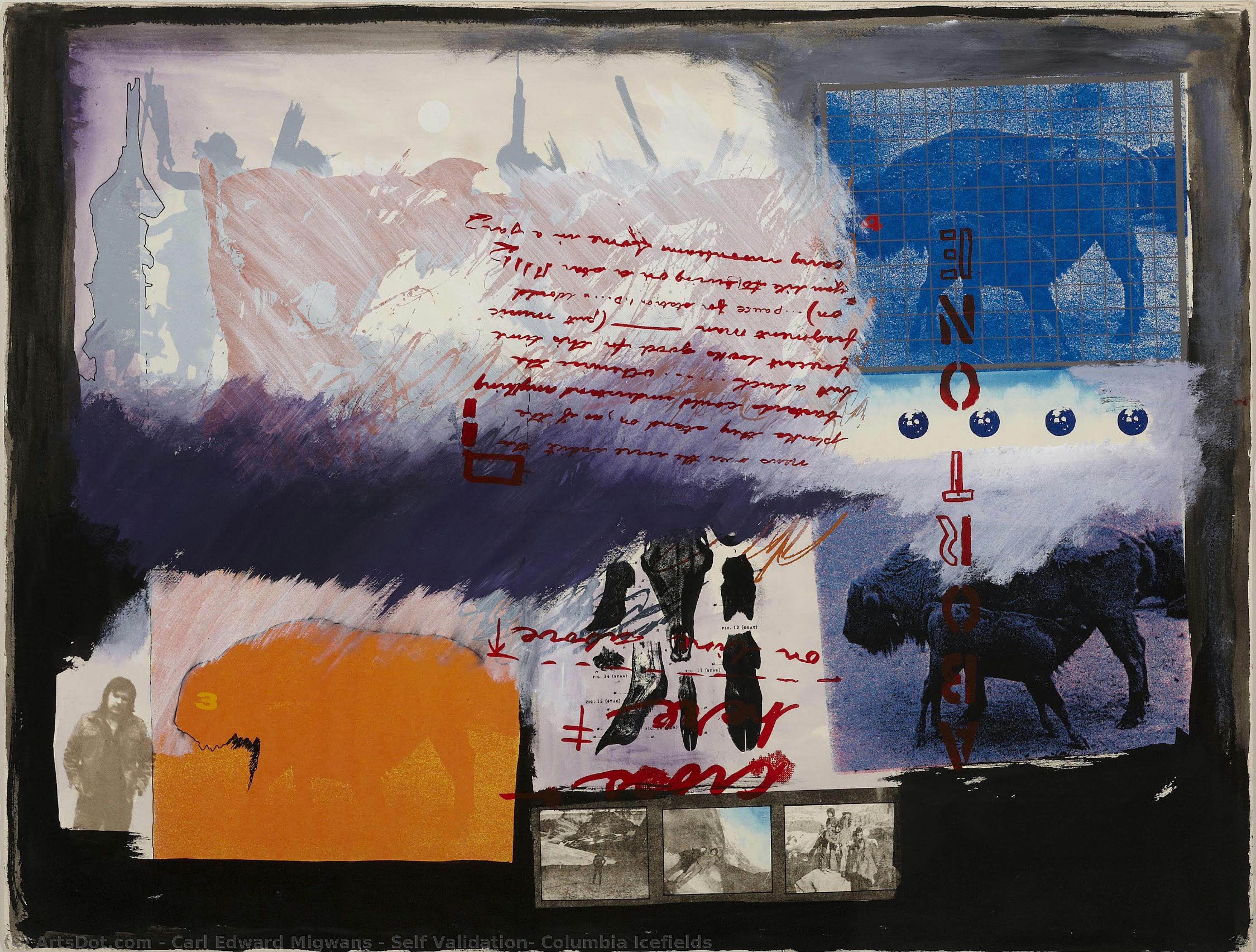
Self Validation, Columbia Icefields

 詳細を見る
詳細を見る
ジークレー/アートプリント
迅速な制作と多彩な仕上げオプションを備えた、ミュージアムクオリティのジークレーまたはキャンバスプリント。 ( 手描きの絵画を購入 画像を購入)




































作品のオリジナル比率に合わせた、当店の規定サイズからお選びください。

特定のフレームやスペースに合わせて、ご自身でサイズを指定することも可能です。選択されたサイズが元の画像の比率と一致しない場合、作品をトリミングするか、鏡面反射または単色での塗りつぶしによって画像を拡張いたします。制作を開始する前に、ご確認用のデジタルモックアップをお送りいたします。
画面上のプレビューには、実際のトリミングや拡張は反映されませんのでご注意ください。最終的な構図を正確に確認できるのは、モックアップのみとなります。
カスタムサイズも承っておりますが、元の比率を維持するためには、あらかじめ用意されたリストからサイズを選択することをお勧めいたします。


 ガラスオプションは、110cm未満のサイズでのみご利用いただけます。

Self Validation, Columbia Icefields
ジークレー/アートプリント
複製画のサイズ
-


合計金額
$ 62
関連作品







アーティストの略歴
Early Life and Influences
Carl Edward Migwans (born Carl Beam), also known as Carl Beam, was a Canadian Indigenous artist born in West Bay (Grand Cayman), Canada (1943). His formative years were deeply rooted in Ojibwe culture and tradition, shaping his artistic vision and informing the recurring themes of displacement, identity, and reconciliation that permeate his oeuvre. Growing up on Manitoulin Island—a sacred place for Anishinaabe peoples—Beam experienced firsthand the complexities of navigating a dual heritage: Western education alongside ancestral knowledge passed down through generations. This juxtaposition profoundly impacted his worldview and fueled his desire to explore the tensions inherent in intercultural relations. His father, Edward Cooper, served as a U.S. Army soldier during World War II, returning home with tales of conflict and hardship—experiences that subtly influenced Beam’s artistic sensibility. Barbara Migwans, his mother, instilled in him a deep connection to Ojibwe spirituality and storytelling, emphasizing the importance of remembering and honoring one's heritage. The influence of Indigenous oral traditions is palpable throughout Beam’s work, particularly evident in his use of spontaneous poetry and imagery drawn from mythic narratives. Notably, he was recognized as the first artist of Native ancestry to have his work purchased by the National Gallery of Canada as contemporary art—a pivotal moment that signaled a growing acceptance of Indigenous voices within the broader artistic landscape.Artistic Style and Technique
Beam’s artistic style is characterized by a striking blend of traditional Indigenous techniques and modern Western influences. He skillfully combined photography, mixed media, oil paint, acrylic pigment, and handwritten text on canvas—a deliberate strategy designed to disrupt conventional visual hierarchies and convey layered meanings. Early in his career, Beam experimented with Polaroid instant prints and screen process, mirroring the innovative approaches championed by artists like Robert Raushenberg. This fascination with photographic collage—particularly its ability to juxtapose disparate images—became a cornerstone of his artistic practice. He embraced ceramic pottery as well, drawing inspiration from the Mimbres bowls of New Mexico—ancient vessels adorned with intricate geometric designs that embody profound spiritual symbolism. Beam’s meticulous attention to detail and his masterful manipulation of color—often employing vibrant hues against muted backgrounds—created visually arresting compositions that demanded contemplation. His canvases frequently featured recurring motifs such as birds, snakes, and ravens—symbols deeply embedded in Ojibwe cosmology and representing concepts of transformation, resilience, and ancestral wisdom.Major Works and Achievements
Beam’s artistic output spanned several decades, producing a diverse body of work that tackled pressing social issues with unflinching honesty and intellectual rigor. Among his most celebrated pieces are *Self Validation*, a monumental photographic collage depicting the Columbia Icefields—a landscape imbued with symbolic significance for Indigenous peoples as a site of spiritual pilgrimage. This artwork exemplifies Beam’s commitment to confronting Western representations of nature and asserting Indigenous perspectives on environmental stewardship. Furthermore, he achieved recognition as a pioneer in blending photography and text—a technique that challenged conventional notions of artistic expression and underscored the importance of linguistic articulation in conveying complex ideas. His mixed media pieces consistently incorporated elements of traditional Ojibwe materials alongside contemporary mediums—demonstrating his ability to synthesize disparate influences into cohesive artistic statements. Beam’s ceramic sculptures, particularly those inspired by Mimbres pottery, showcased his mastery of craftmanship while simultaneously engaging with themes of cultural heritage and ancestral memory.Legacy and Influence
Carl Beam's legacy extends far beyond his own individual creations—he fundamentally reshaped the dialogue surrounding Indigenous art in Canada. He paved the way for future generations of Indigenous artists to explore their identities and experiences through innovative mediums, fostering a more inclusive and nuanced understanding of Canadian culture. His work served as a catalyst for critical reflection on colonialism and its enduring impact on Indigenous communities—promoting awareness of historical injustices and advocating for reconciliation. The National Gallery of Canada holds an extensive collection of Beam’s artworks, offering visitors the opportunity to engage with his groundbreaking vision and contemplate his profound contribution to contemporary art history. Beam's influence continues to inspire artists and scholars alike, ensuring that his artistic legacy endures as a testament to creativity, resilience, and the transformative power of intercultural dialogue.
carl edward migwans
1943 - 2005 , Canada
基本情報
- Artistic Movement Or Style: Mixed media; Photography
- Artists Or Movements Influenced By This Artist: ['Contemporary Indigenous Art']
- Artists Who Influenced This Artist: ['Robert Raushenberg']
- Date Of Birth: May 24, 1943
- Date Of Death: July 30, 2005
- Full Name: Carl Edward Migwans (Carl Beam)
- Nationality: Canadian
- Notable Artworks: ['Self Validation, Columbia Icefields']
- Place Of Birth: West Bay (Grand Cayman), Canada