

 プレビュー
プレビュー
 シェアする
シェアする シェアする
シェアする
 詳細を見る
詳細を見る

 ダウンロード
 似ている作品
 X線調査
X線調査 スライドショー
 統計情報
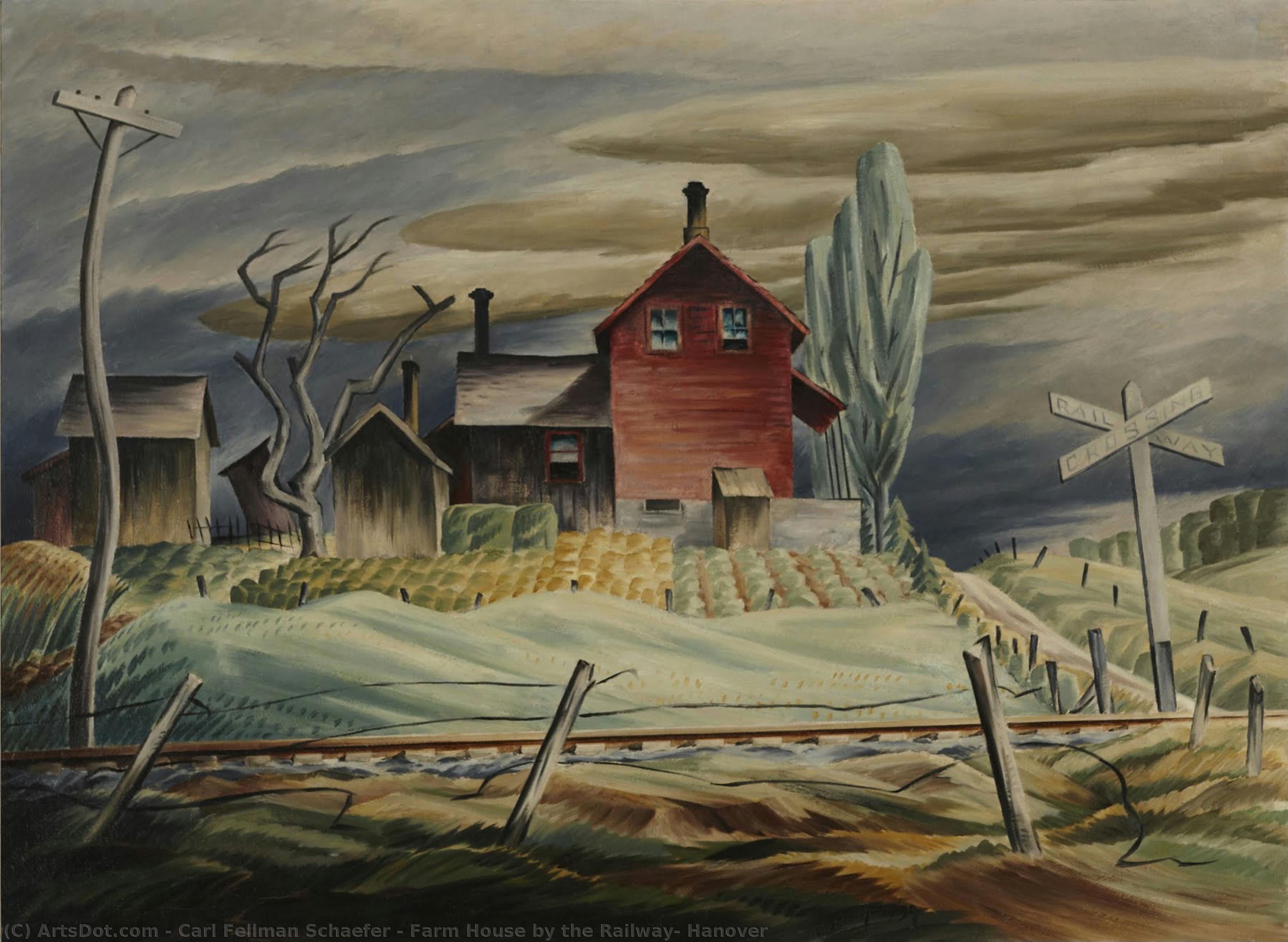
統計情報Farm House by the Railway, Hanover


 詳細を見る
詳細を見る
ジークレー/アートプリント
迅速な制作と多彩な仕上げオプションを備えた、ミュージアムクオリティのジークレーまたはキャンバスプリント。 ( 手描きの絵画を購入 デジタル画像販売へ切り替え)




































作品のオリジナル比率に合わせた、当店の規定サイズからお選びください。

特定のフレームやスペースに合わせて、ご自身でサイズを指定することも可能です。選択されたサイズが元の画像の比率と一致しない場合、作品をトリミングするか、鏡面反射または単色での塗りつぶしによって画像を拡張いたします。制作を開始する前に、ご確認用のデジタルモックアップをお送りいたします。
画面上のプレビューには、実際のトリミングや拡張は反映されませんのでご注意ください。最終的な構図を正確に確認できるのは、モックアップのみとなります。
カスタムサイズも承っておりますが、元の比率を維持するためには、あらかじめ用意されたリストからサイズを選択することをお勧めいたします。


 ガラスオプションは、110cm未満のサイズでのみご利用いただけます。

Farm House by the Railway, Hanover
ジークレー/アートプリント
複製画のサイズ
-


合計金額
$ 62
関連作品









アーティストの略歴
Paul Gauguin: A Savage Soul and a Revolutionary Vision
Eugène Henri Paul Gauguin (1848-1903) remains one of the most enigmatic and influential figures in modern art. Born in Paris amidst the fervor of Europe’s revolutionary year, his life was a relentless pursuit of artistic authenticity, marked by wanderlust, social upheaval, and a profound rejection of academic conventions. More than simply an artist, Gauguin cultivated a dual image – that of the “wolfish wild man” and the sensitive martyr for art – a carefully constructed persona designed to both challenge and captivate the world. His journey from stockbroker to iconoclast is a testament to his unwavering commitment to expressing his inner vision, regardless of societal expectations.
Gauguin’s early life was characterized by instability and travel. His family moved to Peru when he was young, an experience that profoundly shaped his worldview and instilled in him a fascination with the exotic and primitive. This early exposure to different cultures would later inform his artistic choices, particularly his depictions of native life and landscapes. Returning to France, he received a largely informal education, primarily through association with other artists like Camille Pissarro, who became a crucial mentor and guide. Initially drawn to Impressionism, Gauguin quickly outgrew its limitations, seeking a more direct and emotionally charged approach to representation.
The Seeds of Rebellion: Style and Influences
Gauguin’s artistic development was not linear; it involved a complex interplay of influences and a deliberate rejection of established norms. He began his career working with Impressionists like Pissarro, absorbing their techniques for capturing light and color. However, he soon sought to move beyond mere observation, aiming instead to express deeper emotions and symbolic meanings. He studied the works of Dutch masters such as Rembrandt and Vermeer, admiring their use of chiaroscuro (contrast between light and dark) and their ability to convey psychological depth. The writings of Charles Baudelaire, with his exploration of the subconscious and the exotic, also profoundly impacted his artistic sensibilities.
Crucially, Gauguin was influenced by Spanish masters like Velázquez, whose use of bold color and flattened perspective resonated deeply with his desire for a more direct and expressive style. He deliberately distanced himself from the rigid rules of academic art, embracing instead a looser, more intuitive approach to painting. This rebellion manifested in his distinctive brushwork – broad, sweeping strokes applied with a confident disregard for traditional detail—and his use of vibrant, often non-naturalistic colors.
Tahitian Dreams: A New Eden
In 1893, Gauguin embarked on a transformative journey to Tahiti, seeking refuge from the perceived corruption and materialism of European society. This move marked a radical shift in his artistic practice and personal life. He envisioned Tahiti as a “new Eden,” a place where he could create art free from the constraints of Western civilization. His Tahitian paintings—such as *Vision of Iriéné* (1892) and *Nafea fa tatoua?* (1892)—are characterized by their bold colors, simplified forms, and symbolic imagery.
These works represent a departure from Impressionism and a move towards a more personal and expressive style. Gauguin employed flattened perspectives, stylized figures, and potent symbolism to convey his emotional responses to the island’s beauty and its inhabitants. He depicted scenes of daily life—fishing, dancing, and religious rituals—but always filtered them through his own subjective vision. His use of red, a color often associated with passion and violence, further underscored the intensity of his experience.
Legacy and Lasting Impact
Gauguin’s impact on 20th-century art is undeniable. He challenged conventional notions of beauty and representation, paving the way for movements like Fauvism and Expressionism. His emphasis on color, emotion, and personal expression profoundly influenced artists such as Van Gogh, Matisse, and Picasso. Despite facing criticism during his lifetime, Gauguin’s work gained increasing recognition after his death in 1903, solidifying his place as a pivotal figure in the development of modern art.
More than just an artist, Gauguin was a complex and contradictory individual—a self-proclaimed savage, a sensitive martyr for art, and a restless wanderer. His life and work continue to fascinate and inspire, reminding us of the power of art to challenge conventions, express profound emotions, and offer a glimpse into the depths of the human soul.
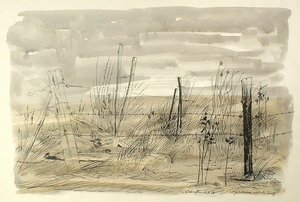
carl fellman schaefer
1903 - 1995 , Canada
基本情報
- Artistic Movement Or Style:
- Post-Impressionism
- Symbolism
- Artists Or Movements Influenced By This Artist:
- Paul Cézanne
- Fauvism
- Expressionism
- Artists Who Influenced This Artist:
- Camille Pissarro
- Vincent van Gogh
- Date Of Birth: July 7, 1848
- Date Of Death: May 8, 1903
- Full Name: Eugène Henri Paul Gauguin
- Nationality: French
- Notable Artworks:
- Vision of the Sermon
- Iahona and Her Son
- Place Of Birth: Paris, France