

 プレビュー
プレビュー
 プリントを購入
 シェアする
シェアする シェアする
シェアする
 詳細を見る
詳細を見る

 ダウンロード
 似ている作品
 X線調査
X線調査 スライドショー
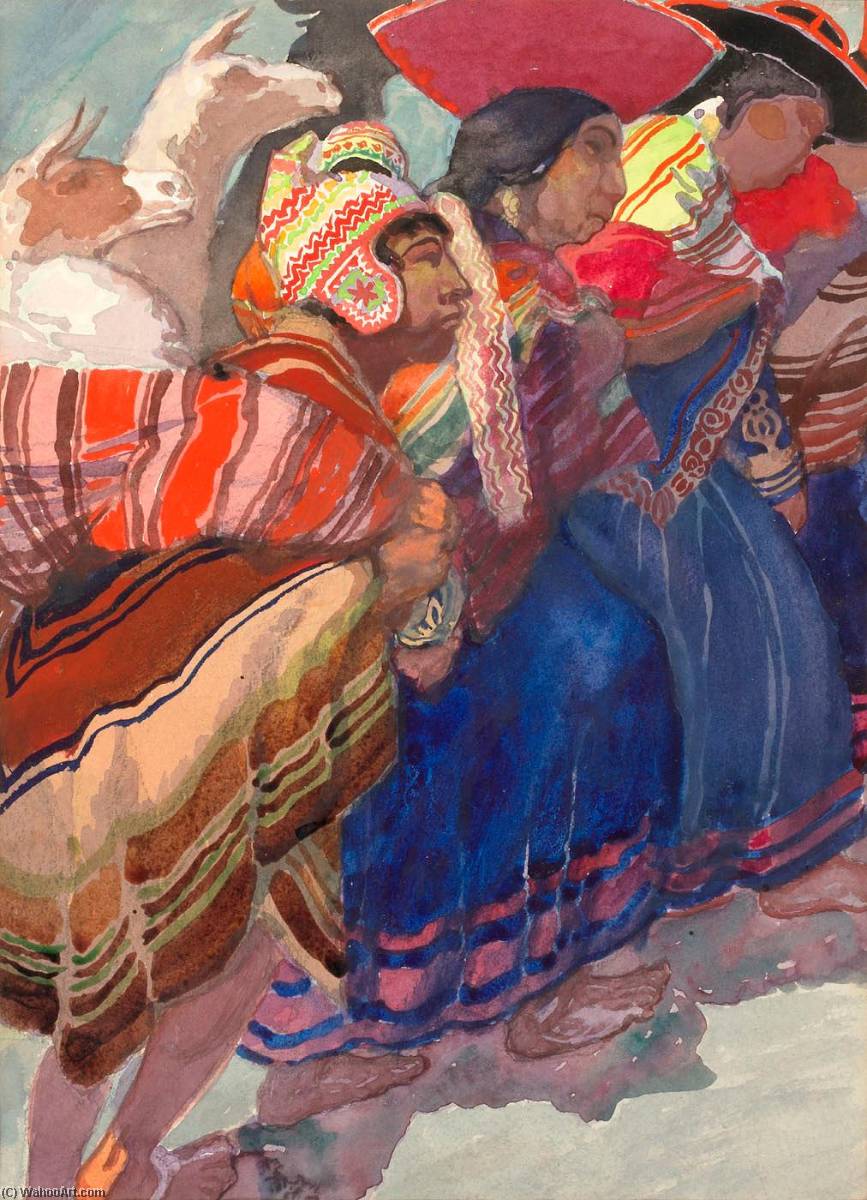
Group in Regional Costume, Indians, Puno, Peru

 詳細を見る
詳細を見る




P118B $10

P118H $10

P118W $10

P438Z $10

P508JH $12

P508YH $12

P805H $10

P805Z $10

P919BZ $10

P919G $10

P919XJ $10

P959ZH $10

P968JZ $12

W106C $8

W218G $10

W218JH $8

W218Y $10

W307PJ $10

W316G $10

W316PJ $8

W316Y $10

W398PJ $8

W4111J $10

W500HY $15

W500JH $15

W692G $12

W849H $8

W940BG $15

W953PJ $8




作品のオリジナル比率に合わせた、当店の規定サイズからお選びください。

特定のフレームやスペースに合わせて、ご希望のサイズをご入力いただけます。選択されたサイズが元の画像の比率と異なる場合、アートワークをトリミングするか、手描きで要素を追加して絵画を拡張いたします。デジタルモックアップ を制作し、制作開始前にご確認(承認)をいただきます。
画面上のプレビューは、実際のトリミングや拡張を正確に反映しているものではありません。最終的な構図は、モックアップによってのみ正確にご確認いただけます。
カスタムサイズもご利用いただけますが、元の比率を維持するためには、あらかじめ用意されたリストからサイズを選択することをお勧めいたします。
ご注文後、ArtsDot.com チームより詳細な指示をお送りするとともに、仕上がりイメージ(モックアップ)をご提供いたします。


 ガラスオプションは、110cm未満のサイズでのみご利用いただけます。

Group in Regional Costume, Indians, Puno, Peru
複製技法
複製画のサイズ
-


合計金額
$ 263
関連作品
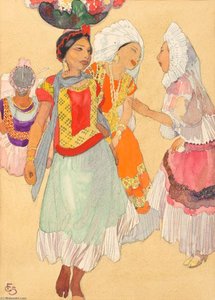
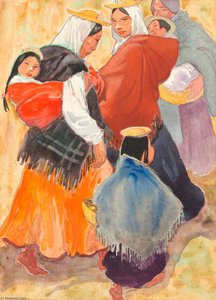
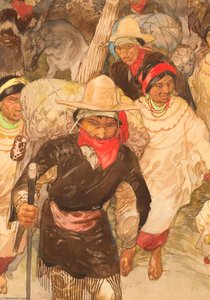
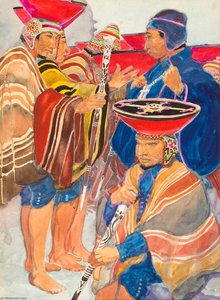
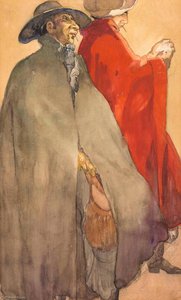
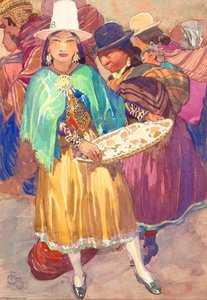
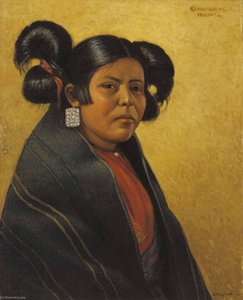
アーティストの略歴
Carl Folke Sahlin: A Window into Vanishing Worlds
The art of Carl Folke Sahlin, a Swedish-born artist who spent much of his career in Miami, Florida, offers more than just visually arresting watercolors. It’s a poignant and remarkably detailed chronicle of indigenous cultures on the brink of transformation during the first half of the 20th century. Born in Stockholm in 1885, Sahlin wasn't initially destined for a life immersed in ethnographic painting; he began his career as an illustrator and advertising executive in New York and Chicago, experiences that honed his technical skills but ultimately led him to seek a deeper connection with the world beyond the urban landscape.
A pivotal moment arrived in 1940 when Sahlin, seeking respite from the bustle of American life, relocated to Miami. It was here, amidst the burgeoning subtropical environment and a surprising influx of South American immigrants, that his artistic focus shifted dramatically. He began a relentless journey through Central and South America – Ecuador, Peru, Panama, Mexico – driven by an almost obsessive desire to document the lives and traditions of the indigenous peoples he encountered. This wasn’t simply sightseeing; Sahlin sought genuine participation in their daily routines, immersing himself in their communities, learning their languages (to varying degrees), and patiently observing their customs before committing them to watercolor.
Sahlin's artistic style is immediately recognizable. He eschewed the romanticized depictions often associated with early ethnographic art, favoring a remarkably realistic approach. His paintings aren’t idealized portraits; they capture the grit, the weariness, and the quiet dignity of individuals living in challenging circumstances. He employed a vibrant palette, utilizing bold colors to convey not just appearance but also emotion and atmosphere. The use of loose brushstrokes and layered washes creates a sense of movement and immediacy, as if the viewer is witnessing these scenes unfold before their eyes. His meticulous attention to detail – from the intricate patterns of woven textiles to the weathered faces of his subjects – speaks volumes about his respect for the cultures he portrayed.
Thematic Focus: Rituals, Labor, and Everyday Life
Sahlin’s work isn't defined by grand narratives or heroic figures. Instead, it focuses on the everyday realities of indigenous communities. He frequently depicted scenes of ritualistic ceremonies – dances, festivals, religious processions – capturing the energy and symbolism of these events with remarkable sensitivity. Equally compelling are his portrayals of labor: men and women engaged in traditional crafts, farming, fishing, or simply tending to their families. These images offer a rare glimpse into the rhythms of life for communities often overlooked by mainstream historical accounts.
A particularly notable aspect of Sahlin’s work is his consistent representation of indigenous attire. He meticulously researched and accurately depicted the complex and culturally significant garments worn by different groups, recognizing that clothing was far more than mere fabric; it was a powerful symbol of identity, status, and tradition. His paintings are veritable encyclopedias of South American dress, offering invaluable insights into the diverse cultural heritage of the region.
Influences and Artistic Development
While Sahlin’s artistic style is distinctly his own, it's clear that he was influenced by a number of sources. His early training as an illustrator instilled in him a strong command of technique and composition. The work of European watercolorists, particularly the Impressionists, likely informed his use of color and brushwork. However, Sahlin’s most significant influence undoubtedly came from his own experiences – his immersion in indigenous cultures and his genuine desire to document their lives with respect and accuracy.
His time in Miami also played a crucial role in shaping his artistic development. The city's vibrant immigrant community provided him with a constant source of inspiration, while the Blue Dome Fellowship, a local arts organization, offered him a supportive network of fellow artists. Sahlin’s work evolved over time, becoming increasingly focused on capturing the nuances of indigenous culture and reflecting his deep appreciation for these vanishing worlds.
Legacy and Historical Significance
Carl Folke Sahlin's paintings represent a vital contribution to our understanding of South American indigenous cultures during a period of profound change. His meticulous documentation offers a valuable record of traditions that were rapidly disappearing as a result of colonization, globalization, and modernization. His work stands as a testament to the importance of ethnographic art in preserving cultural heritage and fostering cross-cultural dialogue.
Sahlin’s paintings are now housed in collections around the world, including the Smithsonian American Art Museum and the National Gallery in Stockholm. They continue to be exhibited and studied, reminding us of the rich diversity of human experience and the urgent need to protect vulnerable cultures from being lost forever. His legacy lies not just in his beautiful artwork but also in his unwavering commitment to documenting the lives of those often marginalized by history.
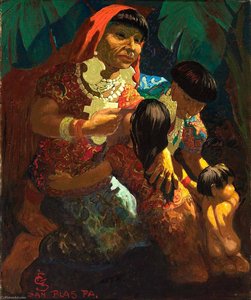
carl folke sahlin
1885 - 1976
基本情報
- Artistic Movement Or Style: Ethnographic art
- Artists Or Movements Influenced By This Artist: ['None specified']
- Artists Who Influenced This Artist: ['None specified']
- Date Of Birth: 1885
- Date Of Death: 1976
- Full Name: Carl Folke Sahlin
- Nationality: Swedish
- Notable Artworks:
- Women in Regional Costume
- The Alcaldes of Pisac
- Cowboys in Costume
- Place Of Birth: Stockholm, Sweden
関連記事
Watercolor Wonders: 10 Masterpieces That Redefined Art History | ArtsDot
Journey through 10 legendary watercolor masterpieces by Sargent, Turner & Homer! Explore iconic landscapes, portraits & floral art that redefined history. Find museum-quality reproductions and curated decor ideas at ArtsDot.com.
Ephemeral Visions: Exploring the Artistic Legacy & Contemporary Practice of Watercolor Painting
Explore the captivating world of watercolor painting! Discover its rich history, essential techniques, influential artists & collecting tips. A comprehensive guide for art enthusiasts from ArtsDot.
Ephemeral Visions: Exploring the Artistic Legacy & Nuances of Watercolor Painting
Explore the captivating world of watercolor painting! Discover its rich history, essential techniques, influential artists & collecting tips from art experts. A comprehensive guide for enthusiasts.

Ephemeral Visions: Exploring the History & Emotional Resonance of Watercolor Painting
Explore the captivating history of watercolor painting, from ancient techniques to modern masters like Kandinsky & Blake. Discover essential artists, collecting tips & the emotional power of this luminous medium. Expert insights for art enthusiasts.
水彩の永続的な魅力:歴史、技法、そして現代の実践
水彩画の歴史、技法、現代の実践を深く探求。巨匠たちの名画から初心者向けテクニックまで解説。ArtsDot.comでは高品質な複製画やカスタムポートレートをご提供します。アートコンサルテーションも受付中。

